
Brazilian Main
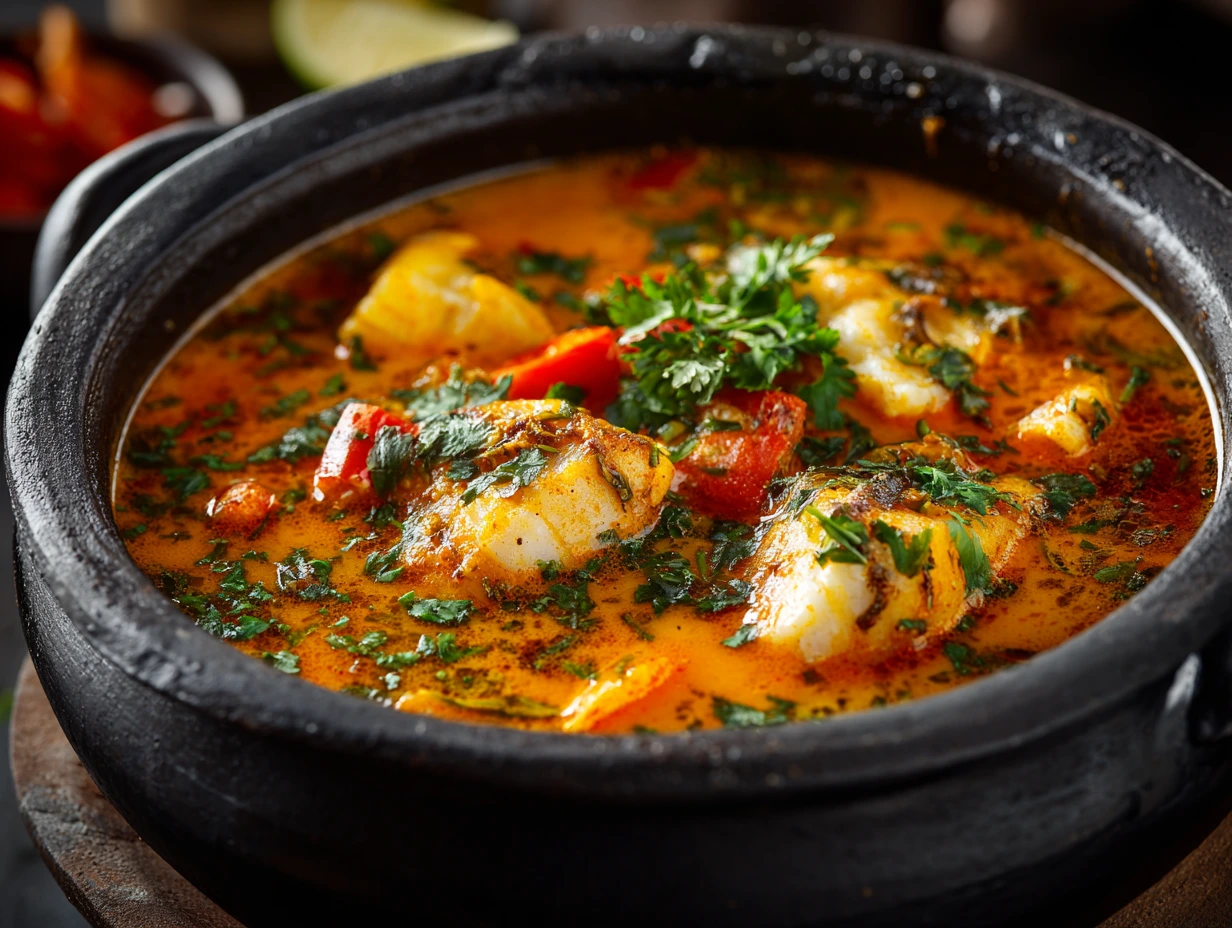
Moqueca Baiana
Bahian fish stew with coconut milk, dendê oil, tomato, peppers and coriander.
20 minsPrep time
45 minsCook time
Serves 2Servings
MediumDifficulty
Nutrition
Estimated nutrition per serving
These figures are estimates per serving. Actual nutrition can vary with the brands and exact amounts you use, how much oil, dressing or sauce is absorbed, any substitutions or added extras, and the portion size served.A practical guide for comparing recipes and planning meals.
435Calories
17gProtein
52gCarbs
19gFat
Ingredients
What you need
- 700 firm white fish
- 1 lime
- 2 onions
- 2 peppers
- 3 tomatoes
- 300 coconut milk
- 2 dendê oil
- coriander
Method
Step-by-step method
Follow the recipe in order, tasting and adjusting seasoning where needed.
- 1. Season the fish with lime and salt while you prepare the vegetables. Measure everything before you start so the recipe scales cleanly from the dynamic ingredient quantities. Cut vegetables evenly so they soften at the same rate and the final texture is balanced.
- 2. Layer onions, peppers, tomatoes and fish in a wide pan. Work steadily and check texture rather than relying only on the clock.
- 3. Add coconut milk and simmer gently without stirring hard. Keep it at a gentle simmer, around 90°C / 195°F, with only small bubbles breaking the surface.
- 4. Finish with dendê oil and coriander. Work steadily and check texture rather than relying only on the clock.
- 5. Serve with rice, pirão or farofa. Taste at the end for salt, acidity and richness; traditional versions should feel generous but balanced.
Cook smarter
Tips, storage and serving advice
Shopping tips
Ingredient quality
Common mistakes
Chef’s tips
How to know it is cooked
Plating advice
Make ahead
Storage and reheating
Wine pairing
What to drink with Moqueca Baiana
These are wine-style pairings, so you can choose any bottle in that style rather than needing one exact producer. Look for the grape, region or style name on the label.Pairings are chosen around the dish’s flavour, texture, richness, acidity and cooking style, not just the country it comes from.

#1
Excellent match
White
Chablis / Unoaked Chardonnay
Why it works:
- Flavour bridge: citrus, saline and mineral notes echo the maritime character of the dish
- Acidity: High acidity sharpens seafood and balances butter or oil
- Body: Light-to-medium body respects delicate texture
- Tannin: Very low tannin avoids metallic clashes with seafood
- Sweetness: Dry profile keeps the finish savoury
- Best for: Dinner, entertaining or recipe pairing
#2
Great match
White
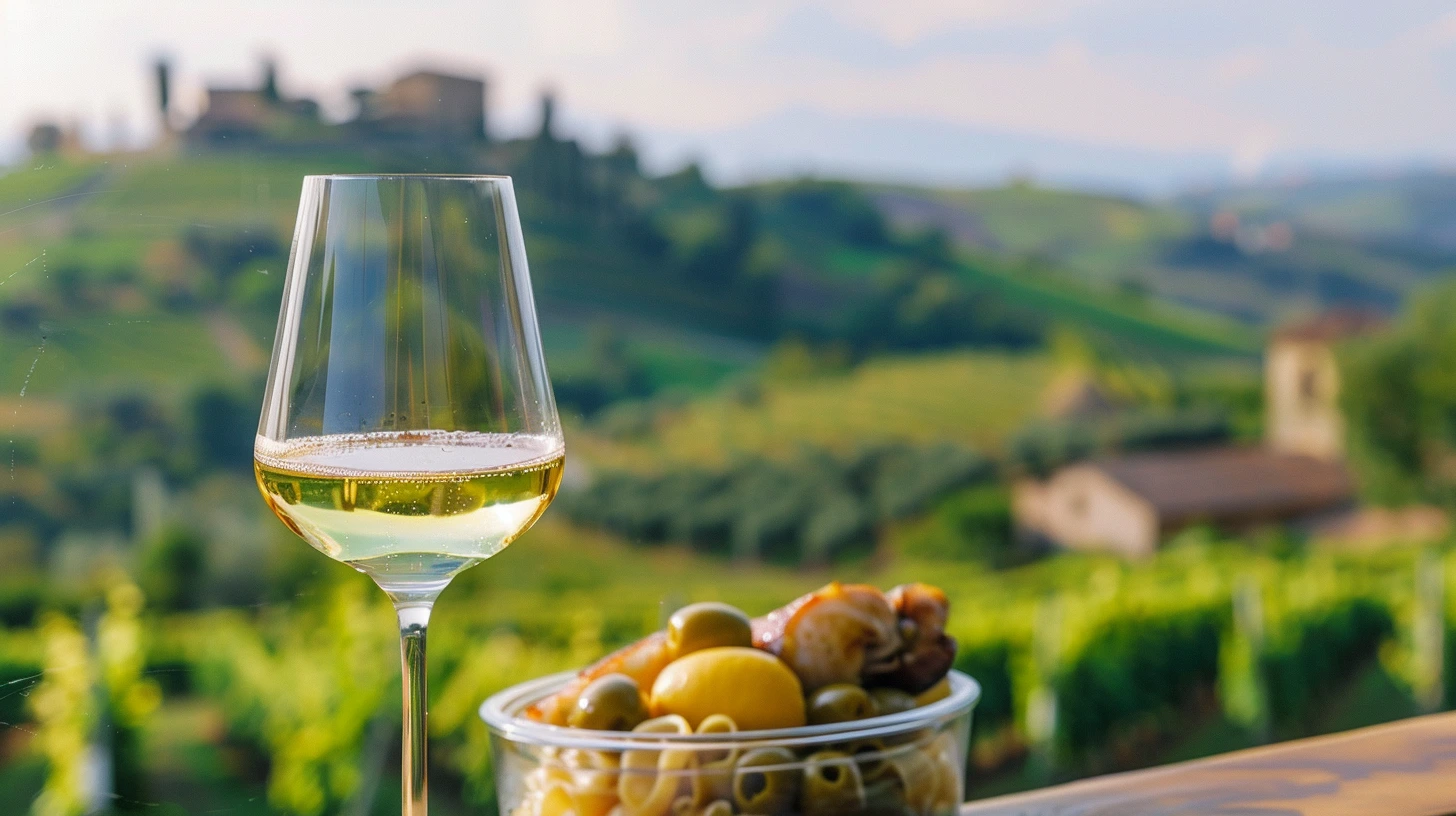
Verdicchio dei Castelli di Jesi
Why it works:
- Flavour bridge: citrus, saline and mineral notes echo the maritime character of the dish
- Acidity: High acidity sharpens seafood and balances butter or oil
- Body: Light-to-medium body respects delicate texture
- Tannin: Very low tannin avoids metallic clashes with seafood
- Sweetness: Dry profile keeps the finish savoury
- Best for: Dinner, entertaining or recipe pairing
#3
Interesting match
White
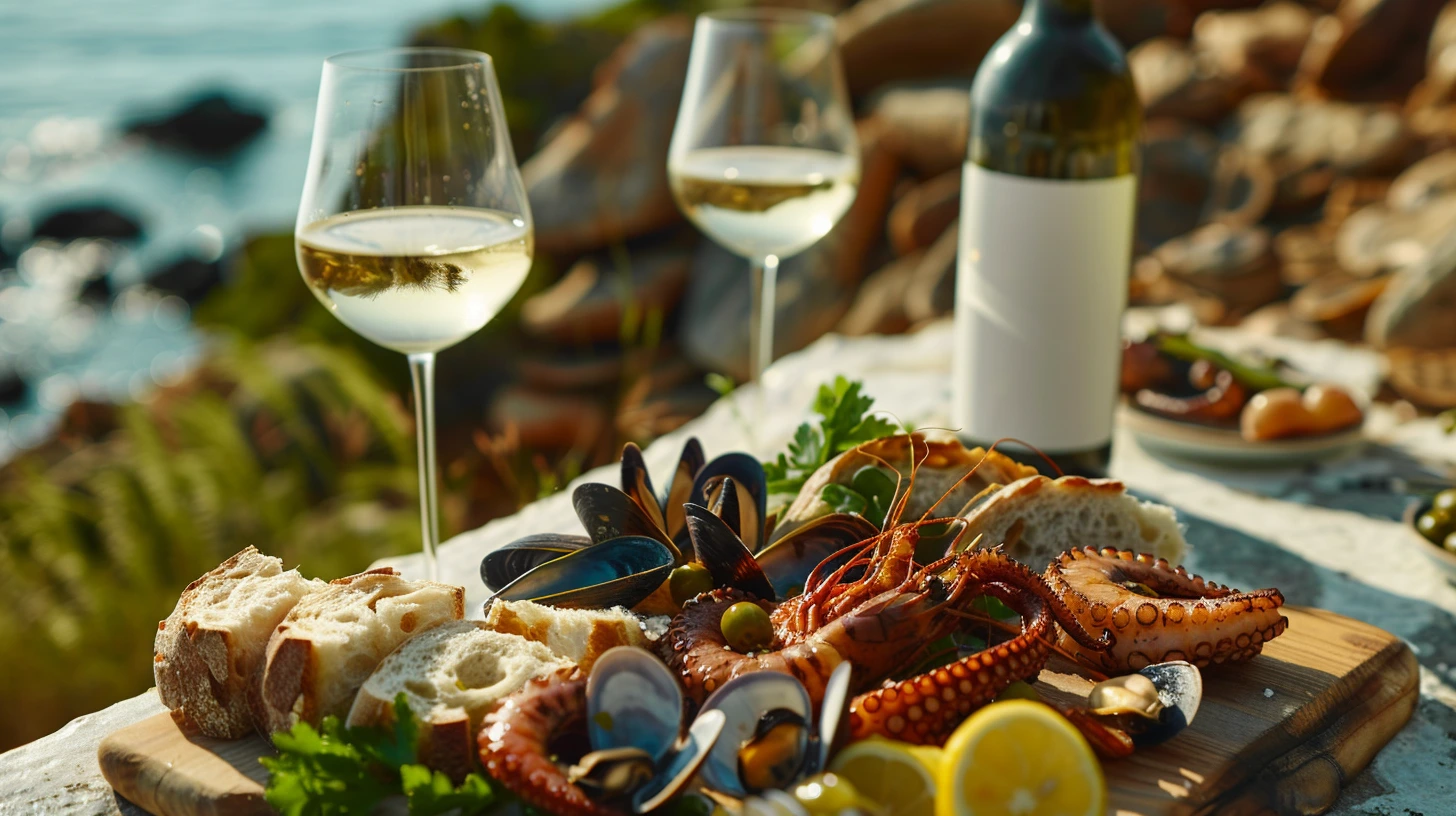
Albariño / Vinho Verde
Why it works:
- Flavour bridge: citrus, saline and mineral notes echo the maritime character of the dish
- Acidity: High acidity sharpens seafood and balances butter or oil
- Body: Light-to-medium body respects delicate texture
- Tannin: Very low tannin avoids metallic clashes with seafood
- Sweetness: Dry profile keeps the finish savoury
- Best for: Dinner, entertaining or recipe pairing
Bottle suggestions
Specific wines to try
These are named bottles or regional wine examples already linked to this recipe. Each card opens the relevant wine-style guide because individual bottle pages are not currently published.Australian Semillon Sauvignon Blanc
Australian Semillon Sauvignon Blanc is credible here because it represents the matched Sauvignon Blanc style. Sauvignon Blan…
Explore this wine styleAustralian Shiraz
Australian Shiraz is credible here because it represents the matched Syrah / Shiraz style. Syrah offers pepper, dark fruit a…
Explore this wine styleChianti Classico – Rocca delle Macìe
Chianti Classico – Rocca delle Macìe is credible here because it represents the matched Chianti / Sangiovese style. Sangiove…
Explore this wine styleCook next
View cuisine More Brazilian recipes
Keep exploring the country’s food story through related starters, mains and desserts.
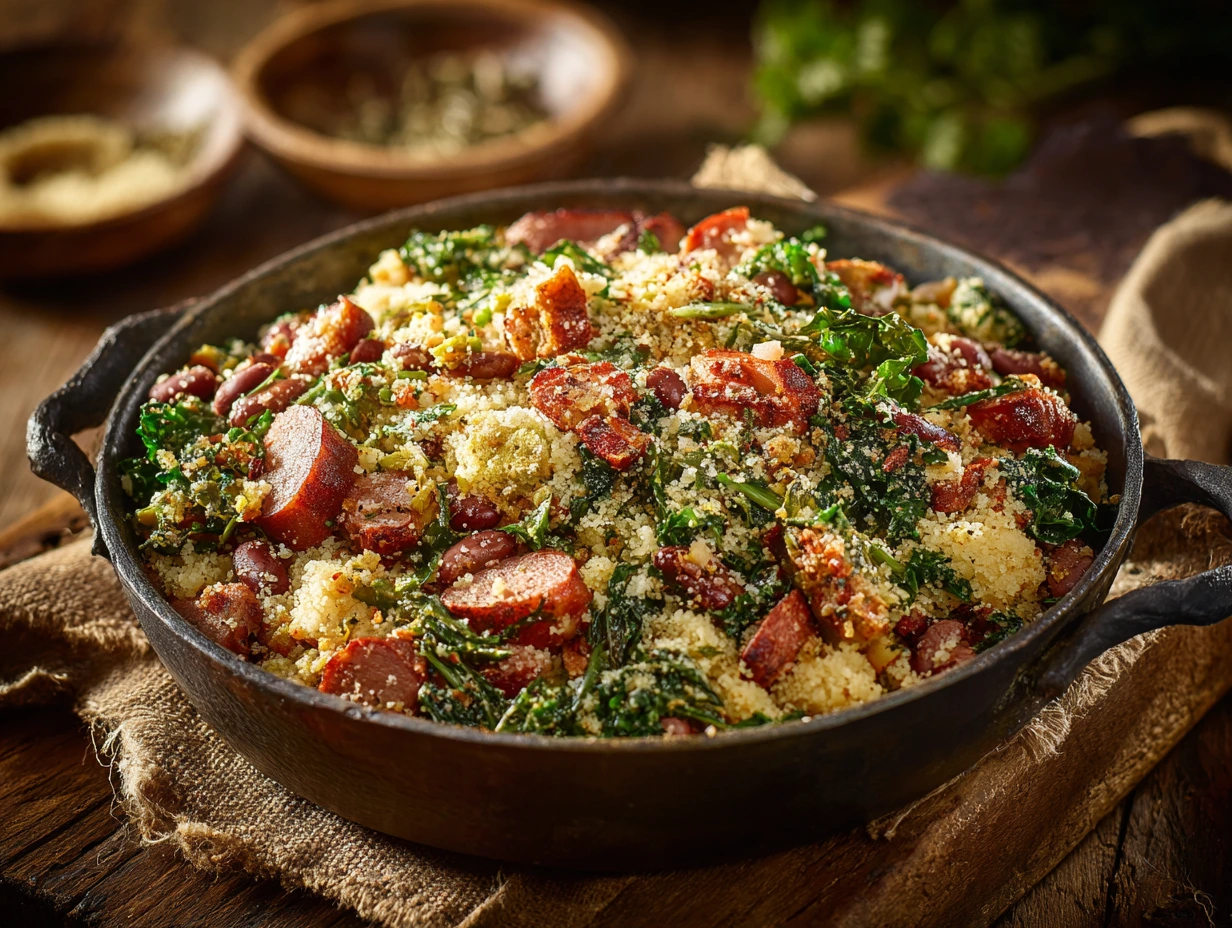
Feijão Tropeiro
Beans tossed with cassava flour, bacon, sausage, eggs and greens.
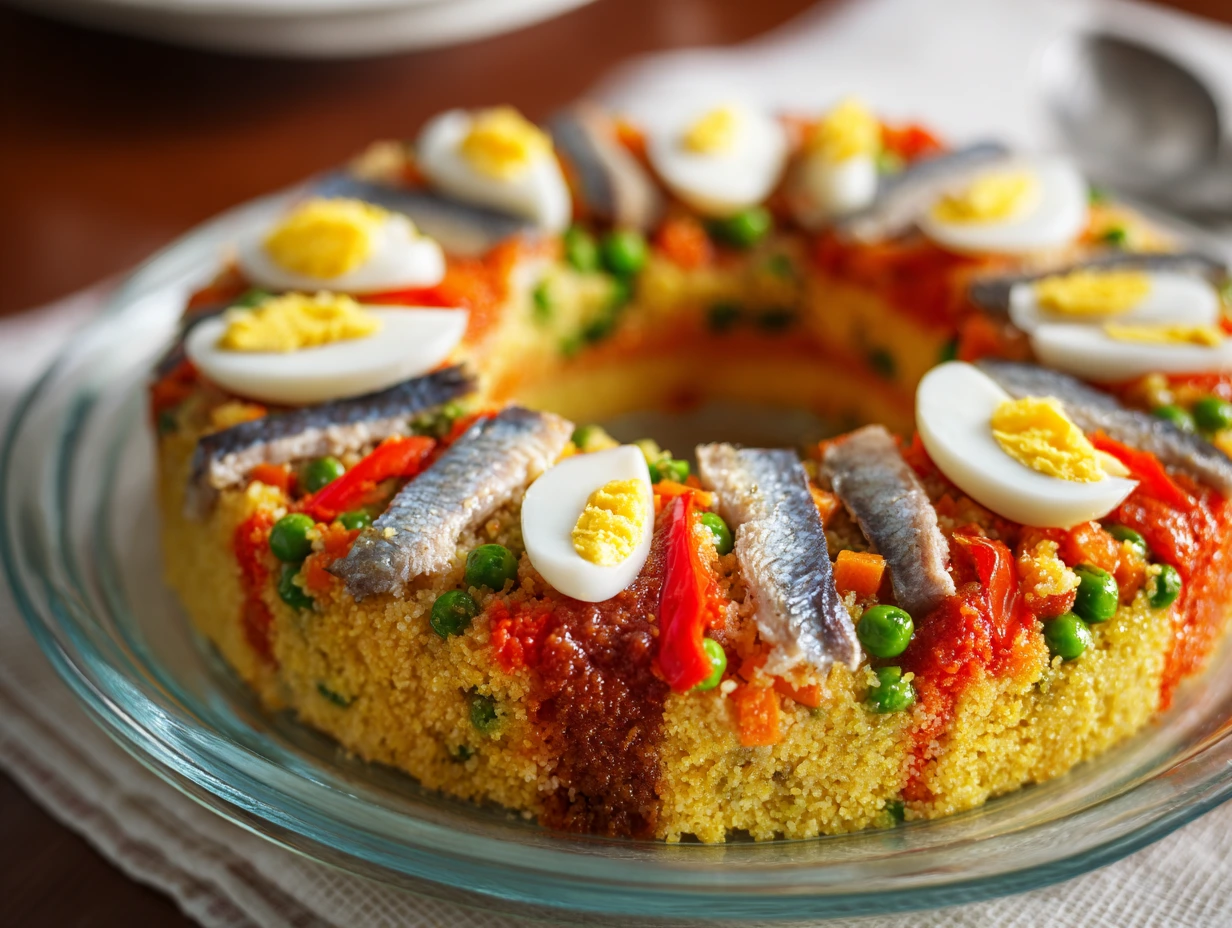
Cuscuz Paulista
A moulded São Paulo savoury couscous of cornmeal, tomato, fish, eggs and vegetables.
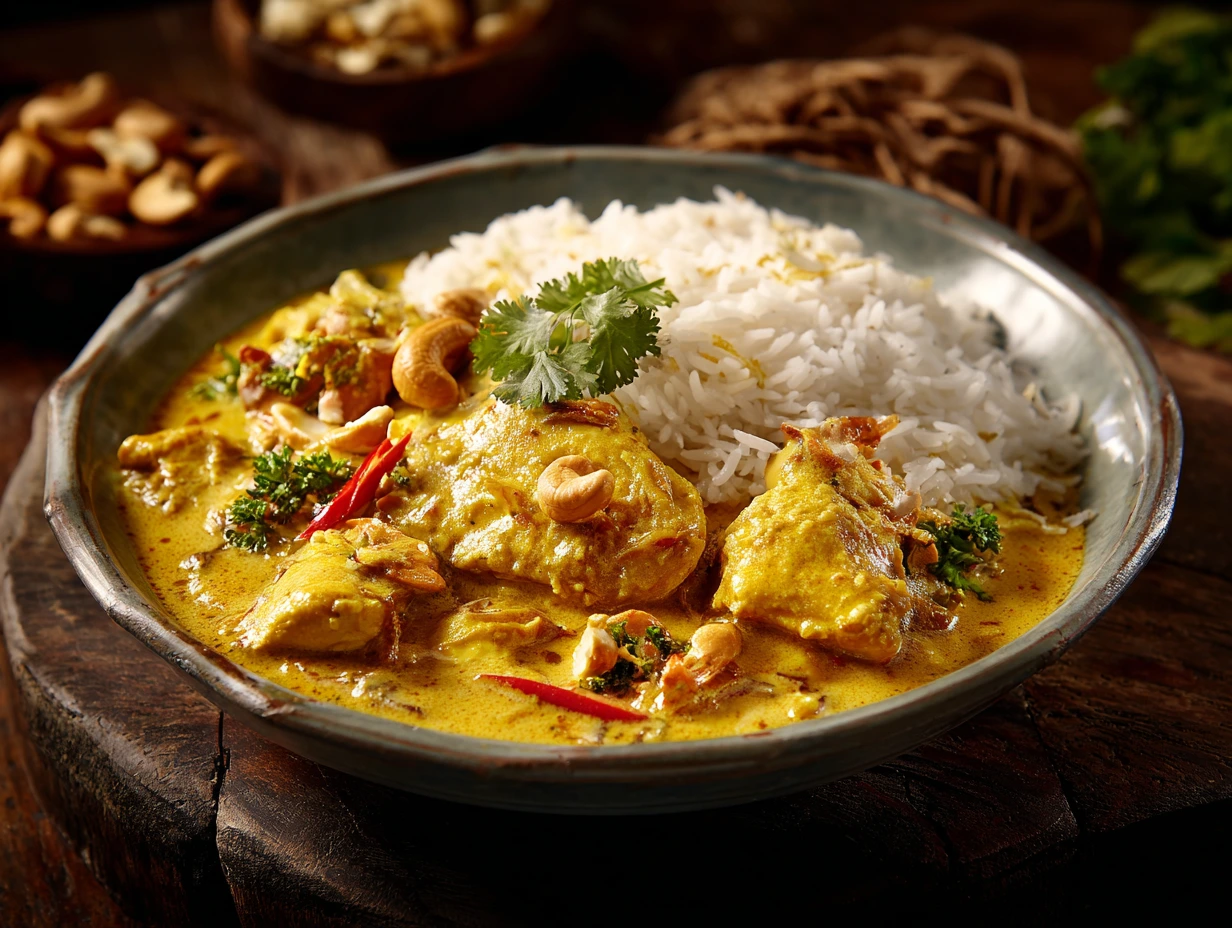
Xinxim de Galinha
Bahian chicken stew with peanuts, cashews, dried prawns, coconut and dendê.
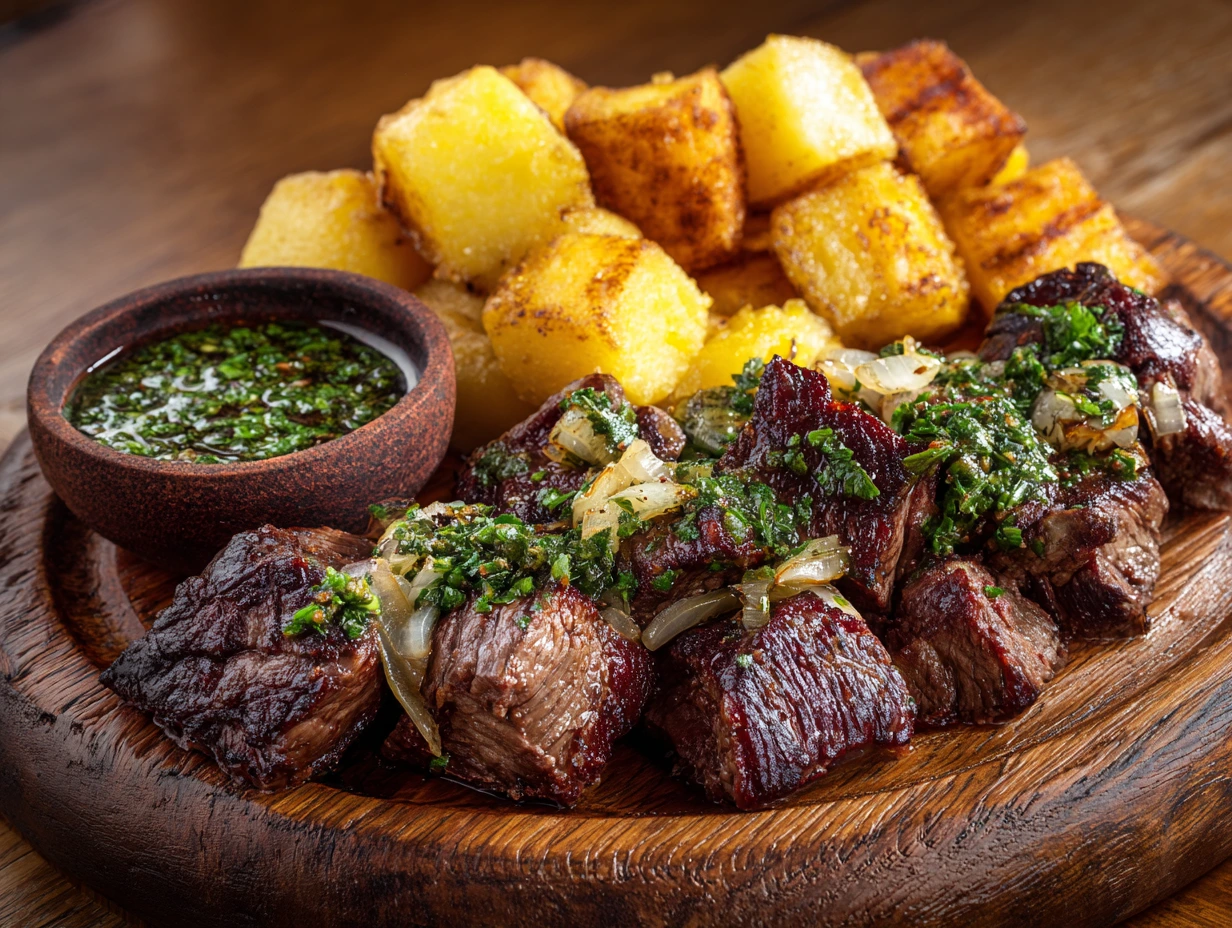
Carne de Sol com Mandioca
Salt-cured beef served with buttery cassava and sweet browned onions.