Ethiopian Snack

Dabo Kolo

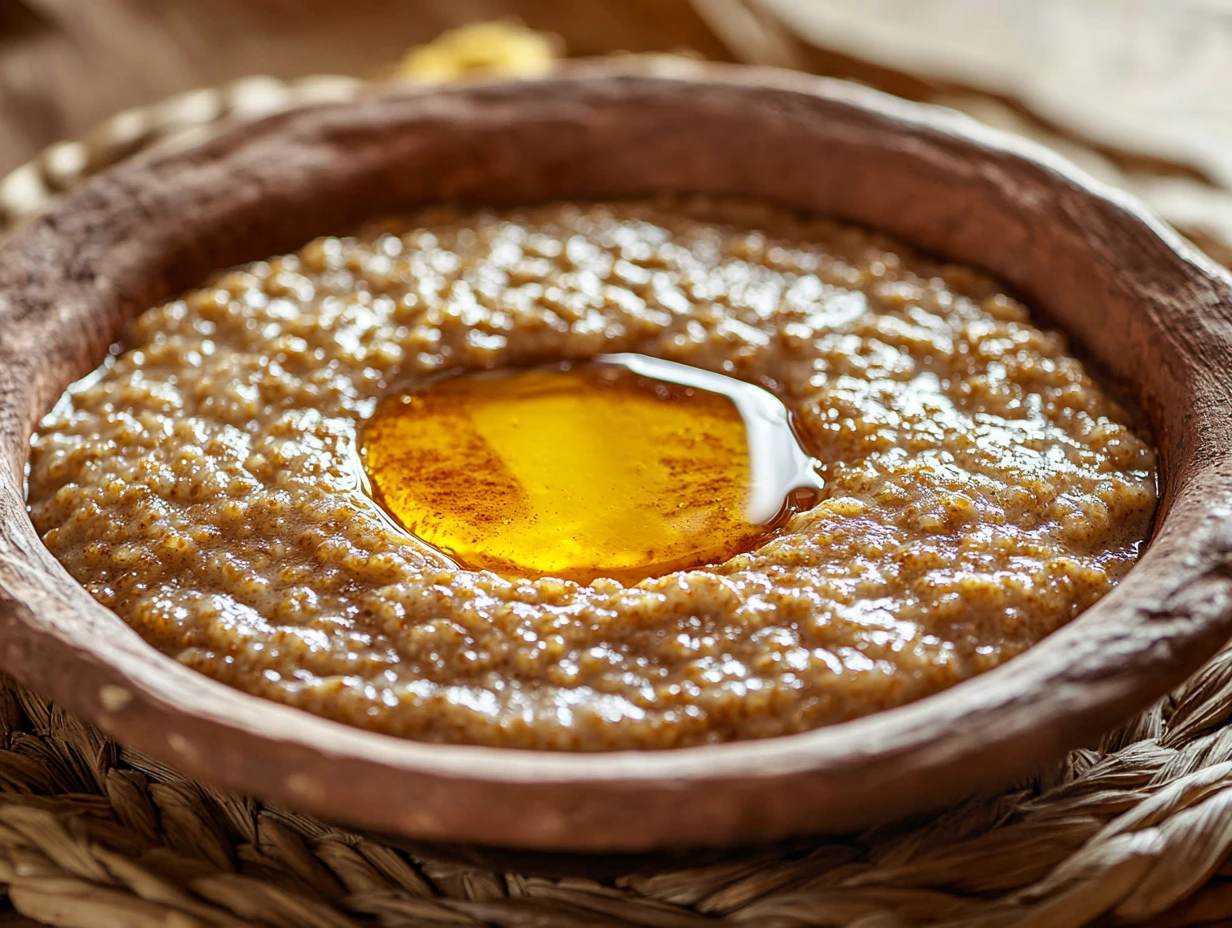
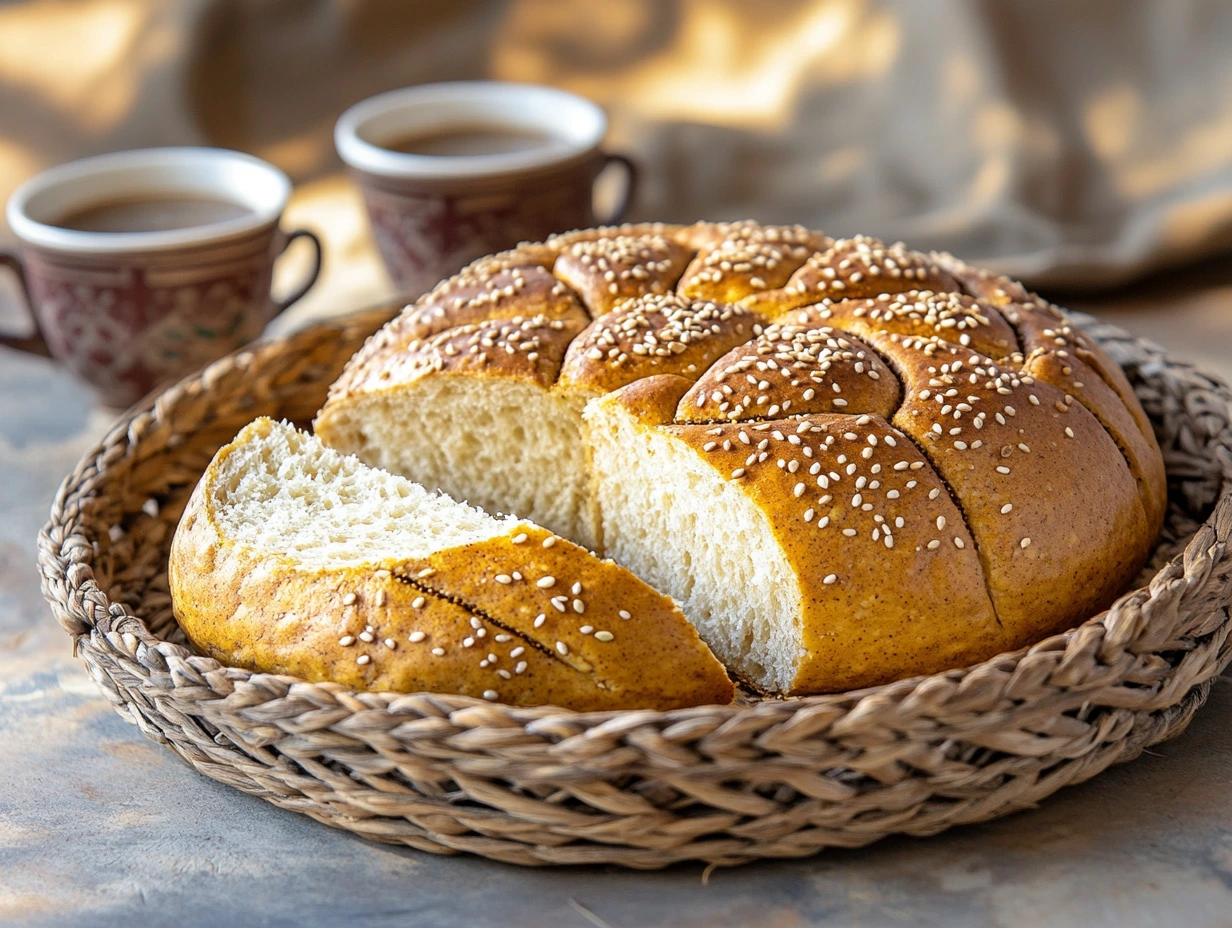
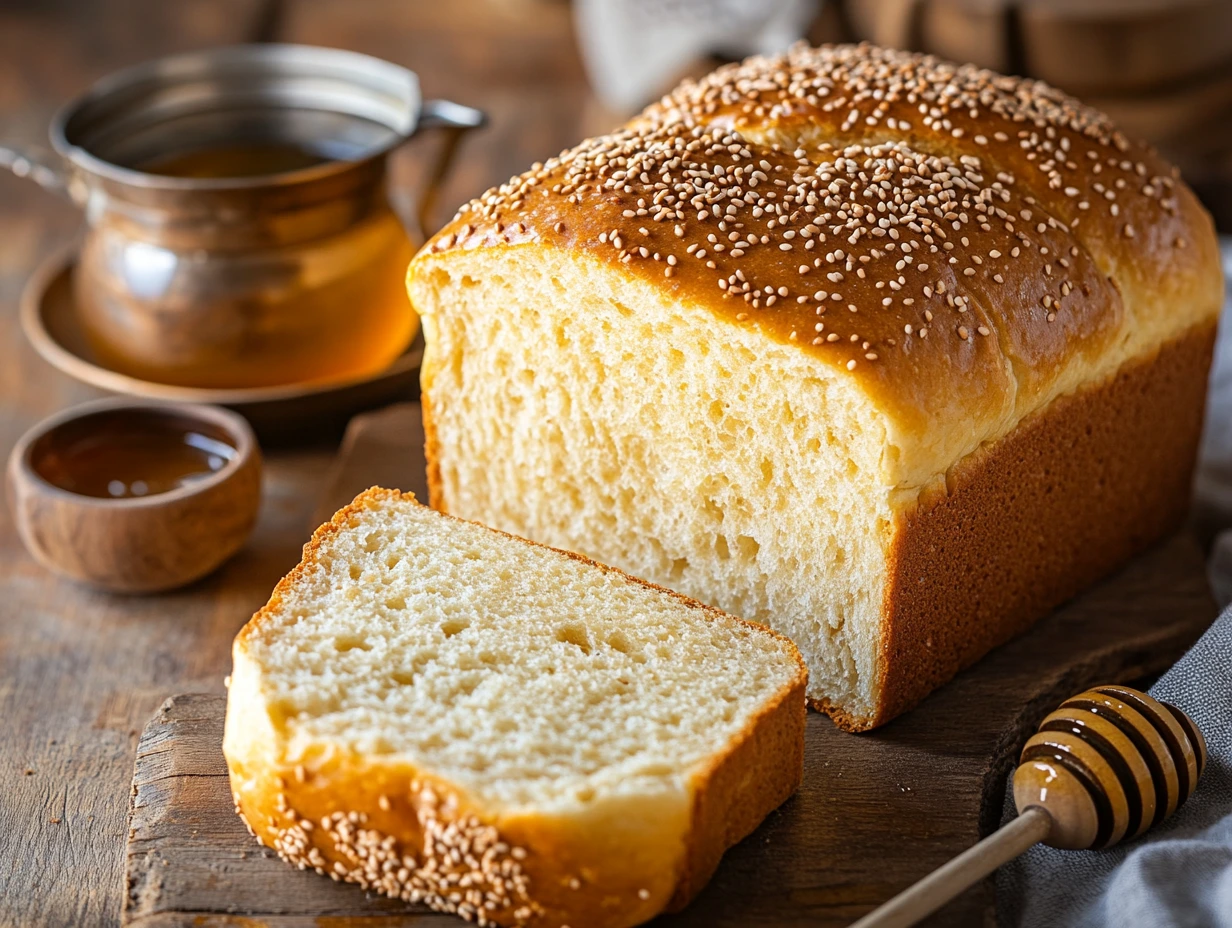
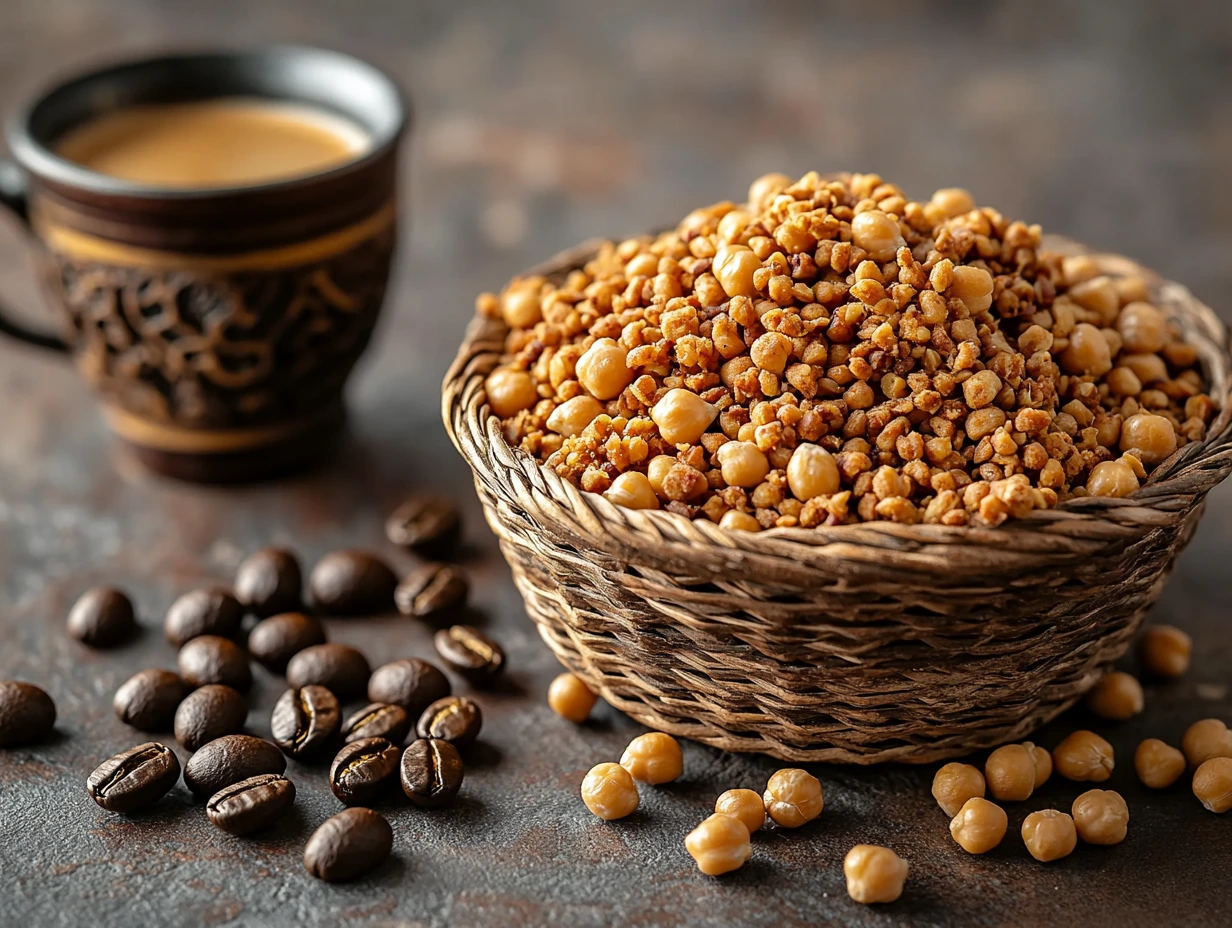
Dabo Kolo is tiny crunchy Ethiopian baked dough bites, lightly sweet and spiced, traditionally eaten as a snack with coffee or tea. This version uses measured ingredients, clear visual cues and the traditional flavour balance that makes the dish distinctive.

25 minsPrep time
30 minsCook time
Serves 12Servings
EasyDifficulty
Dabo Kolo
About this dish

Dabo Kolo: the story on the plate

Dabo Kolo is a Ethiopian dessert with a clear sense of place. Dabo kolo literally evokes small pieces of bread and is a familiar Ethiopian crunchy snack. Versions can be plain, spiced, sweetened or fried rather than baked. The recipe below keeps the defining ingredients and technique intact while giving practical metric quantities and enough detail for a home cook to judge texture, seasoning and doneness rather than simply follow a timer.

Historical background

Dabo kolo literally evokes small pieces of bread and is a familiar Ethiopian crunchy snack. Versions can be plain, spiced, sweetened or fried rather than baked.

Why it is famous

It is more snack than formal pudding. It is mapped to the dessert category here because it is commonly eaten with coffee or tea and provides a traditional sweet/snack endpoint for the site’s fixed course structure.


Cultural significance

It is more snack than formal pudding. It is mapped to the dessert category here because it is commonly eaten with coffee or tea and provides a traditional sweet/snack endpoint for the site’s fixed course structure.

Nutrition

Estimated nutrition per serving

These figures are estimates per serving. Actual nutrition can vary with the brands and exact amounts you use, how much oil, dressing or sauce is absorbed, any substitutions or added extras, and the portion size served.

A practical guide for comparing recipes and planning meals.

150Calories
3gProtein
24gCarbs
5gFat
Ingredients

What you need

  • 350 plain flour
  • 45 caster sugar
  • 4 fine salt
  • 0.5 berbere, optional for a warm savoury edge
  • 0.5 ground cardamom
  • 35 neutral oil
  • 150 water, approximately
Method

Step-by-step method

Follow the recipe in order, tasting and adjusting seasoning where needed.

  1. Mix flour, sugar, salt, cardamom and optional berbere. Rub in the oil until the flour feels evenly moistened.
  2. Add water gradually and knead into a firm dough. Rest covered 15 minutes; a stiff dough is easier to cut into the tiny traditional shapes.
  3. Roll portions into thin ropes about 8 mm thick. Cut into very small 8–10 mm pieces, keeping them similar in size so they bake evenly.
  4. Spread in a single layer on baking trays. Bake at 180°C for 15 minutes, stir thoroughly, then bake another 10–15 minutes.
  5. Reduce the oven to 150°C if they are browning before becoming crisp through the centre. They should dry as much as they colour.
  6. Cool completely before storing airtight. The pieces become noticeably crunchier once all residual steam has escaped.
Cook smarter

Tips, storage and serving advice

Shopping tips

Good berbere should smell layered rather than simply hot. If you cannot find niter kibbeh, make a small batch of spiced clarified butter. For injera, buy authentic teff-based injera from an Ethiopian bakery if you are not fermenting your own. Check labels on compound ingredients such as sauces, spice blends, stocks, kimchi, fermented pastes and prepared breads when cooking for allergies.

Ingredient quality

For Dabo Kolo, prioritise fresh or properly stored versions of plain flour, caster sugar, fine salt, berbere; speciality seasonings should smell vivid rather than stale.

Common mistakes

Large uneven pieces stay doughy inside; sealing before full cooling traps moisture; high heat browns before drying.

Chef’s tips

Cut smaller than you think: the pleasure is in handfuls of tiny crisp pieces rather than large biscuits.

How to know it is cooked

A cooled piece snaps cleanly and is dry all the way through with no soft centre.

Plating advice

Serve in a small communal bowl beside coffee.

Make ahead

Prepare spice pastes, sauces, fillings and desserts ahead where useful, but fry, grill, steam or dress fresh elements close to serving.

Storage and reheating

Cool quickly and store covered in the fridge for up to 2 days. Rice, seafood and dairy desserts should be handled especially carefully. Reheat gently with a splash of stock, water or milk as suitable. Crisp fried starters and delicate fish are best freshly cooked.

Wine pairing

What to drink with Dabo Kolo

These are wine-style pairings, so you can choose any bottle in that style rather than needing one exact producer. Look for the grape, region or style name on the label.

Pairings are chosen around the dish’s flavour, texture, richness, acidity and cooking style, not just the country it comes from.

Vin Santo wine pairing
#1 Excellent match Dessert

Vin Santo

Why it works:

Vin Santo complements Dabo Kolo by matching its fruit sweetness while retaining enough acidity to keep the finish fresh and precise.

Tuscan amber dessert wine with dried fruit, nuts and honeyed depth.

GrapeTrebbiano, Malvasia
RegionTuscany
Wine flavourdried apricot, almond, honey, caramel
Serve at10-12°C
  • Flavour bridge: ripe fruit and floral notes mirror the dessert's fruit character
  • Acidity: Bright acidity refreshes after sugar and pastry
  • Body: Light-to-medium richness keeps the fruit in focus
  • Tannin: Low tannin is ideal with sweet fruit
  • Sweetness: Sweetness is calibrated to avoid the wine tasting sour beside dessert
  • Best for: Dinner, entertaining or recipe pairing
View wine guide
Tawny Port wine pairing
#2 Great match Fortified

Tawny Port

Why it works:

Tawny Port complements Dabo Kolo by matching its fruit sweetness while retaining enough acidity to keep the finish fresh and precise.

Sweet fortified wine with caramel, dried fruit, nuts and orange peel. Excellent with sticky toffee, nut desserts, chocolate, caramel and mature cheese.

GrapeTouriga Nacional, Touriga Franca, Tinta Roriz
RegionDouro Valley
Wine flavourcaramel, walnut, fig, orange peel
Serve at12-16°C
  • Flavour bridge: ripe fruit and floral notes mirror the dessert's fruit character
  • Acidity: Bright acidity refreshes after sugar and pastry
  • Body: Light-to-medium richness keeps the fruit in focus
  • Tannin: Low tannin is ideal with sweet fruit
  • Sweetness: Sweetness is calibrated to avoid the wine tasting sour beside dessert
  • Best for: Dinner, entertaining or recipe pairing
View wine guide
Madeira wine pairing
#3 Interesting match Fortified

Madeira

Why it works:

For a more adventurous pairing, madeira complements Dabo Kolo by matching its fruit sweetness while retaining enough acidity to keep the finish fresh and precise.

Long-lived fortified wine with caramel, walnut, citrus peel and roasted notes. Excellent with treacle, toffee, nut cakes and rich savoury sauces.

GrapeSercial, Verdelho, Bual, Malvasia
RegionMadeira
Wine flavourcaramel, walnut, citrus peel, roasted sugar
Serve at12-14°C
  • Flavour bridge: ripe fruit and floral notes mirror the dessert's fruit character
  • Acidity: Bright acidity refreshes after sugar and pastry
  • Body: Light-to-medium richness keeps the fruit in focus
  • Tannin: Low tannin is ideal with sweet fruit
  • Sweetness: Sweetness is calibrated to avoid the wine tasting sour beside dessert
  • Best for: Dinner, entertaining or recipe pairing
View wine guide