Ethiopian Snack

Kolo

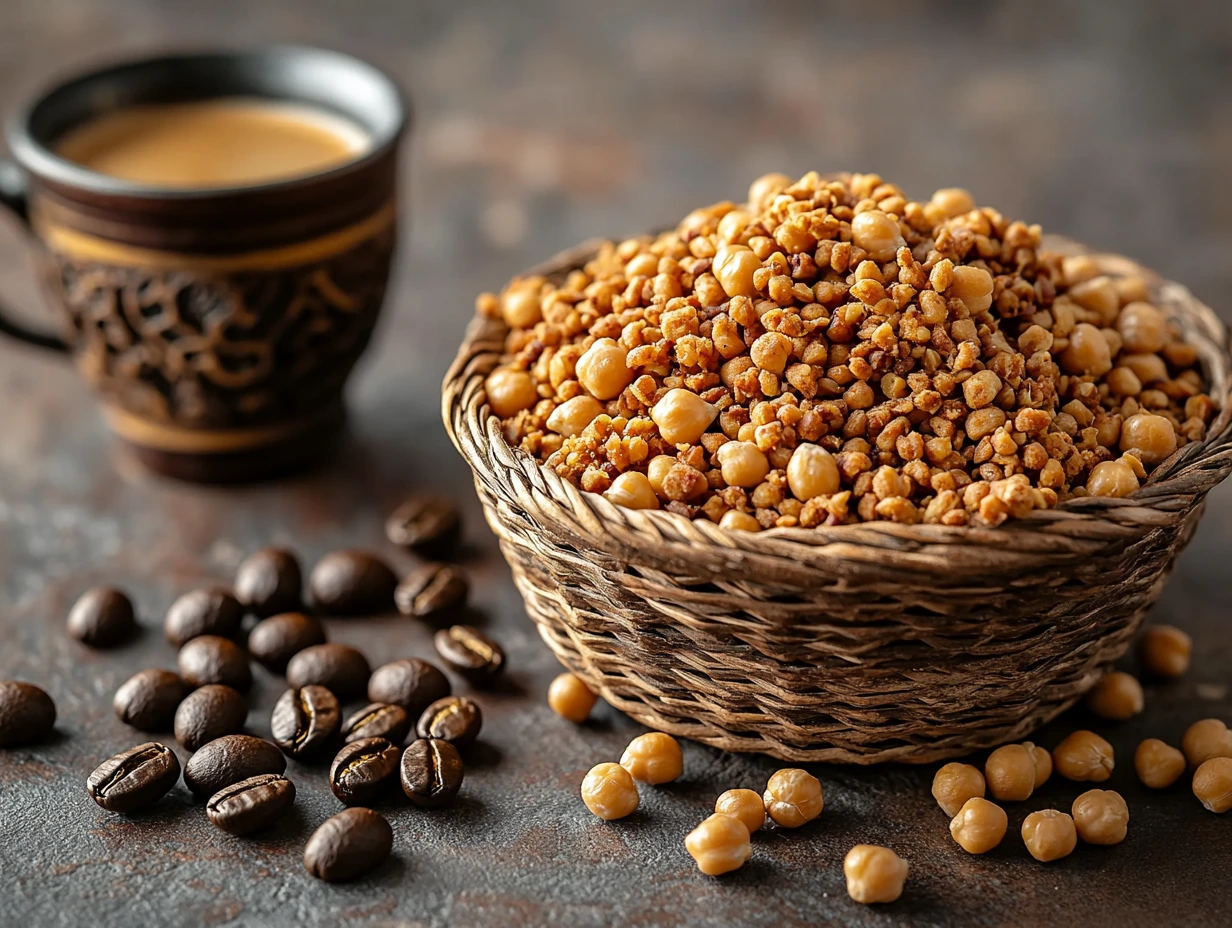
Kolo is an Ethiopian roasted-grain snack of barley, chickpeas and peanuts, lightly salted and eaten by the handful. This version uses measured ingredients, clear visual cues and the traditional flavour balance that makes the dish distinctive.

10 minsPrep time
35 minsCook time
Serves 10Servings
EasyDifficulty
Kolo
About this dish

Kolo: the story on the plate

Kolo is a Ethiopian dessert with a clear sense of place. Kolo refers to roasted grains, seeds or legumes eaten as a snack in Ethiopia. Combinations vary widely and may include barley, chickpeas, peanuts and other local staples. The recipe below keeps the defining ingredients and technique intact while giving practical metric quantities and enough detail for a home cook to judge texture, seasoning and doneness rather than simply follow a timer.

Historical background

Kolo refers to roasted grains, seeds or legumes eaten as a snack in Ethiopia. Combinations vary widely and may include barley, chickpeas, peanuts and other local staples.

Why it is famous

It is everyday snack food rather than a Western-style dessert. It sits in the site dessert category as a traditional end-of-meal or coffee-time sweet/snack alternative to imported puddings.
Cultural significance

It is everyday snack food rather than a Western-style dessert. It sits in the site dessert category as a traditional end-of-meal or coffee-time sweet/snack alternative to imported puddings.
Nutrition

Estimated nutrition per serving

These figures are estimates per serving. Actual nutrition can vary with the brands and exact amounts you use, how much oil, dressing or sauce is absorbed, any substitutions or added extras, and the portion size served.

A practical guide for comparing recipes and planning meals.

210Calories
8gProtein
32gCarbs
7gFat
Ingredients

What you need

  • 250 pearl barley
  • 240 cooked chickpeas, well drained and dried
  • 120 peanuts
  • 15 sunflower oil
  • 1 fine salt
  • 0.5 berbere, optional
Method

Step-by-step method

Follow the recipe in order, tasting and adjusting seasoning where needed.

  1. If using cooked chickpeas, dry them extremely well with a towel and leave uncovered for 20 minutes. Surface moisture slows roasting and can make the mixture steam.
  2. Toss chickpeas and barley separately with a little oil. Roast the chickpeas at 190°C for 20 minutes before adding barley because they contain more moisture.
  3. Add barley to the tray, stir and roast another 15 minutes, stirring once. Add peanuts for the final 8–10 minutes.
  4. Watch closely near the end: grains should smell deeply toasted but not burnt. Test a few barley grains after cooling for a minute; they should be crunchy.
  5. Toss the hot mixture with salt and optional berbere, then spread out to cool completely.
  6. Serve at room temperature and store airtight only once fully cool.
Cook smarter

Tips, storage and serving advice

Shopping tips

Good berbere should smell layered rather than simply hot. If you cannot find niter kibbeh, make a small batch of spiced clarified butter. For injera, buy authentic teff-based injera from an Ethiopian bakery if you are not fermenting your own. Check labels on compound ingredients such as sauces, spice blends, stocks, kimchi, fermented pastes and prepared breads when cooking for allergies.

Ingredient quality

For Kolo, prioritise fresh or properly stored versions of pearl barley, cooked chickpeas, peanuts, sunflower oil; speciality seasonings should smell vivid rather than stale.

Common mistakes

Wet chickpeas stay soft, mixed ingredients added all at once roast unevenly and burnt barley becomes bitter quickly.

Chef’s tips

Stagger ingredients by moisture and size, and judge crispness after a brief cooling because hot grains can feel softer.

How to know it is cooked

Every component is dry and crunchy with a toasted aroma and no leathery chickpea centres.

Plating advice

Serve in small bowls for sharing by hand.