Dessert wine guide

Sauternes / Botrytised Sweet Wine

Luscious sweet wine with apricot, honey, marmalade and balancing acidity. Good with custards, fruit tarts, blue cheese and foie gras.

Wine story

What is Sauternes / Botrytised Sweet Wine?

Sauternes / Botrytised Sweet Wine is a dessert wine style best understood through its balance of fruit, freshness, body, tannin, sweetness and texture. Luscious sweet wine with apricot, honey, marmalade and balancing acidity. Good with custards, fruit tarts, blue cheese and foie gras. Typical flavours include apricot, honey, marmalade, saffron.

Regions

Sauternes, Barsac, Monbazillac, Tokaj-inspired regions

Grapes

Sémillon, Sauvignon Blanc, Muscadelle

Style

Sweet White · 13-14.5%

Style profile

Colour Dessert
Body Full
Acidity Medium High
Tannin Low
Sweetness Sweet
Oak Medium
Sparkling Still
ABV 13-14.5%
Flavour profile: apricot, honey, marmalade, saffron

Grapes, regions and character

Sauternes / Botrytised Sweet Wine is commonly associated with Sémillon, Sauvignon Blanc, Muscadelle. The grape choice shapes the wine’s aroma, structure, acidity, body and food-pairing personality. Classic regions include Sauternes, Barsac, Monbazillac, Tokaj-inspired regions.

Typical regions

Sauternes, Barsac, Monbazillac, Tokaj-inspired regions

Typical countries

France

What does Sauternes / Botrytised Sweet Wine pair well with?

Pair Sauternes / Botrytised Sweet Wine by matching the wine’s weight, acidity, sweetness and tannin to the dish. It works especially well with custards, fruit tarts, crème brûlée, blue cheese, pâté. It is usually less successful with very bitter chocolate or high-acid vinaigrette.

Best food matches

custards fruit tarts crème brûlée blue cheese pâté

Pairings to avoid

very bitter chocolate or high-acid vinaigrette

What makes a good or bad Sauternes / Botrytised Sweet Wine?

Good version

A good Sauternes / Botrytised Sweet Wine should taste balanced, expressive and clean. Look for clear fruit, freshness, structure and a finish that suits the style. The acidity is usually medium-high, so the wine should feel lively without becoming harsh. The body is usually full, so it should match the weight expected from this style.

Bad version

A poor Sauternes / Botrytised Sweet Wine can taste flat, tired, harsh, thin, overly sweet, too alcoholic or unbalanced. Avoid bottles where oak, bitterness, heat or sweetness dominate the fruit, freshness and structure.

Buying tip

When buying Sauternes / Botrytised Sweet Wine, look for bottles where the region, grape and producer style match the food you want to cook. Useful countries to look at include France.

Serving tip

Serve Sauternes / Botrytised Sweet Wine at around 8-10°C. Serving temperature matters because too warm can make wine feel heavy, while too cold can mute flavour.
Storage tip: Store Sauternes / Botrytised Sweet Wine somewhere cool, dark and stable. Most everyday bottles are best enjoyed for freshness, while more structured or premium examples may develop with time.
Food pairing

Dishes that go well with Sauternes / Botrytised Sweet Wine

This section flips the recipe pairing system: instead of showing wines on a recipe, it shows the active recipes that have been paired with this wine style.

Crema Catalana
Excellent pairing Dessert 40 mins

Crema Catalana

Sauternes has the honeyed sweetness and acidity to match the richness of Crema Catalana.

Why it works apricot, honey and citrus balance almond or custard sweetness
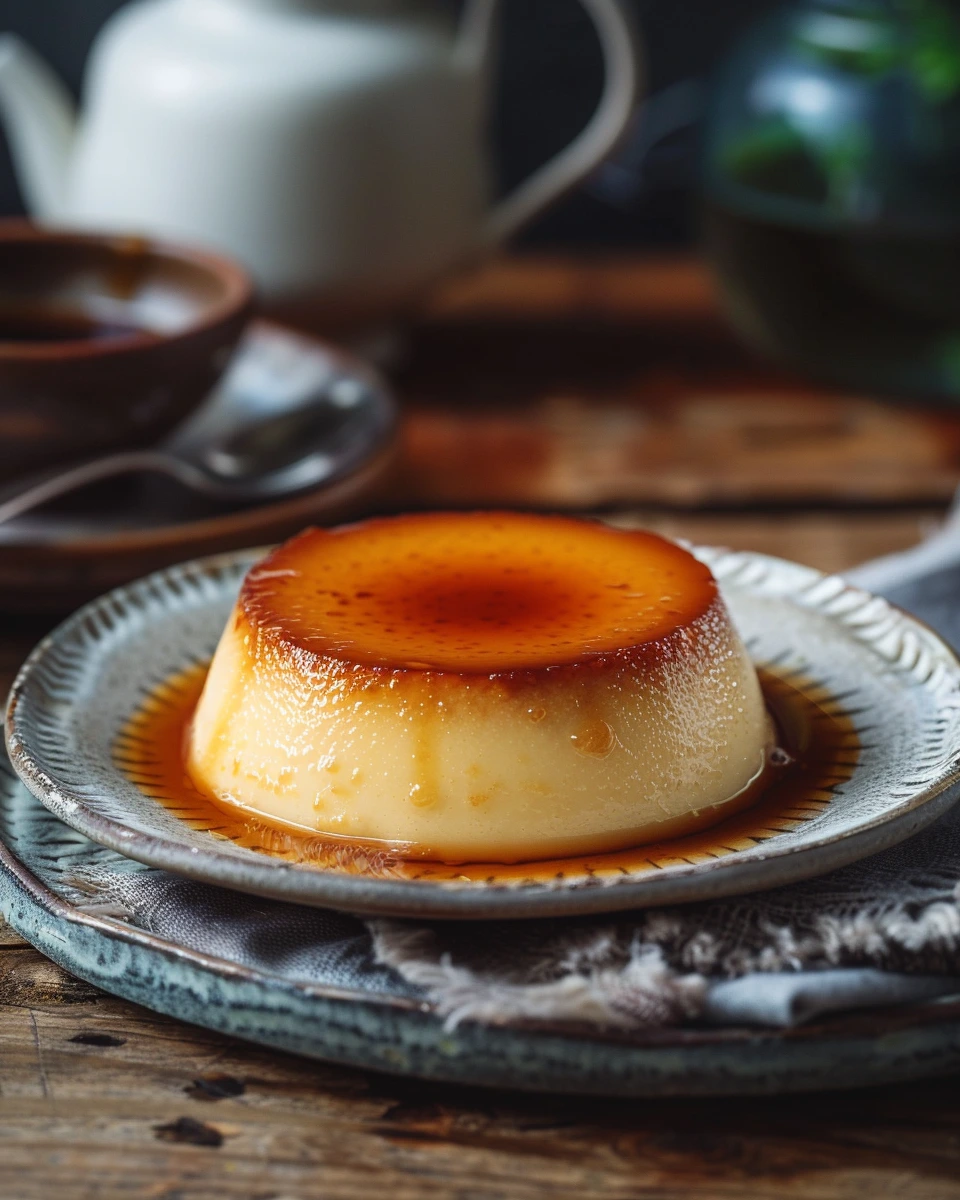
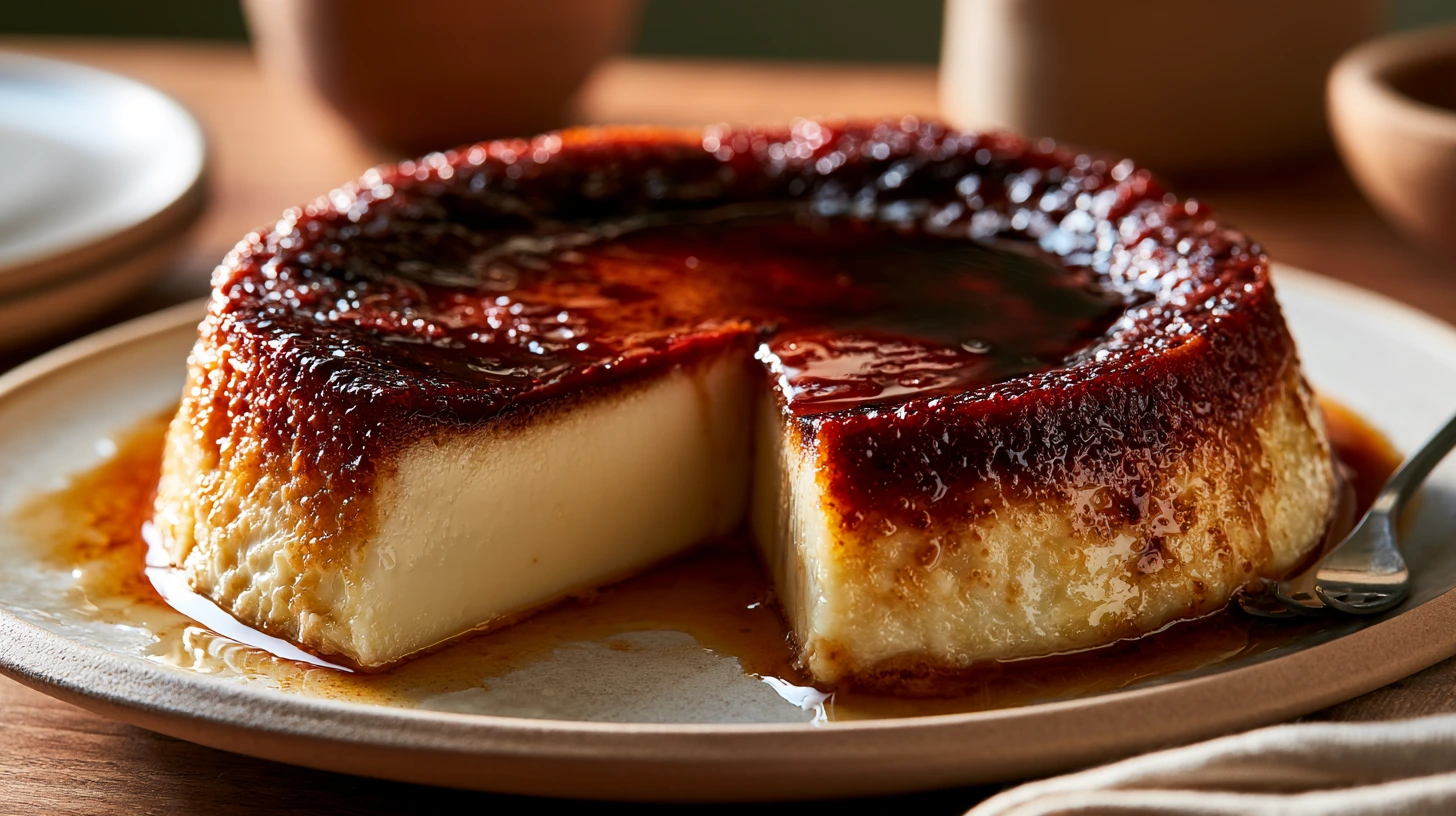
Crème Brûlée
Excellent pairing Dessert 4 hr

Crème Brûlée

Sauternes is the classic style for rich custards because it matches sweetness while acidity prevents heaviness.

Why it works honey, apricot and marmalade sit naturally with caramelised sugar
Tarta de Santiago
Excellent pairing Dessert 50 mins

Tarta de Santiago

Sauternes has the honeyed sweetness and acidity to match the richness of Tarta de Santiago.

Why it works apricot, honey and citrus balance almond or custard sweetness
Pastel de Tres Leches
Great pairing dessert 1 hr 45 mins

Pastel de Tres Leches

Chosen to balance Mexican chilli, lime, corn, herbs, richness and/or sweetness without overpowering the dish.

Why it works Acidity and fruit refresh the palate while matching the dish’s main flavour profile.
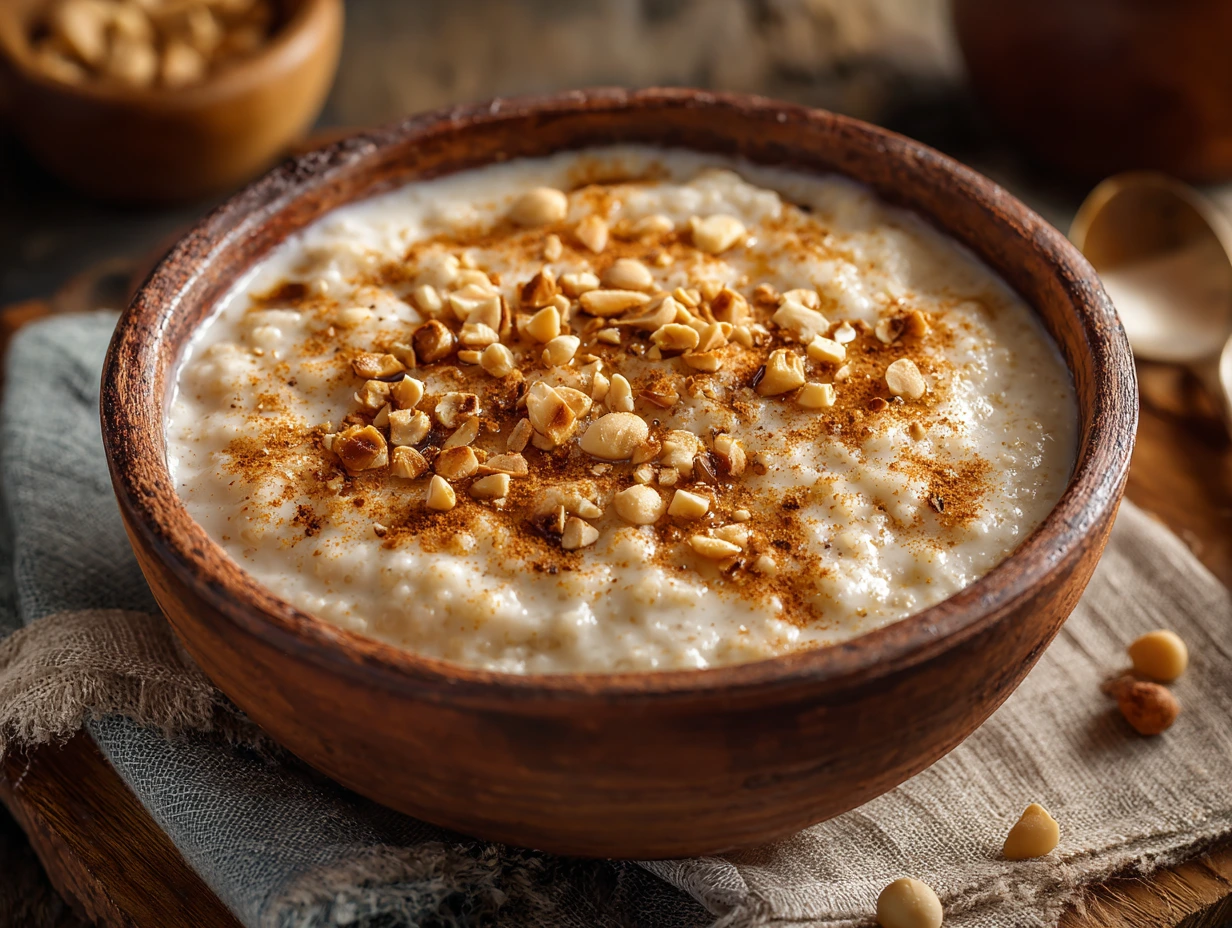
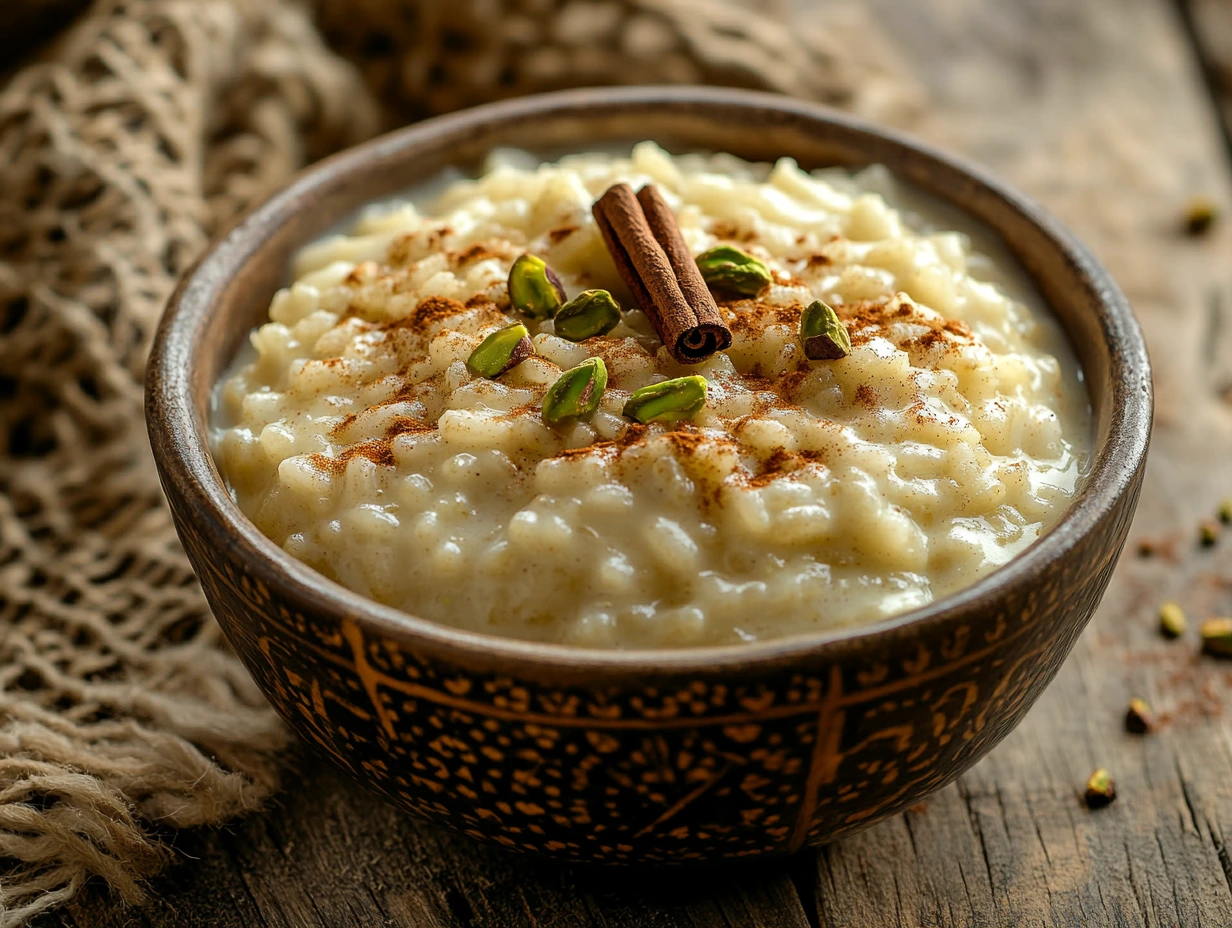
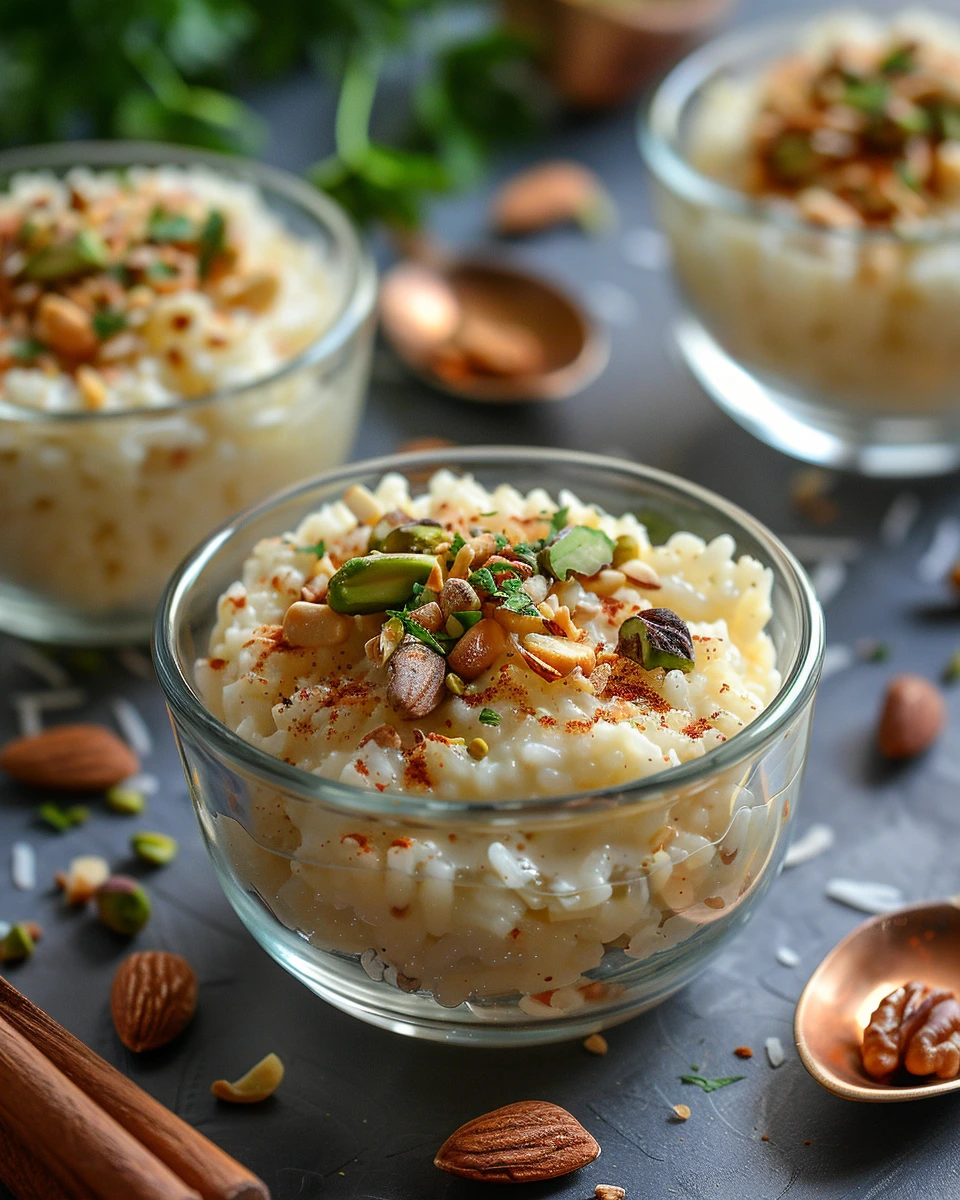
Arroz Doce
Great pairing Dessert 55 mins

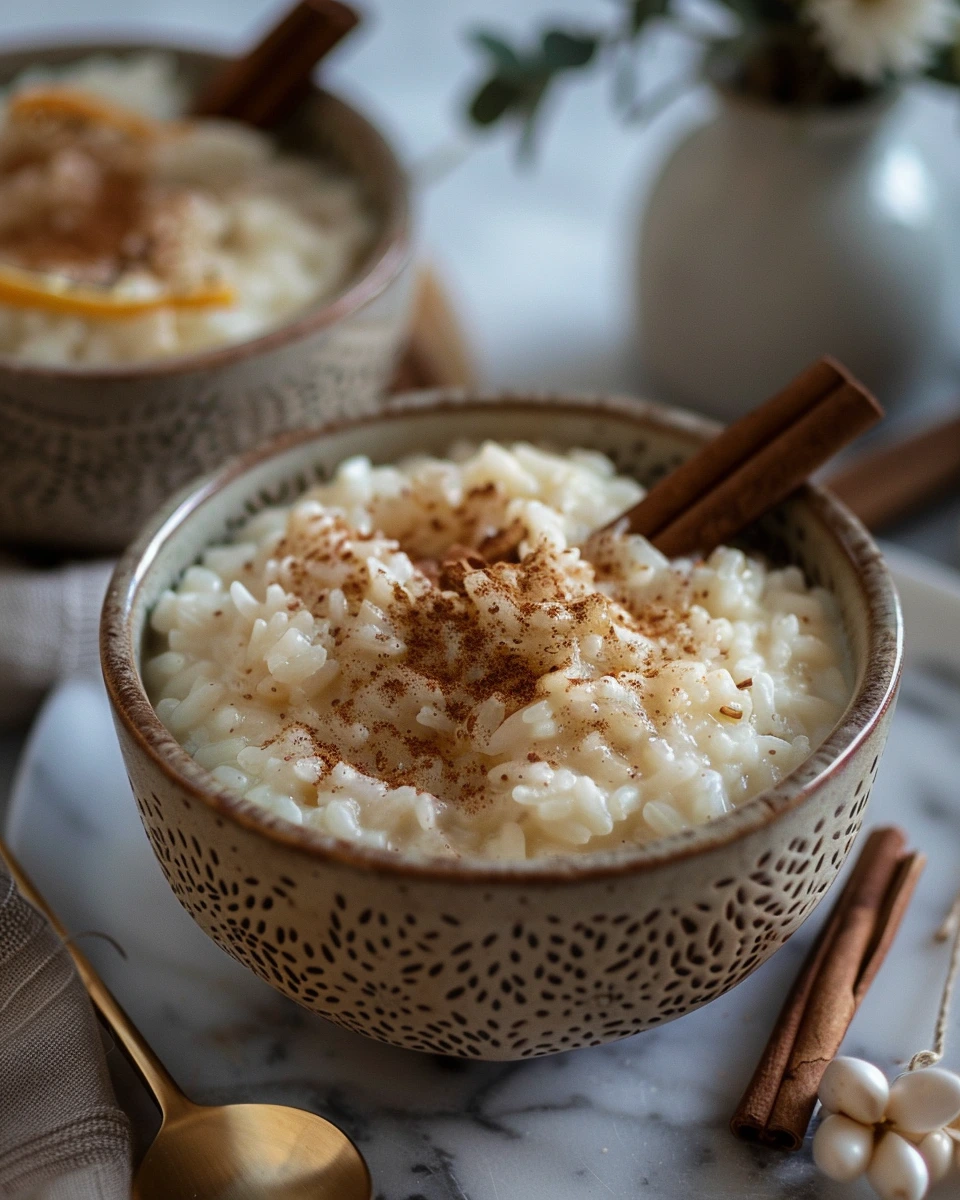
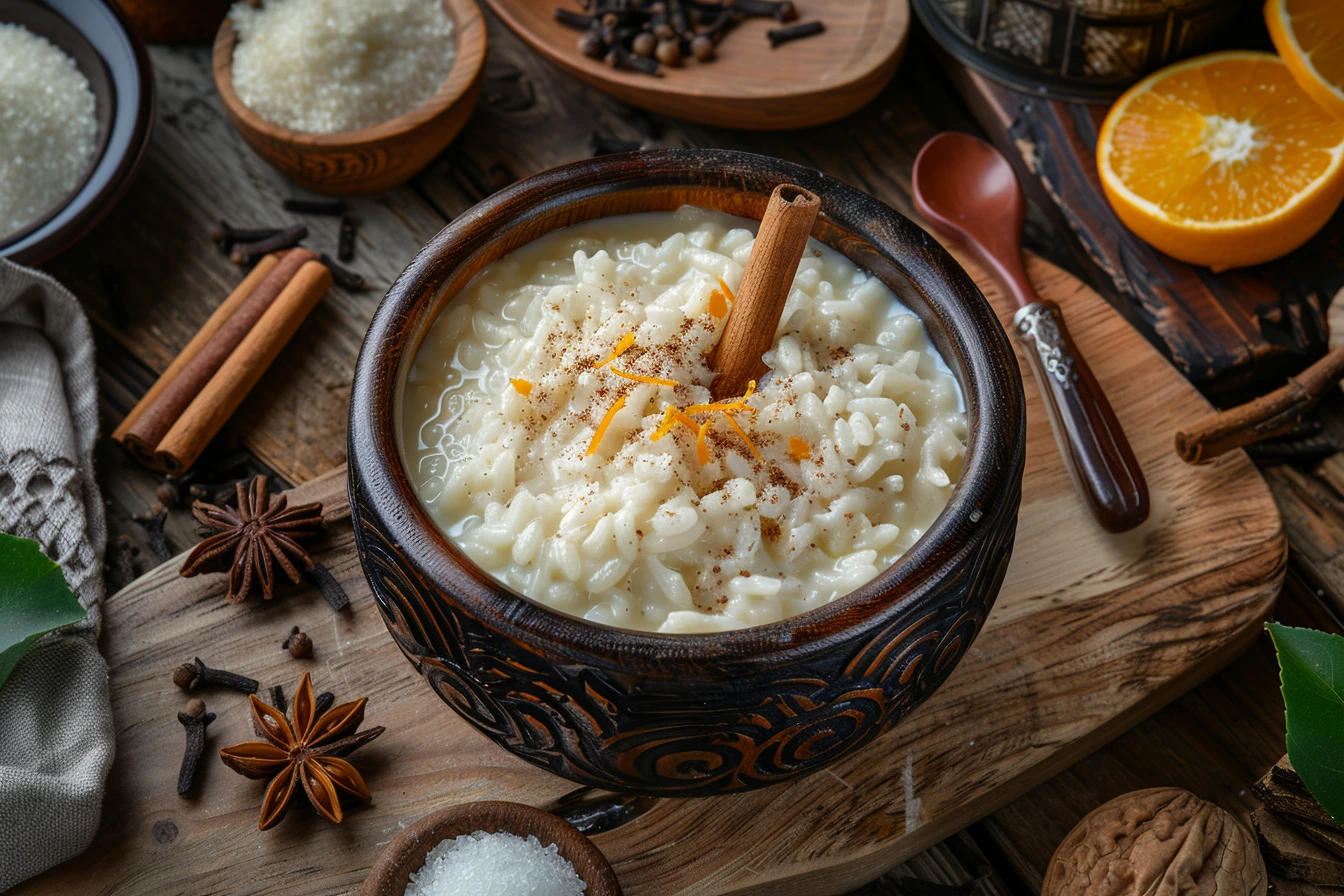
Arroz Doce

A botrytised sweet wine gives a honeyed alternative for custard and egg-based sweets.

Why it works honey and apricot support creamy sweetness
Baklava
Great pairing Dessert 1 hr 20 mins

Baklava

A botrytised sweet wine gives a richer option for custard, honey and nut desserts.

Why it works honeyed fruit meets sweet pastry
Galaktoboureko
Great pairing Dessert 1 hr 30 mins

Galaktoboureko

A botrytised sweet wine gives a richer option for custard, honey and nut desserts.

Why it works honeyed fruit meets sweet pastry
Loukoumades
Great pairing Dessert 50 mins

Loukoumades

A botrytised sweet wine gives a richer option for custard, honey and nut desserts.

Why it works honeyed fruit meets sweet pastry
Pastéis de Nata
Great pairing Dessert 40 mins

Pastéis de Nata

A botrytised sweet wine gives a honeyed alternative for custard and egg-based sweets.

Why it works honey and apricot support creamy sweetness
Spotted Dick
Great pairing Dessert 1 hr 50 mins

Spotted Dick

Sauternes gives a honeyed alternative for custard, syrup and pastry-led desserts.

Why it works honey and marmalade notes lift the pudding
Sticky Toffee Pudding
Great pairing Dessert 1 hr

Sticky Toffee Pudding

Sauternes gives a honeyed alternative for custard, syrup and pastry-led desserts.

Why it works honey and marmalade notes lift the pudding
Toucinho do Céu
Great pairing Dessert 1 hr

Toucinho do Céu

A botrytised sweet wine gives a honeyed alternative for custard and egg-based sweets.

Why it works honey and apricot support creamy sweetness
Treacle Tart
Great pairing Dessert 45 mins

Treacle Tart

Sauternes gives a honeyed alternative for custard, syrup and pastry-led desserts.

Why it works honey and marmalade notes lift the pudding