Why Polish cuisine is worth exploring
Polish cuisine developed through a cold climate, farming, forest produce, Catholic fasting traditions and the shifting borders of the Polish-Lithuanian Commonwealth. Jewish, German, Ukrainian, Lithuanian and other neighbouring influences all left important marks.
Why it is famous
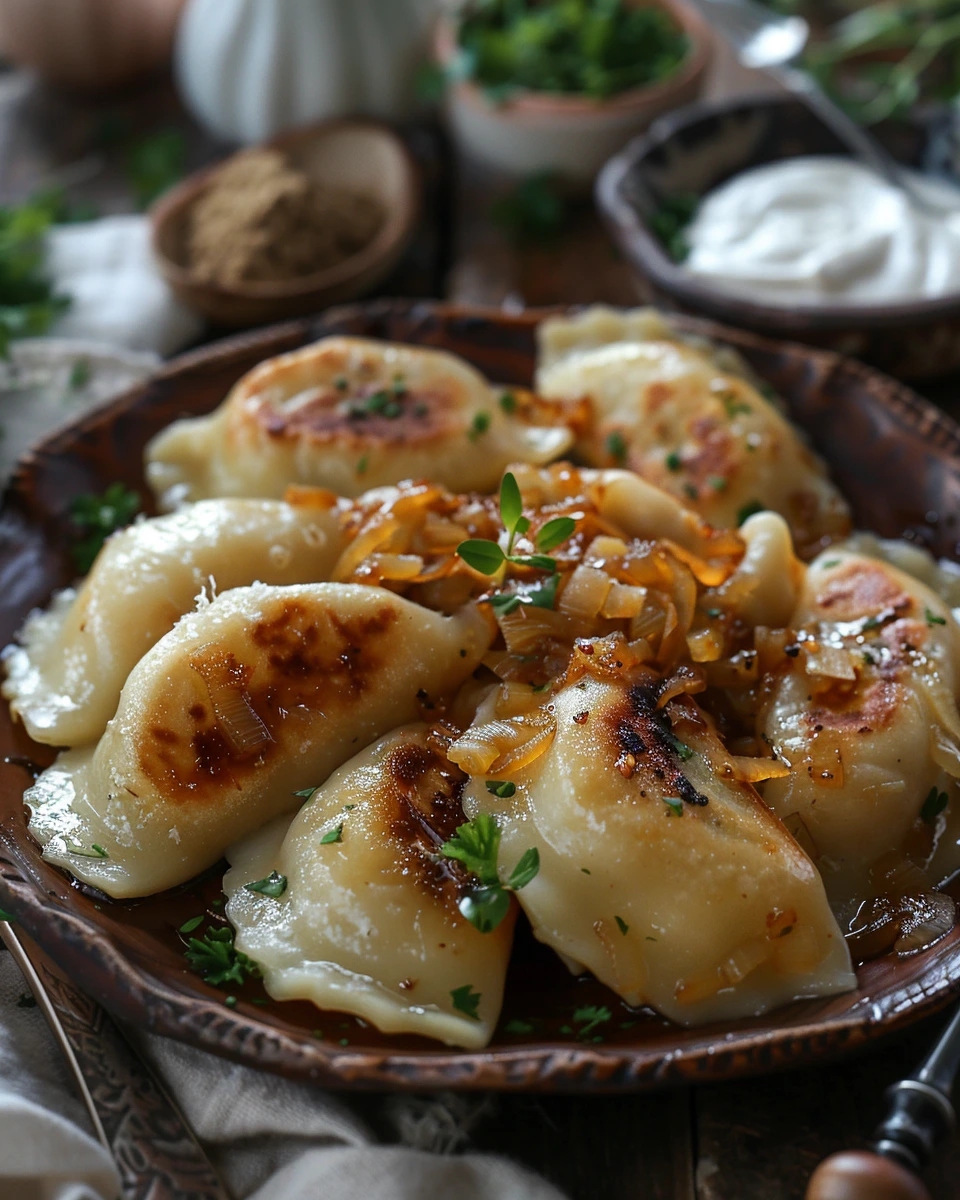
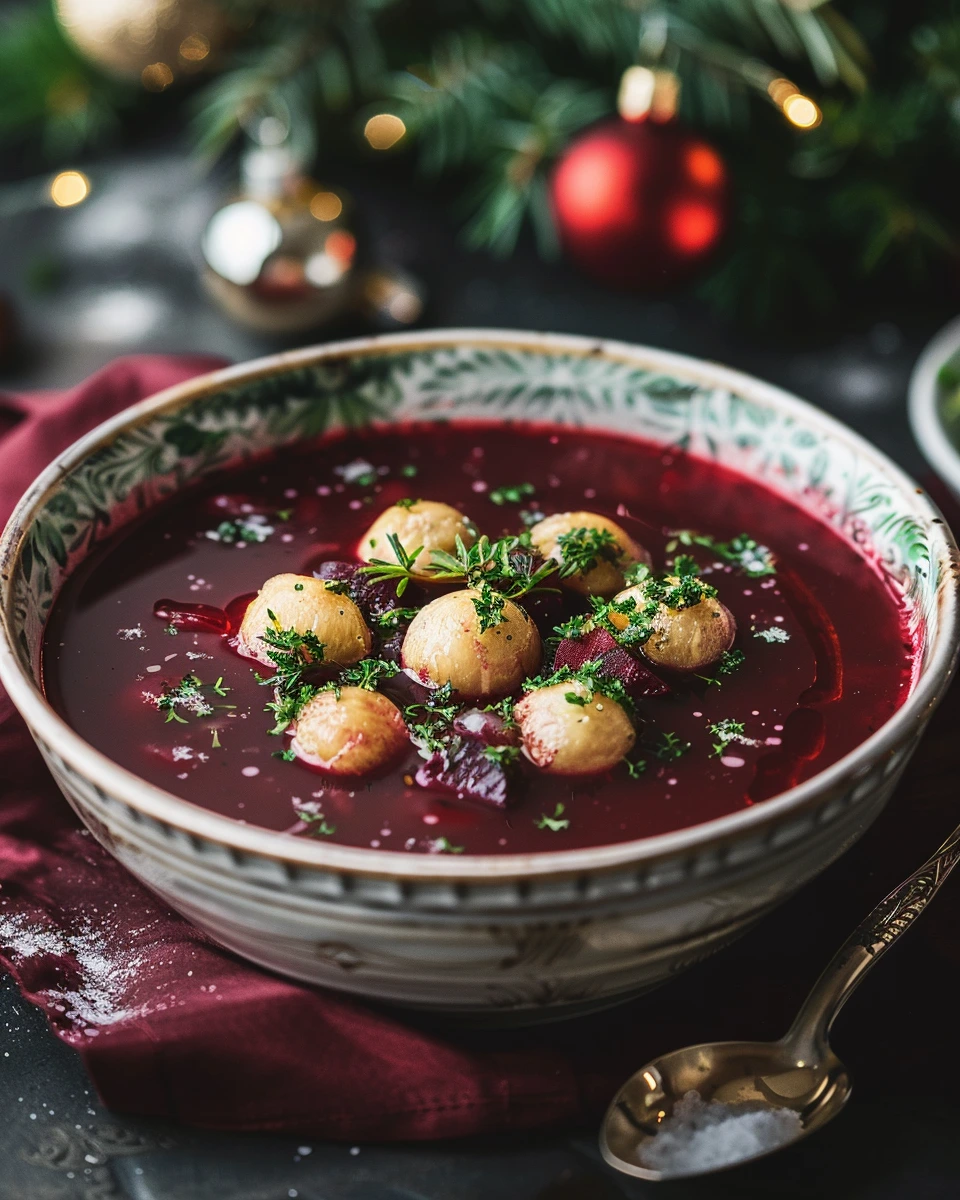
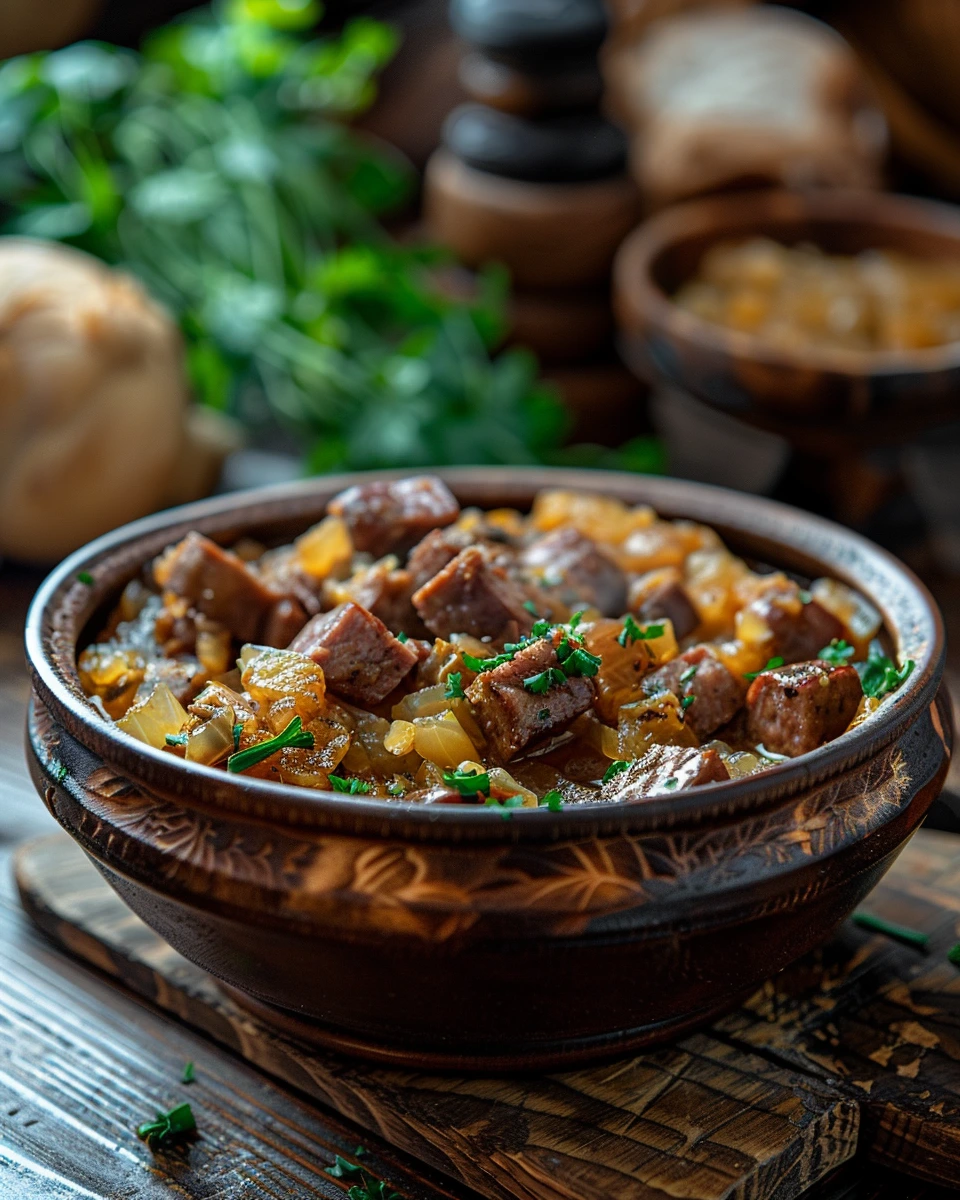
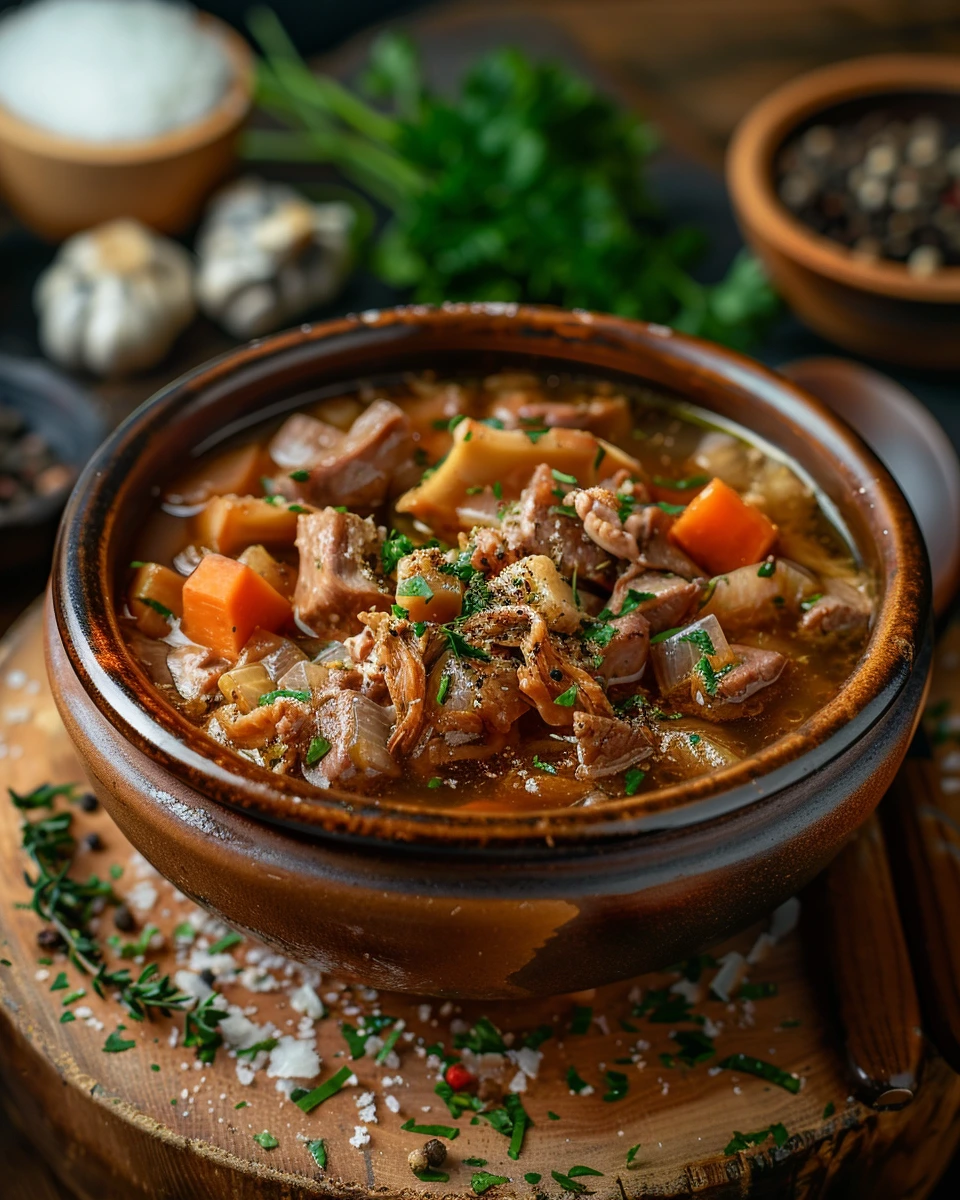
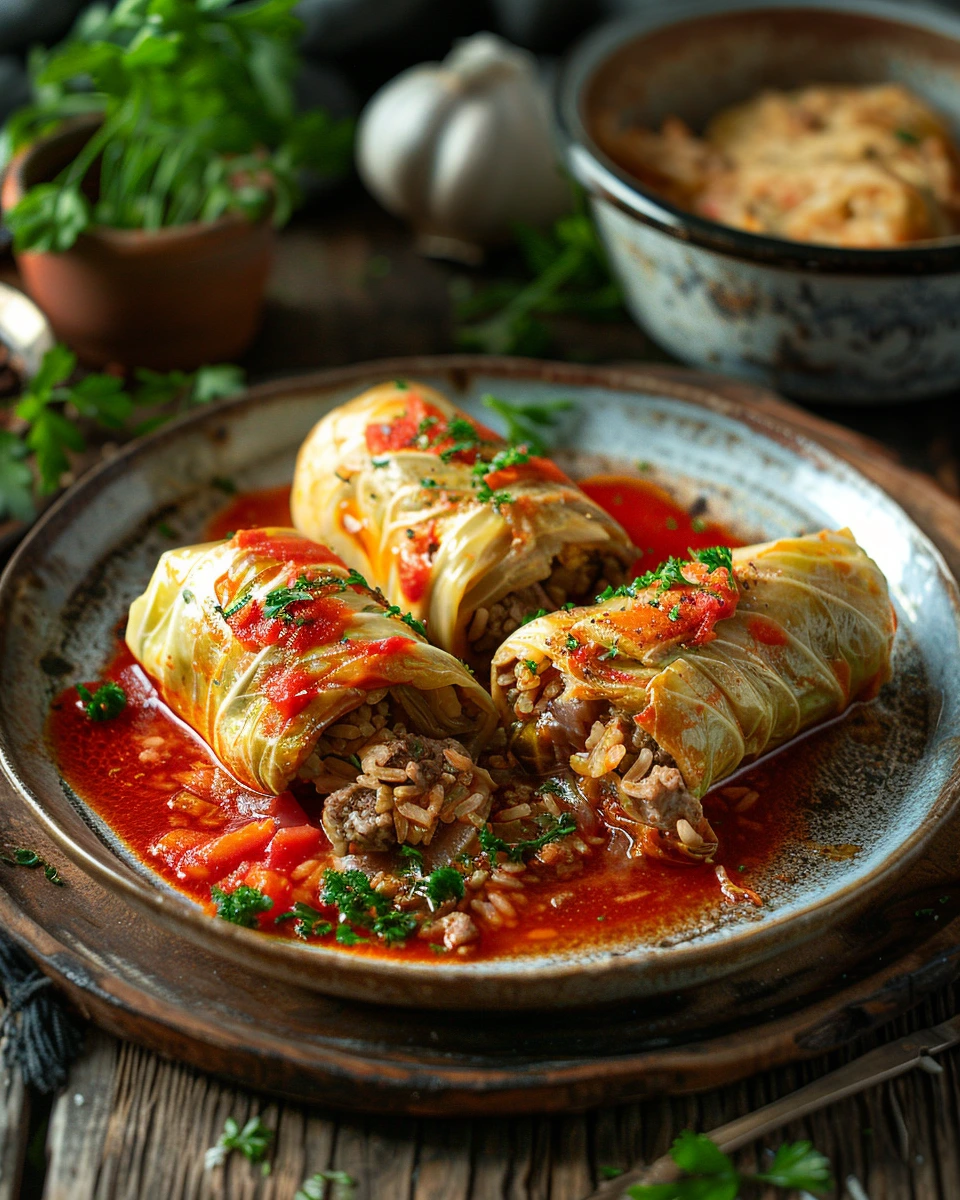
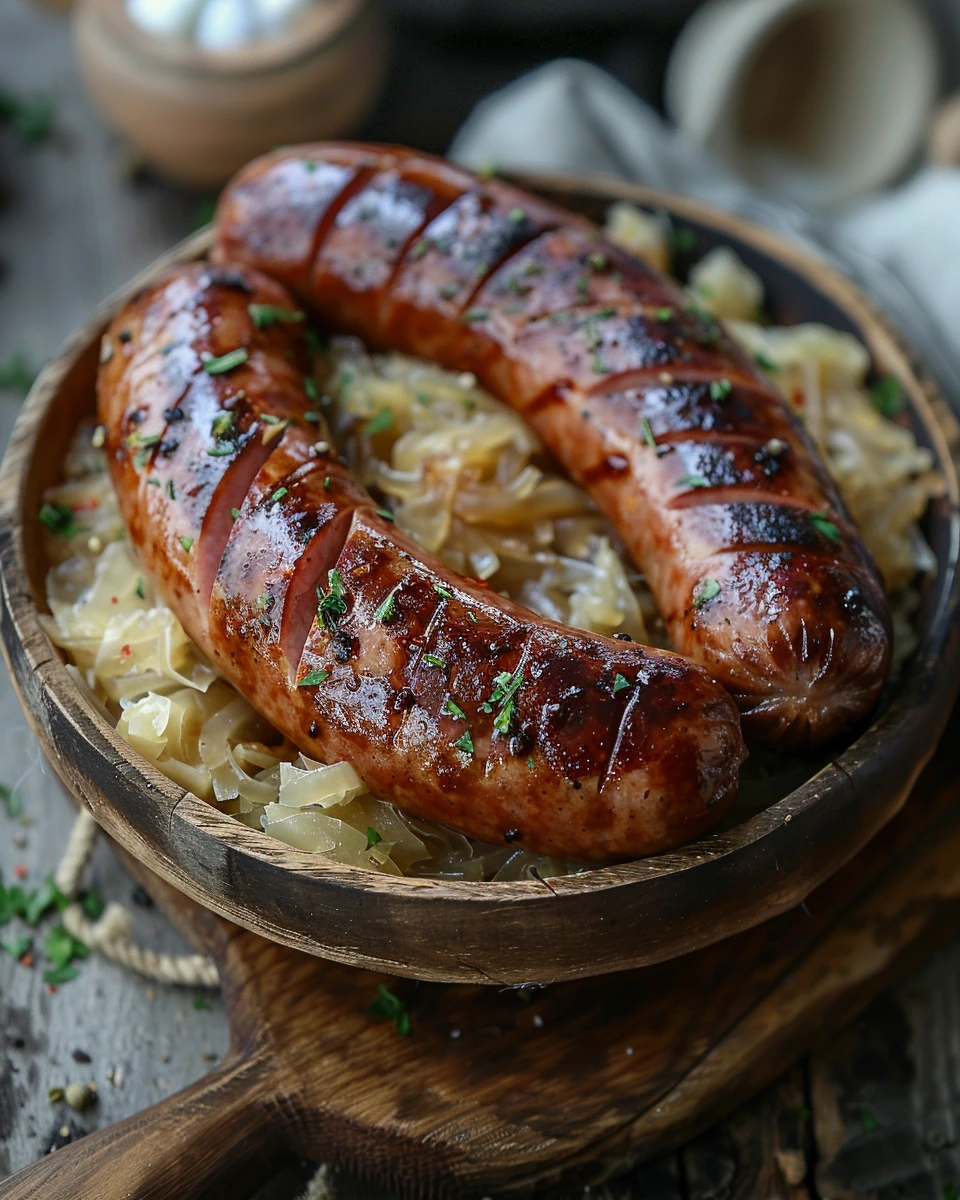
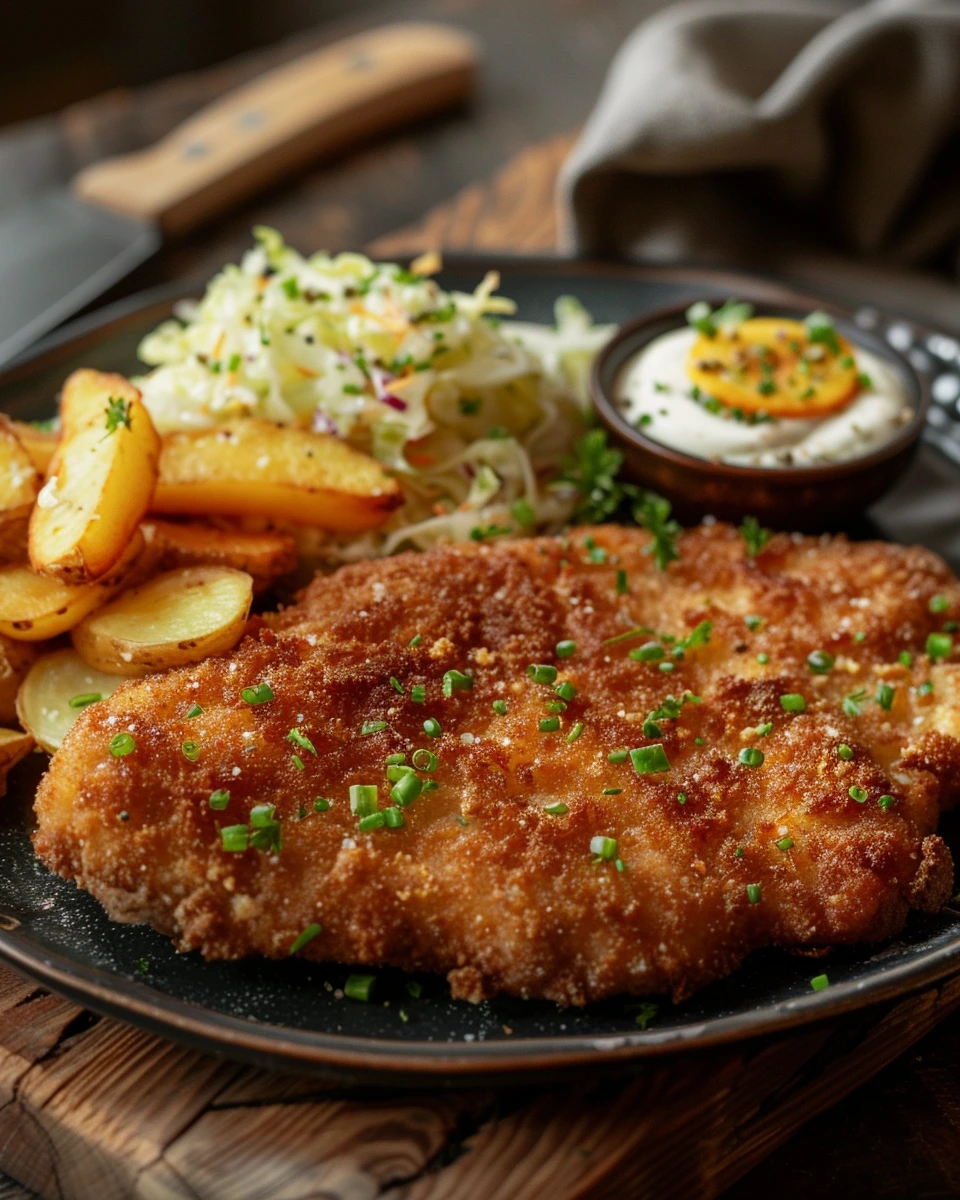
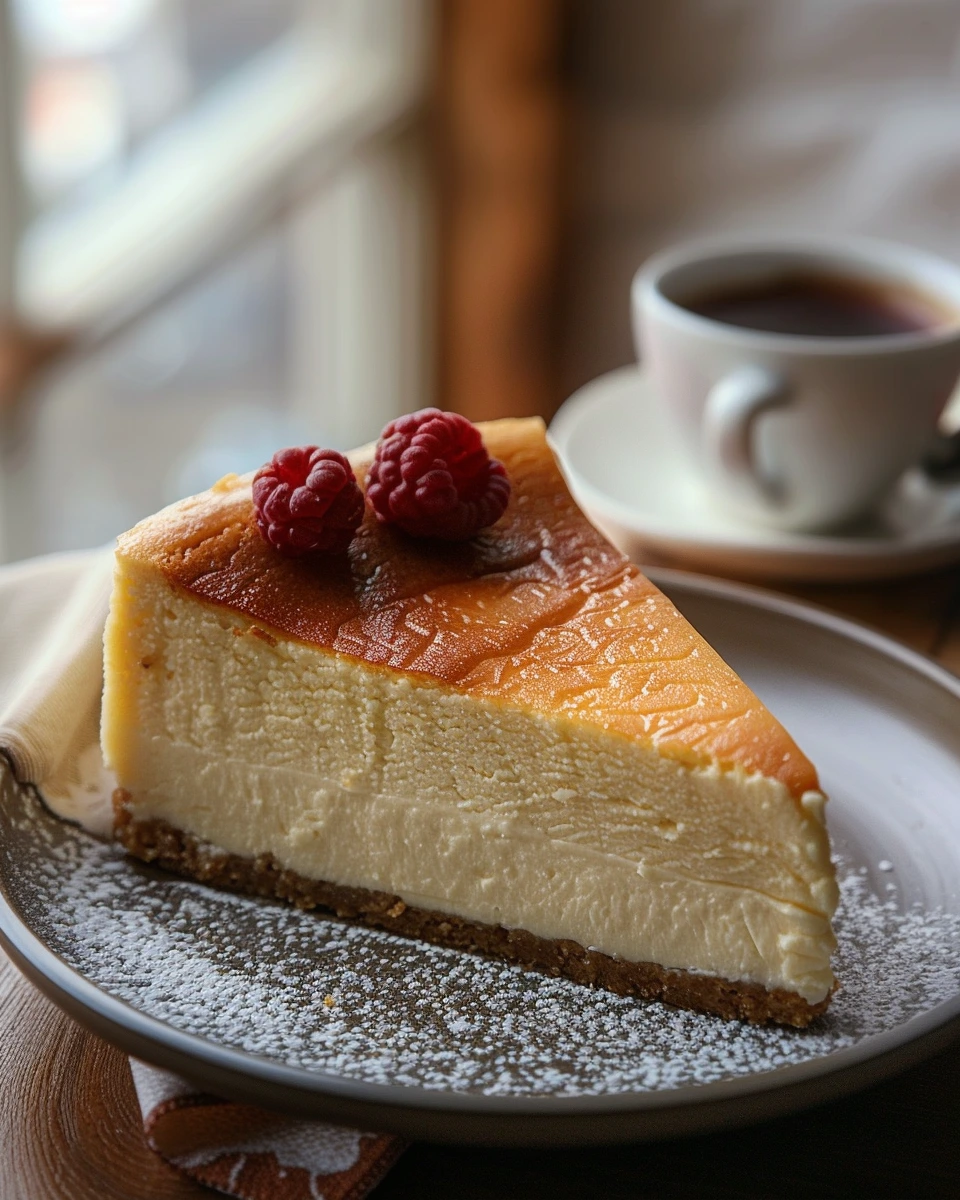
Among the dishes and traditions most associated with Polish cuisine are pierogi, bigos, żurek, gołąbki, kotlet schabowy, sausages, pickles and poppy-seed pastries. They became famous for good reason, but they make more sense when seen as part of a wider food culture shaped by place, season and the way people actually eat at home.
Regional food story
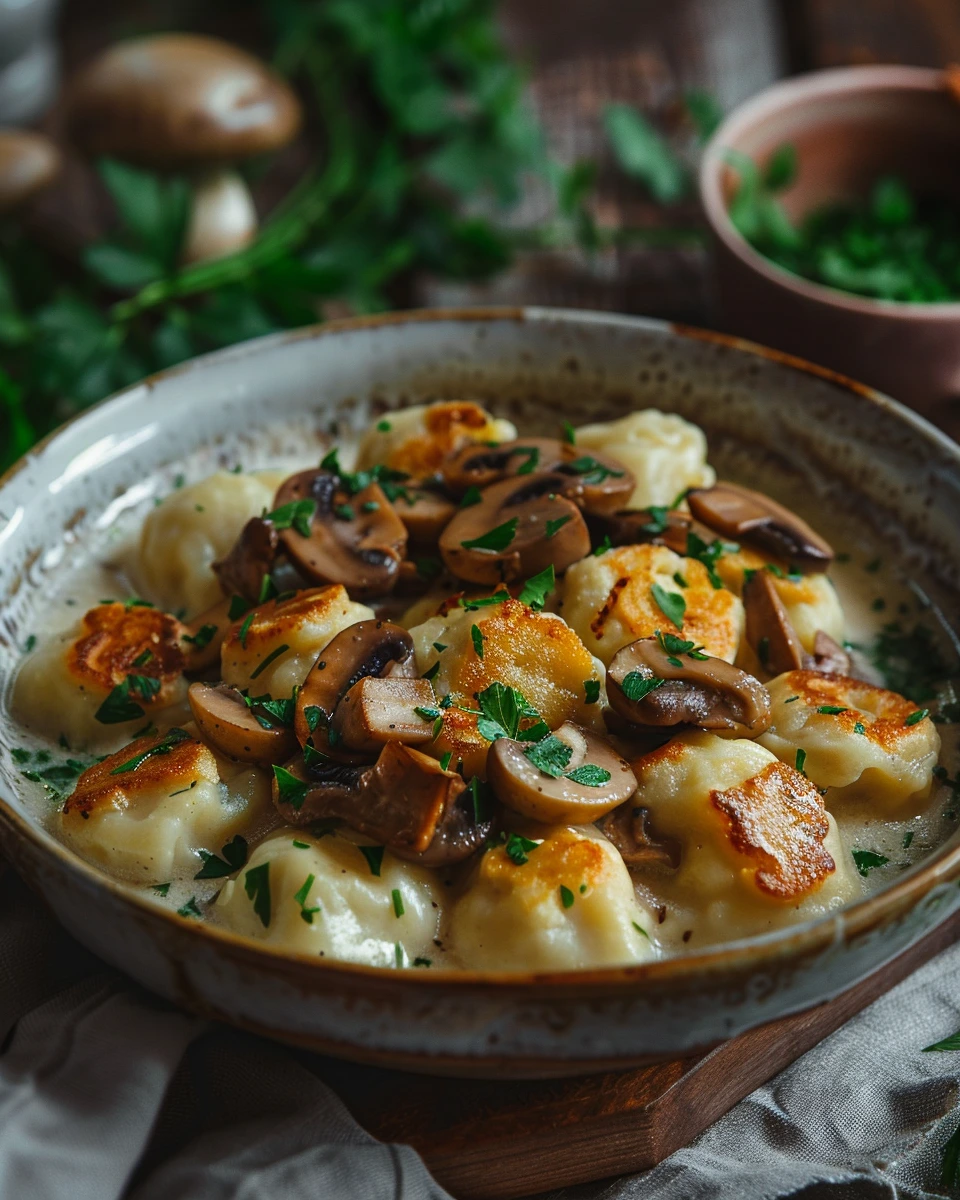
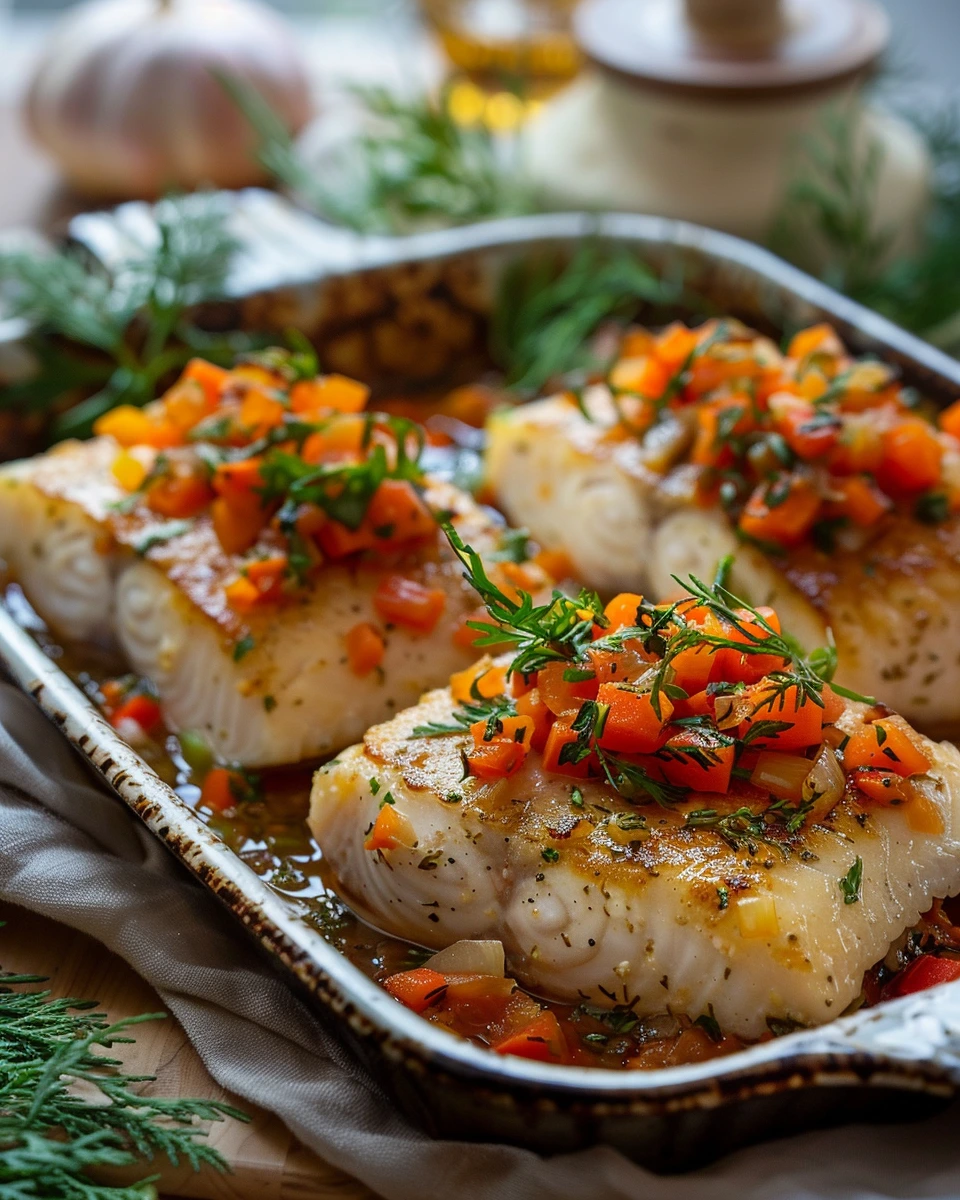
The east has stronger buckwheat and borderland influences; Silesia is known for dumplings and hearty meat dishes; Kashubia has a strong fish tradition; Podhale mountain cooking uses sheep's cheese; cities such as Kraków and Warsaw developed distinct urban food cultures.