Bigos: the story on the plate
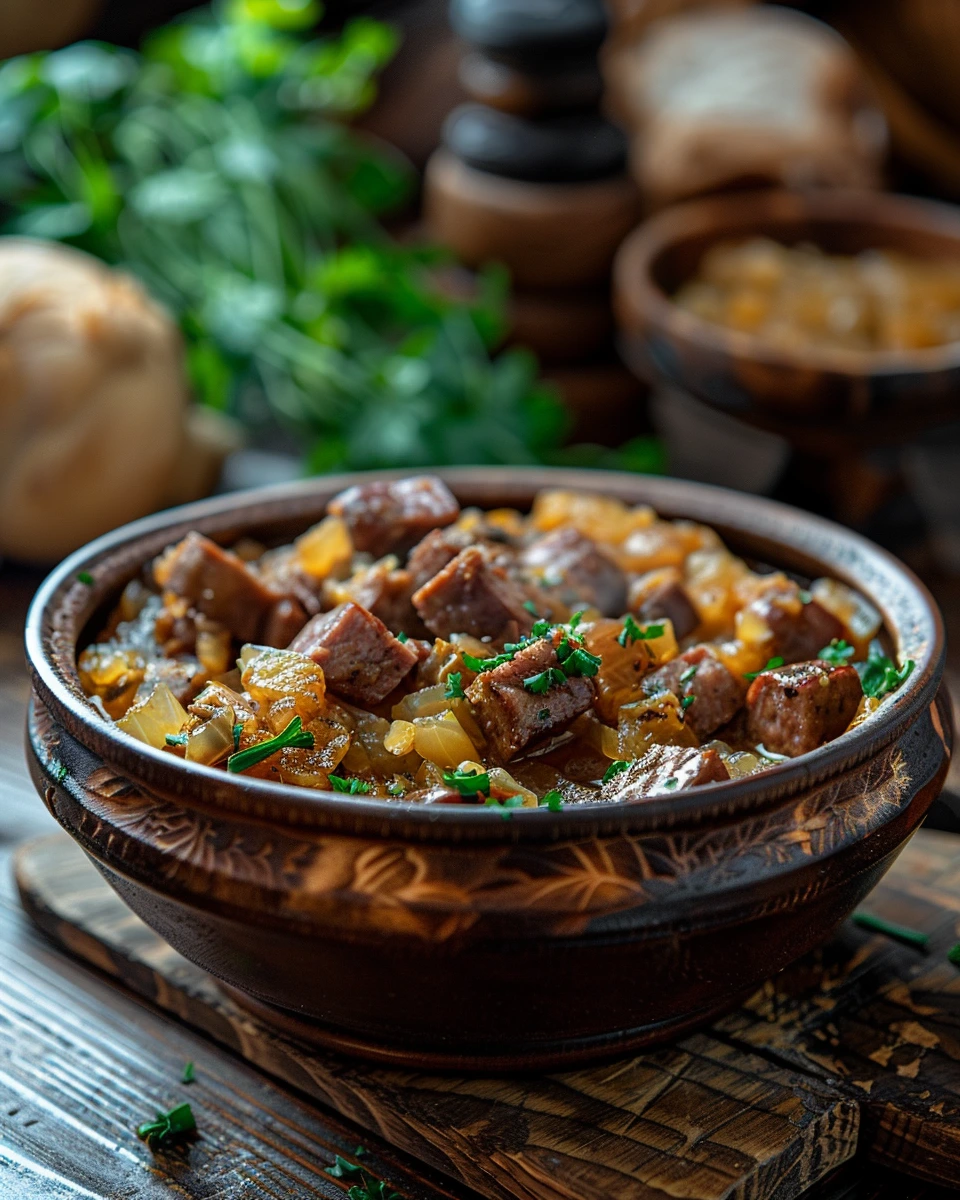
Bigos developed over centuries as a flexible noble, hunting and household stew. Earlier versions were more meat-heavy; sauerkraut and cabbage became defining ingredients as the dish evolved. The dish is recognised for a long-cooked hunter's stew of sauerkraut, fresh cabbage, meats, mushrooms and spices. Its success depends on preserving the contrast between the principal ingredient, seasoning and finished texture rather than allowing one element to dominate. It is a national comfort dish that improves with reheating and is especially associated with winter, Christmas and large family gatherings.
Historical background
Bigos developed over centuries as a flexible noble, hunting and household stew. Earlier versions were more meat-heavy; sauerkraut and cabbage became defining ingredients as the dish evolved.
Why it is famous
The dish is recognised for a long-cooked hunter's stew of sauerkraut, fresh cabbage, meats, mushrooms and spices. Its success depends on preserving the contrast between the principal ingredient, seasoning and finished texture rather than allowing one element to dominate.
Cultural significance
It is a national comfort dish that improves with reheating and is especially associated with winter, Christmas and large family gatherings.