Kotlet Schabowy: the story on the plate
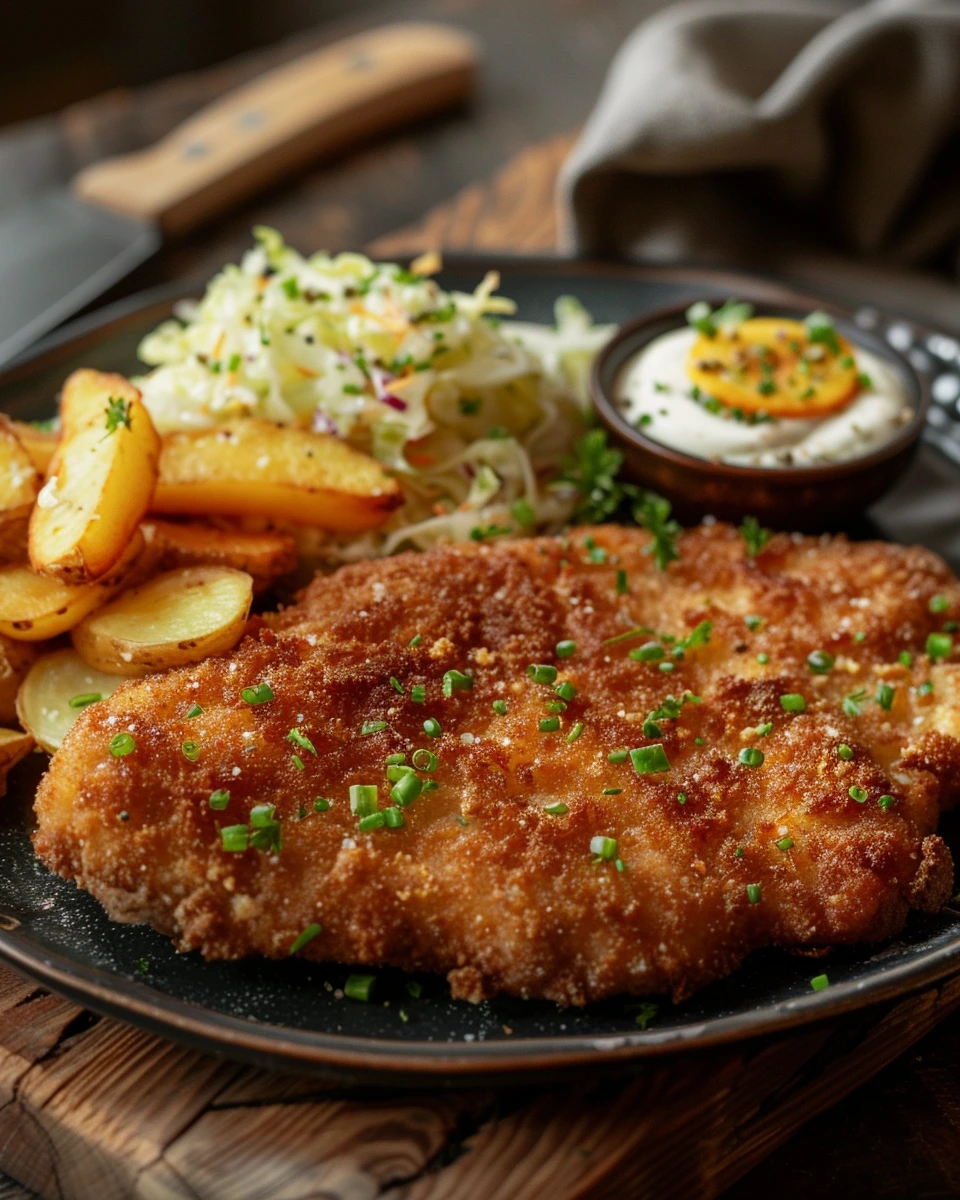
Kotlet Schabowy became prominent in Poland in the nineteenth century and resembles the Viennese schnitzel tradition, adapted to more widely available pork. Its success depends on thin, even meat and a dry, crisp crumb. Its defining character comes from a thin pork cutlet breaded and fried until crisp, usually served with potatoes and cabbage. The best versions taste focused: the main ingredient remains obvious while acidity, spice, sweetness or richness supports it. It is one of the archetypal Polish Sunday lunches and a staple of home kitchens and traditional restaurants.
Historical background
Kotlet Schabowy became prominent in Poland in the nineteenth century and resembles the Viennese schnitzel tradition, adapted to more widely available pork. Its success depends on thin, even meat and a dry, crisp crumb.
Why it is famous
Its defining character comes from a thin pork cutlet breaded and fried until crisp, usually served with potatoes and cabbage. The best versions taste focused: the main ingredient remains obvious while acidity, spice, sweetness or richness supports it.
Cultural significance
It is one of the archetypal Polish Sunday lunches and a staple of home kitchens and traditional restaurants.