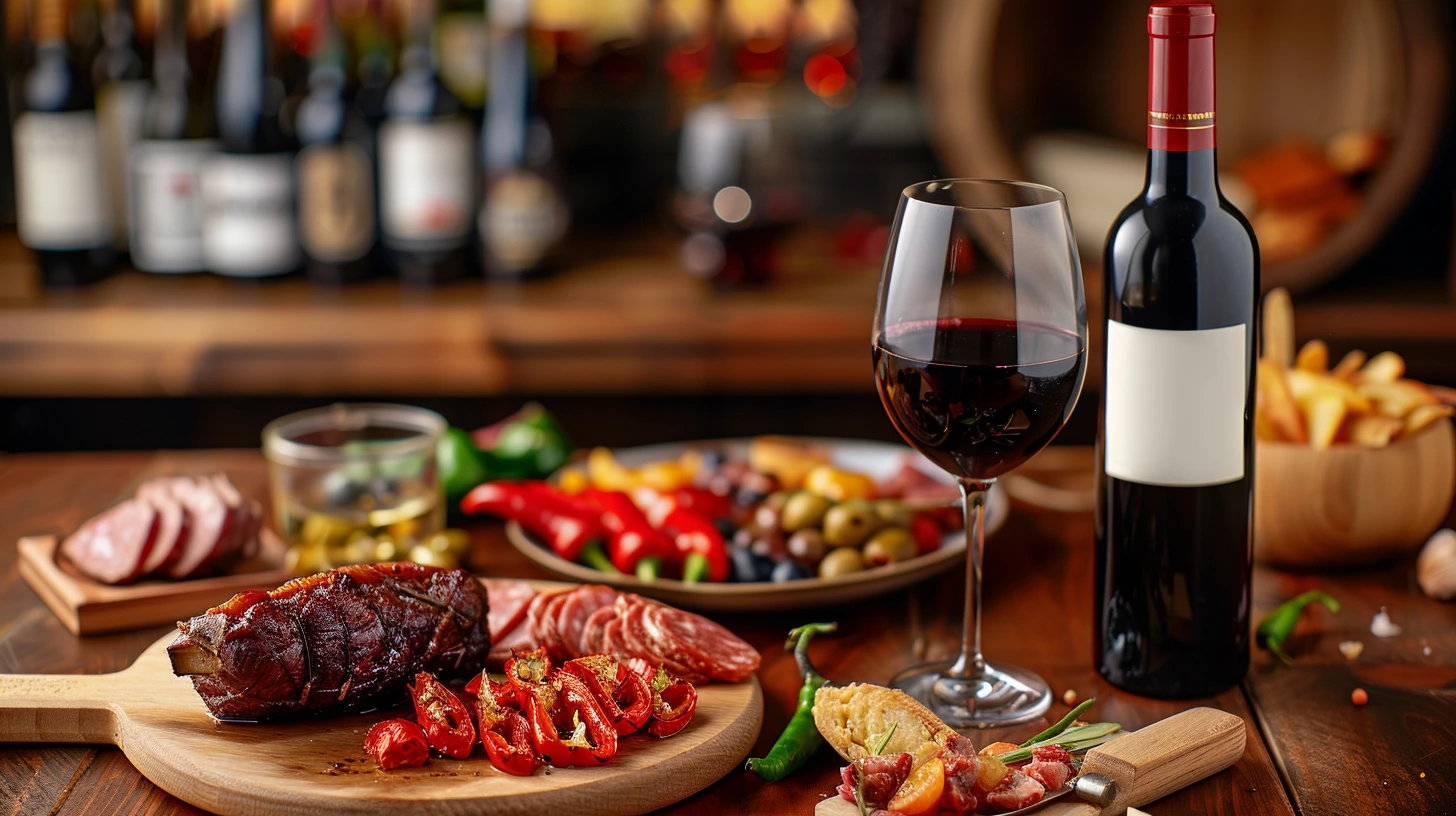
Why Moroccan cuisine is worth exploring
Moroccan cuisine was shaped by Amazigh foundations, Arab migration, Andalusi refugees, trans-Saharan exchange and Mediterranean trade. Spices, preserved ingredients and slow-cooked dishes developed alongside couscous traditions and a strong culture of hospitality.
Why it is famous
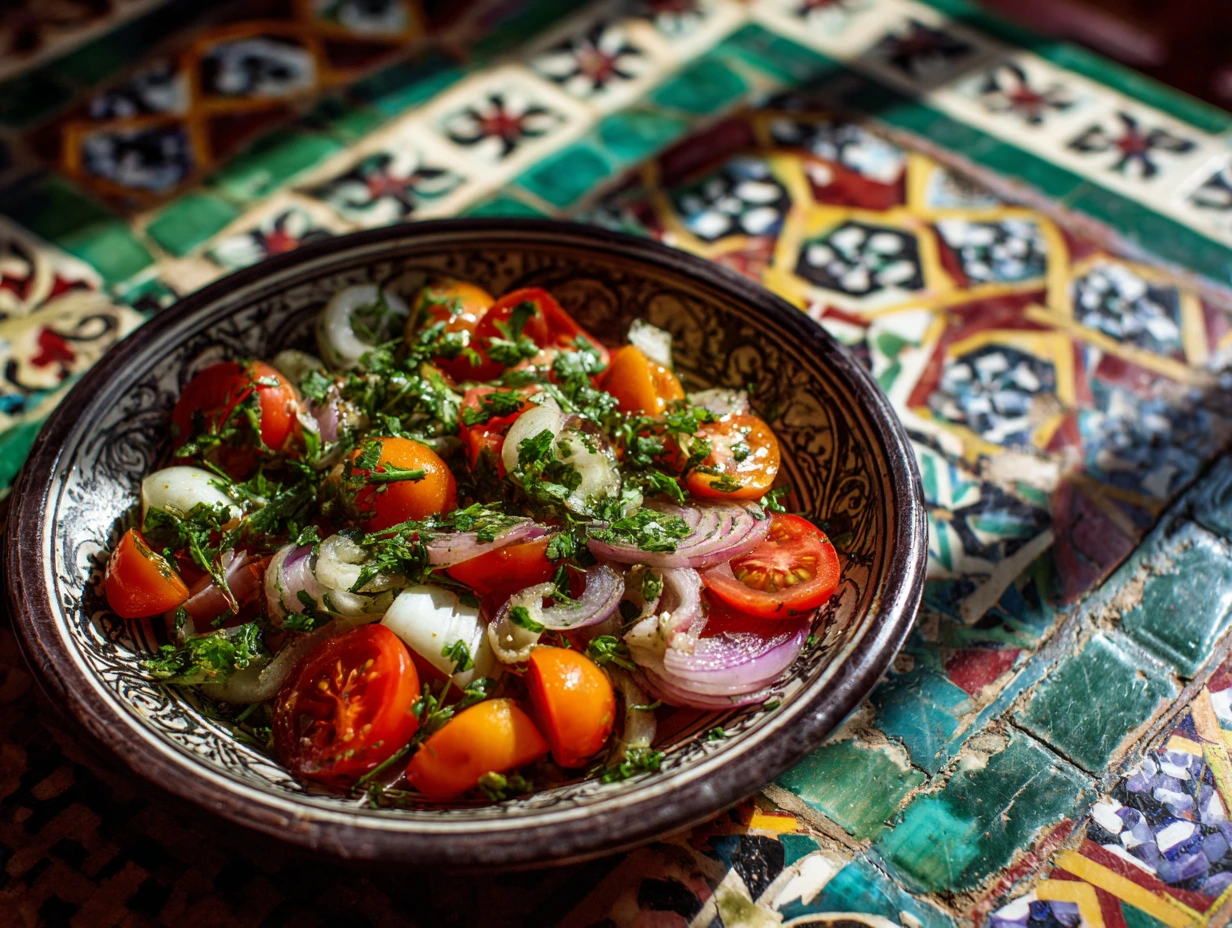
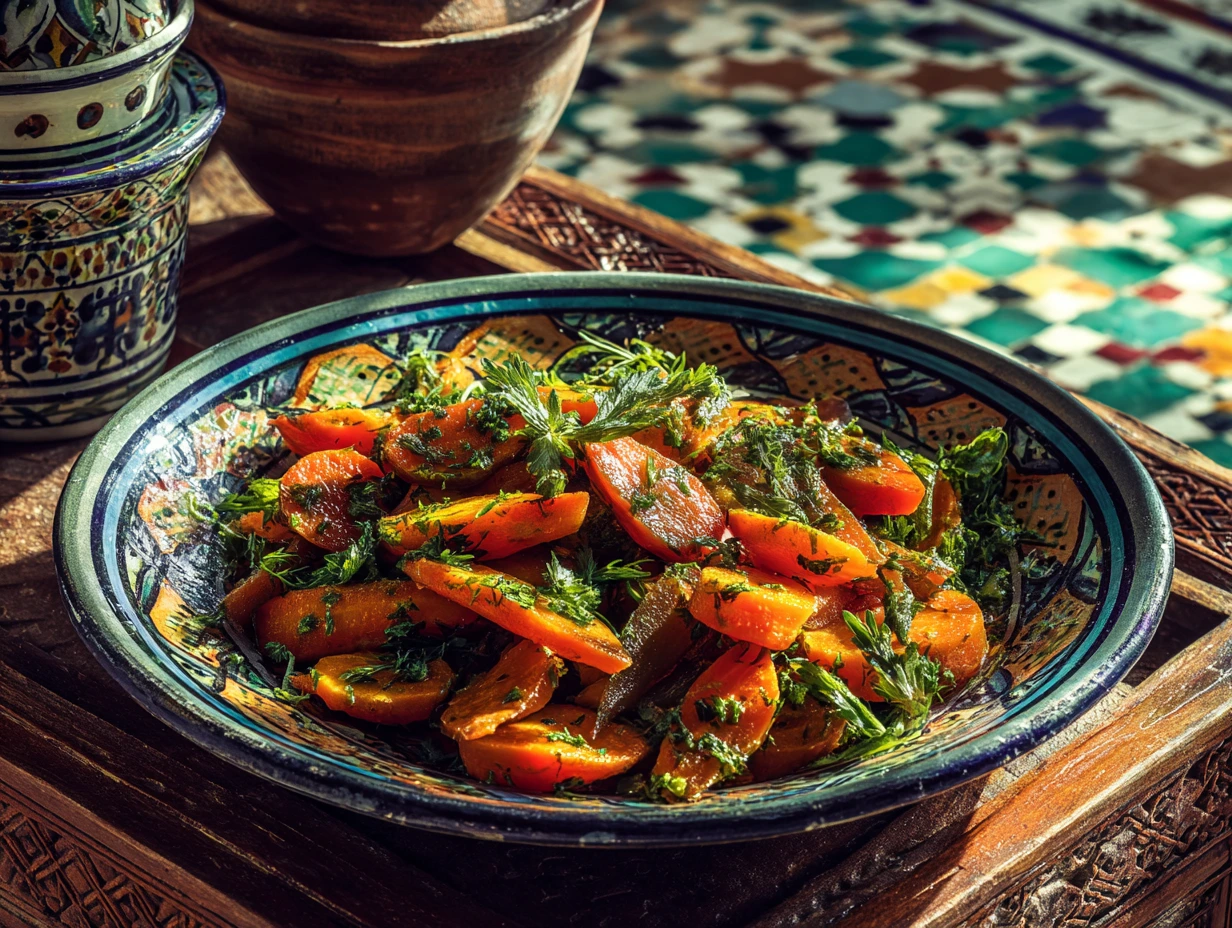
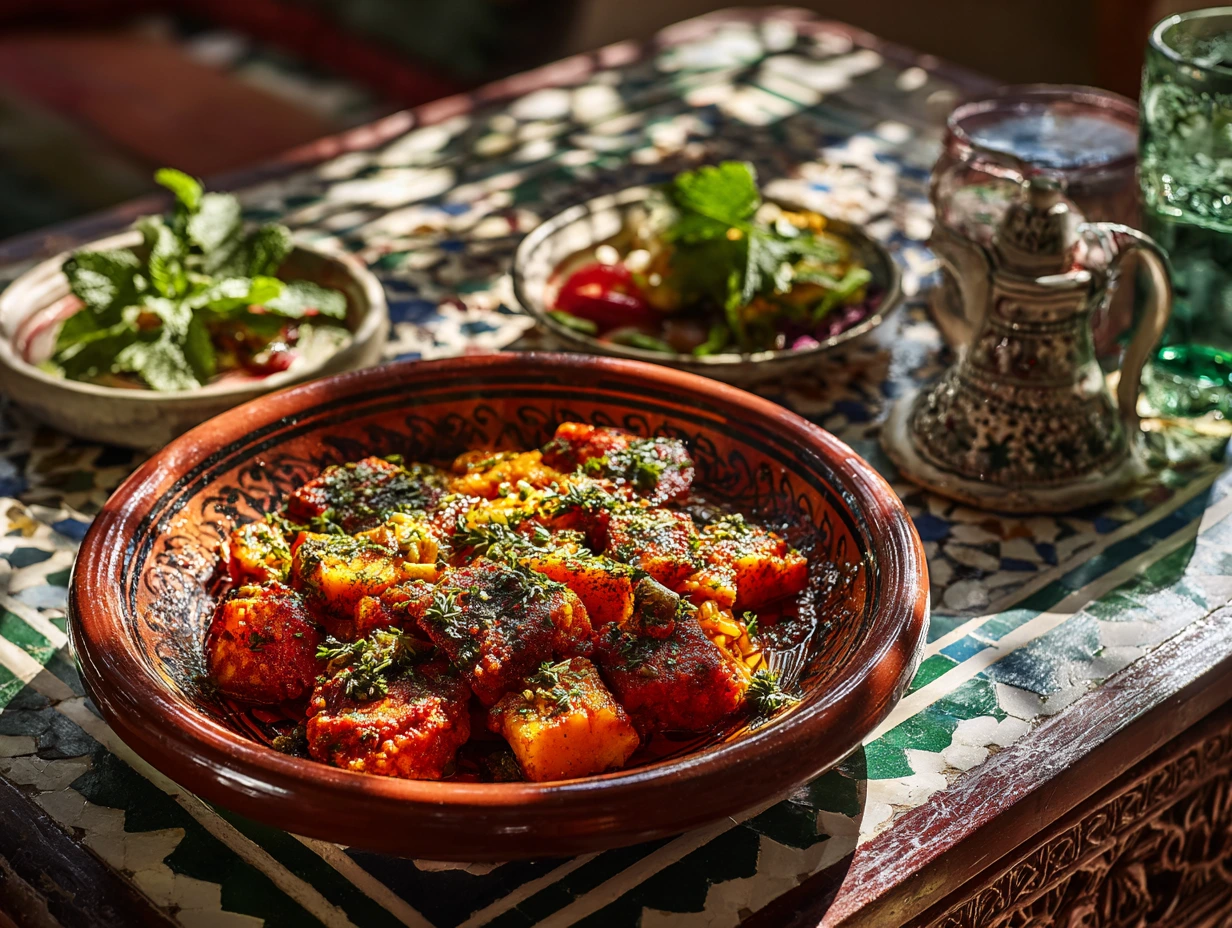
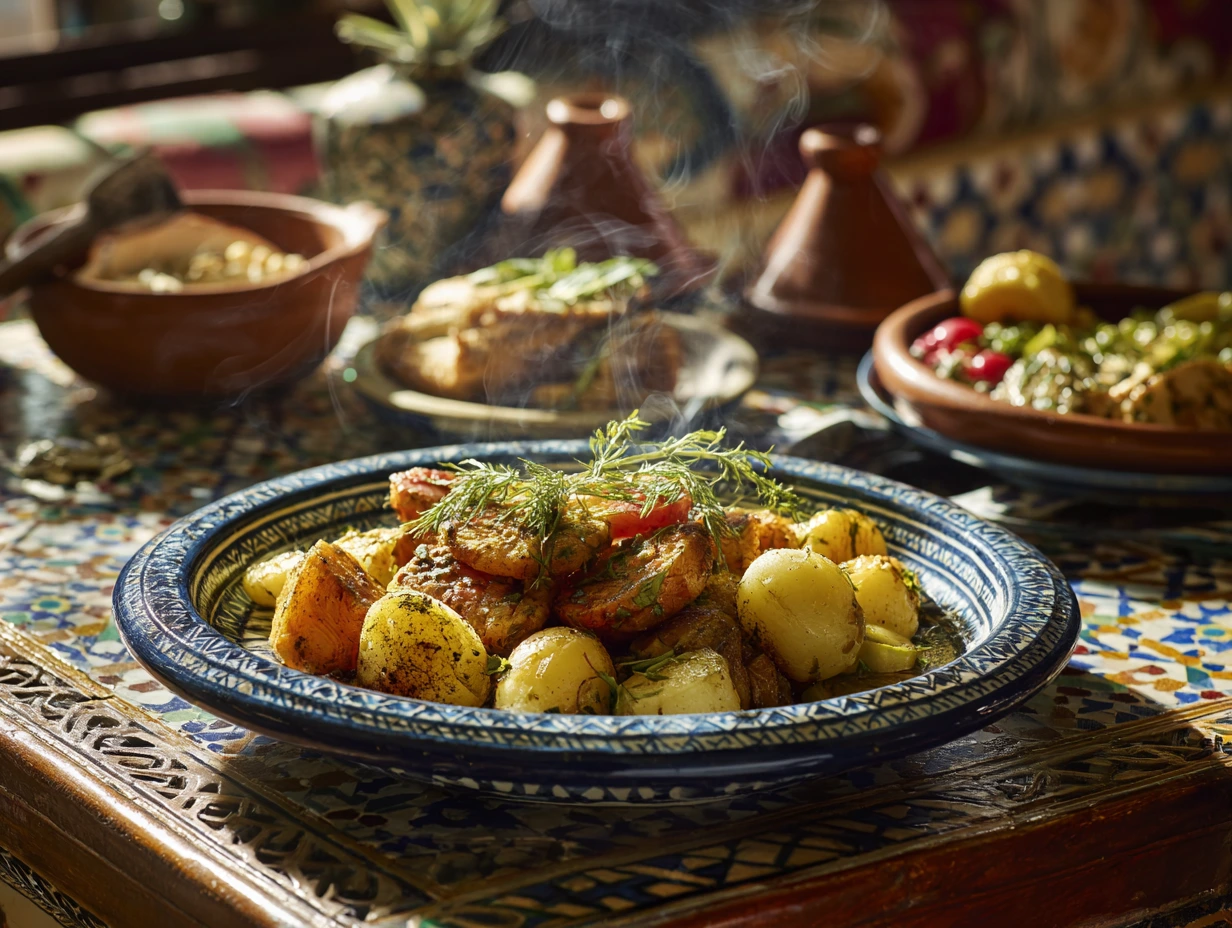
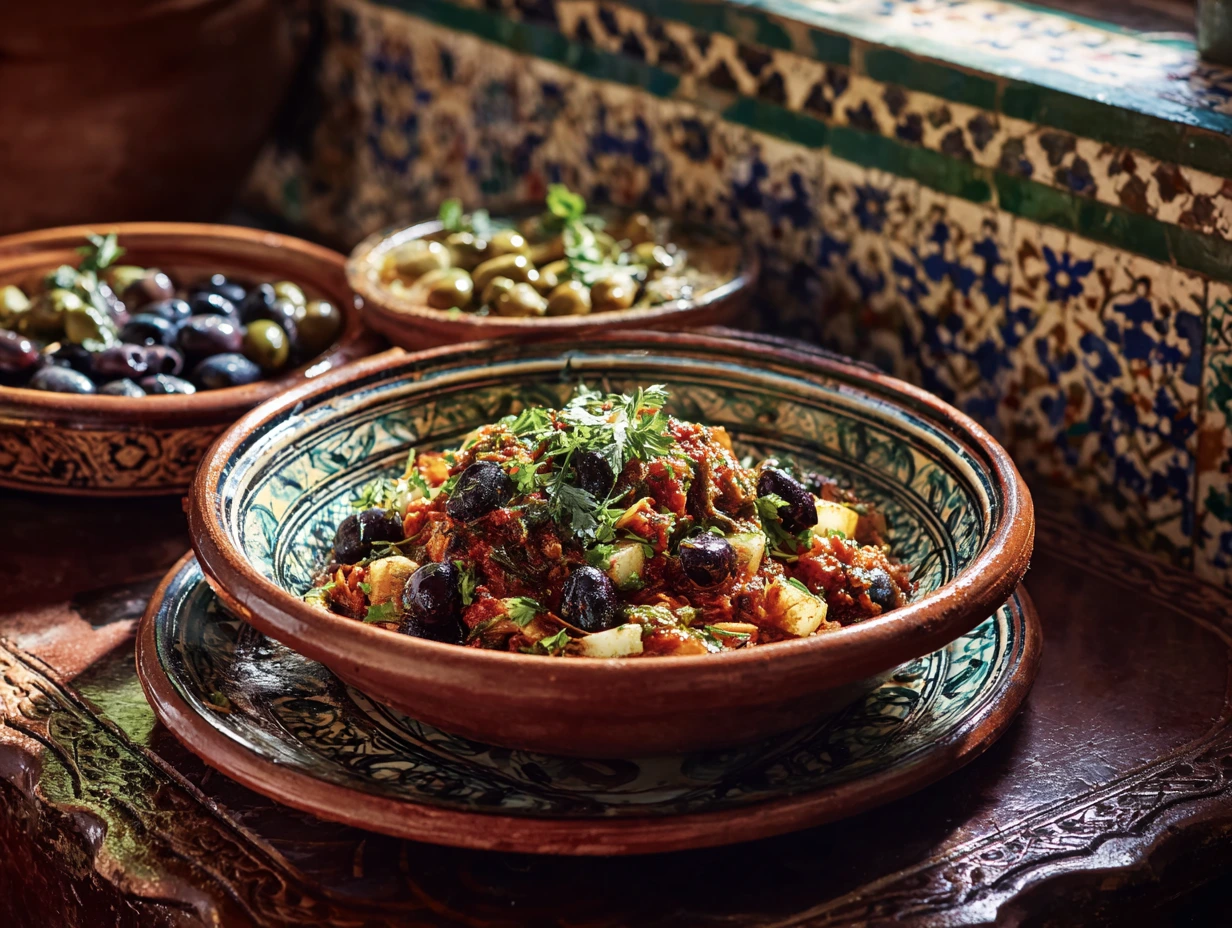
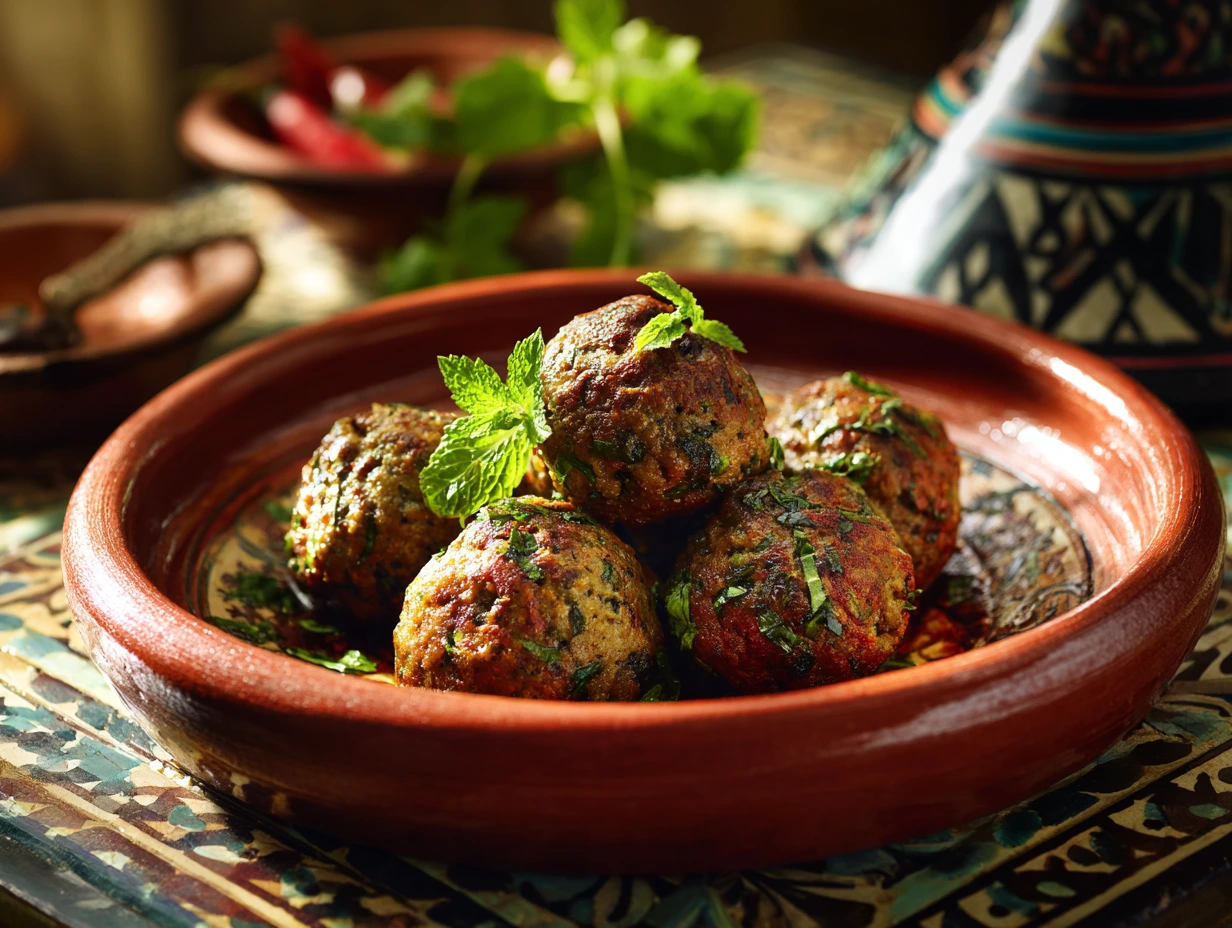
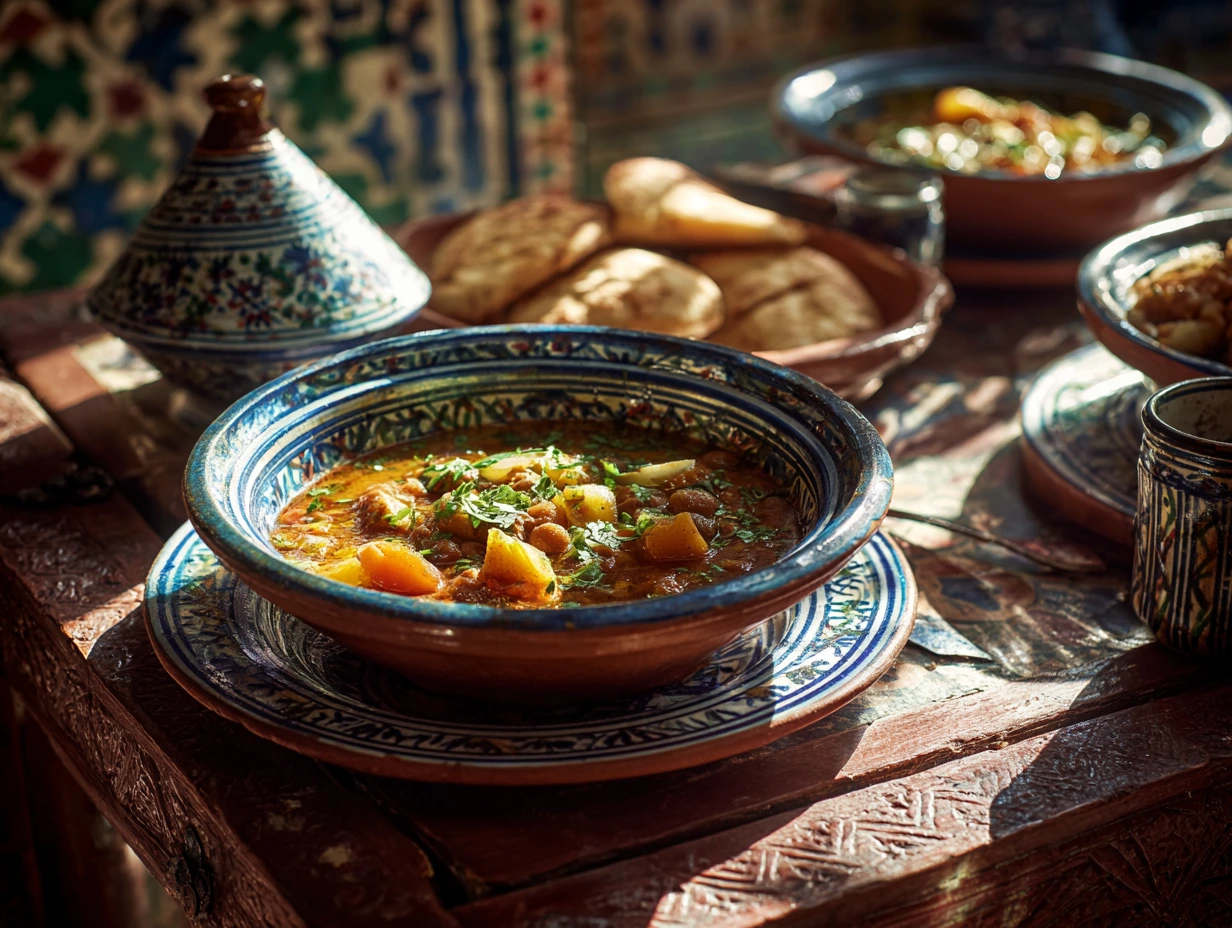
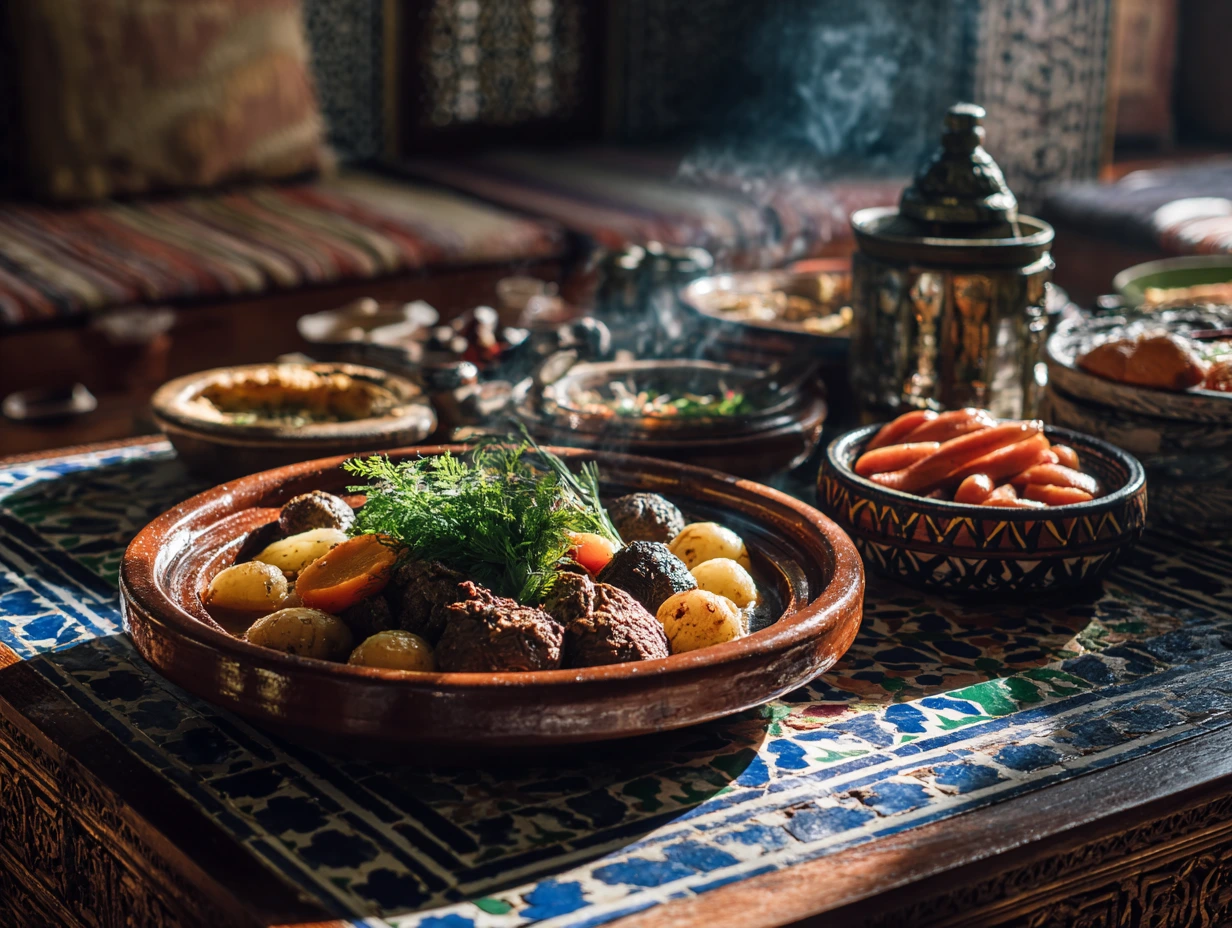
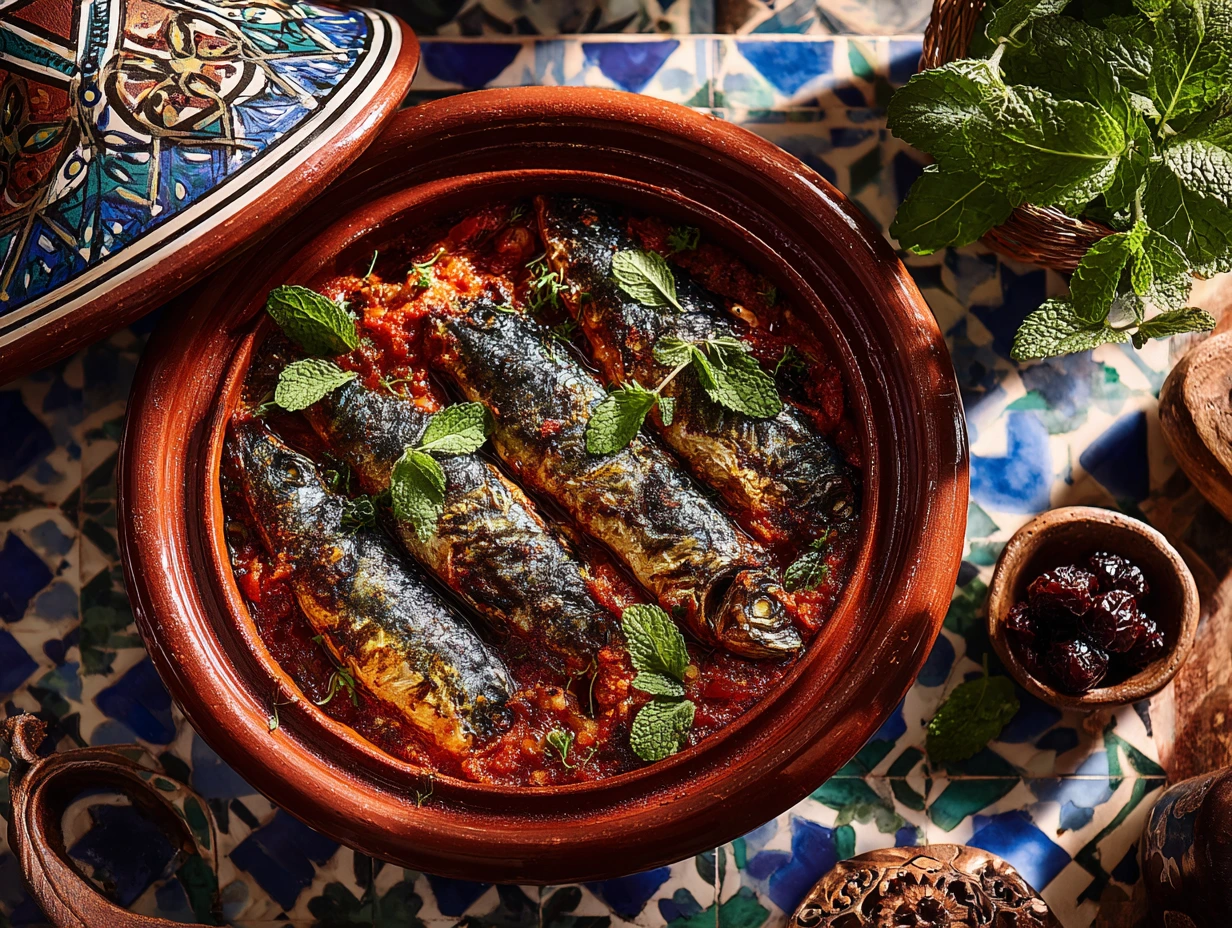
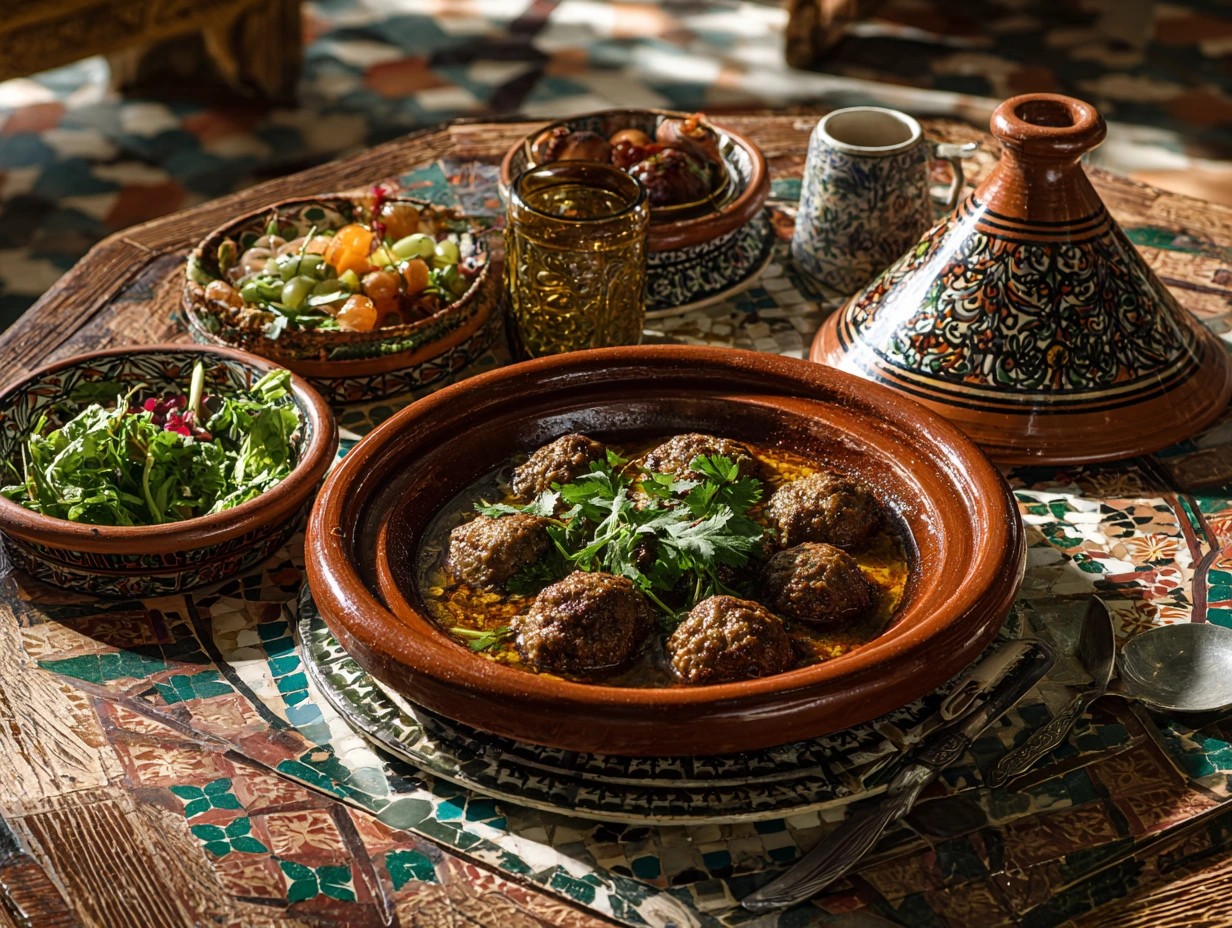
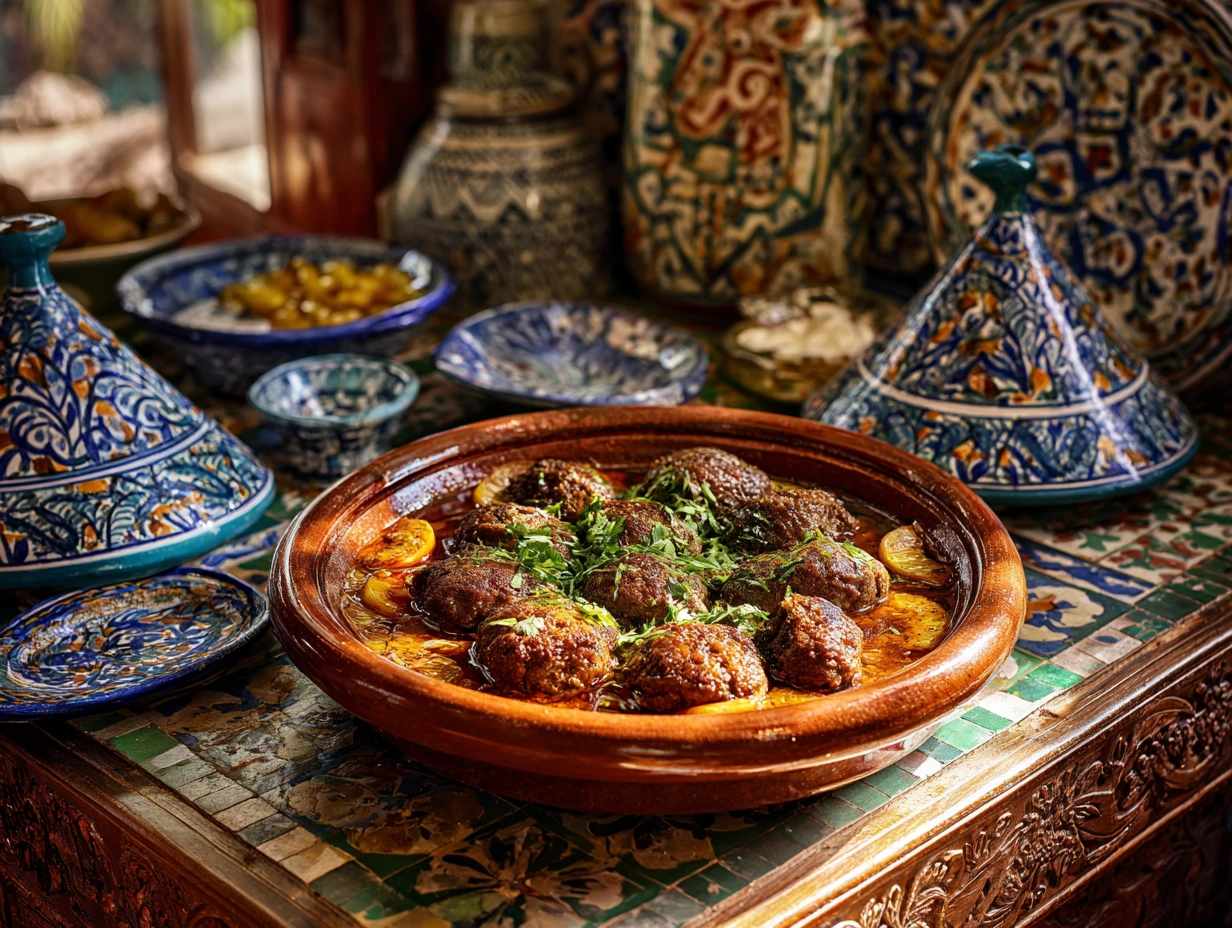
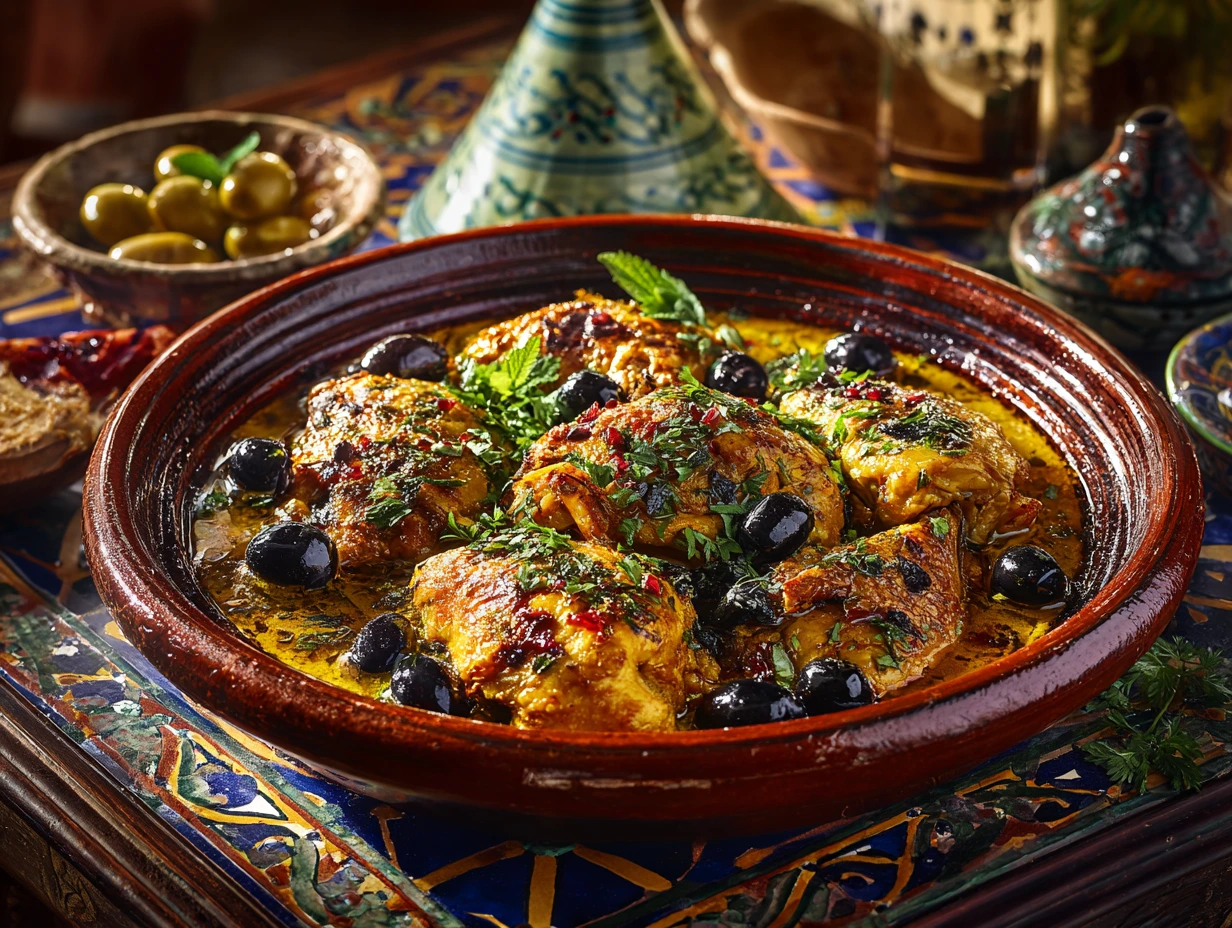
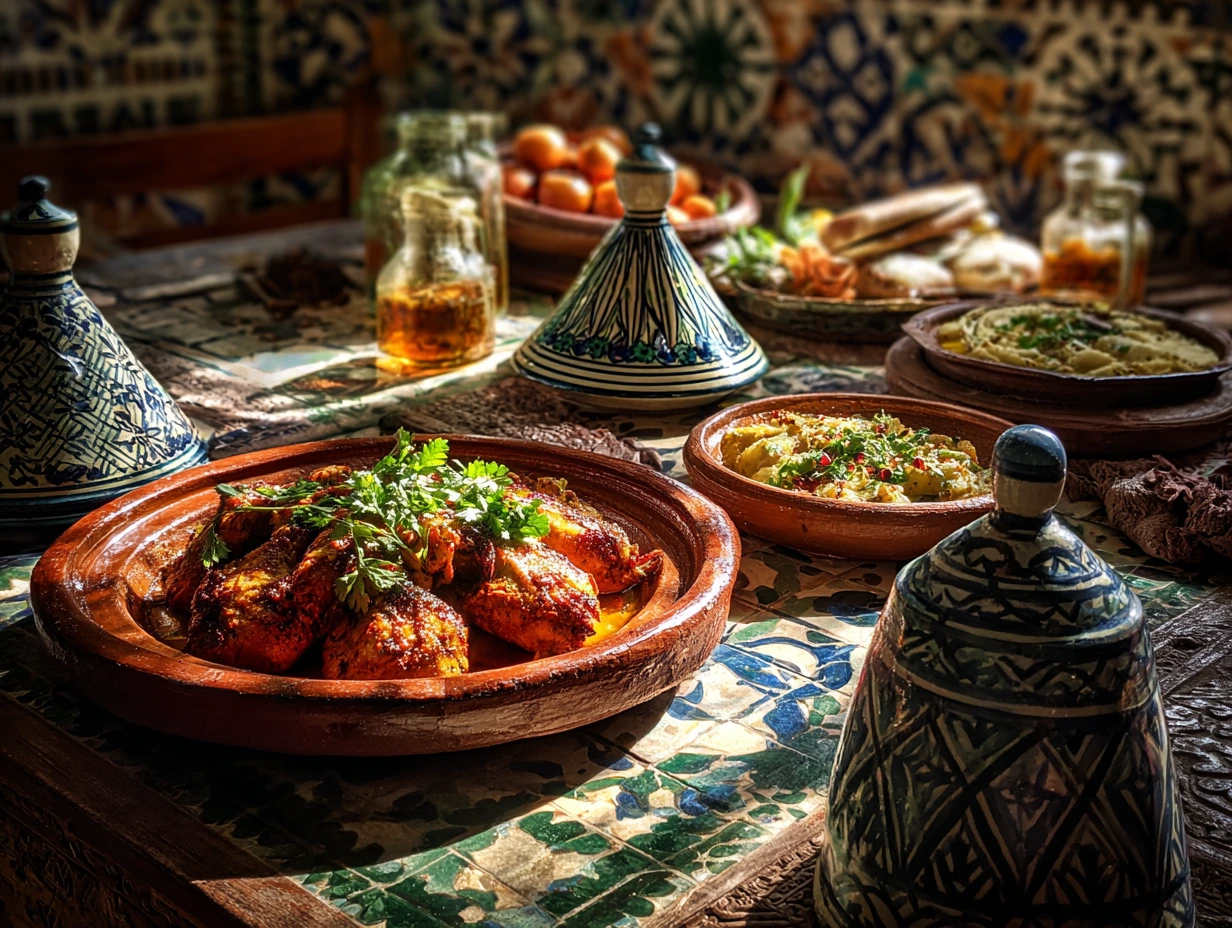
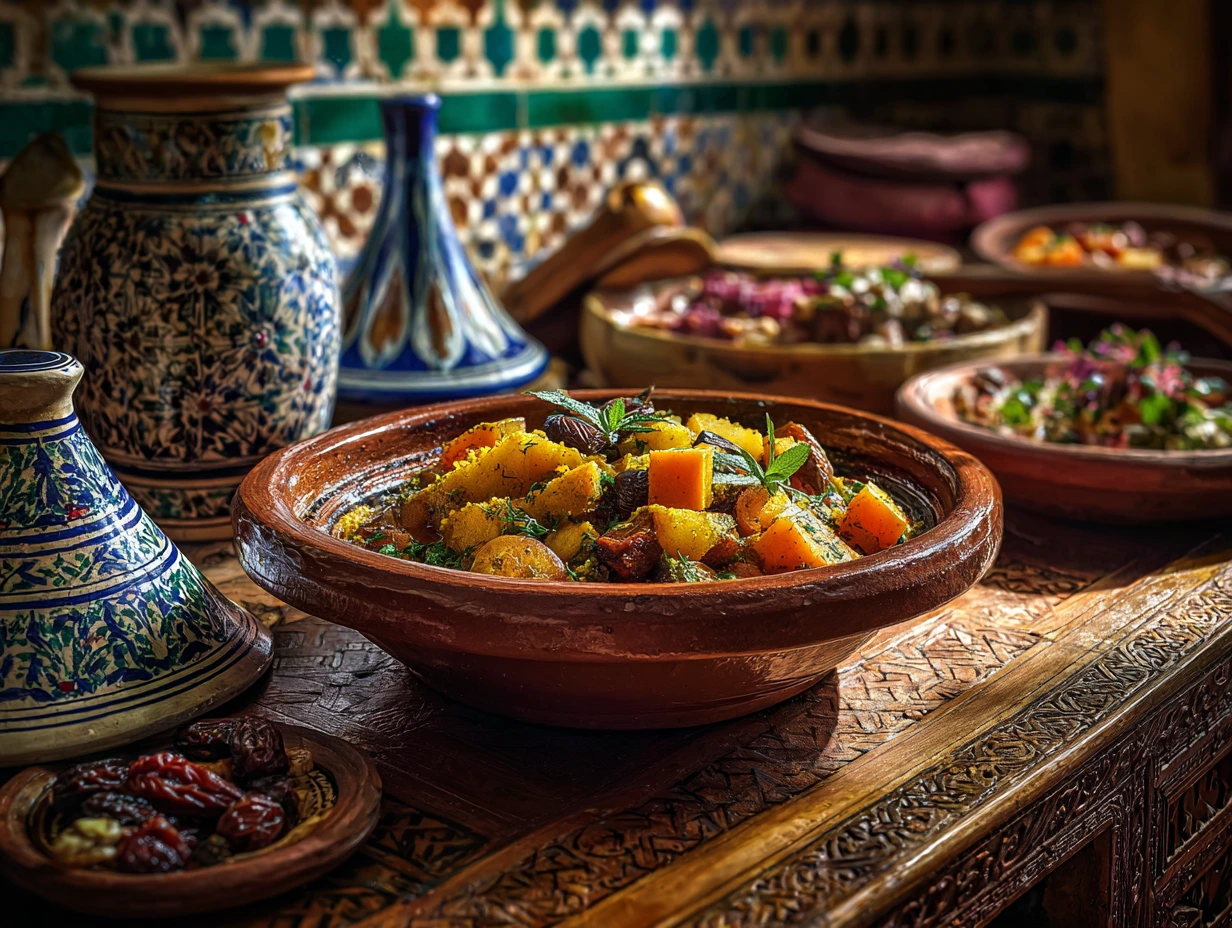
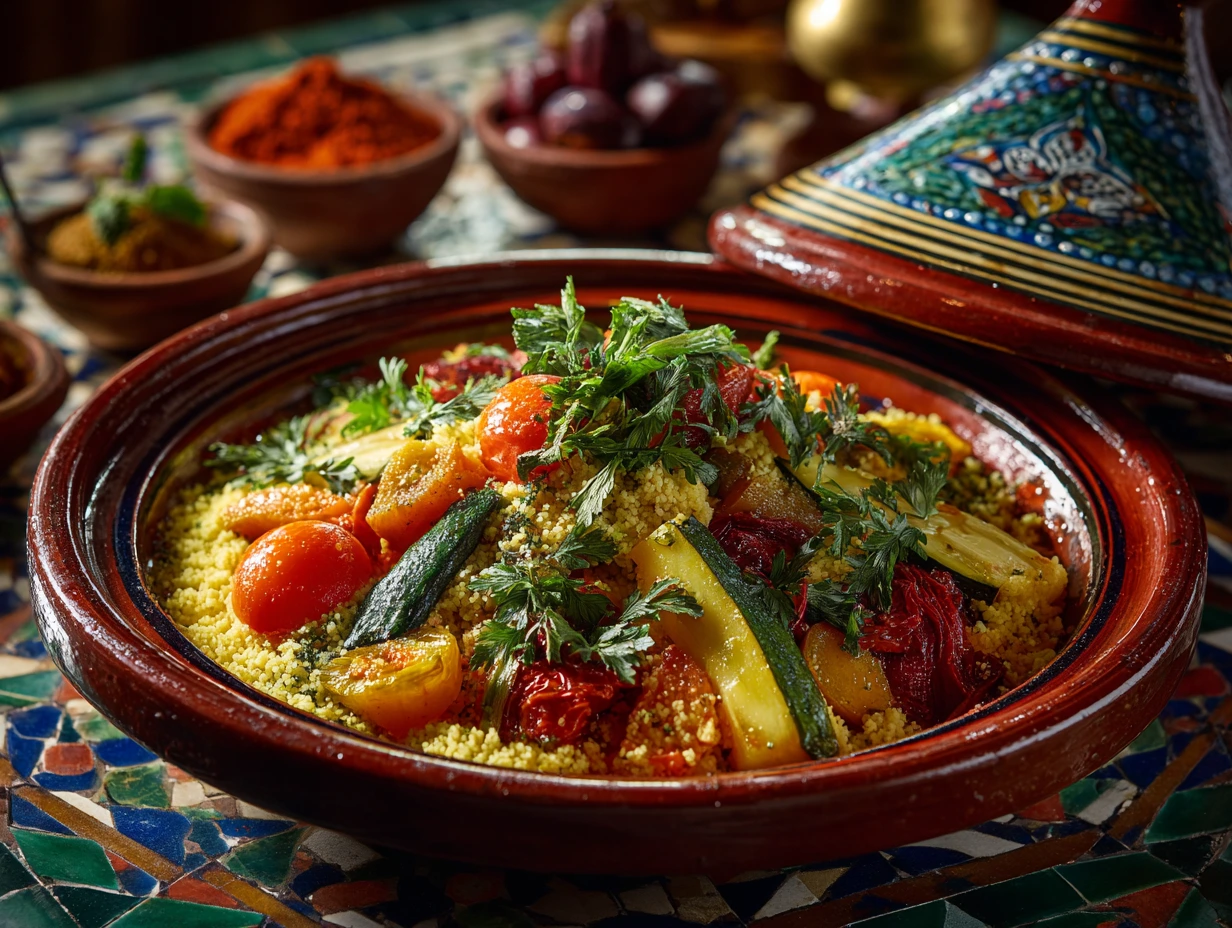
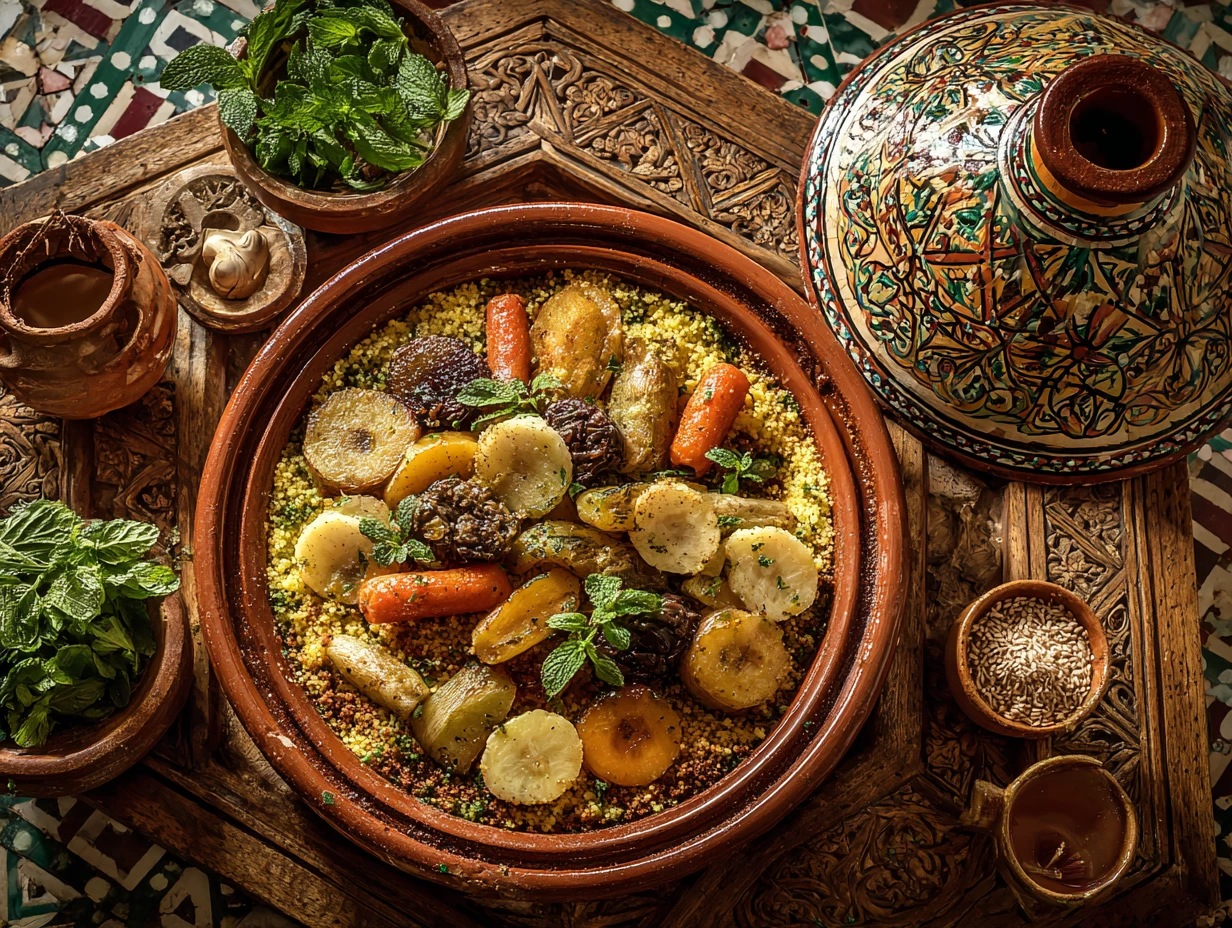
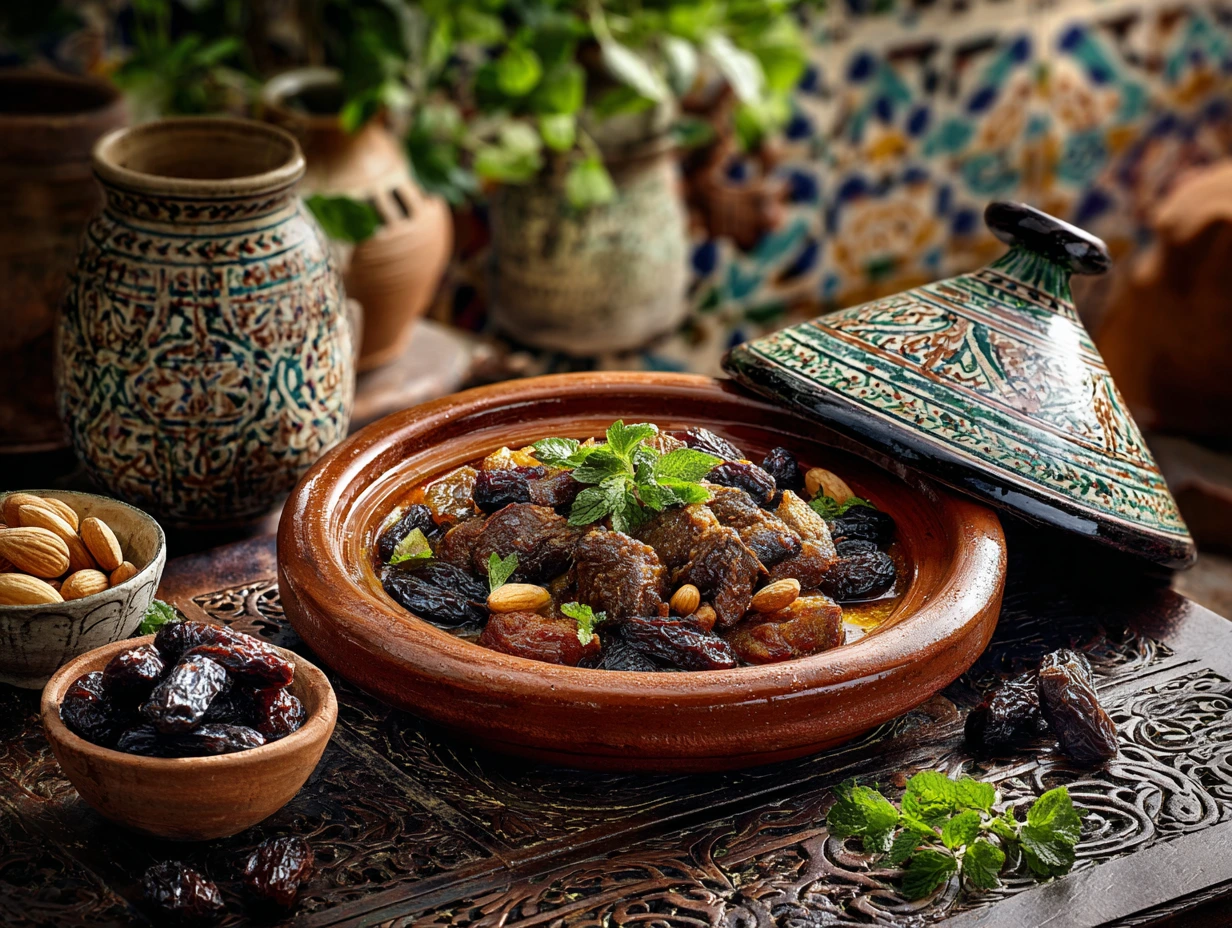
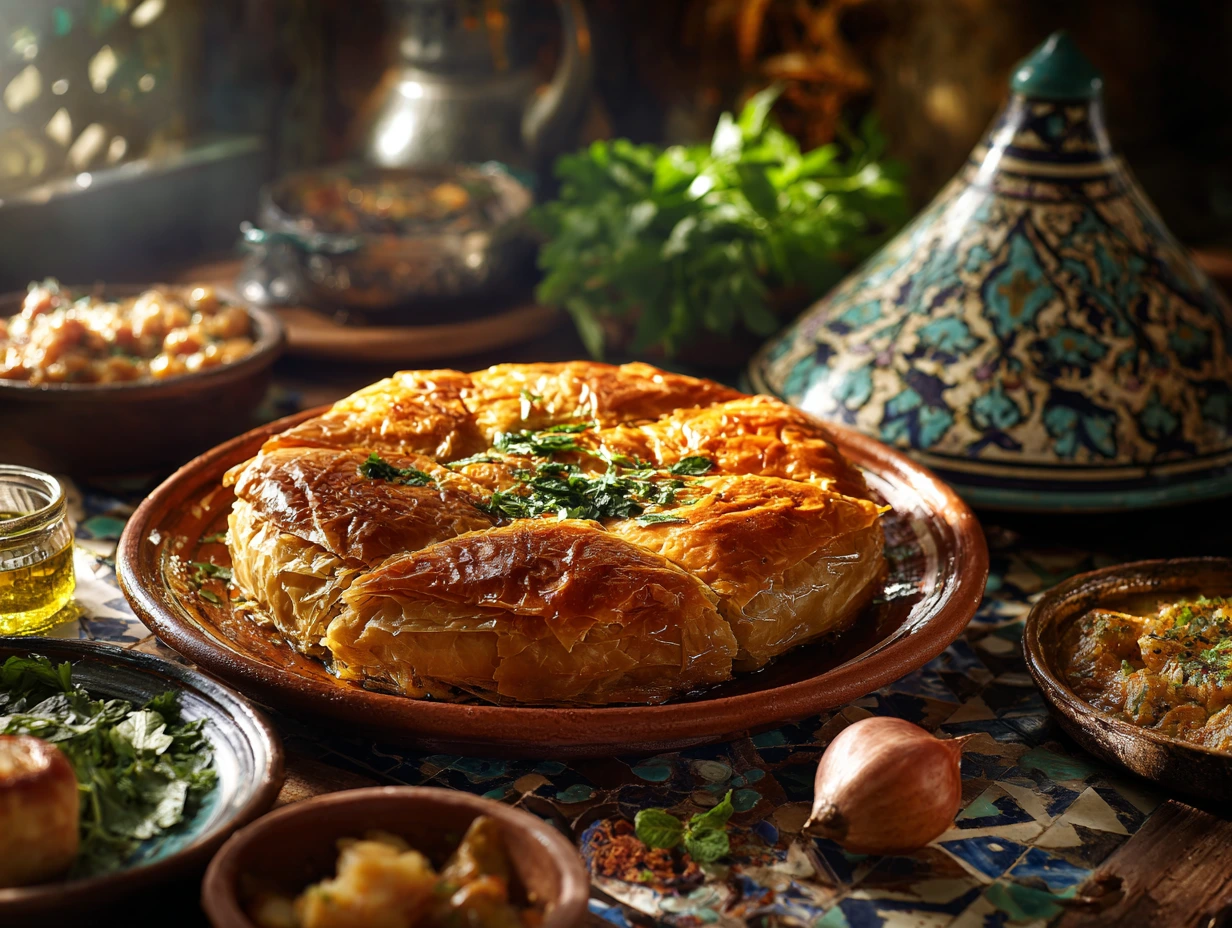
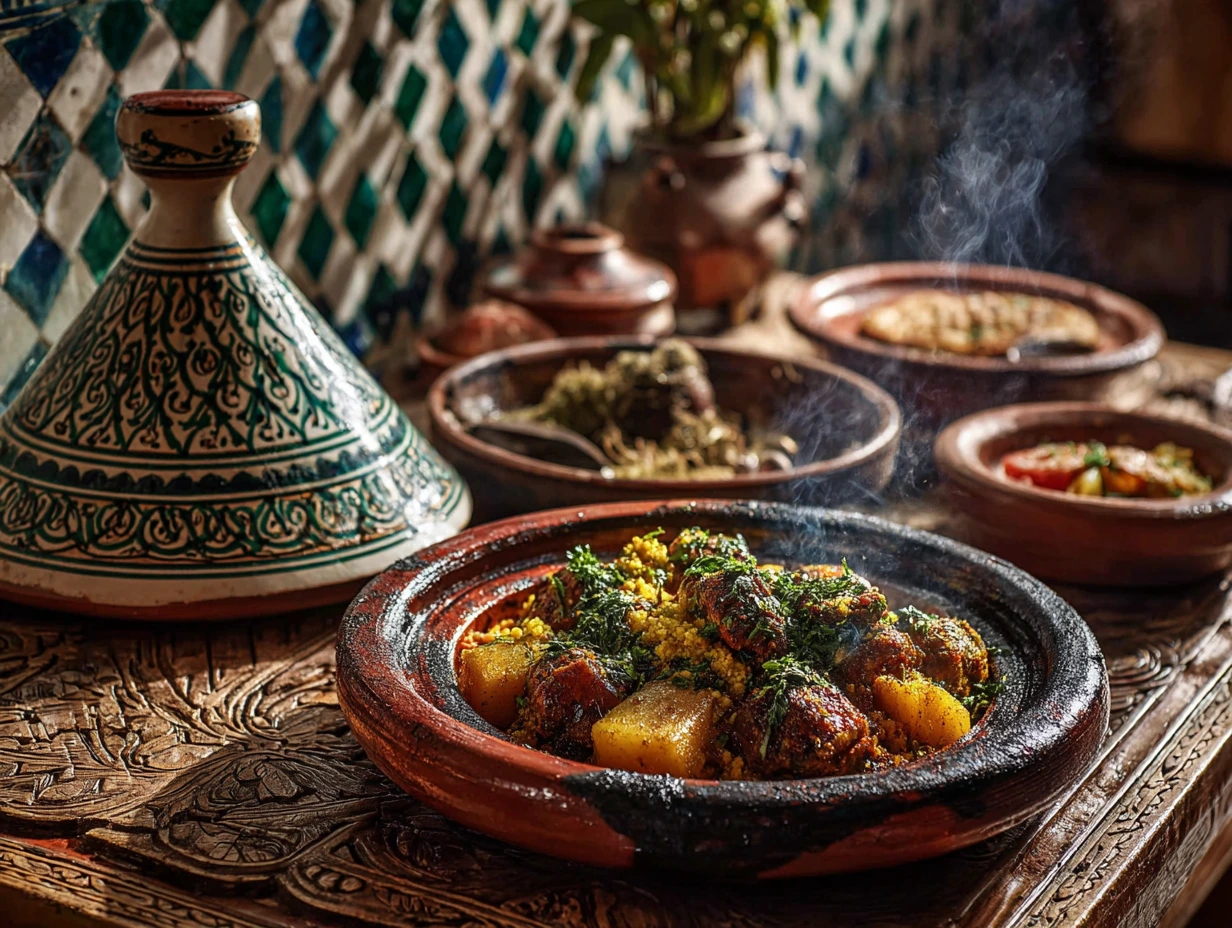
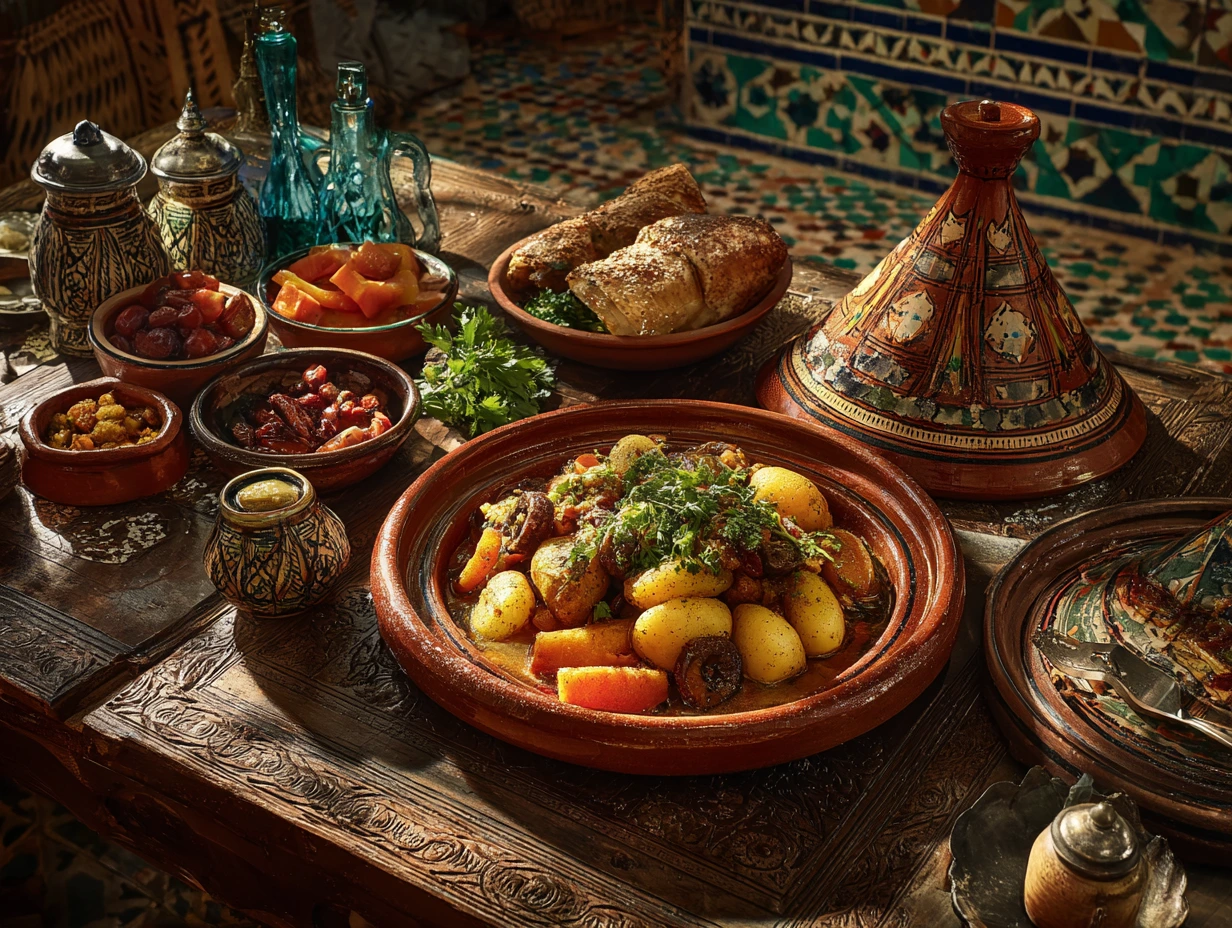
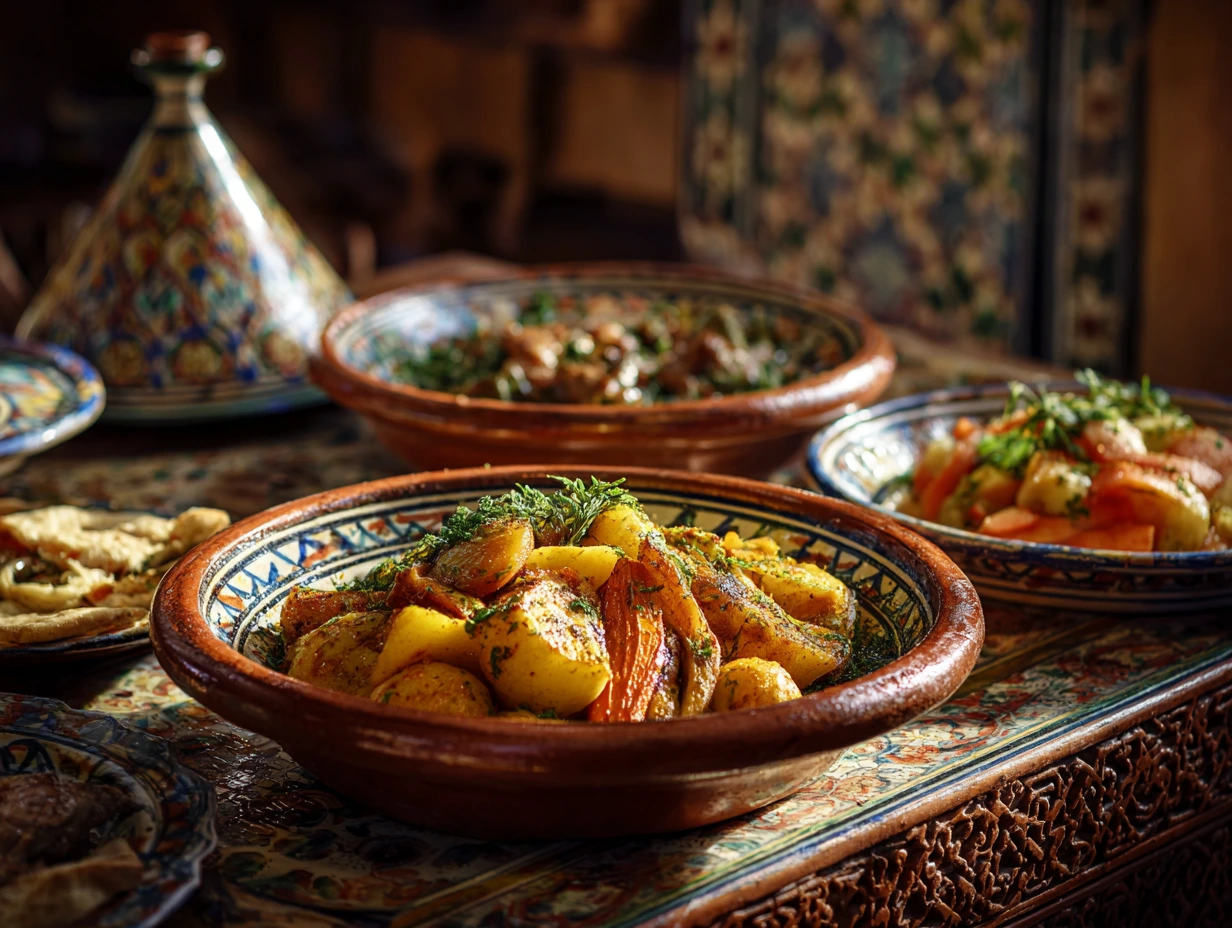
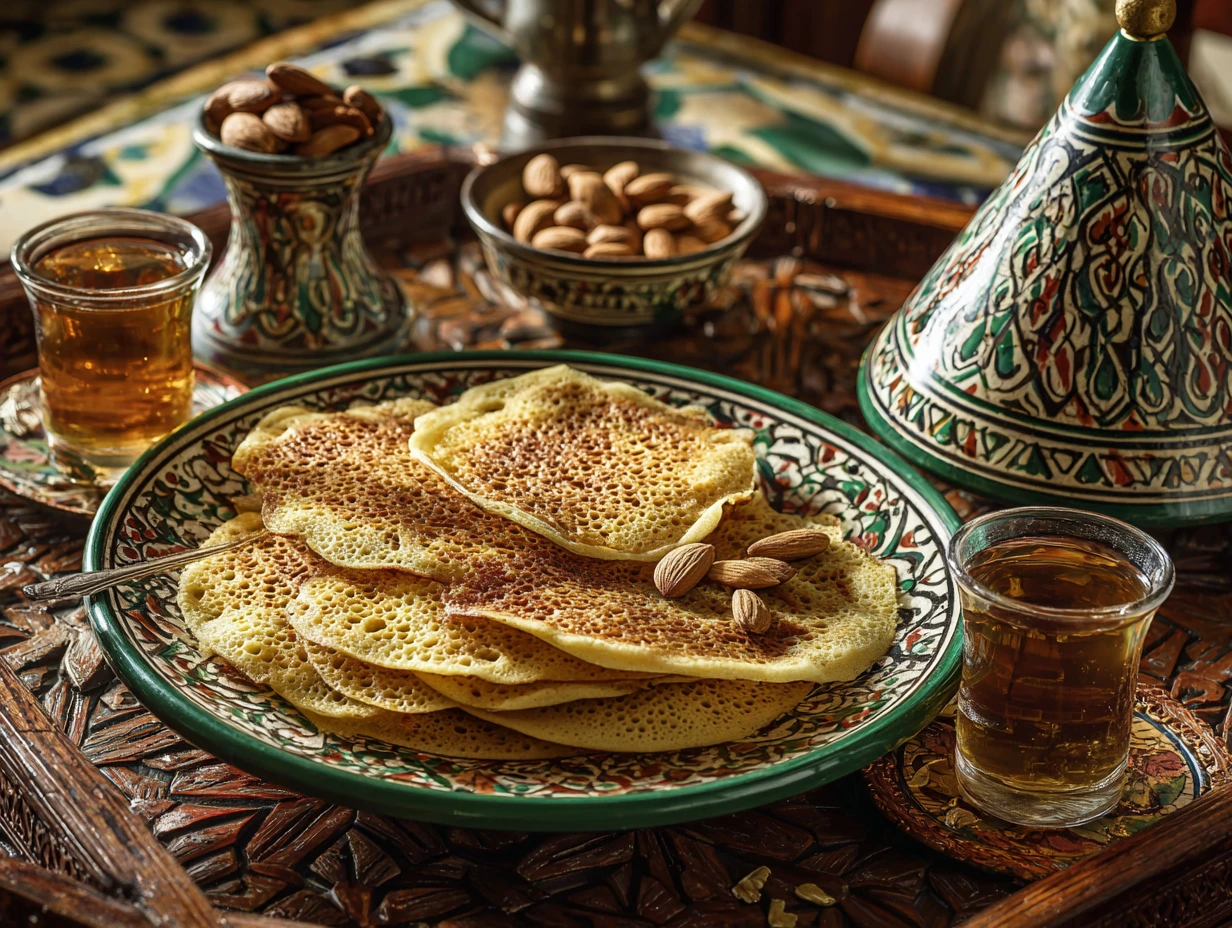
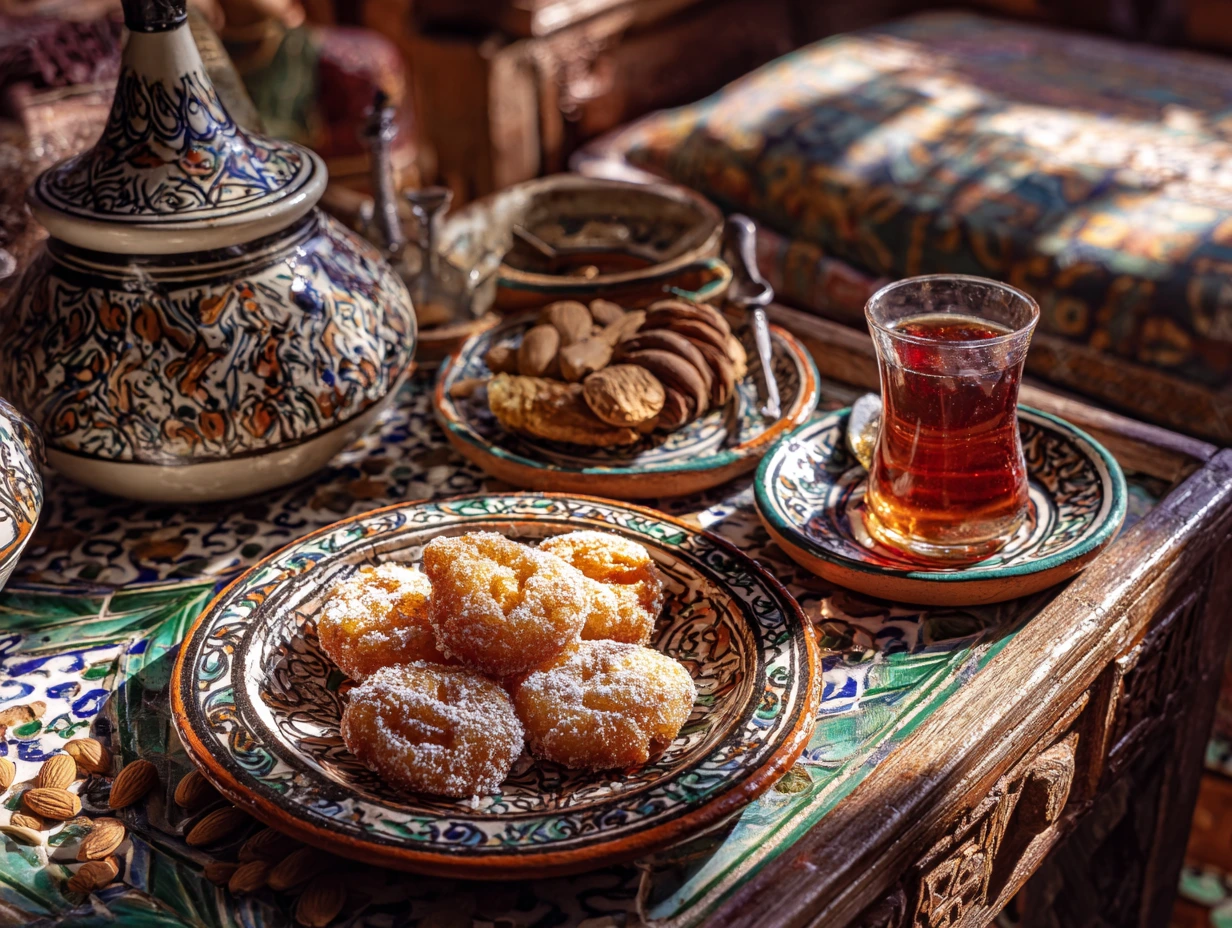
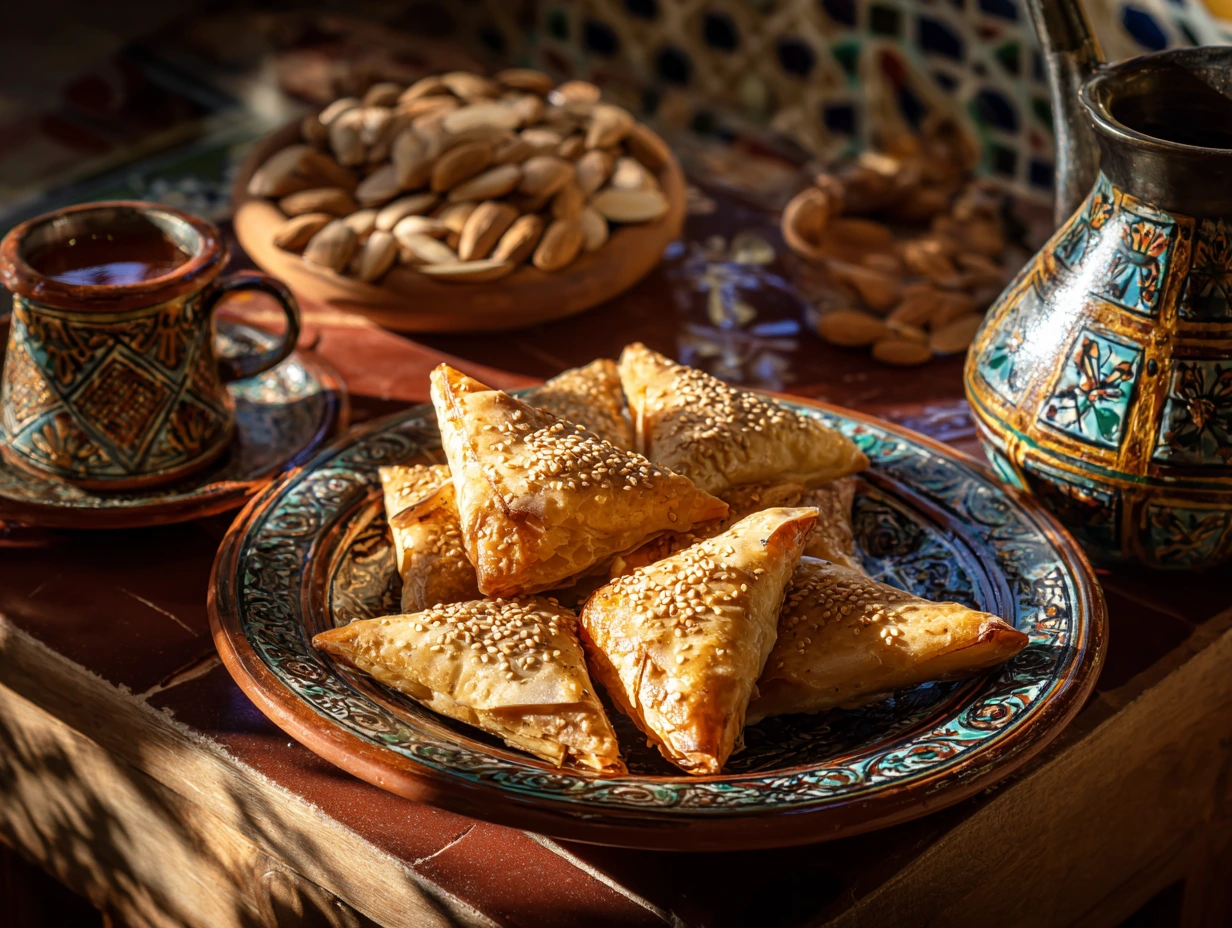
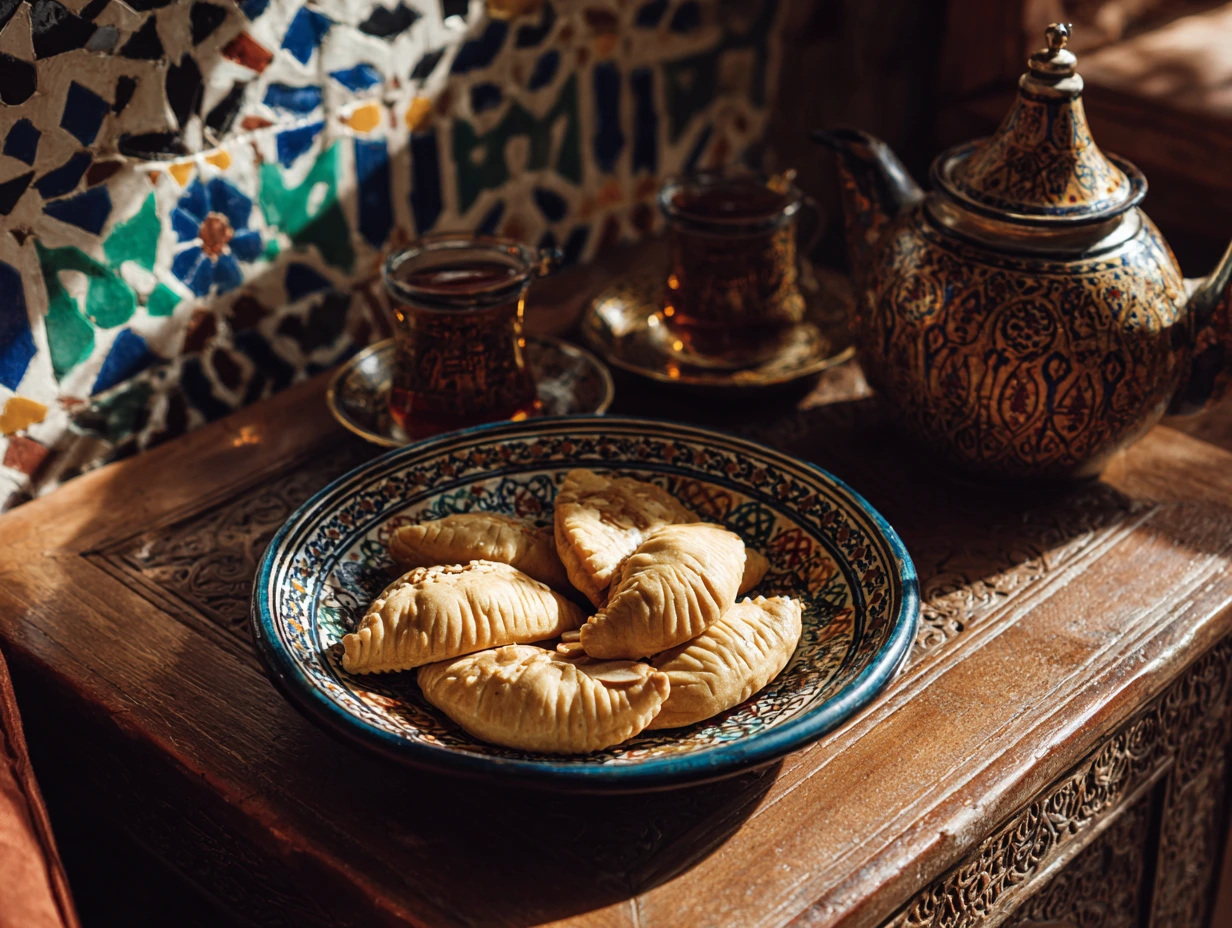
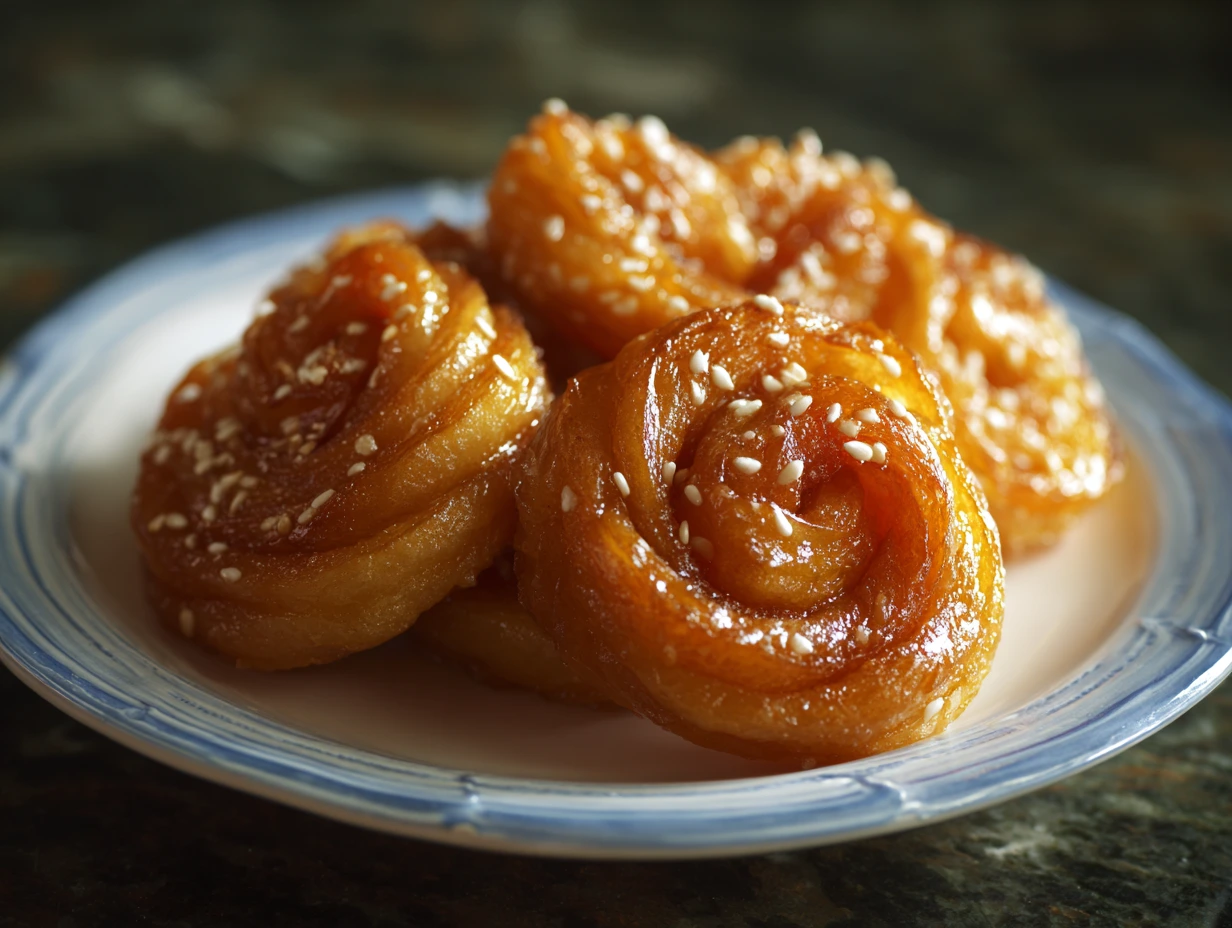
Moroccan food is widely recognised for tagine, couscous, pastilla, harira, mechoui, preserved lemons, mint tea and honeyed pastries. What gives the cuisine real depth, though, is the range beyond those classics: market food, home cooking, festive dishes and regional specialities that can change significantly from one place to another.
Regional food story
Fes is associated with refined urban cooking and sweet-savoury combinations; Marrakech and the south have distinctive tagines and spice traditions; coastal cities rely more heavily on fish; Amazigh cooking across the Atlas and rural regions preserves important grain, bread and stew traditions.