Moroccan Dessert

Baghrir

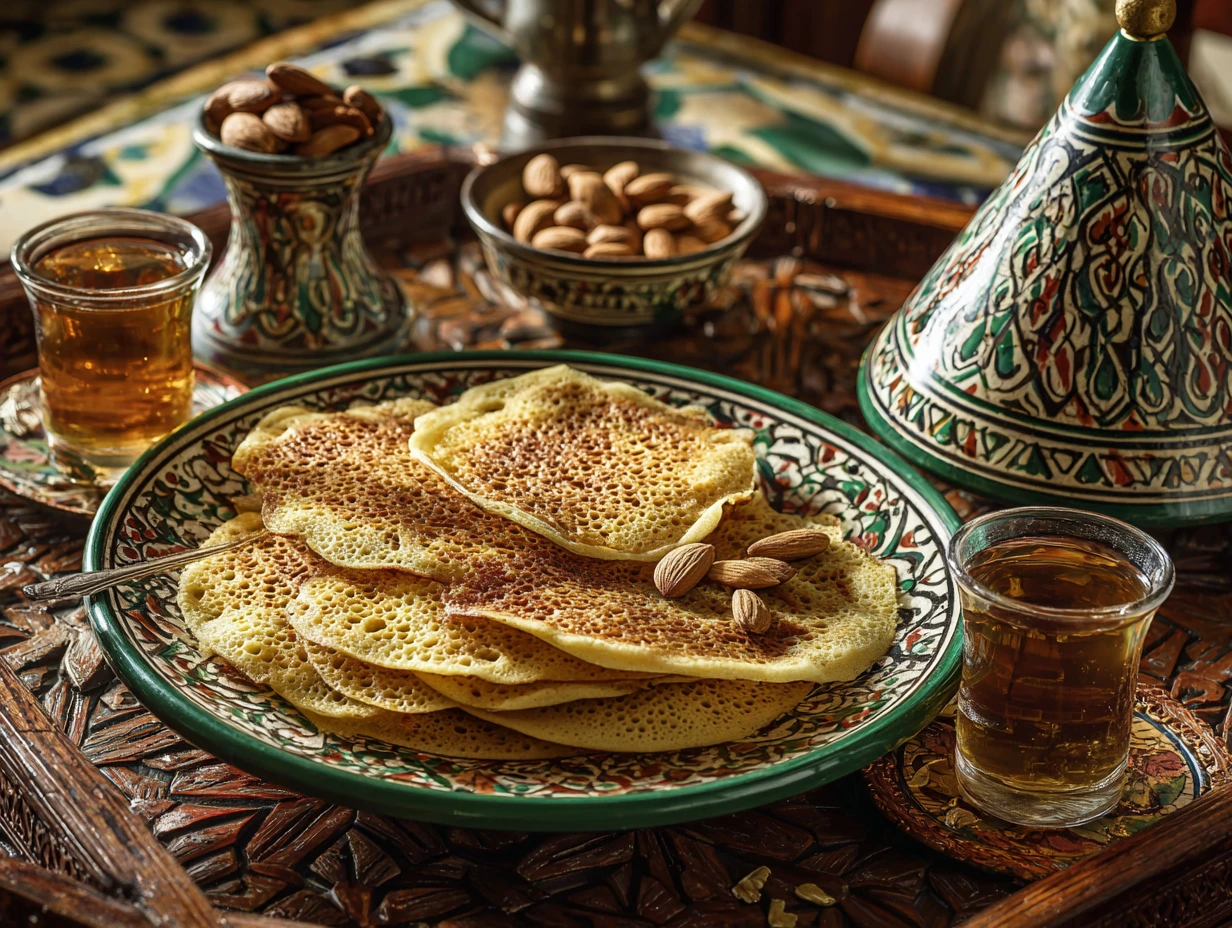
Thousand-hole Moroccan semolina pancakes served with melted butter and honey.

15 minsPrep time
25 minsCook time
Serves 6Servings
EasyDifficulty
Baghrir
About this dish

Baghrir: the story on the plate

Baghrir is a beloved Moroccan breakfast, tea-time and Ramadan treat. The tiny holes are the sign of a properly fermented batter and are perfect for catching honey-butter syrup, making the dish both simple and iconic.

Historical background

Baghrir is a beloved Moroccan breakfast, tea-time and Ramadan treat. The tiny holes are the sign of a properly fermented batter and are perfect for catching honey-butter syrup, making the dish both simple and iconic.

Why it is famous

Baghrir is included because it is traditional, popular and tells a useful story about Moroccan hospitality, Ramadan, Eid, weddings, tea culture or street-food sweets.

Cultural significance

Moroccan desserts often appear with mint tea and are built around honey, almonds, sesame, orange blossom water, semolina, pastry and careful hand shaping.

Nutrition

Estimated nutrition per serving

Useful for meal planning and calorie-aware recipe browsing.

330Calories
7gProtein
58gCarbs
9gFat

Estimated from the structured traditional Moroccan dessert ingredient list. Validate before making formal health claims.

Ingredients

What you need

  • 41.67 fine semolina
  • 13.33 plain flour
  • 1.17 dried yeast
  • 0.83 baking powder
  • 0.83 sugar
  • salt
  • 83.33 warm water
  • 13.33 butter
  • 20.0 honey
Method

Step-by-step method

Follow the recipe in order, tasting and adjusting seasoning where needed.

  1. Blend semolina, flour, yeast, baking powder, sugar, salt and warm water until completely smooth.
  2. Rest batter for 30 minutes until foamy and slightly risen.
  3. Heat a non-stick frying pan over medium heat. Do not oil the pan.
  4. Pour in a small ladle of batter and cook on one side only for about 2 minutes until holes form and the top dries.
  5. Warm butter and honey together. Spoon over baghrir while warm.
Cook smarter

Tips, storage and serving advice

Shopping tips

Use fragrant orange blossom water, fresh nuts, good honey and spices that still smell vivid. Old sesame or rancid nuts will ruin the flavour.

Ingredient quality

Toast flour, nuts and sesame carefully, keep pastry covered, and monitor oil temperature for fried sweets.

Common mistakes

Common mistakes include burning honey, frying too cool, over-browning pale pastries, letting filo dry out and using stale nuts.

Chef’s tips

Keep oil around 170–180°C for fried sweets, warm honey gently rather than boiling it, and let pastries drain properly.

How to know it is cooked

Ready when pastry is crisp, dough is cooked through, nuts smell toasted, honey coating is glossy and the traditional colour is achieved.

Plating advice

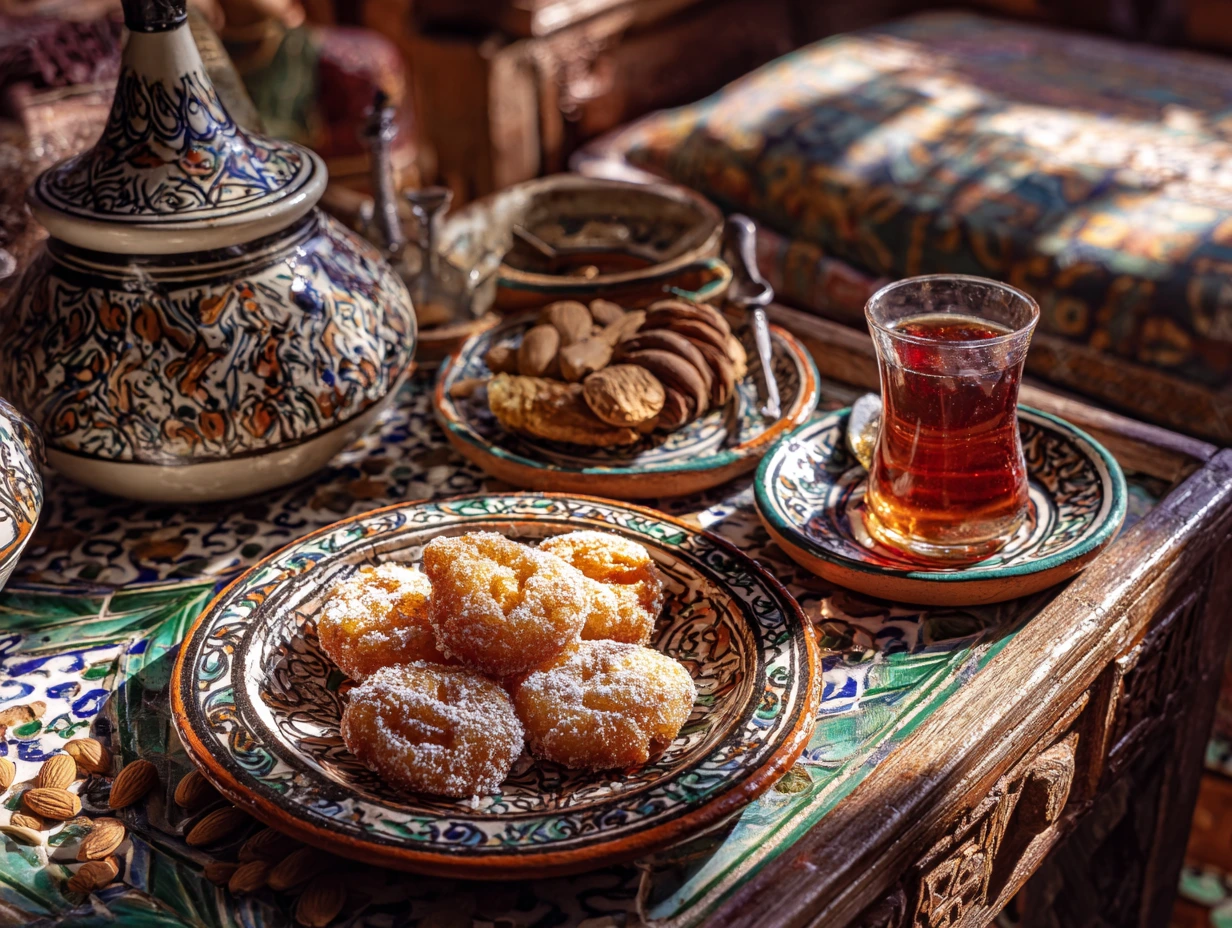
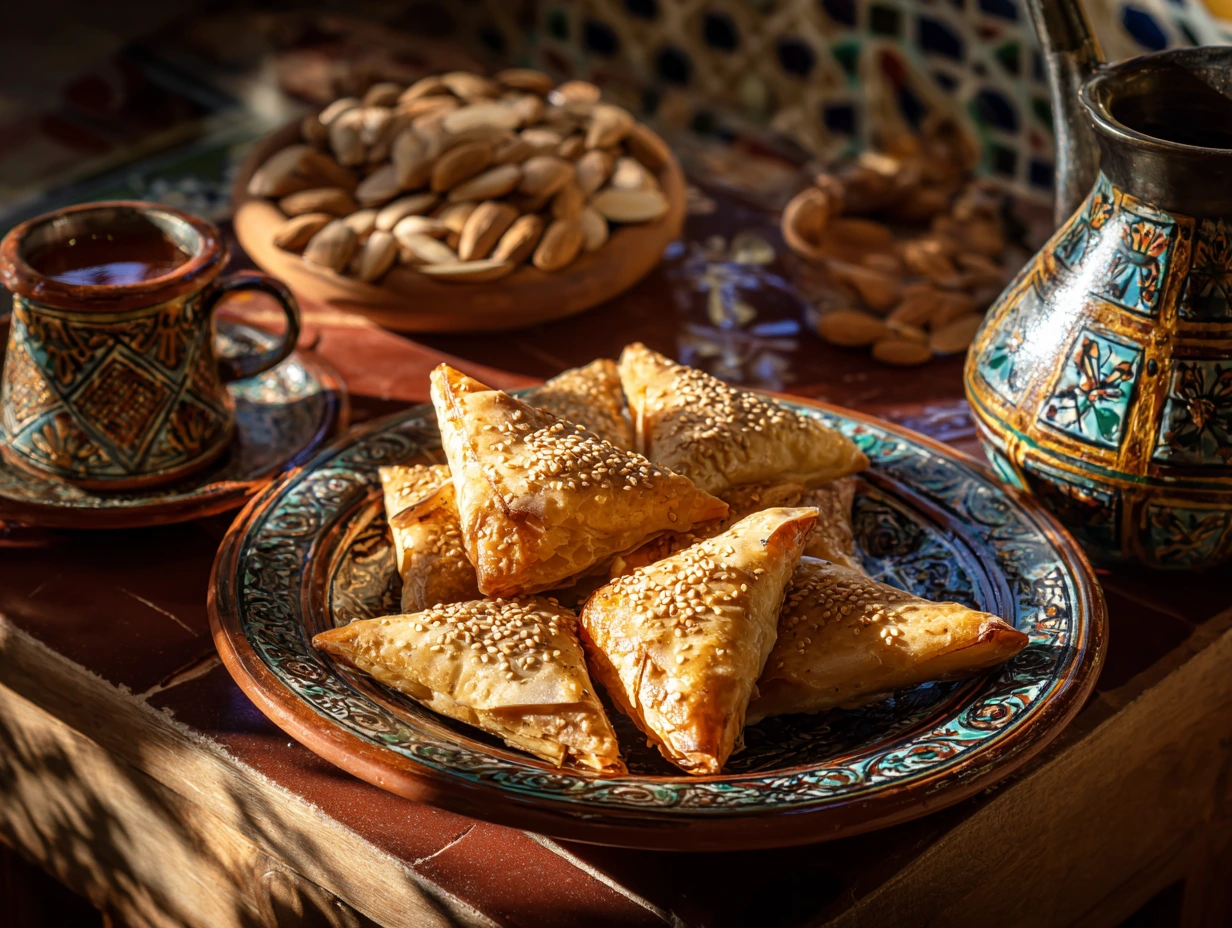
Serve in small portions on Moroccan plates with mint tea. Use sesame, icing sugar, cinnamon, almonds or honey glaze deliberately.

Make ahead

Many doughs, fillings and nut mixtures can be made ahead. Fried and honey-soaked items often keep well, while sfenj is best fresh.

Storage and reheating

Store in an airtight container. Honeyed pastries usually keep several days; fresh pancakes and doughnuts are best eaten the same day. Refresh pastries gently in a low oven if needed. Do not microwave crisp pastry if you want it to stay flaky.