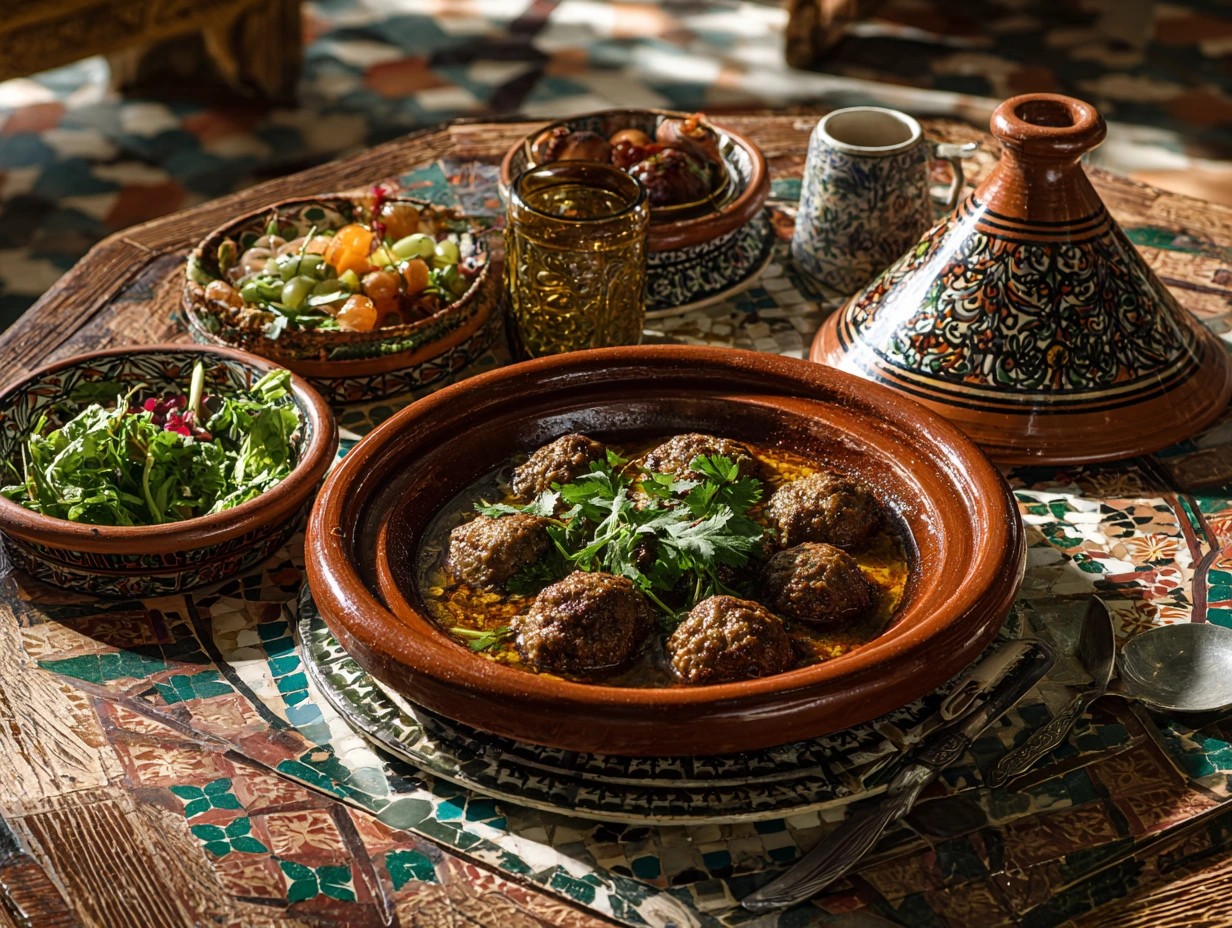
Moroccan Main

Tangia Marrakchia

Marrakech-style slow-cooked beef or lamb with preserved lemon, garlic, cumin, saffron and smen.

20 minsPrep time
4 hrCook time
Serves 6Servings
MediumDifficulty
Tangia Marrakchia
About this dish

Tangia Marrakchia: the story on the plate

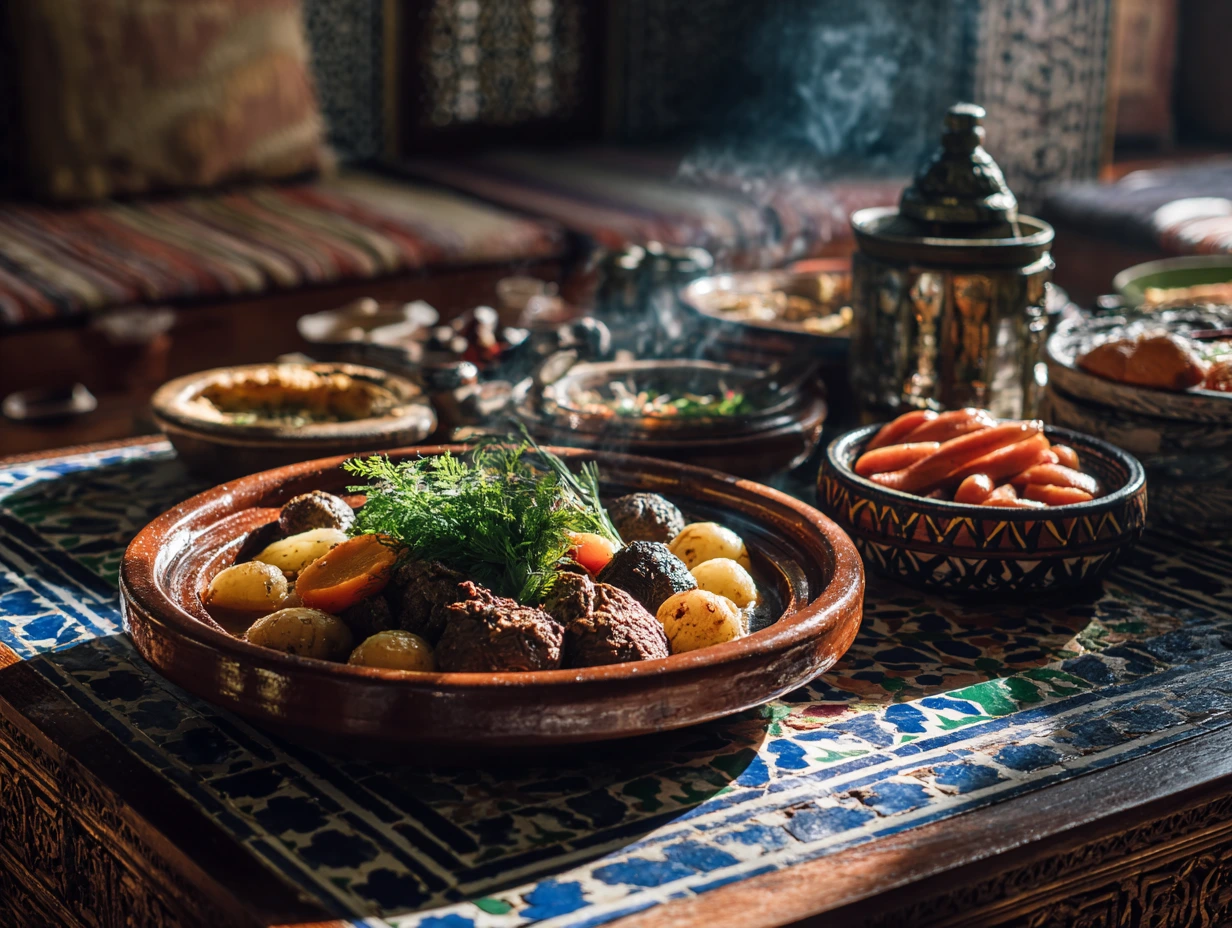
Tangia is a signature dish of Marrakech, traditionally cooked in a clay urn in the embers of the hammam furnace. It is associated with craftsmen and market workers, who would send the sealed pot to cook slowly while they worked.

Historical background

Tangia is a signature dish of Marrakech, traditionally cooked in a clay urn in the embers of the hammam furnace. It is associated with craftsmen and market workers, who would send the sealed pot to cook slowly while they worked.

Why it is famous

Tangia Marrakchia is included because it is traditional, popular and tells a useful story about Moroccan food culture, family cooking, markets, celebration meals or regional identity.

Cultural significance

Moroccan mains are often built for sharing: tagines, couscous, grilled meats, fish dishes and slow-cooked stews served with bread, salads and mint tea hospitality.

Nutrition

Estimated nutrition per serving

Useful for meal planning and calorie-aware recipe browsing.

740Calories
44gProtein
8gCarbs
58gFat

Estimated from the structured traditional Moroccan ingredient list. Validate before making formal health claims.

Ingredients

What you need

  • 250.0 beef shin or lamb shoulder, large chunks
  • 1.0 garlic cloves
  • 0.17 preserved lemon, chopped
  • 1.67 ground cumin
  • 0.83 ginger
  • pinch saffron
  • 10.0 smen or butter
  • 16.67 olive oil
  • 41.67 water
  • salt and pepper
Method

Step-by-step method

Follow the recipe in order, tasting and adjusting seasoning where needed.

  1. Cut meat into large chunks so it survives long cooking. Crush garlic and chop preserved lemon peel.
  2. Place meat in a heavy casserole or tangia-style pot with garlic, preserved lemon, cumin, ginger, saffron, smen, olive oil, salt and pepper.
  3. Add water, cover very tightly with foil and a lid to trap steam.
  4. Cook at 150°C for 3.5–4 hours until the meat is spoon-tender and surrounded by a rich sauce.
  5. Skim excess fat if needed and serve with bread. The sauce should be intense, not watery.
Cook smarter

Tips, storage and serving advice

Shopping tips

Use fragrant spices, fresh herbs, good olive oil and the best main ingredient you can. Avoid old spices with little aroma.

Ingredient quality

Slice vegetables evenly, brown or braise patiently, steam grains properly and reduce sauces until glossy.

Common mistakes

Common mistakes include watery sauce, high heat, dry meat, broken fish, soggy pastry, clumped couscous and over-spicing before tasting.

Chef’s tips

Build flavour in stages. Moroccan dishes should taste layered and generous, not aggressively hot.

How to know it is cooked

Ready when meat is tender, fish flakes, couscous is separate, vegetables hold shape and sauces are reduced enough to coat the spoon.

Plating advice

Serve communally where traditional, with sauce controlled and garnishes such as herbs, almonds, sesame, cinnamon, lemon or olives used deliberately.

Make ahead

Stews, fillings and sauces can often be made ahead. Grilled meats, couscous and pastry dishes are best finished close to serving.

Storage and reheating

Refrigerate leftovers in a sealed container. Stews usually keep 2–3 days; seafood is best eaten sooner. Reheat stews gently with a splash of water. Refresh pastry or fried foods in the oven. Steam couscous again if needed.