Food Cooked in Wine: Why Wine Makes Classics Taste Deeper
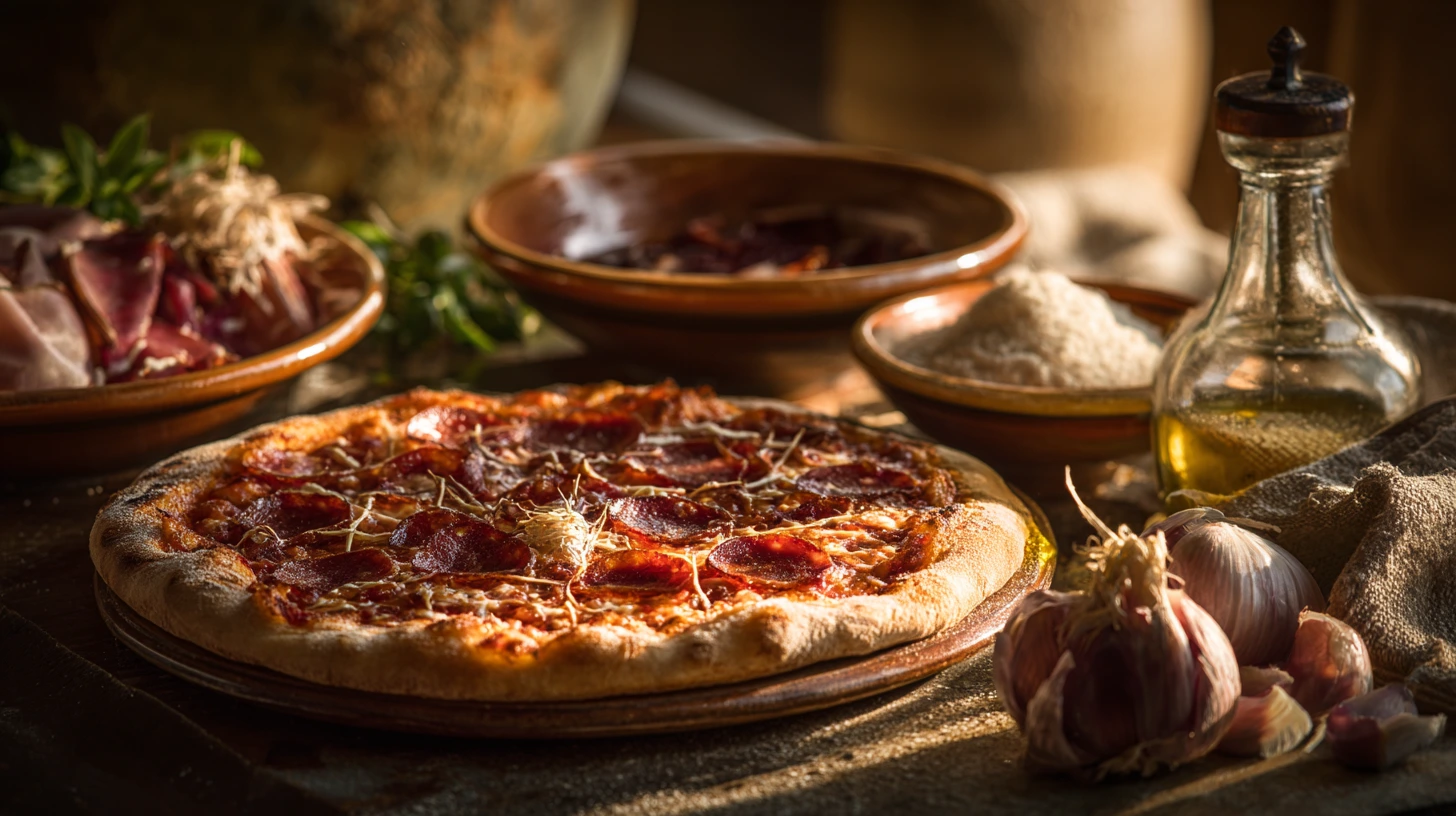
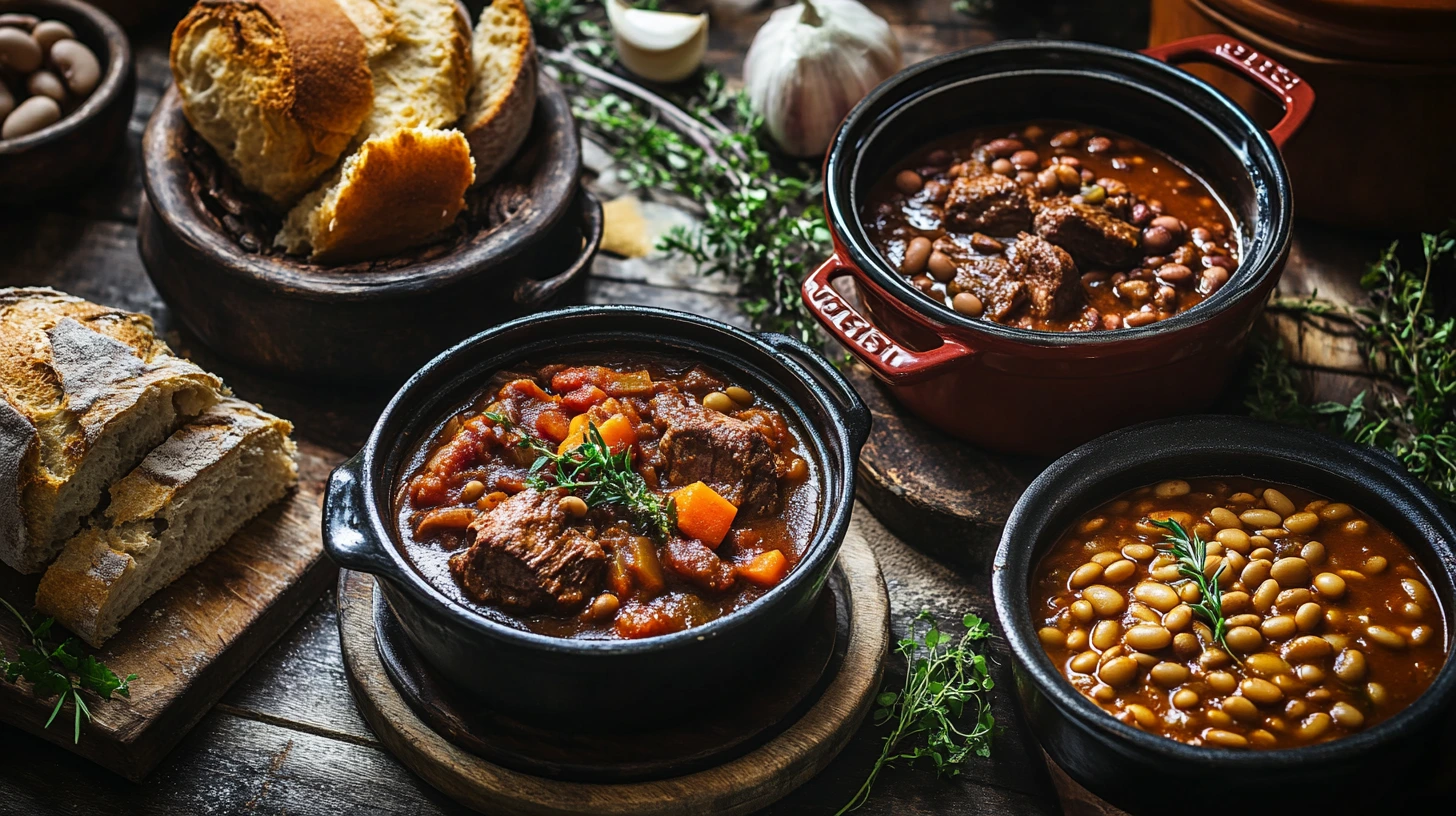
Wine does more than add flavour. It changes the mood of a dish, loosening the pan, softening meat and bringing fruit, acidity and depth to classic cooking.
Read the articleRead food history, country cuisine guides, ingredient stories, seasonal collections and practical recipe articles designed to move you from curiosity into cooking.
Wine does more than add flavour. It changes the mood of a dish, loosening the pan, softening meat and bringing fruit, acidity and depth to classic cooking.
Read the articleArticles are built to connect food history, country pages, recipe collections and dishes users can cook next.
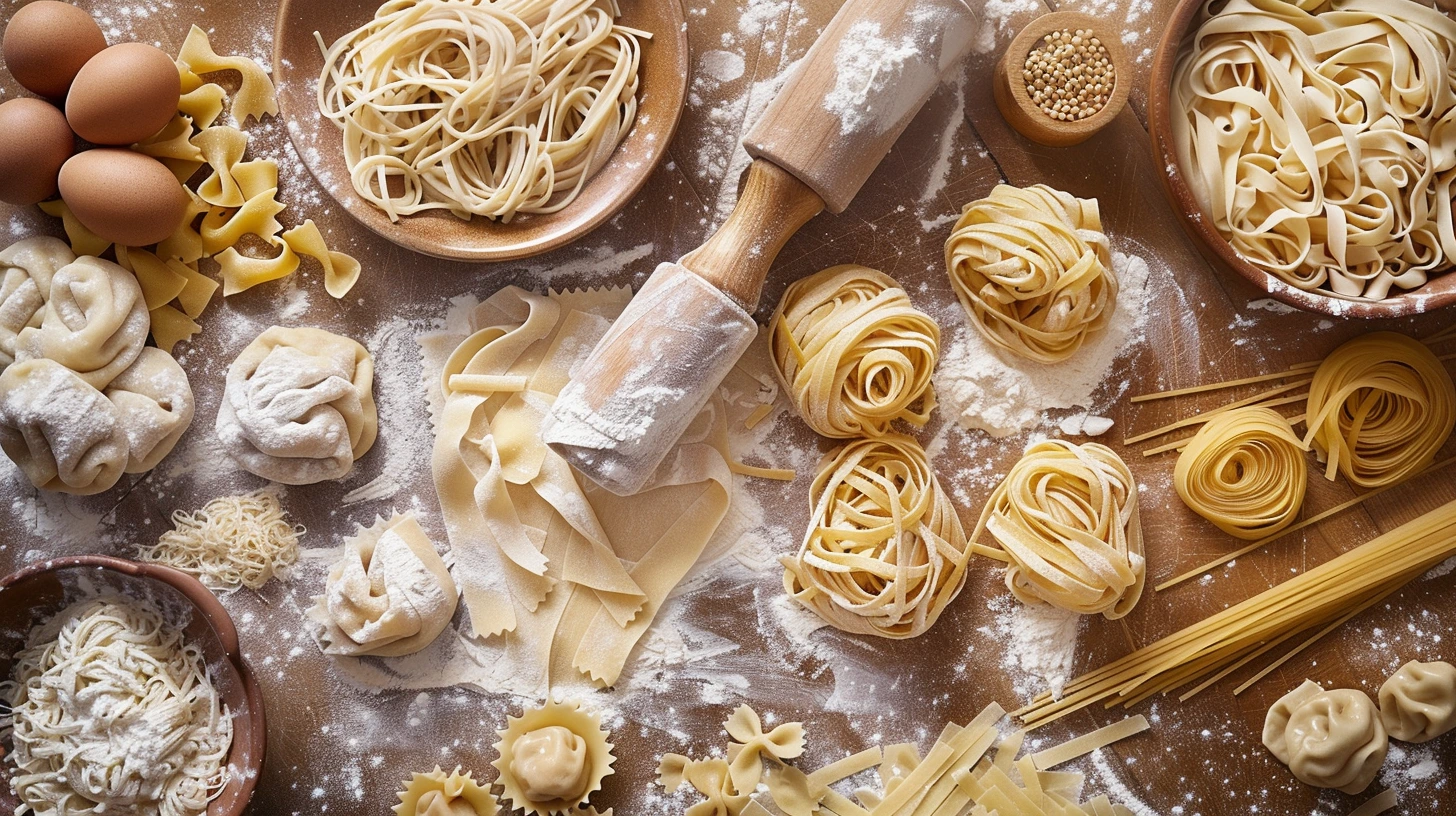
Pasta, noodles and dough are some of the world’s most comforting foods because they begin with the same humble idea: flour, water…
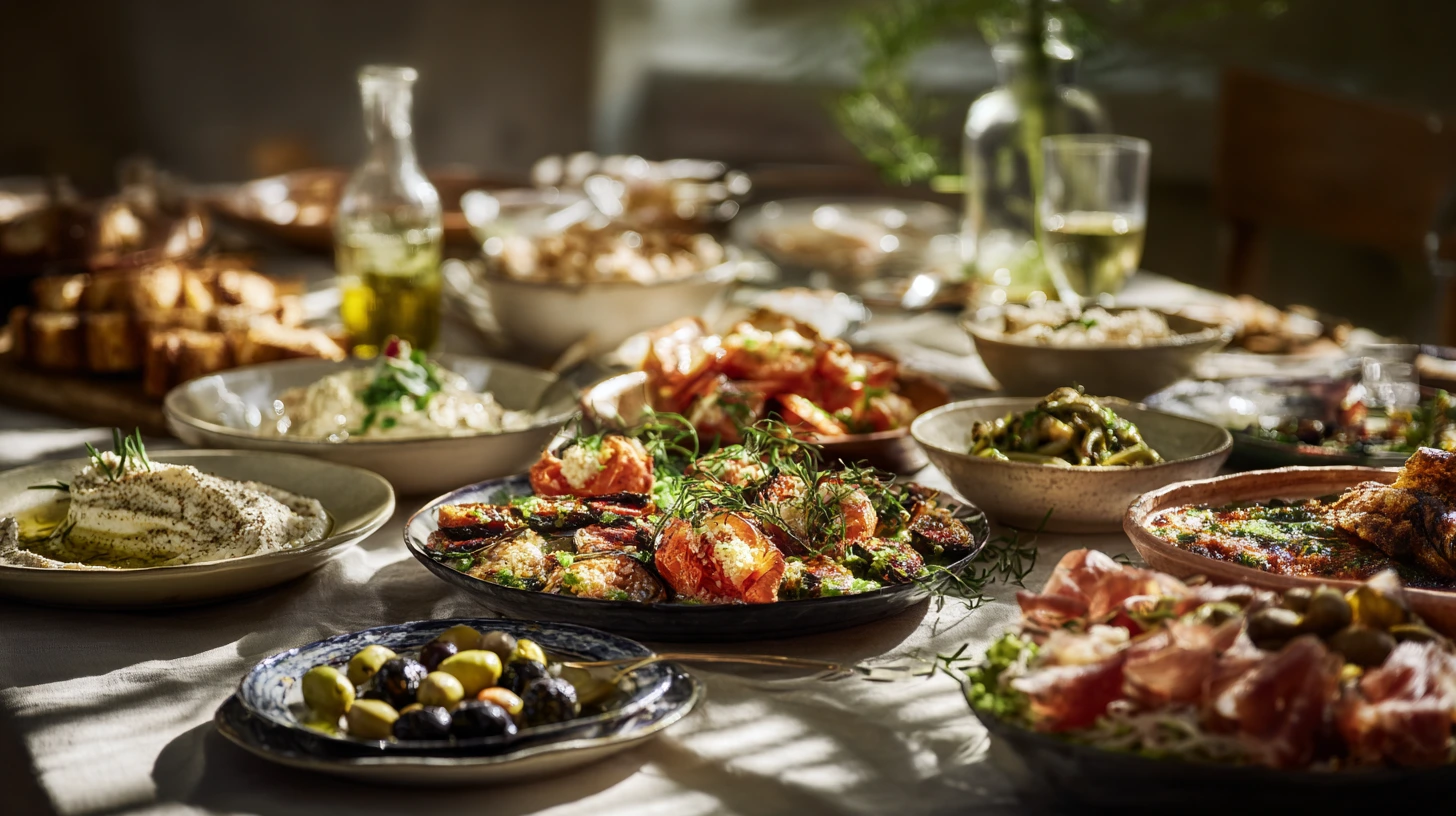
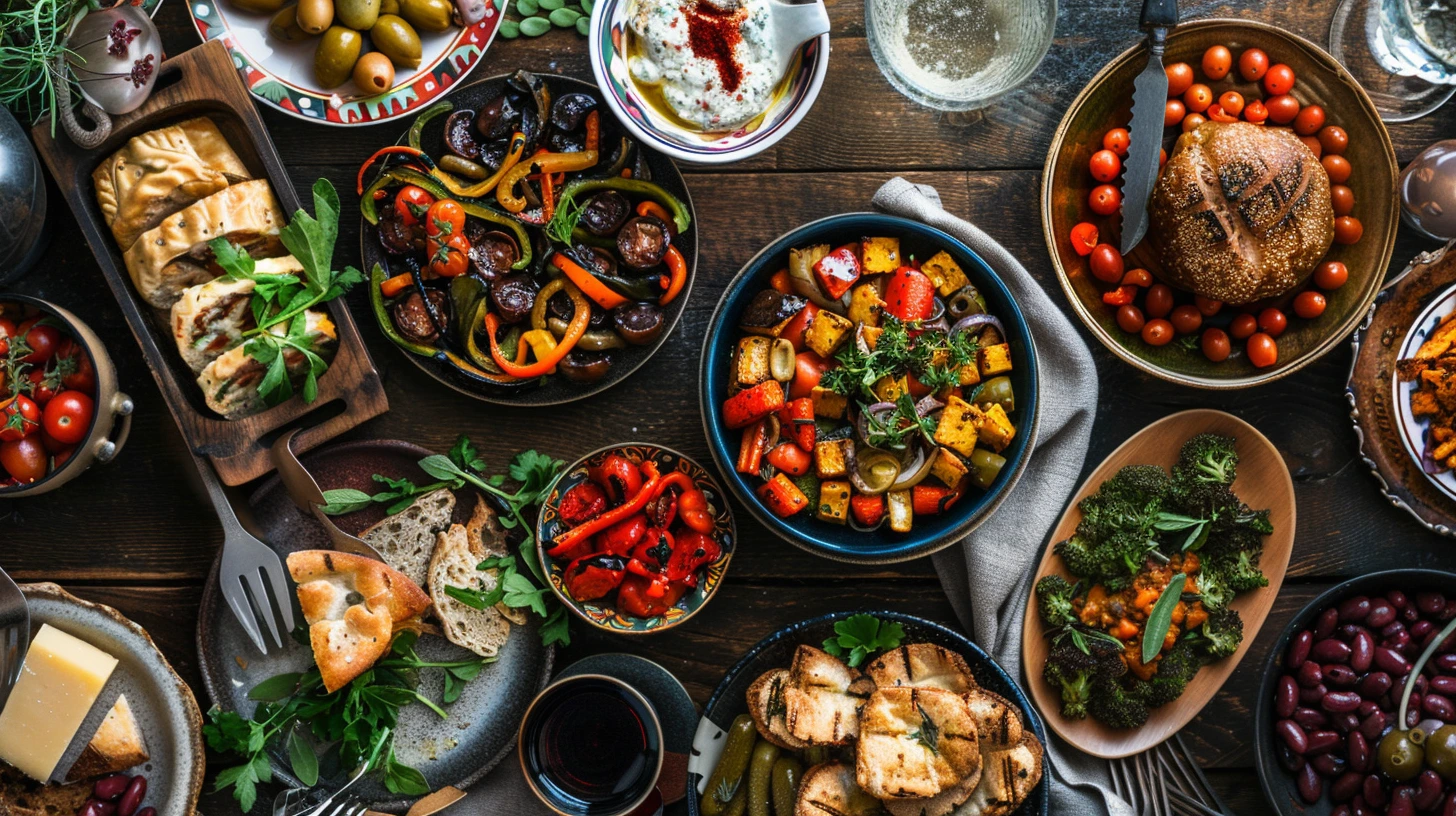
A Mediterranean table is not one cuisine, but a way of eating: olive oil, herbs, vegetables, seafood, bread, beans and dishes tha…
Food arguments are rarely just about food. They are about memory, pride, place, family, authenticity and who gets to decide what…
A signature dish is rarely invented out of nowhere. It grows from landscape, climate, trade, farming, poverty, celebration and th…
Street food wins because it has to: it must be fast, affordable, memorable and good enough to stop someone walking past.
Festival food is never just food. It marks time, gathers family and turns ingredients into memory.
The same ingredient can become three completely different meals depending on whether you roast it, braise it or simmer it.
French country cooking is not fussy. It is slow, seasonal and deeply practical, which is exactly why it tastes so good.
Italian starters work because they trust ingredients: ripe tomatoes, good olive oil, bread, basil, salt and restraint.
Few ingredients define a cuisine as clearly as paprika defines Hungarian cooking, but the story is richer than one spice.
German food is hearty, yes, but it is also regional, seasonal and full of craft: bread, beer, smoke, vinegar, fruit, pork and cak…
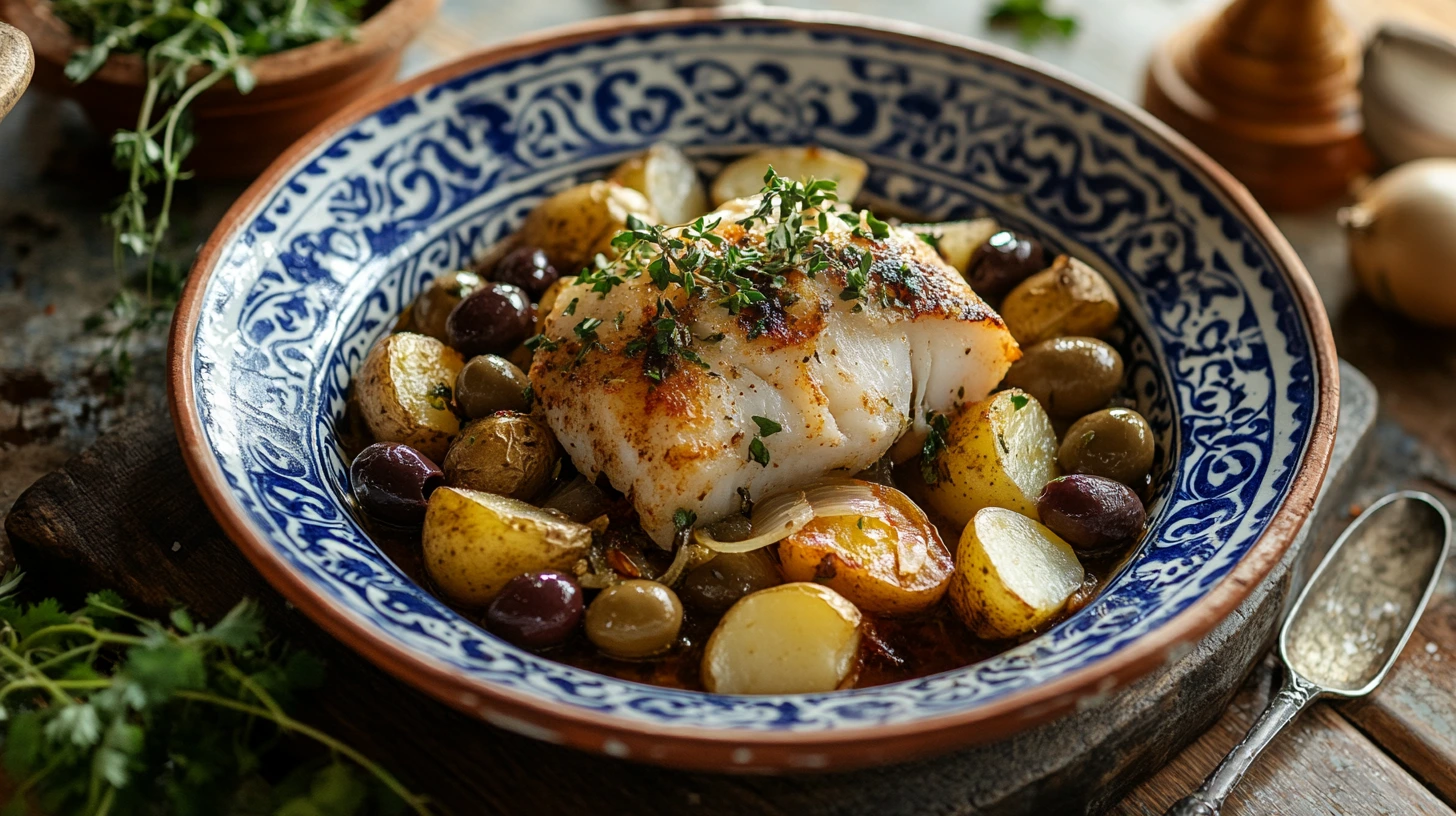
Portuguese food is often reduced to custard tarts, but its real story is salt cod, seafood rice, green soup, convent sweets and A…
Adriatic food carries the taste of islands, fishing boats, stone terraces, olive groves and the old trade routes that joined Ital…
Alpine cooking is food shaped by height, snow and storage: cheese that lasts, potatoes that fill, smoke that preserves and dishes…
A national dish is rarely just the most eaten food. It is often the dish people choose when they want to explain who they are.
Fermentation is one of humanity’s greatest kitchen inventions: a way to preserve food that accidentally created some of our deepe…
Custards and puddings are where luxury meets comfort: milk, eggs, sugar and patience turned into something soft enough to feel no…
French bistro food is not just fine dining made simple. It is market cooking, wine, butter, patience and the art of making ordina…
Portugal’s love affair with salt cod is a story of ocean travel, Catholic fasting days, preservation and national imagination.
Dumplings are proof that some of the world’s best food comes from stretching a small amount of filling into something generous.
Before restaurants, timers and recipe apps, there was the stew pot: practical, forgiving and powerful enough to become a national…
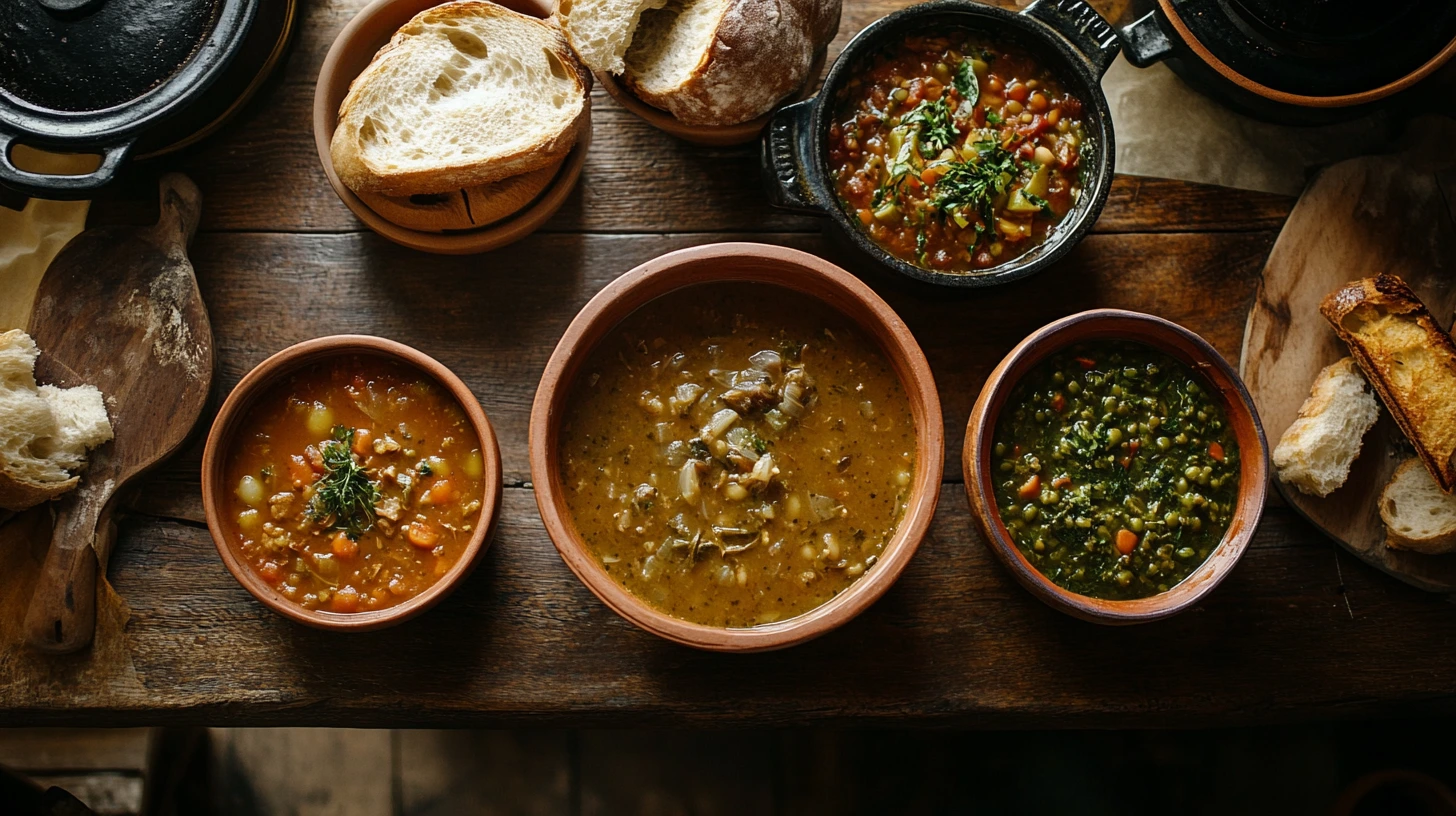
Soup is the original comfort food: a pot of water, a handful of local ingredients, and enough time to turn scarcity into flavour.
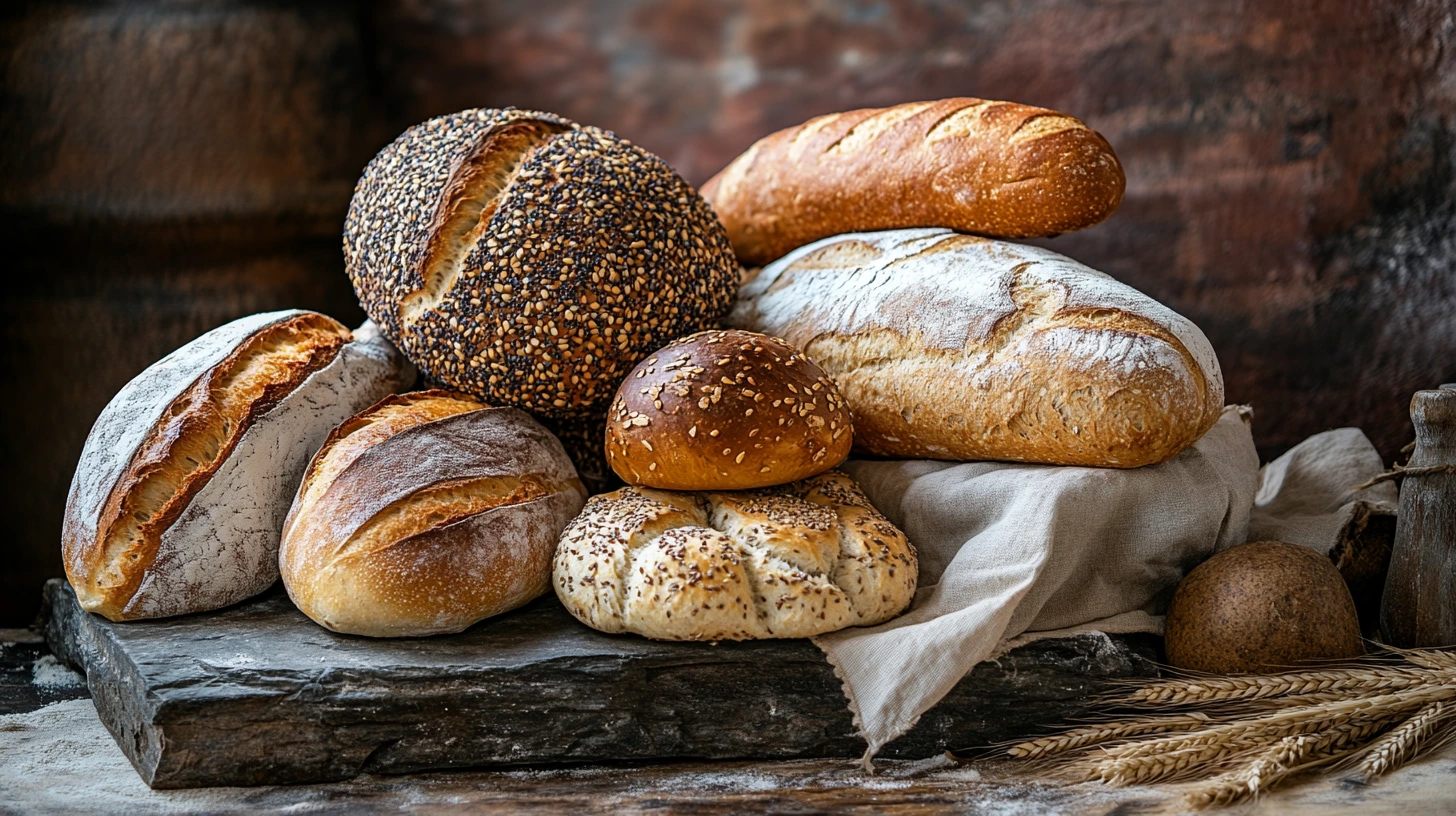
Bread is more than a side dish. It is farming, fire, trade, religion, class and comfort pressed into one of the oldest foods huma…