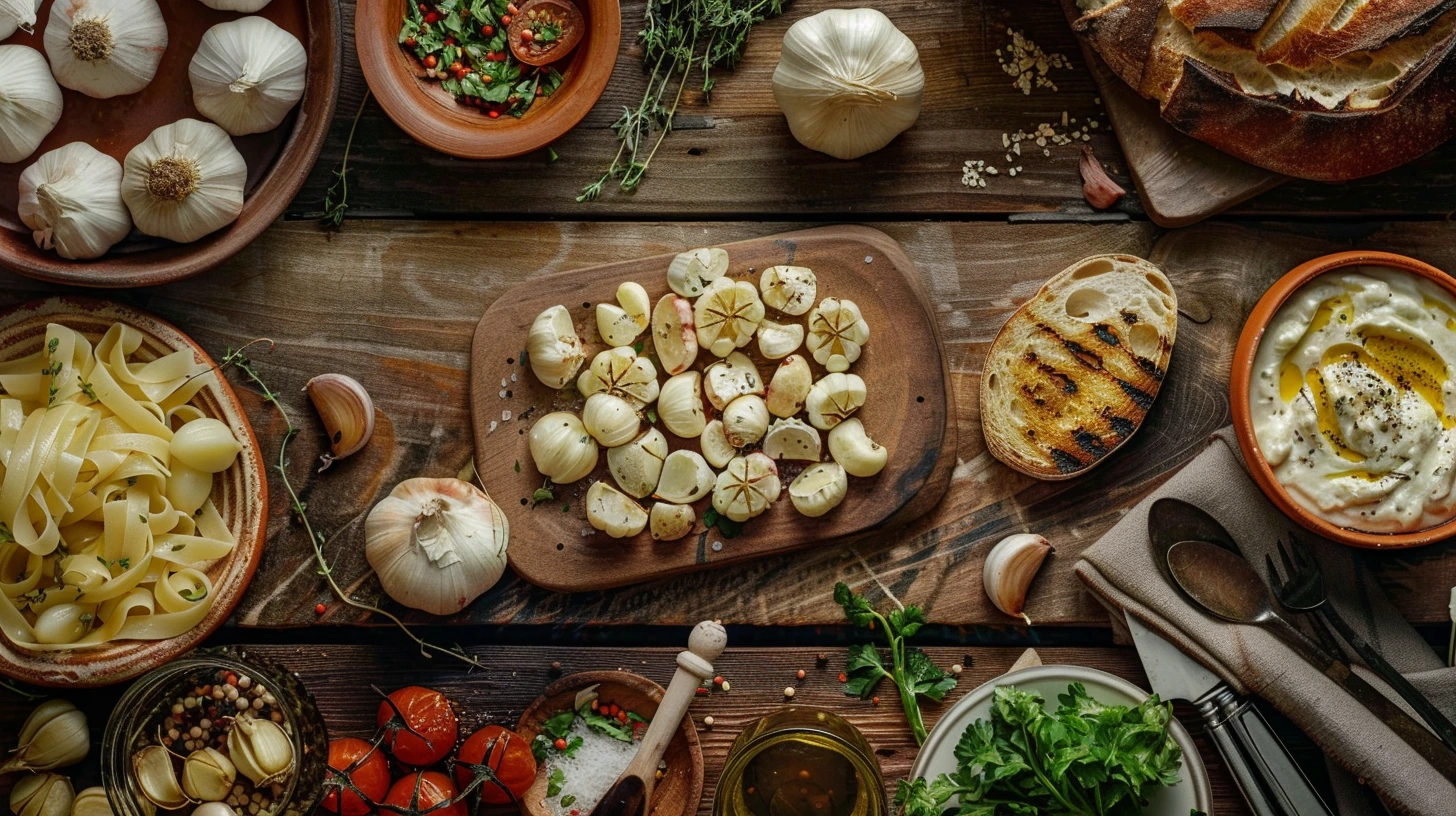
Pasta, noodles and dough are comfort foods because they are simple enough to belong to everyday kitchens, but adaptable enough to carry whole cultures. Flour, water, eggs, salt and patience can become ribbons, tubes, dumplings, sheets, strands, pillows or bowls of broth.
Pasta or noodles: what is the real difference?
The easiest rule is this: pasta is usually the Italian family of shaped doughs, often built around durum wheat semolina, water and sometimes egg. Noodles are a broader global family. They can be wheat, rice, buckwheat, mung bean starch or egg-based, and they often appear as long strands in broths, stir-fries and cold dishes. The line is not perfect because Italian tagliatelle is noodle-like and Chinese dumpling wrappers are pasta-like, but the cooking culture around them is different.
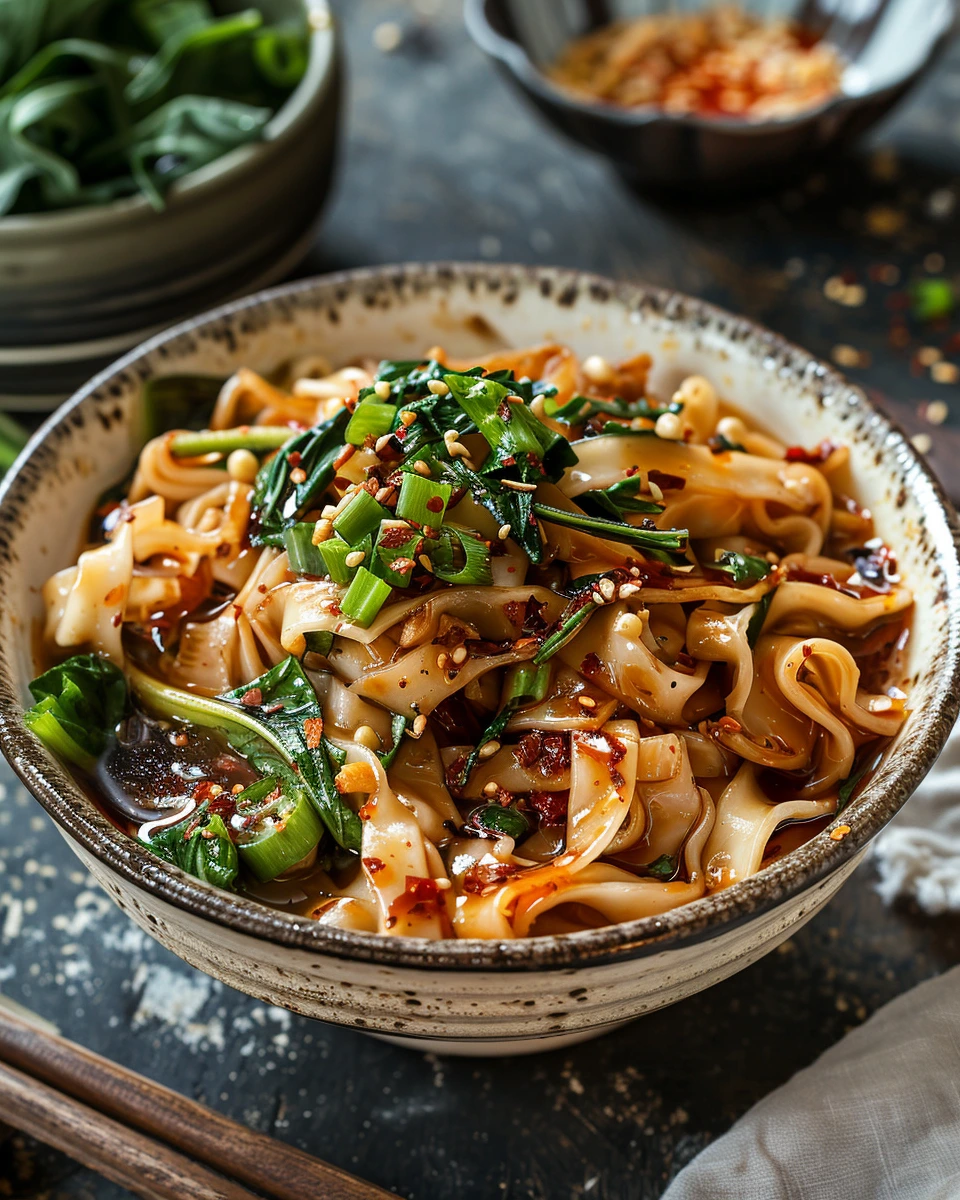
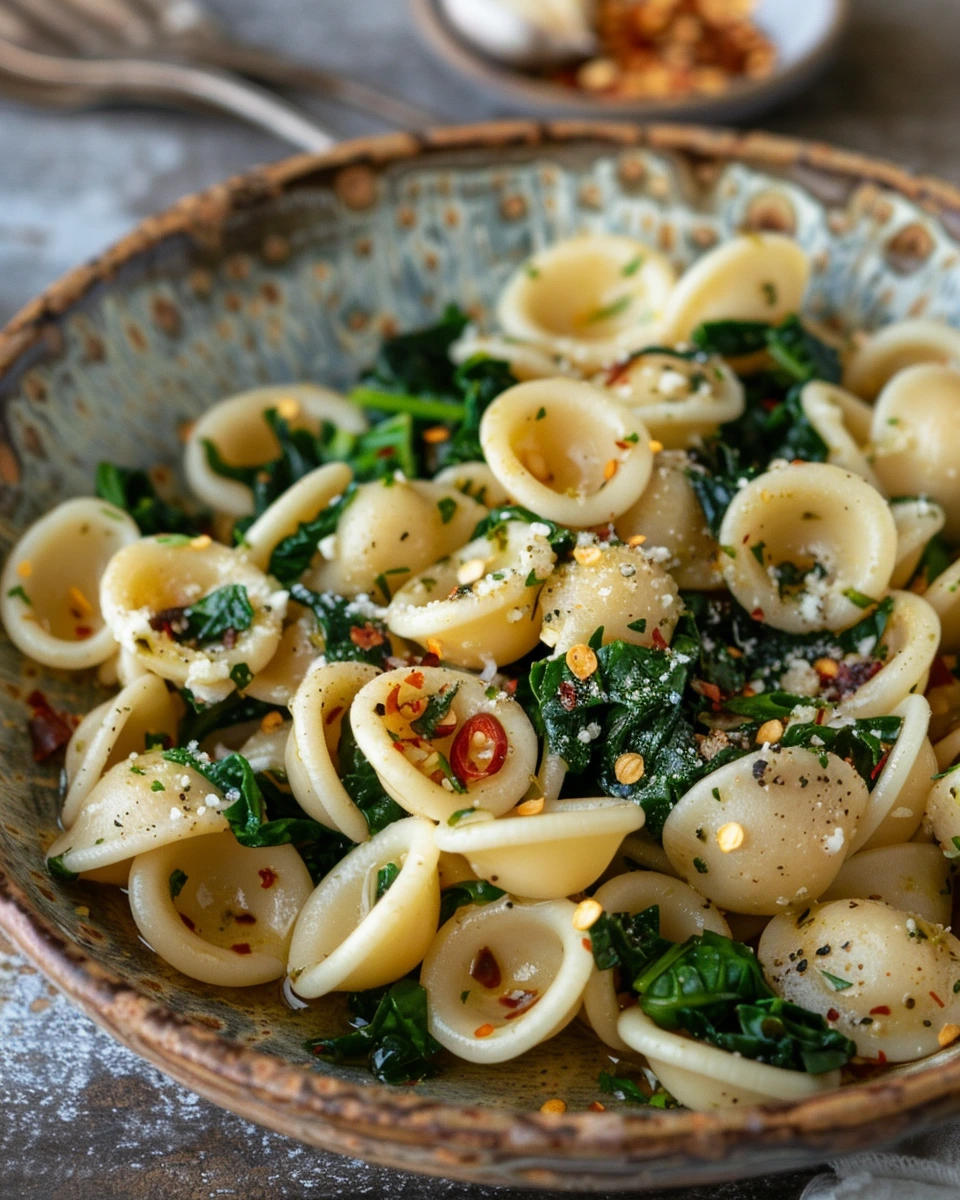
Italian pasta is obsessed with shape because shape controls sauce. Rigatoni catches ragù. Orecchiette holds bitter greens and oil. Trofie twists around pesto. Long spaghetti suits clams, garlic, oil and pepper flakes. Noodles often focus more on pull, chew and broth. Ramen needs bounce, udon needs thickness, soba needs a nutty snap, and biang biang noodles need dramatic width.
Why Italy made pasta shapes into a language
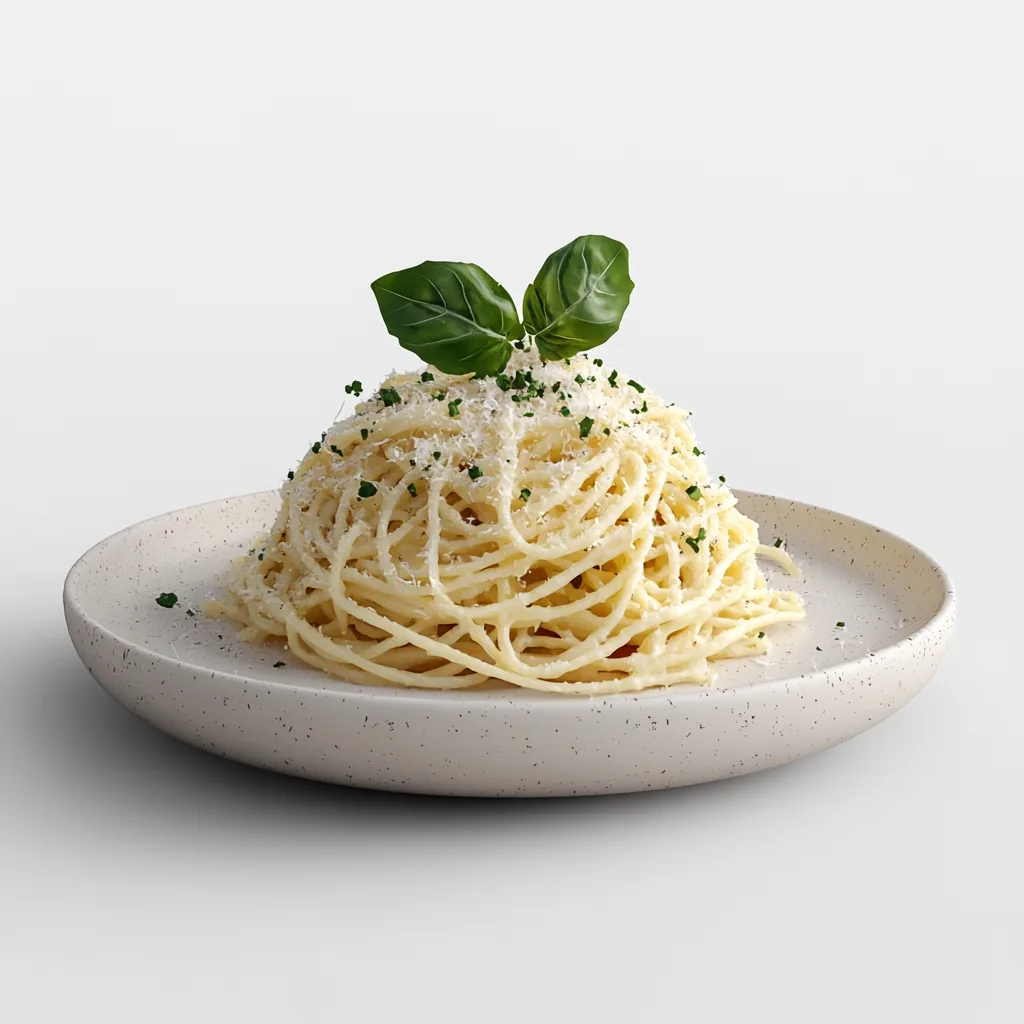
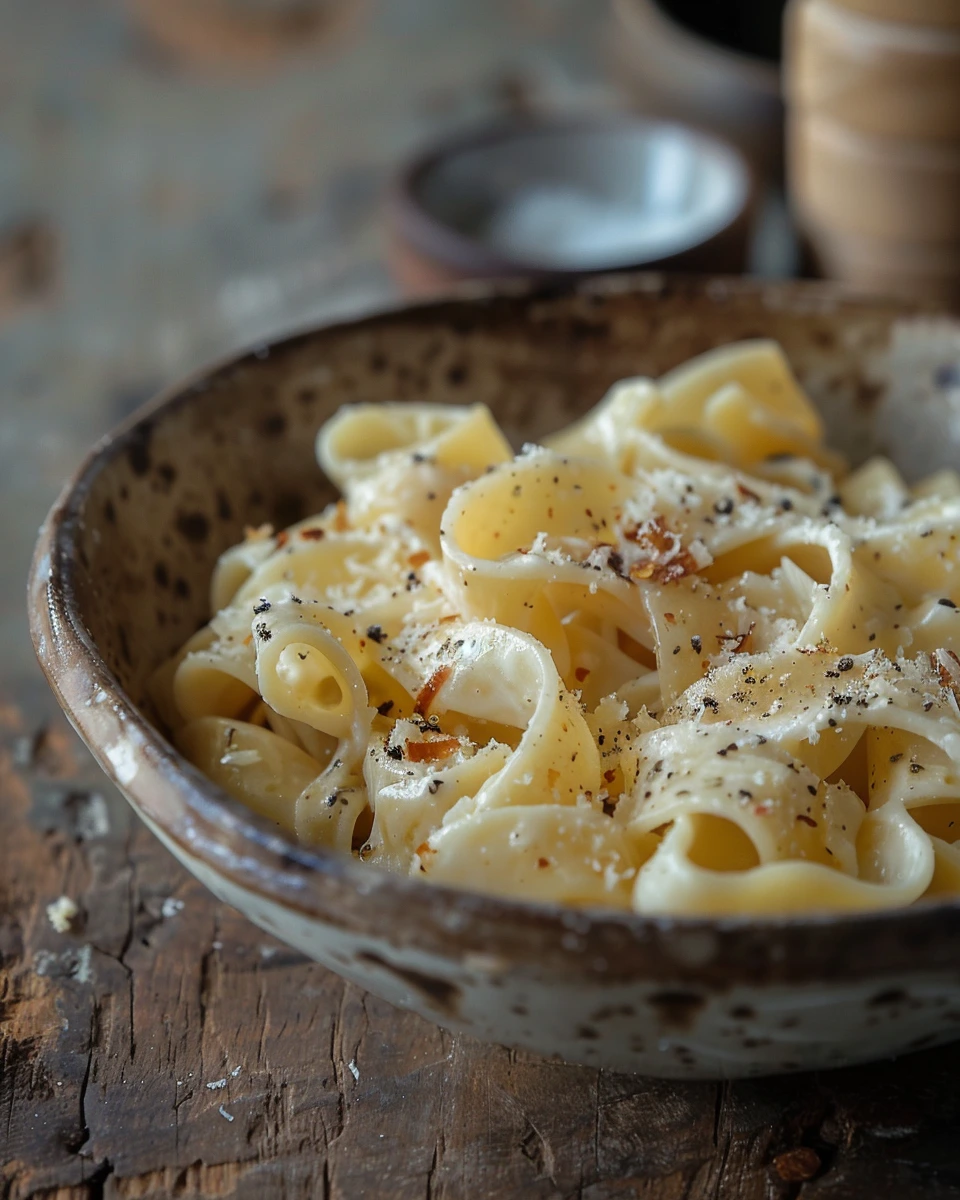
The genius of Italian pasta is that the shape tells you what the sauce wants to do. Rome gives you cook Cacio e Pepe, Carbonara and Pasta alla Gricia. These are not complicated dishes, but they are precise. Cheese, pepper, cured pork, egg and starchy pasta water turn into sauces because the pasta is not just filler. It is the structure of the dish.
Southern Italy takes the story another way. Try Pasta alla Norma, Orecchiette con Cime di Rapa, Trofie al Pesto Genovese and Spaghetti alle Vongole. You can taste geography in them: aubergines and ricotta salata in Sicily, bitter greens in Puglia, basil and pine nuts in Liguria, clams along the coast.
Noodles carry broth, heat and street life
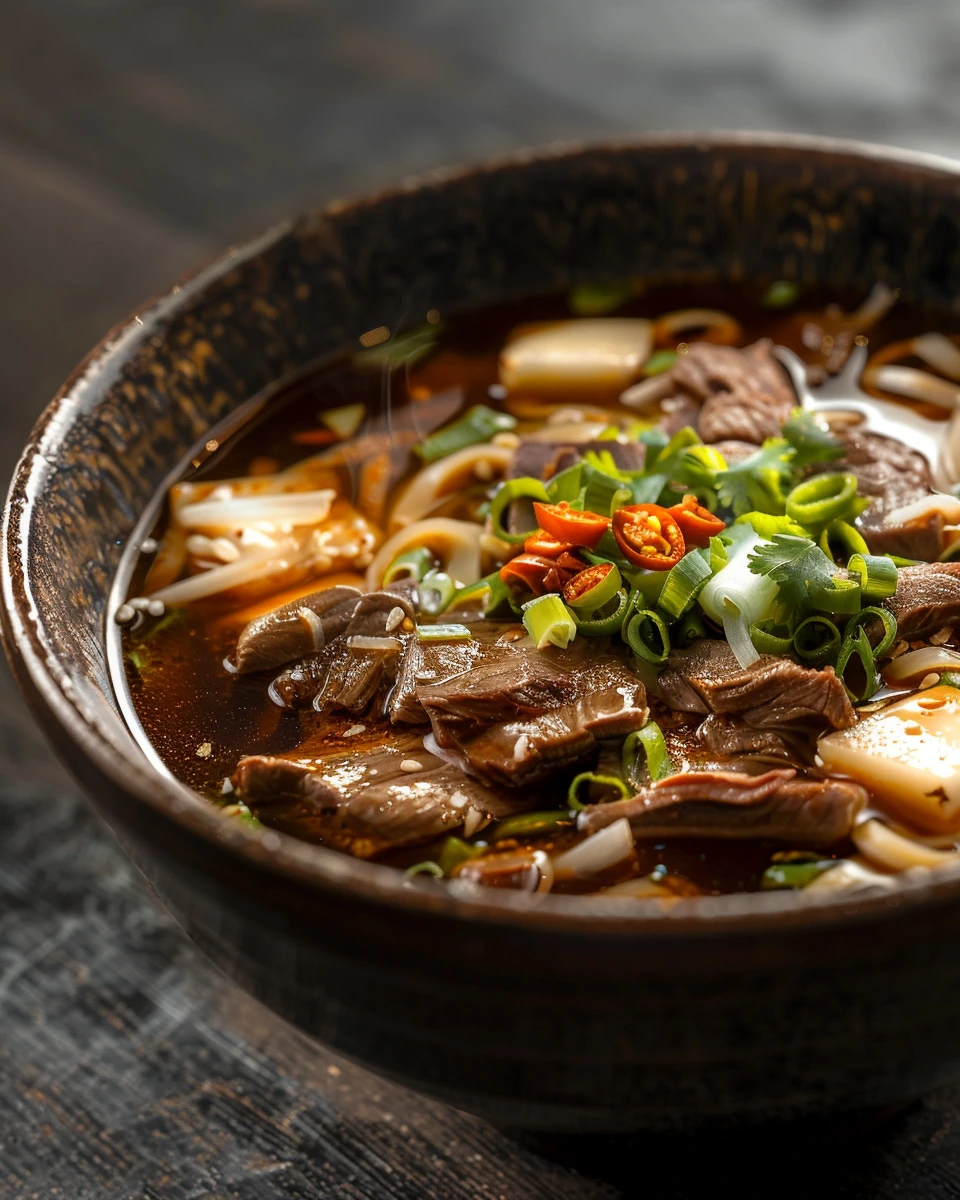
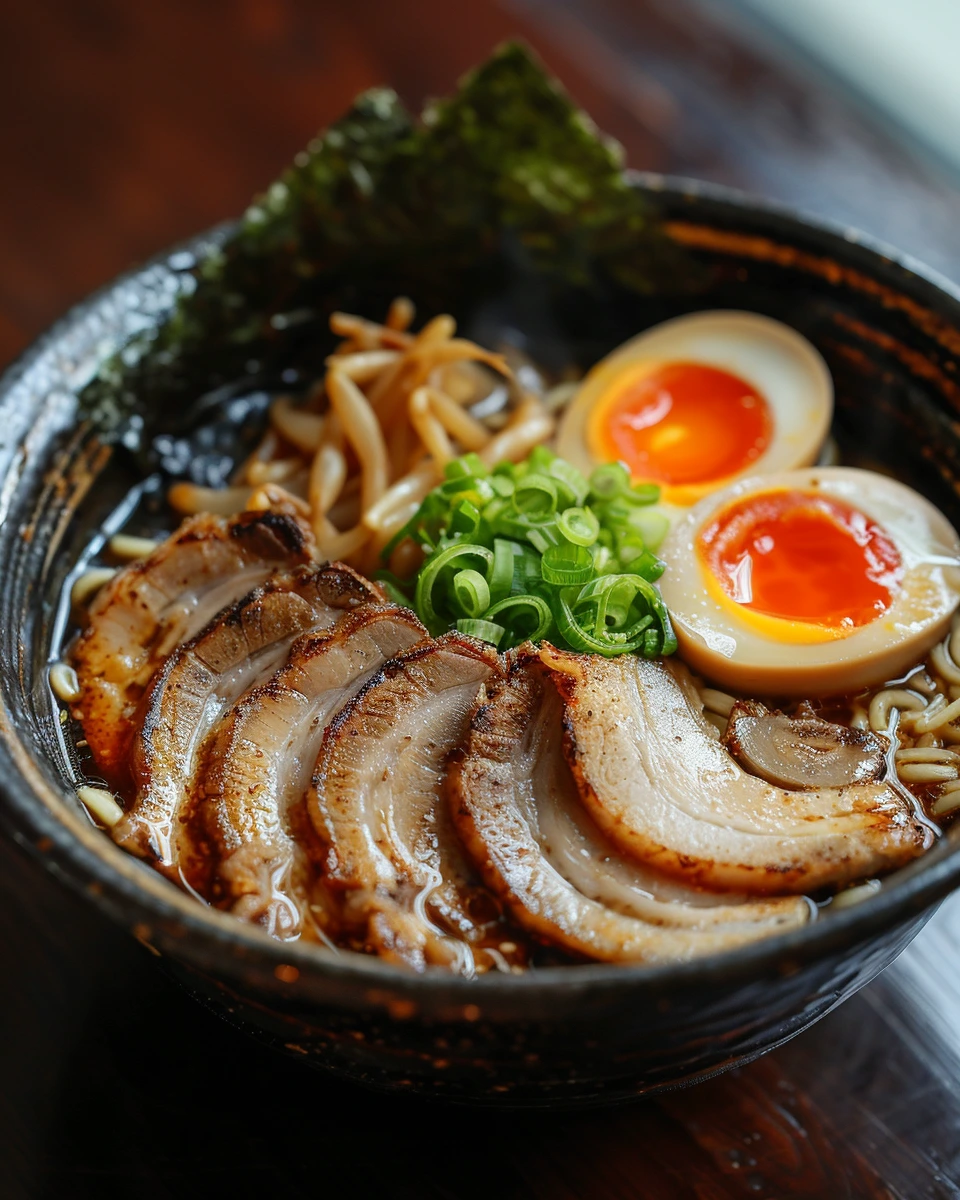
In China and Japan, noodles often live closer to steam, broth and street stalls than to a plated sauce. Lanzhou beef noodle soup is about clear broth, hand-pulled wheat noodles and chilli oil. Biang biang noodles are wide enough to feel rustic and theatrical. Dan dan noodles use chilli, sesame, preserved vegetables and minced pork for intensity. Japanese ramen builds flavour through broth, tare, noodles and toppings, while soba can be served cold so the buckwheat flavour comes forward.
Cook the contrast in one weekend: make Lanzhou Beef Noodle Soup, Biang Biang Noodles, Dan Dan Noodles, Shoyu Ramen, Zaru Soba. You will quickly see why the word noodle is too small for the variety it tries to cover.
Filled dough is where comfort becomes ceremony
When dough wraps a filling, the food immediately feels more personal. Italian agnolotti, Argentinian sorrentinos, Chinese jiaozi and Turkish mantı all ask for hands, time and repetition. They are the kind of foods families make when the work is part of the occasion. The reward is a bite that hides flavour inside a soft wrapper.
Start with Agnolotti del Plin, Sorrentinos de Jamón y Queso, Jiaozi, Mantı. Pour Barbera or Chianti with rich Italian pasta, Grüner Veltliner or Riesling with spicy noodles, and a crisp white with seafood pasta. Add focaccia, baguette or flatbread when the sauce deserves mopping up.
The pasta dishes to learn first
- For pure technique: cook Cacio e Pepe and Carbonara.
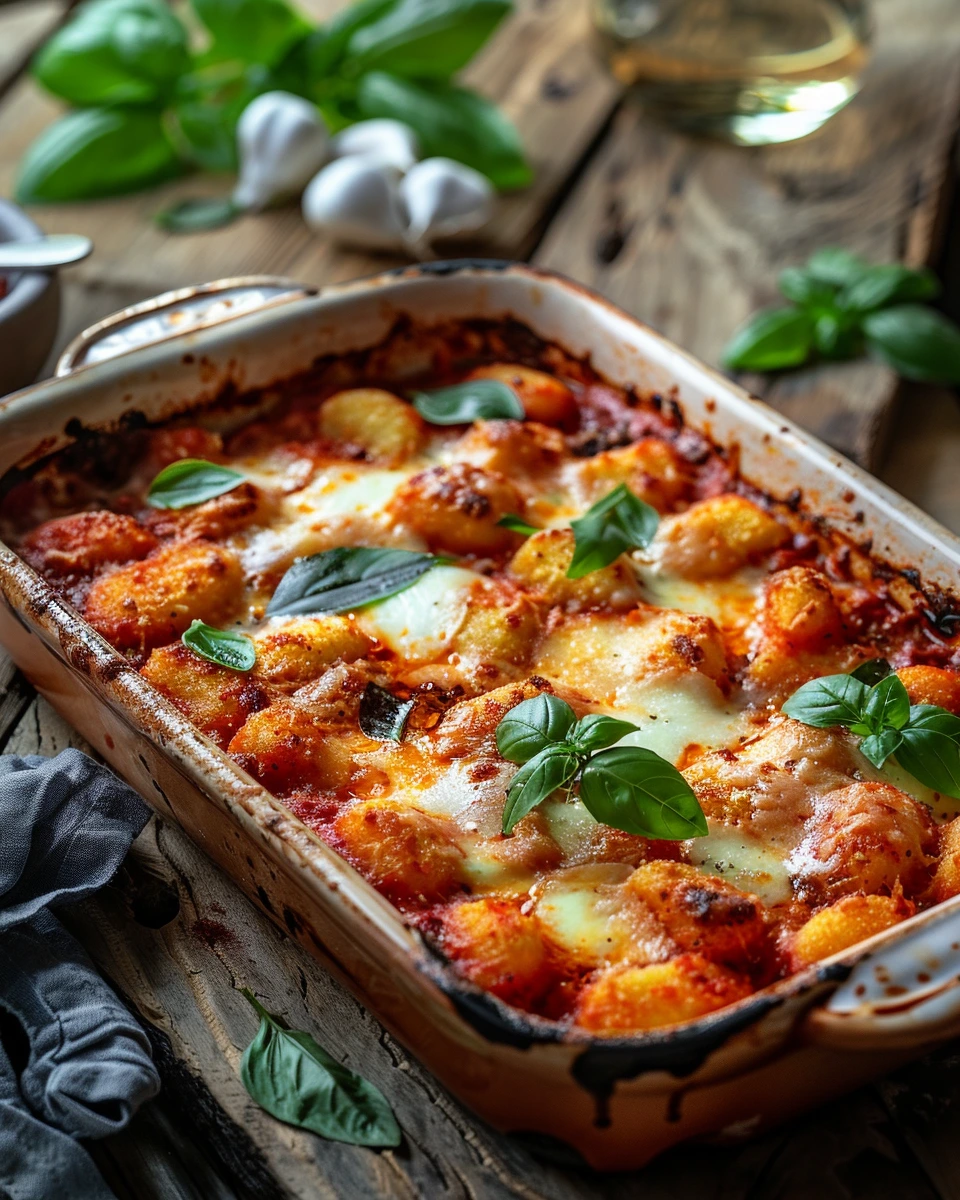
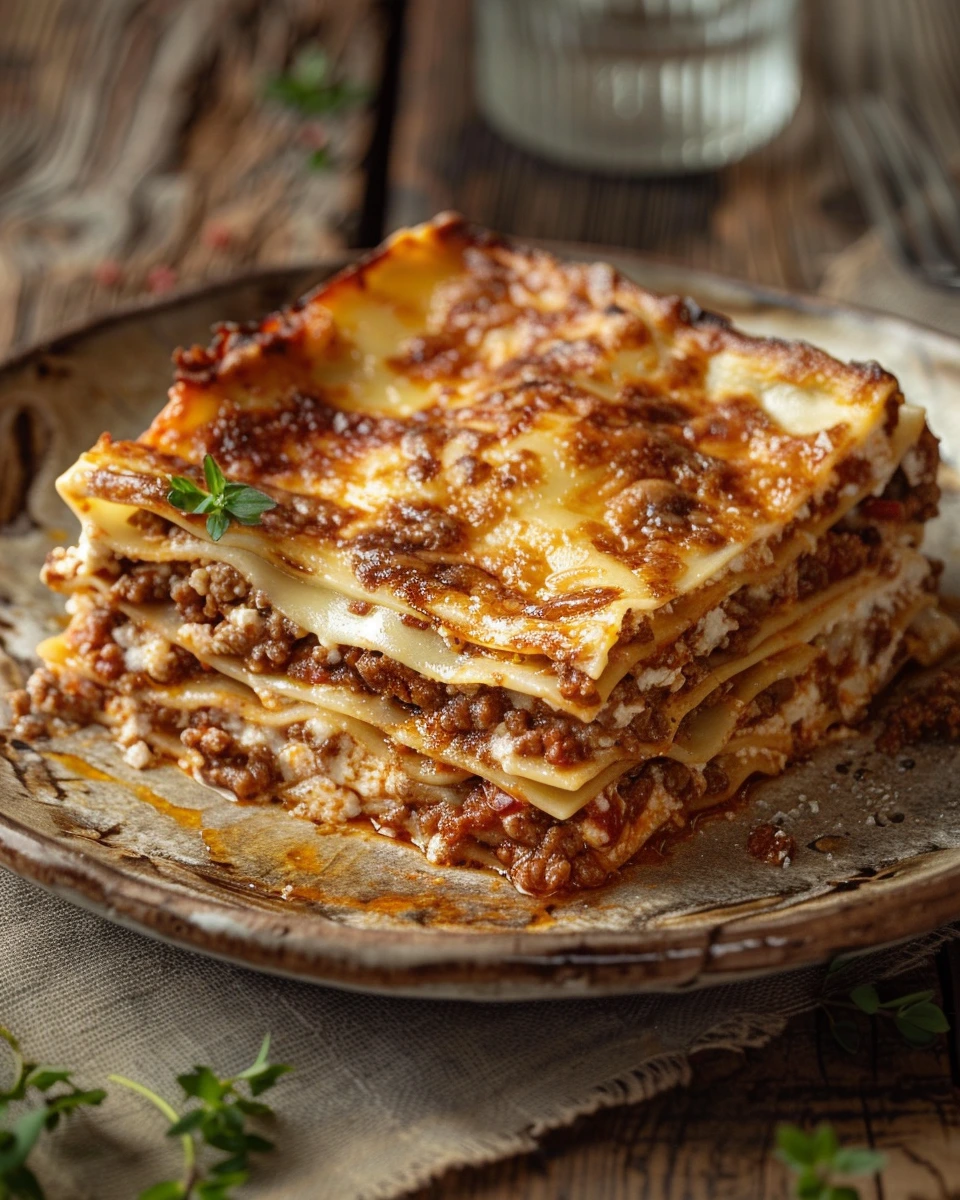
- For baked comfort: make Lasagne alla Bolognese, Pastitsio and Gnocchi alla Sorrentina.
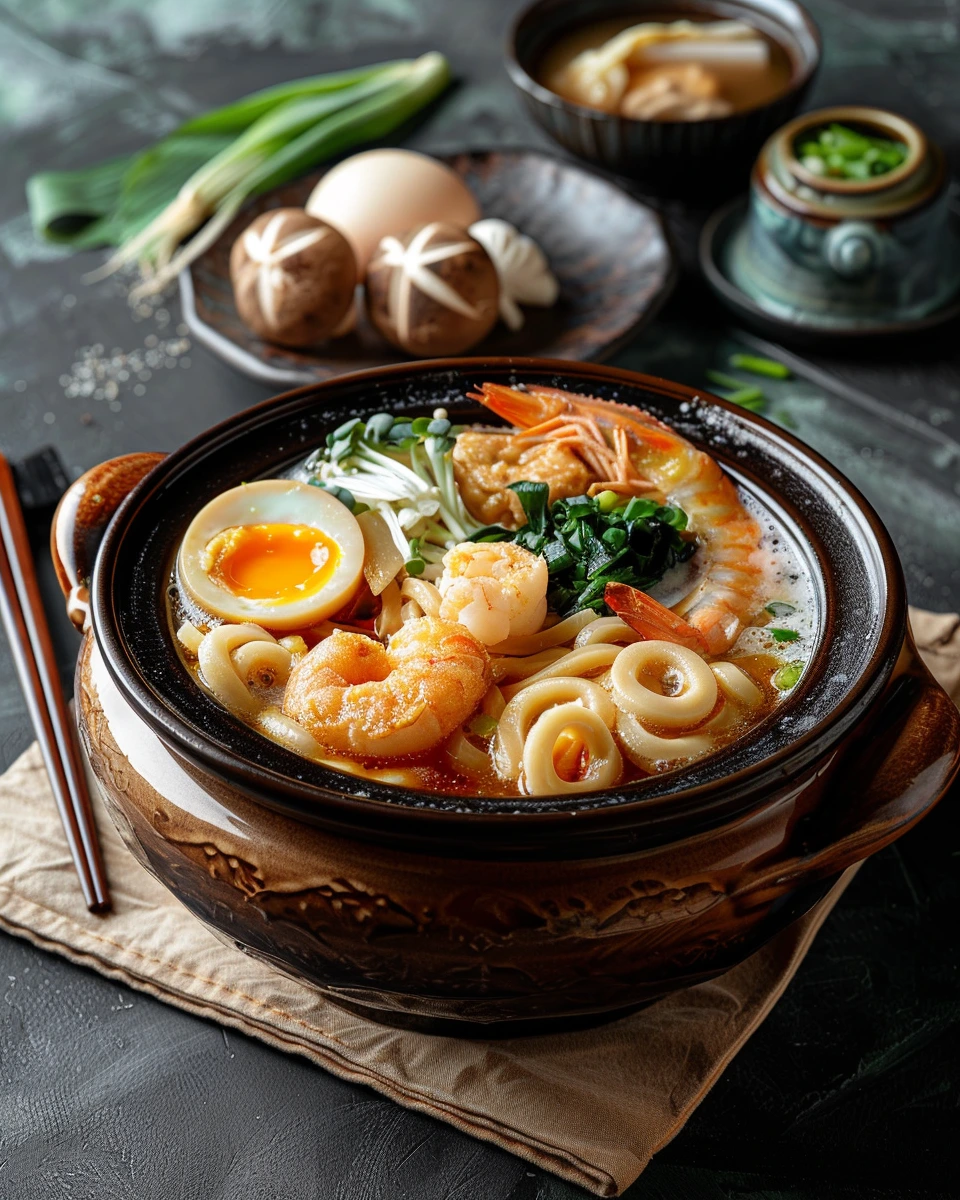
- For noodle drama: try Biang Biang Noodles, Dan Dan Noodles and Nabeyaki Udon.
- For filled dough: try Agnolotti del Plin, Ñoquis del 29 and Sorrentinos de Jamón y Queso.
Pasta and noodles are not rivals. They are two huge branches of the same human instinct: take a plain dough, give it shape, and turn it into comfort.