Tomatoes became embedded in cuisines far from their American origins. The article shows how raw tomato, cooked tomato, concentrated sauce and tomato as acidity each create different roles in a dish.
The point is not to flatten these dishes into one category. It is to put them next to each other so the differences become clearer. Every dish linked below is an active recipe in The World on a Plate database, so readers can move directly from the story into something they can actually cook.
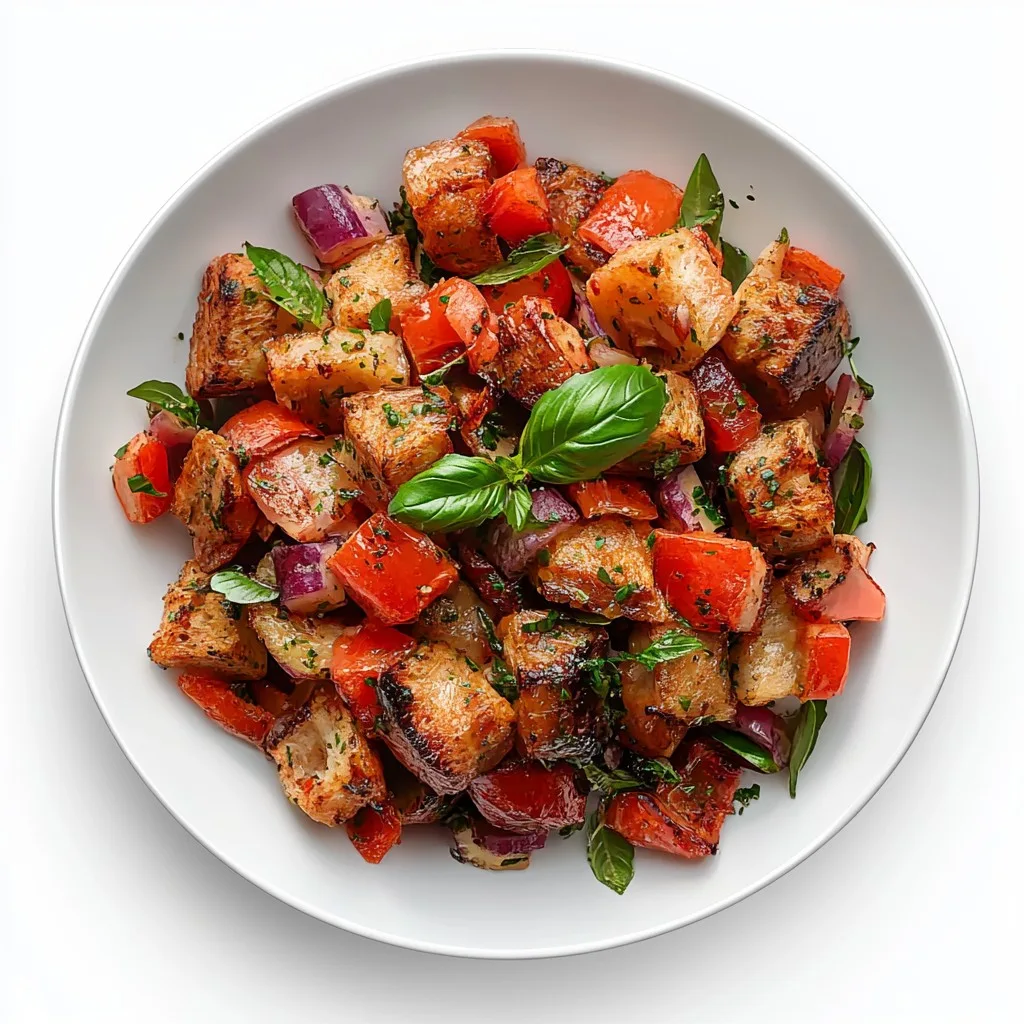
1. Panzanella (Italian)
Panzanella is a story-rich Italian starter that opens the meal with clear regional flavour, simple presentation and a strong sense of place.
What makes this dish useful in the comparison is the way it expresses Italian cooking through its balance of ingredients, texture and method. Rather than treating it as a generic example, look at the decisions behind it: what is cooked first, where richness comes from, what provides acidity or freshness, and how the dish is normally completed at the table.
2. Bruschetta (Italian)
Bruschetta is a story-rich Italian starter that opens the meal with clear regional flavour, simple presentation and a strong sense of place.
What makes this dish useful in the comparison is the way it expresses Italian cooking through its balance of ingredients, texture and method. Rather than treating it as a generic example, look at the decisions behind it: what is cooked first, where richness comes from, what provides acidity or freshness, and how the dish is normally completed at the table.
3. Pasta alla Norma (Italian)
Pasta alla Norma is an authentic Italian main from Sicily, prepared with careful traditional technique and exact, practical measures.
What makes this dish useful in the comparison is the way it expresses Italian cooking through its balance of ingredients, texture and method. Rather than treating it as a generic example, look at the decisions behind it: what is cooked first, where richness comes from, what provides acidity or freshness, and how the dish is normally completed at the table.
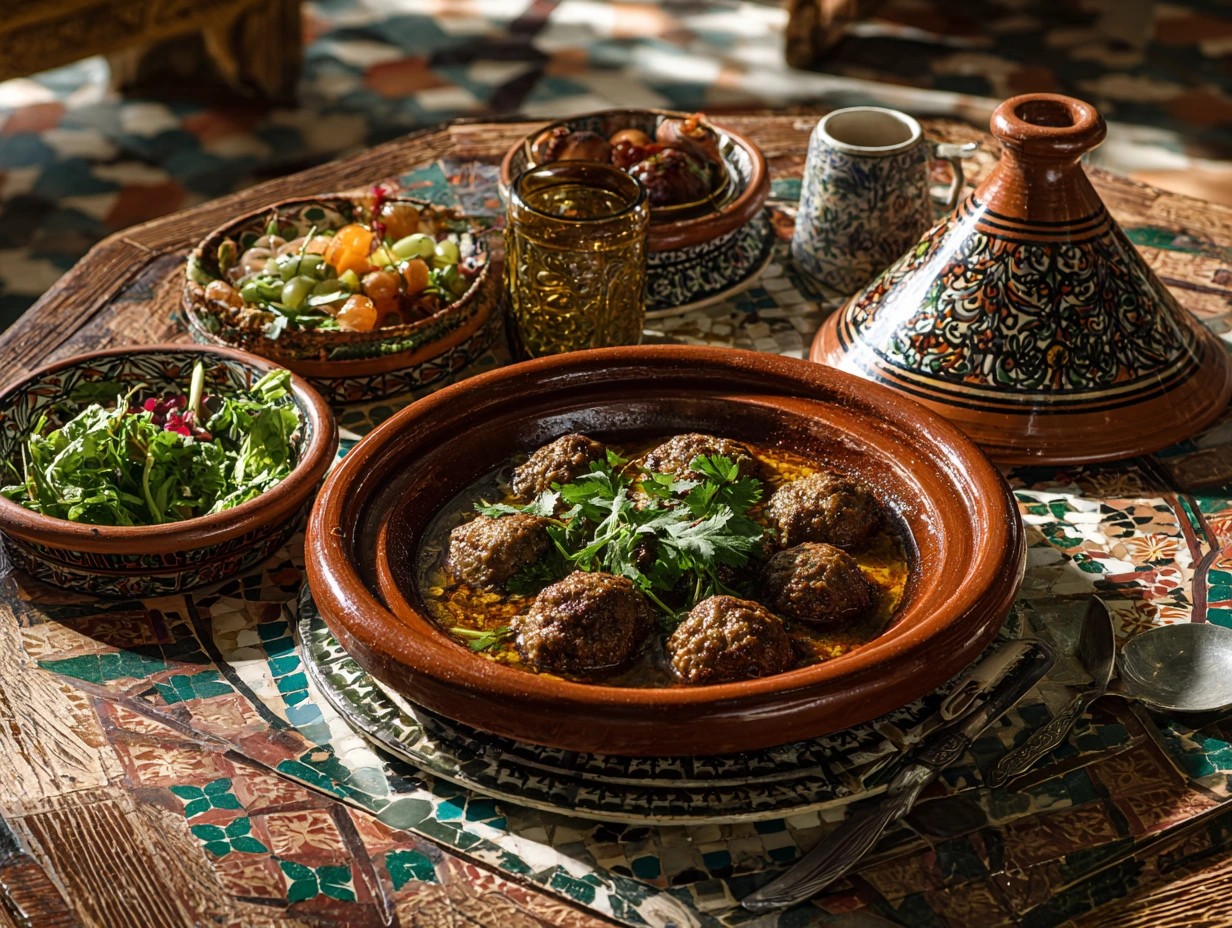
4. Kefta Mkaouara (Moroccan)
Moroccan meatball tagine simmered in tomato sauce with cumin, paprika, parsley, coriander and eggs.
What makes this dish useful in the comparison is the way it expresses Moroccan cooking through its balance of ingredients, texture and method. Rather than treating it as a generic example, look at the decisions behind it: what is cooked first, where richness comes from, what provides acidity or freshness, and how the dish is normally completed at the table.
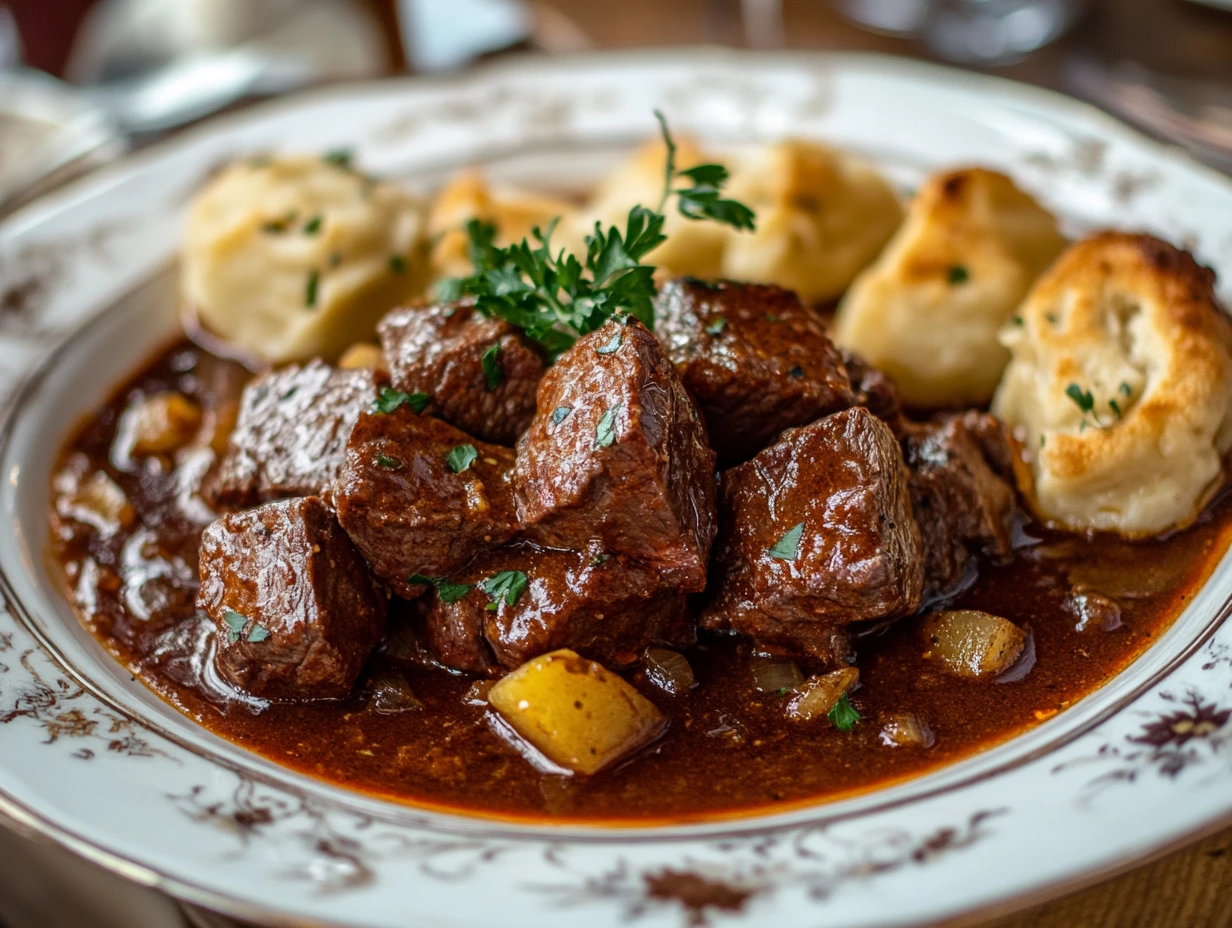
5. Rajská Omáčka (Czech)
Rajská Omáčka is a traditional Czech main built around slow-cooked meat, deep seasoning and the generous cooking associated with feasts and hospitality.
What makes this dish useful in the comparison is the way it expresses Czech cooking through its balance of ingredients, texture and method. Rather than treating it as a generic example, look at the decisions behind it: what is cooked first, where richness comes from, what provides acidity or freshness, and how the dish is normally completed at the table.
6. Tallarines con Tuco (Argentinian)
Fresh or dried noodles with slow tomato and meat sauce.
What makes this dish useful in the comparison is the way it expresses Argentinian cooking through its balance of ingredients, texture and method. Rather than treating it as a generic example, look at the decisions behind it: what is cooked first, where richness comes from, what provides acidity or freshness, and how the dish is normally completed at the table.
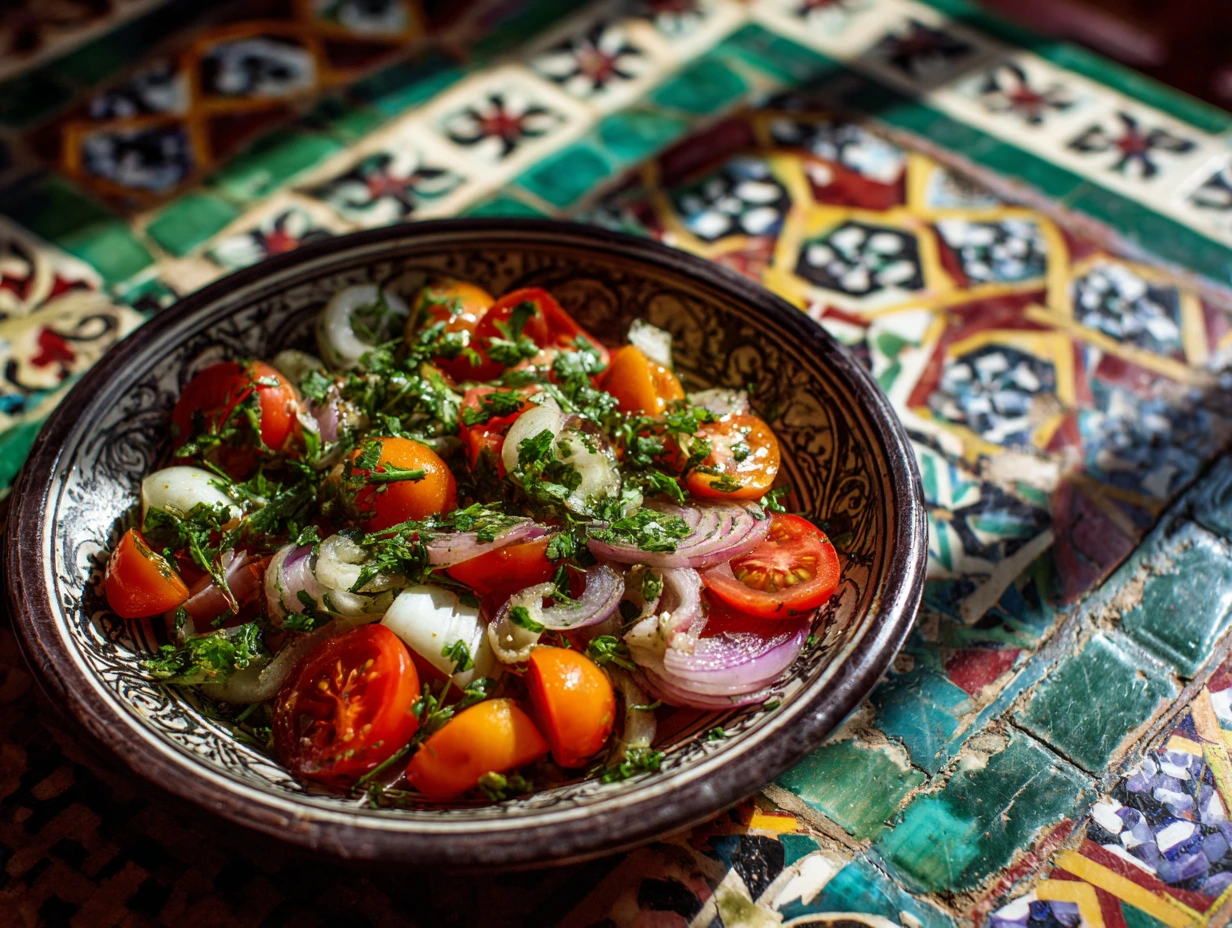
7. Moroccan Tomato and Onion Salad (Moroccan)
Fresh chopped tomato, onion, cucumber, parsley, cumin, lemon and olive oil served as a cooling Moroccan salad.
What makes this dish useful in the comparison is the way it expresses Moroccan cooking through its balance of ingredients, texture and method. Rather than treating it as a generic example, look at the decisions behind it: what is cooked first, where richness comes from, what provides acidity or freshness, and how the dish is normally completed at the table.
What to compare as you cook
Cook two or three of these dishes within a few weeks and compare them deliberately. Notice the base flavour before the main ingredient goes in, the cooking vessel, the amount of liquid, the finishing ingredients and the role of side dishes. Those small choices are often where national and regional identity becomes most obvious.
Where to start
For the clearest contrast, begin with Panzanella, then cook Kefta Mkaouara and finish with Moroccan Tomato and Onion Salad. Together they give a practical route through the theme without pretending that one technique explains every cuisine.