The potato is exceptionally adaptable, but each cuisine has developed a different relationship with texture. This guide compares grating, boiling, mashing, frying and baking, from Andean dishes to European comfort food.
The point is not to flatten these dishes into one category. It is to put them next to each other so the differences become clearer. Every dish linked below is an active recipe in The World on a Plate database, so readers can move directly from the story into something they can actually cook.
1. Bramboraky (Czech)
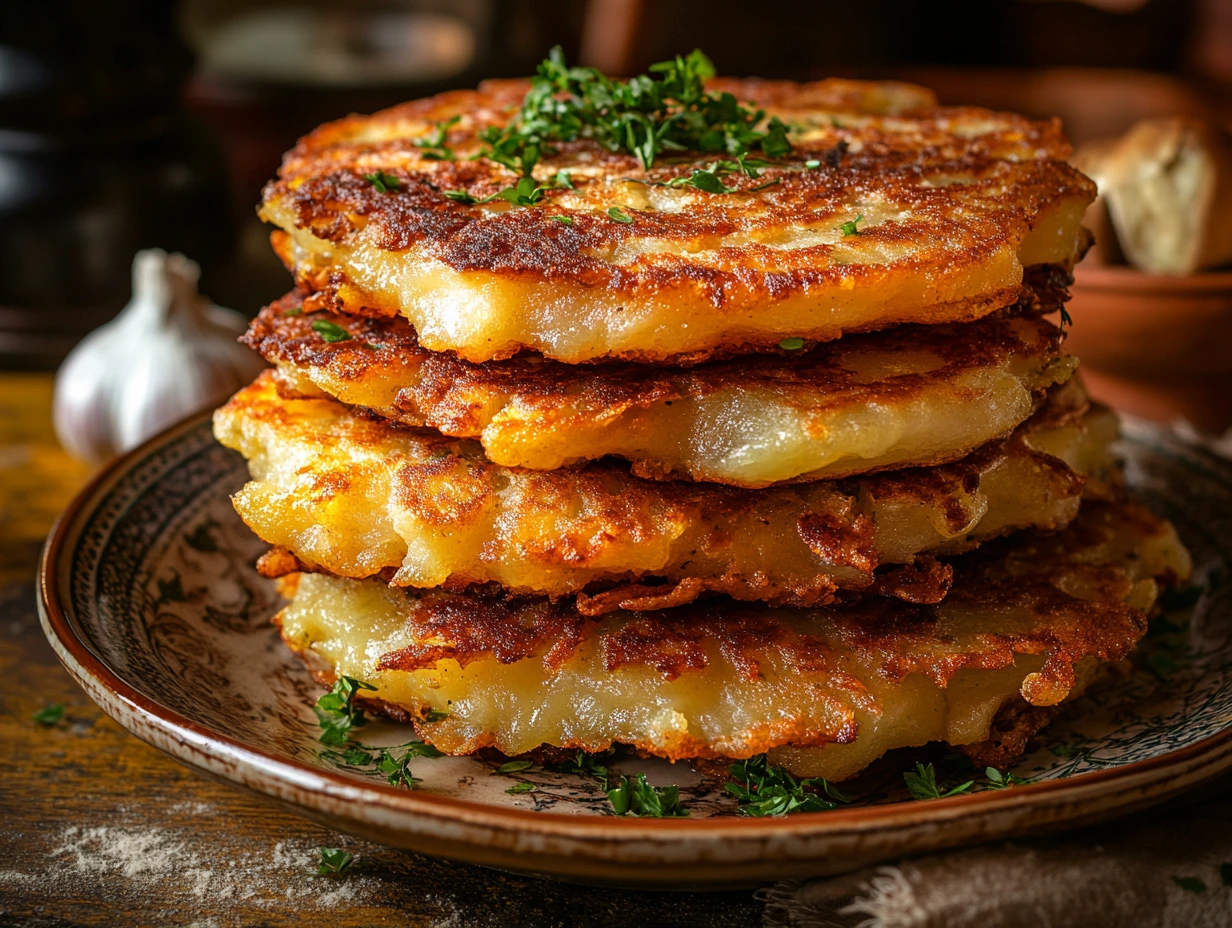
Bramboraky is a traditional Czech starter built around bright appetising flavours, hand-held texture or a small dish that opens the meal.
What makes this dish useful in the comparison is the way it expresses Czech cooking through its balance of ingredients, texture and method. Rather than treating it as a generic example, look at the decisions behind it: what is cooked first, where richness comes from, what provides acidity or freshness, and how the dish is normally completed at the table.
2. Rösti (Starter Portion) (Swiss)
Rösti (Starter Portion) is a story-rich Swiss starter that opens the meal with clear regional flavour, simple presentation and a strong sense of place.
What makes this dish useful in the comparison is the way it expresses Swiss cooking through its balance of ingredients, texture and method. Rather than treating it as a generic example, look at the decisions behind it: what is cooked first, where richness comes from, what provides acidity or freshness, and how the dish is normally completed at the table.
3. Shepherd’s Pie (British)
Shepherd’s Pie is a classic British main course built around comforting flavour, cultural heritage and the kind of cooking that makes a meal feel memorable.
What makes this dish useful in the comparison is the way it expresses British cooking through its balance of ingredients, texture and method. Rather than treating it as a generic example, look at the decisions behind it: what is cooked first, where richness comes from, what provides acidity or freshness, and how the dish is normally completed at the table.
4. Pastel de Papas Argentino (Argentinian)
Argentinian beef and olive cottage pie topped with creamy mashed potato.
What makes this dish useful in the comparison is the way it expresses Argentinian cooking through its balance of ingredients, texture and method. Rather than treating it as a generic example, look at the decisions behind it: what is cooked first, where richness comes from, what provides acidity or freshness, and how the dish is normally completed at the table.
5. Aloo Pie (Trinidadian)
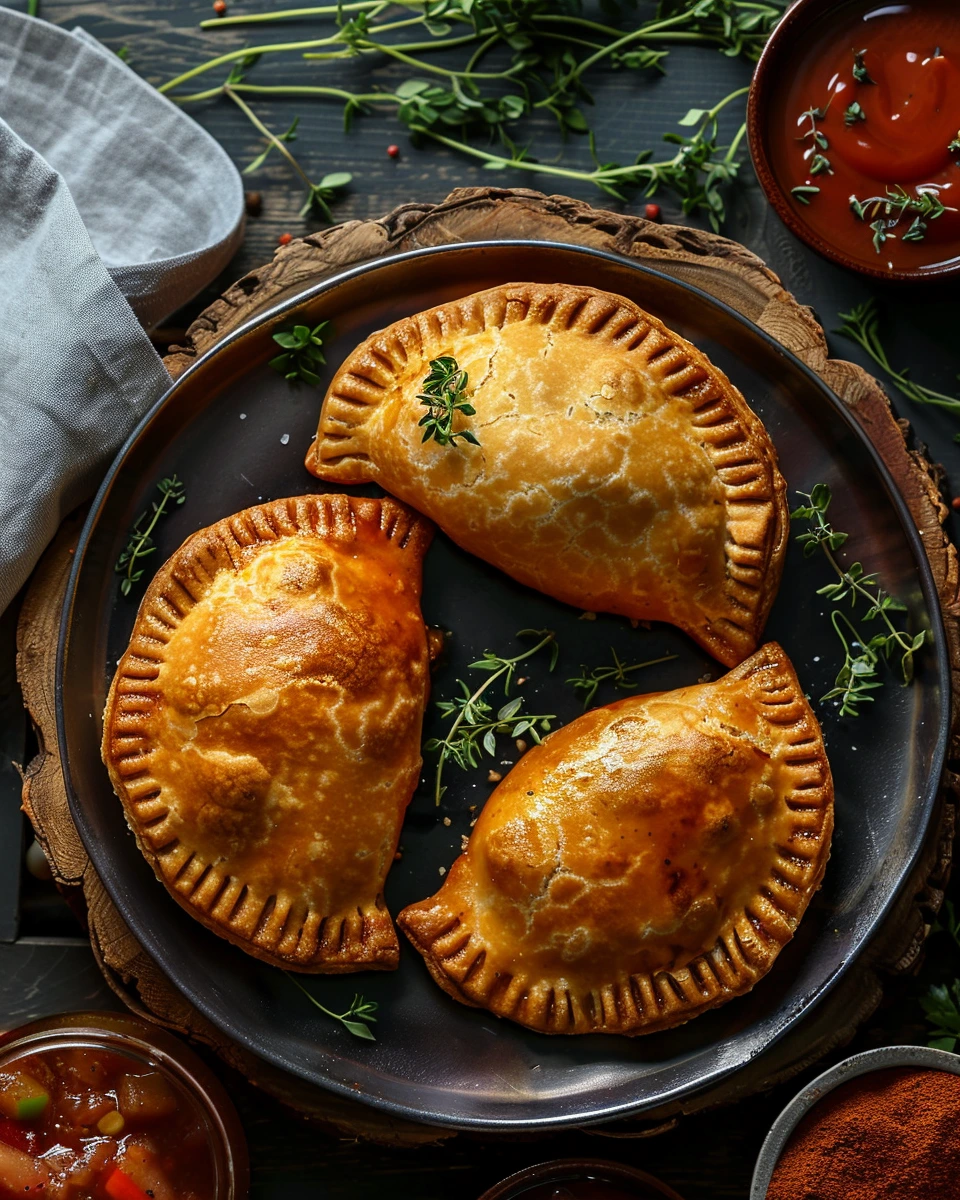
Aloo Pie is a traditional Trinidadian starter built around bright appetising flavours, hand-held texture or a small dish that opens the meal.
What makes this dish useful in the comparison is the way it expresses Trinidadian cooking through its balance of ingredients, texture and method. Rather than treating it as a generic example, look at the decisions behind it: what is cooked first, where richness comes from, what provides acidity or freshness, and how the dish is normally completed at the table.
6. Bhajia za Viazi (Kenyan)
Bhajia za Viazi is a traditional Kenyan starter built around bright appetising flavours, hand-held texture or a small dish that opens the meal.
What makes this dish useful in the comparison is the way it expresses Kenyan cooking through its balance of ingredients, texture and method. Rather than treating it as a generic example, look at the decisions behind it: what is cooked first, where richness comes from, what provides acidity or freshness, and how the dish is normally completed at the table.
7. Tortilla de Papas Argentina (Argentinian)
Thick potato and onion omelette, softly set inside and golden outside.
What makes this dish useful in the comparison is the way it expresses Argentinian cooking through its balance of ingredients, texture and method. Rather than treating it as a generic example, look at the decisions behind it: what is cooked first, where richness comes from, what provides acidity or freshness, and how the dish is normally completed at the table.
8. Kartoffelsuppe (German)
Kartoffelsuppe is a story-rich German starter that opens the meal with clear regional flavour, simple presentation and a strong sense of place.
What makes this dish useful in the comparison is the way it expresses German cooking through its balance of ingredients, texture and method. Rather than treating it as a generic example, look at the decisions behind it: what is cooked first, where richness comes from, what provides acidity or freshness, and how the dish is normally completed at the table.
What to compare as you cook
Cook two or three of these dishes within a few weeks and compare them deliberately. Notice the base flavour before the main ingredient goes in, the cooking vessel, the amount of liquid, the finishing ingredients and the role of side dishes. Those small choices are often where national and regional identity becomes most obvious.
Where to start
For the clearest contrast, begin with Bramboraky, then cook Aloo Pie and finish with Kartoffelsuppe. Together they give a practical route through the theme without pretending that one technique explains every cuisine.