Swiss cuisine is shaped by Alpine farming, cantonal identity and the meeting of German, French and Italian-speaking regions. Cheese, potatoes, bread, dairy, cured meat and chocolate are important, but dishes vary considerably between mountain valleys, cities and border areas.
Swiss cuisine reflects Alpine farming, medieval trade routes and the meeting of German, French and Italian-speaking regions. Dairy preservation made cheese central, while mountain communities relied on breads, potatoes and hearty dishes suited to cold winters.
Why it is famous
The best-known parts of Swiss cuisine include fondue, raclette, rösti, Zürcher Geschnetzeltes, alpine cheeses, chocolate and regional pastries. Behind them is a much broader everyday food culture, where family recipes and regional habits often reveal more about the country than the internationally famous dishes alone.
Regional food story
French-speaking Switzerland brings fondue traditions and western European influence; Ticino leans towards polenta, risotto and Italian flavours; German-speaking regions are known for rösti, sausages and veal dishes; Graubünden has air-dried meats and distinctive mountain specialities.
Cook by course
Swiss recipes
Start with a starter, choose a main, then finish with a dessert to build a complete country-inspired menu.
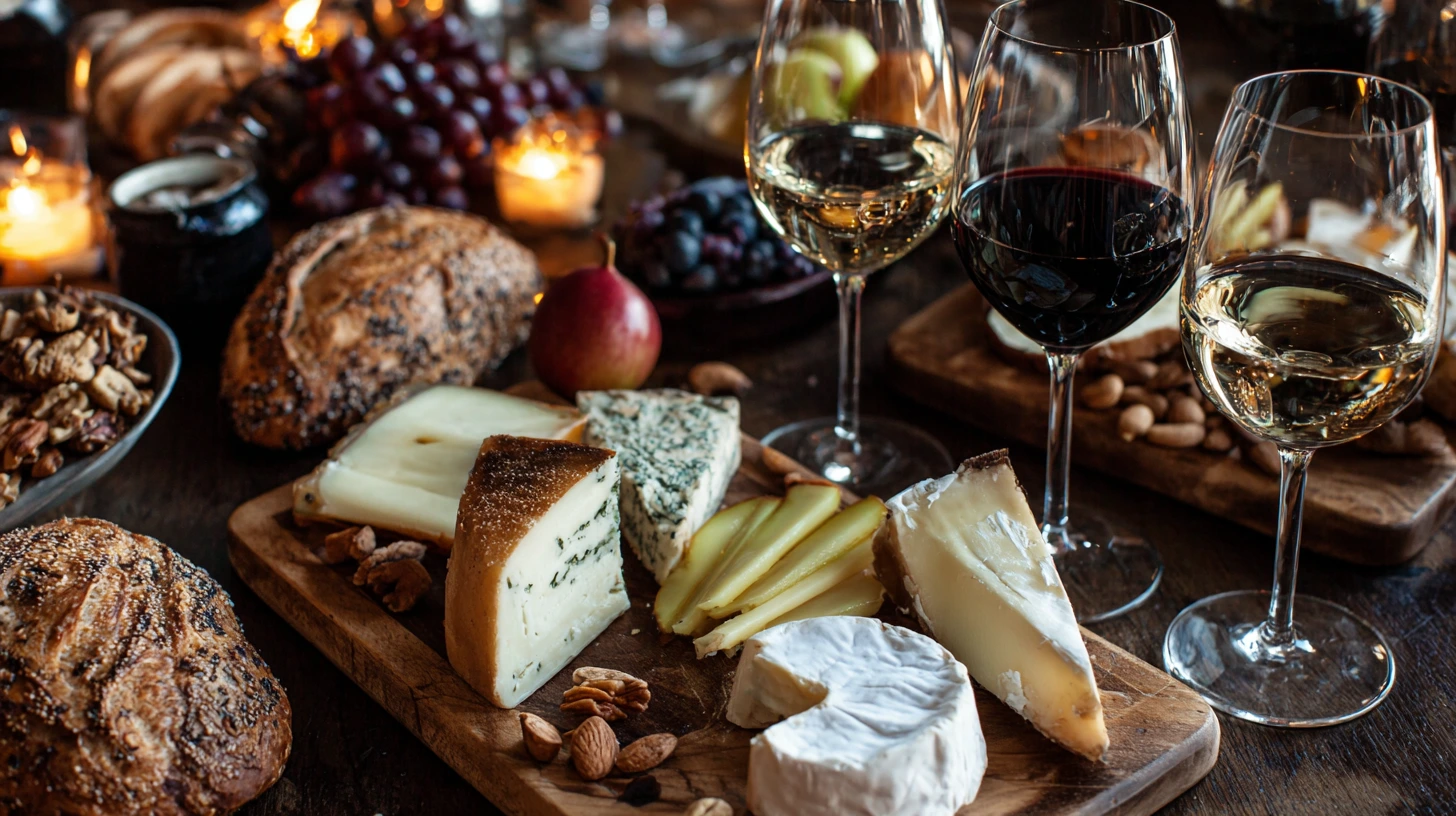
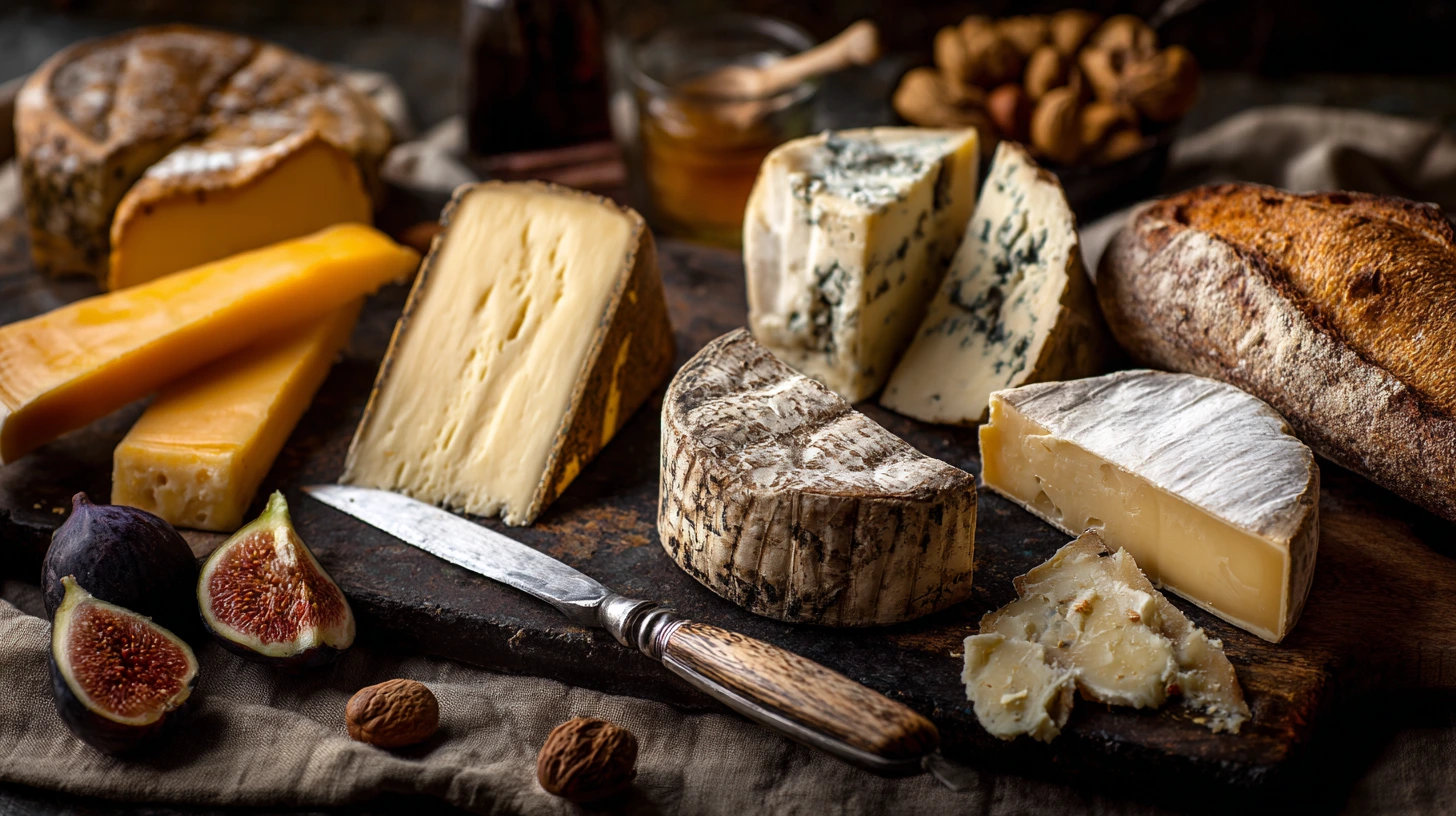
Choose cheese by name and maturity, especially for fondue, raclette or regional gratins. Keep waxy potatoes, good bread, butter, cream and flour, then buy cured meats or local-style sausages for the specific canton. Chocolate quality matters most in simple desserts where there is nowhere for poor flavour to hide.