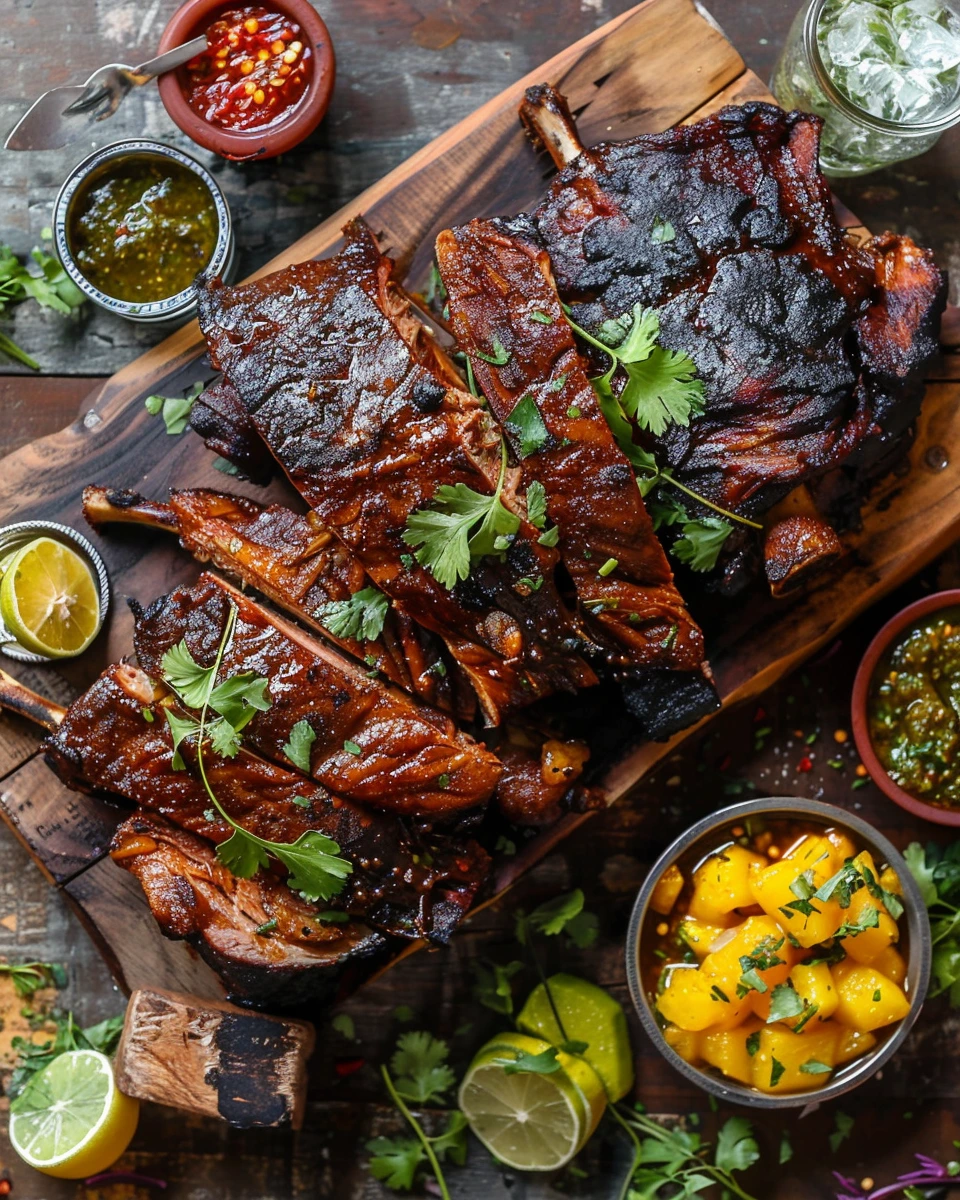
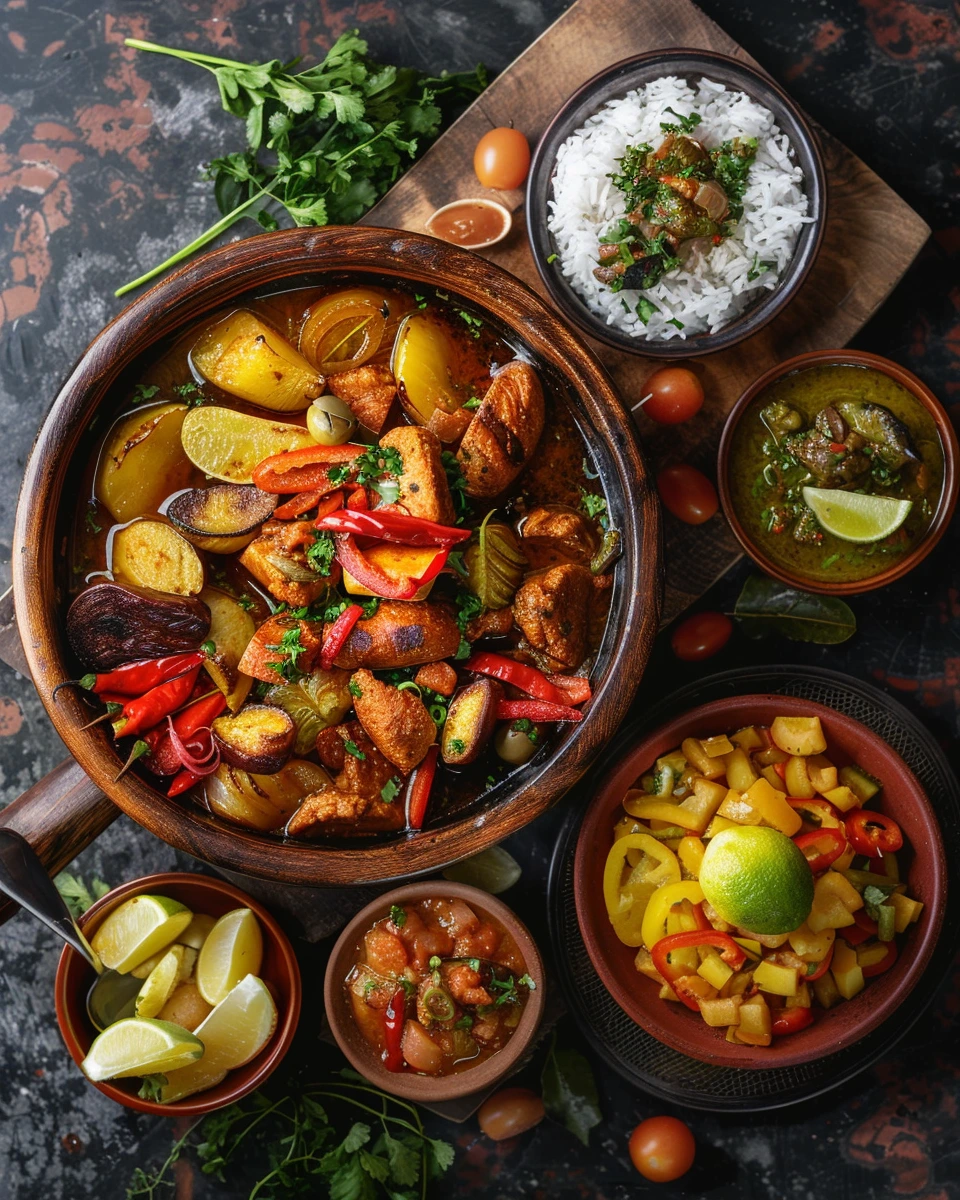
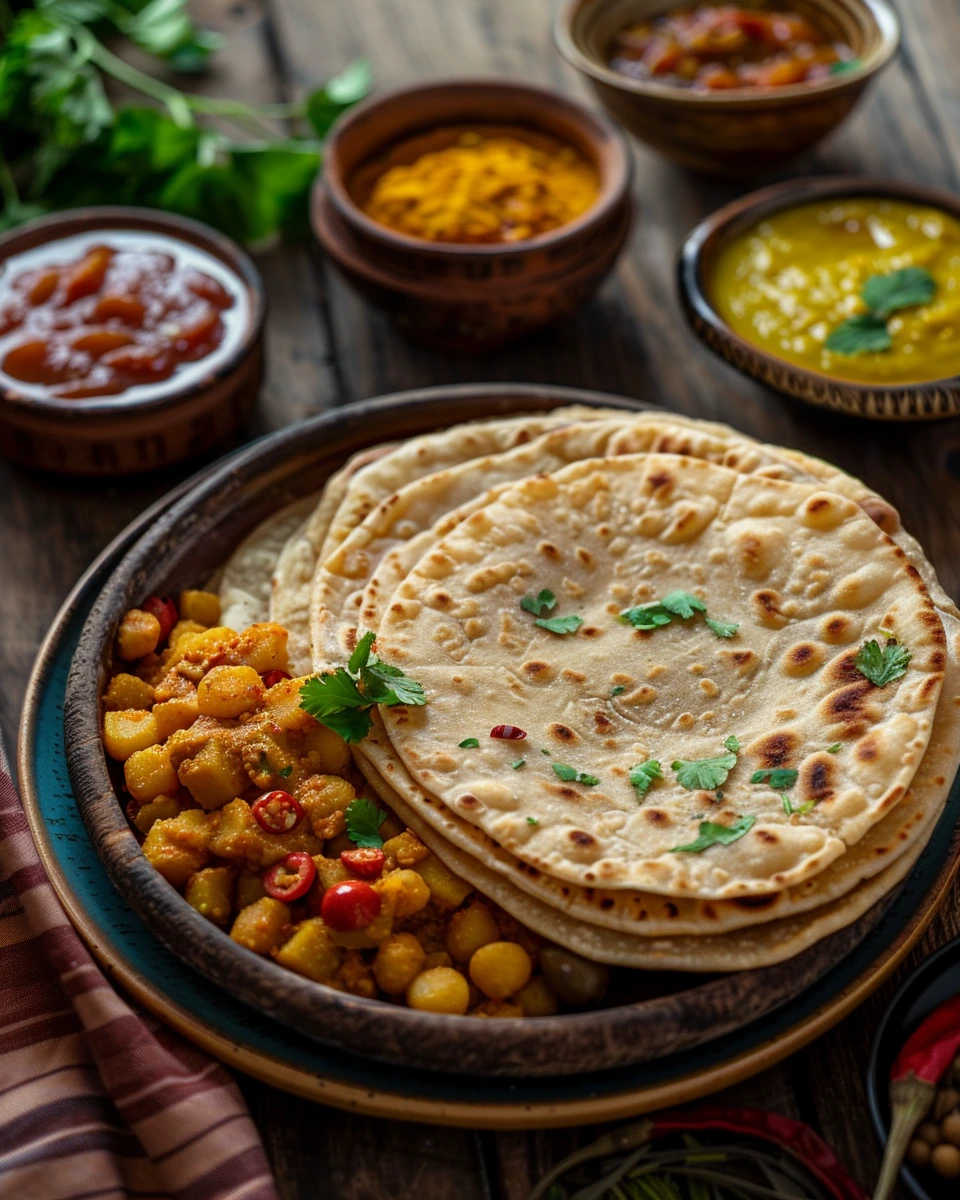
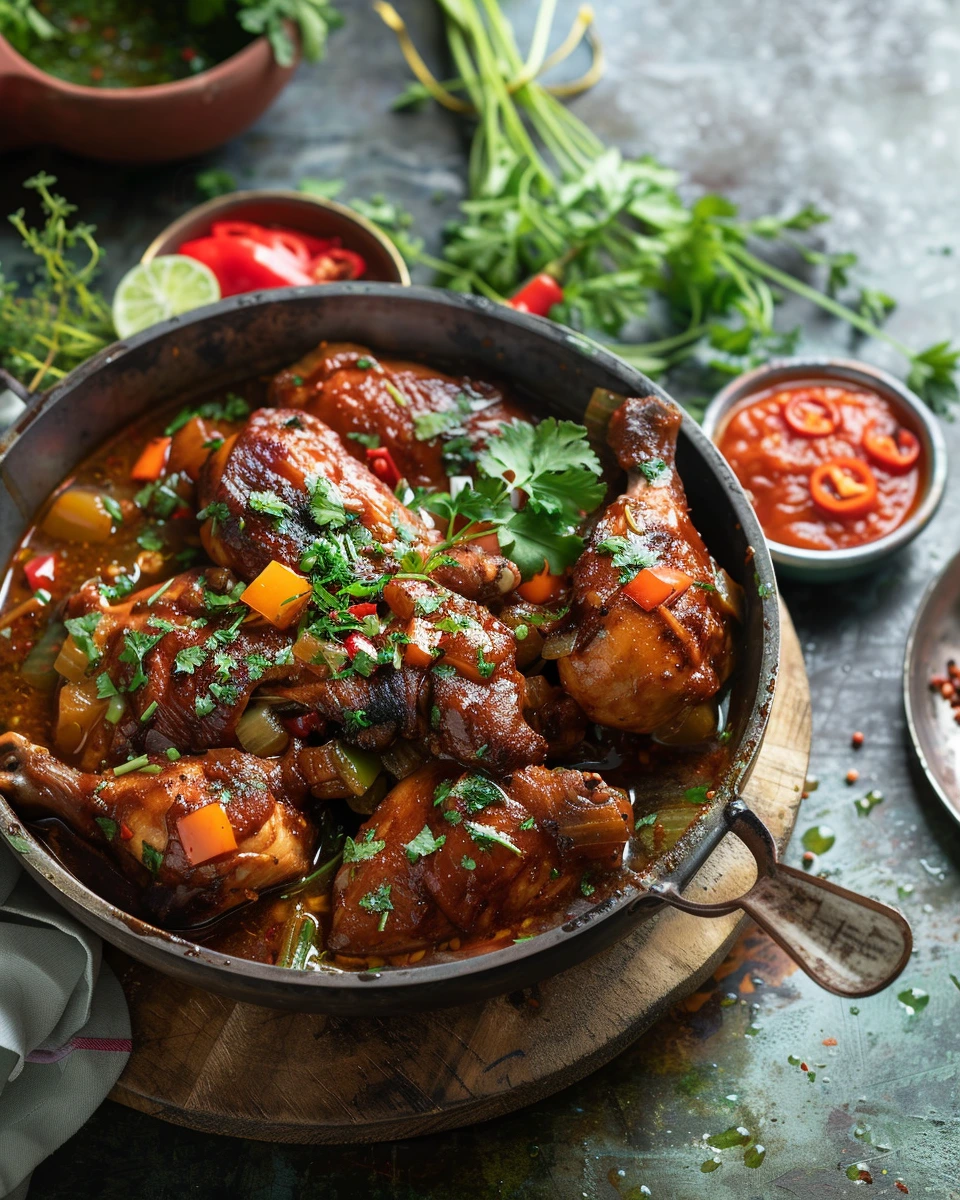
Trinidadian cuisine brings together Indigenous and African roots, Indian indentured migration, Creole cooking and Chinese, Syrian-Lebanese and European influence. Roti, doubles, pelau, callaloo, curries, seafood and street snacks reflect the island's layered history.
Trinidadian cuisine reflects Indigenous Caribbean roots, African heritage, Indian indentured migration, European colonial rule and Chinese, Syrian-Lebanese and other communities. The result is one of the Caribbean's most layered street-food cultures.
Why it is famous
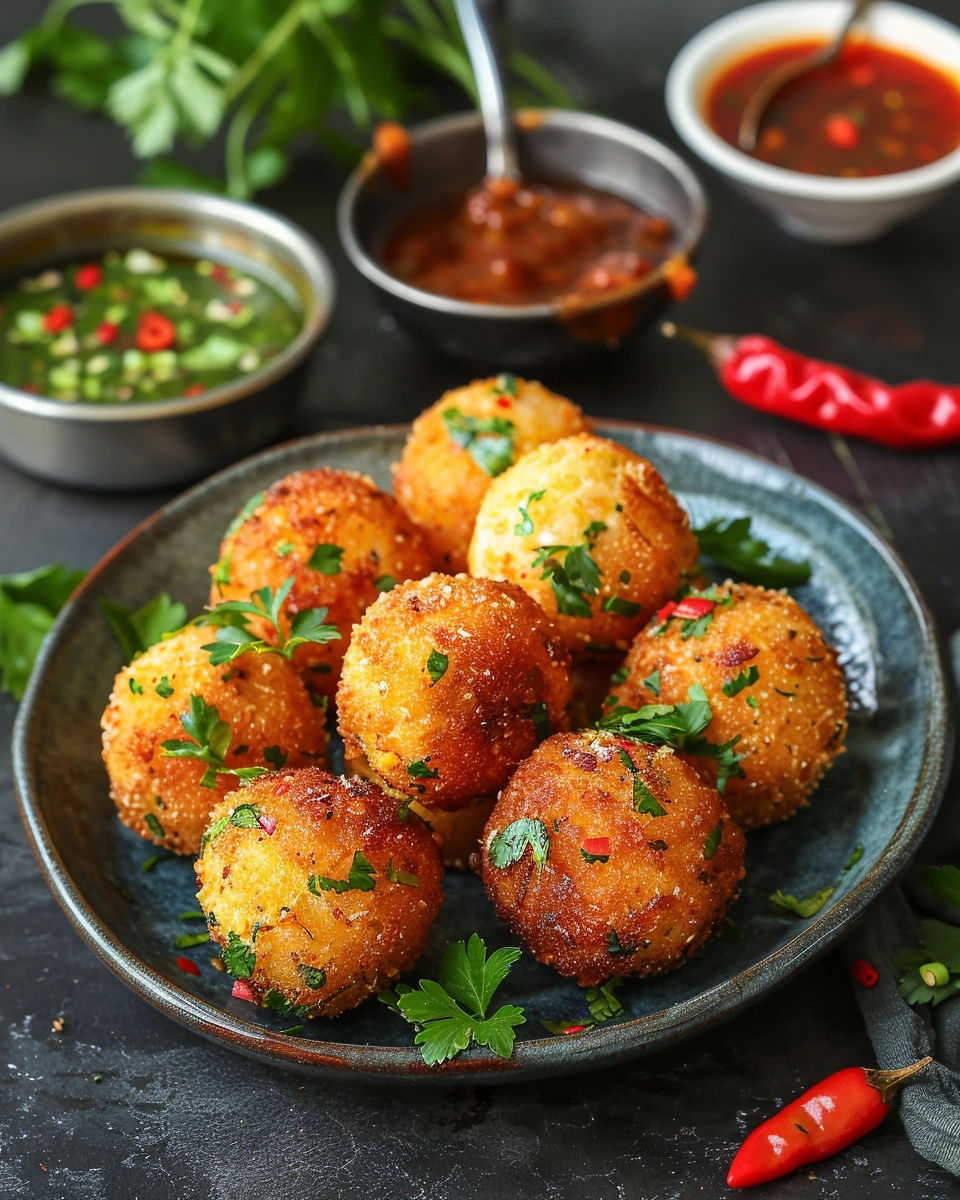
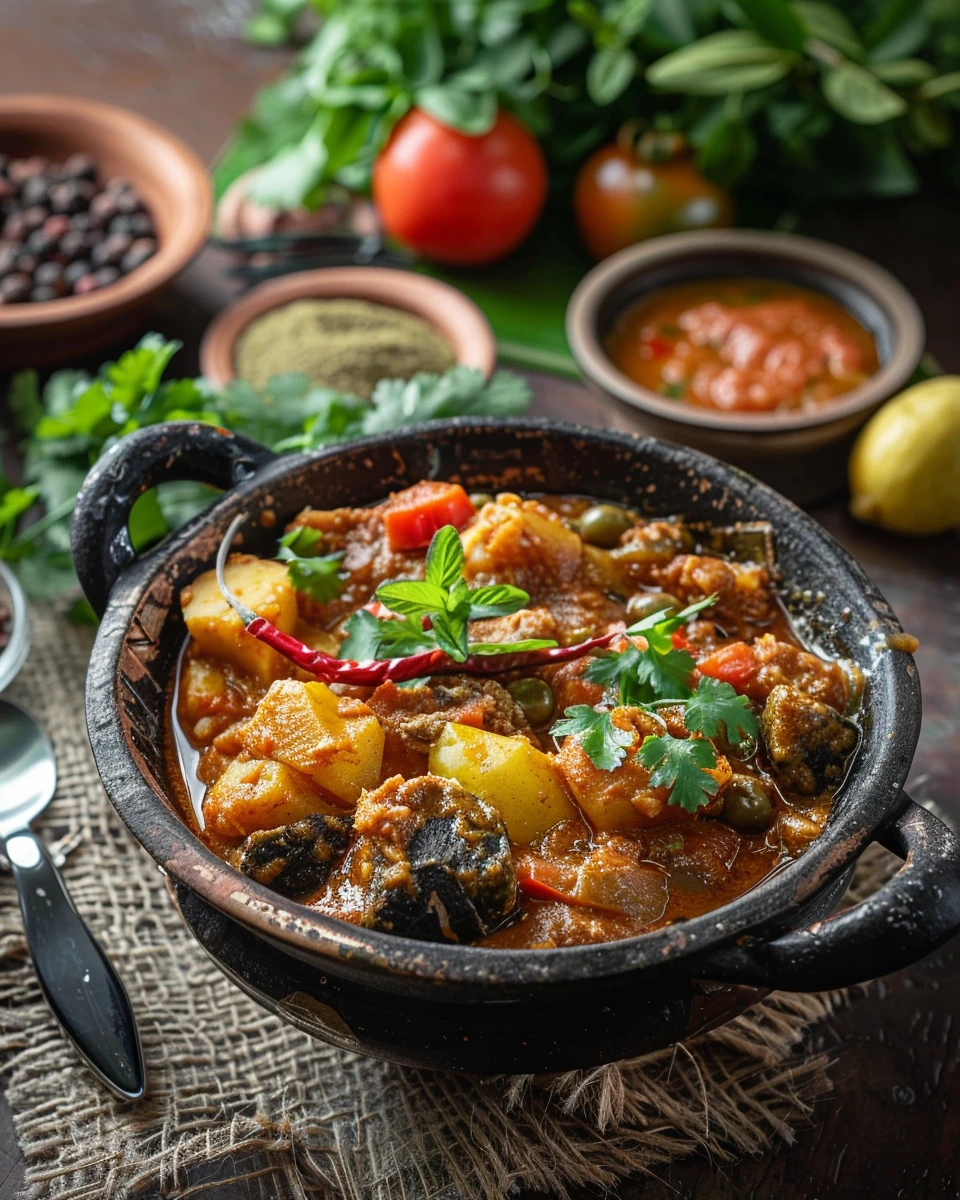
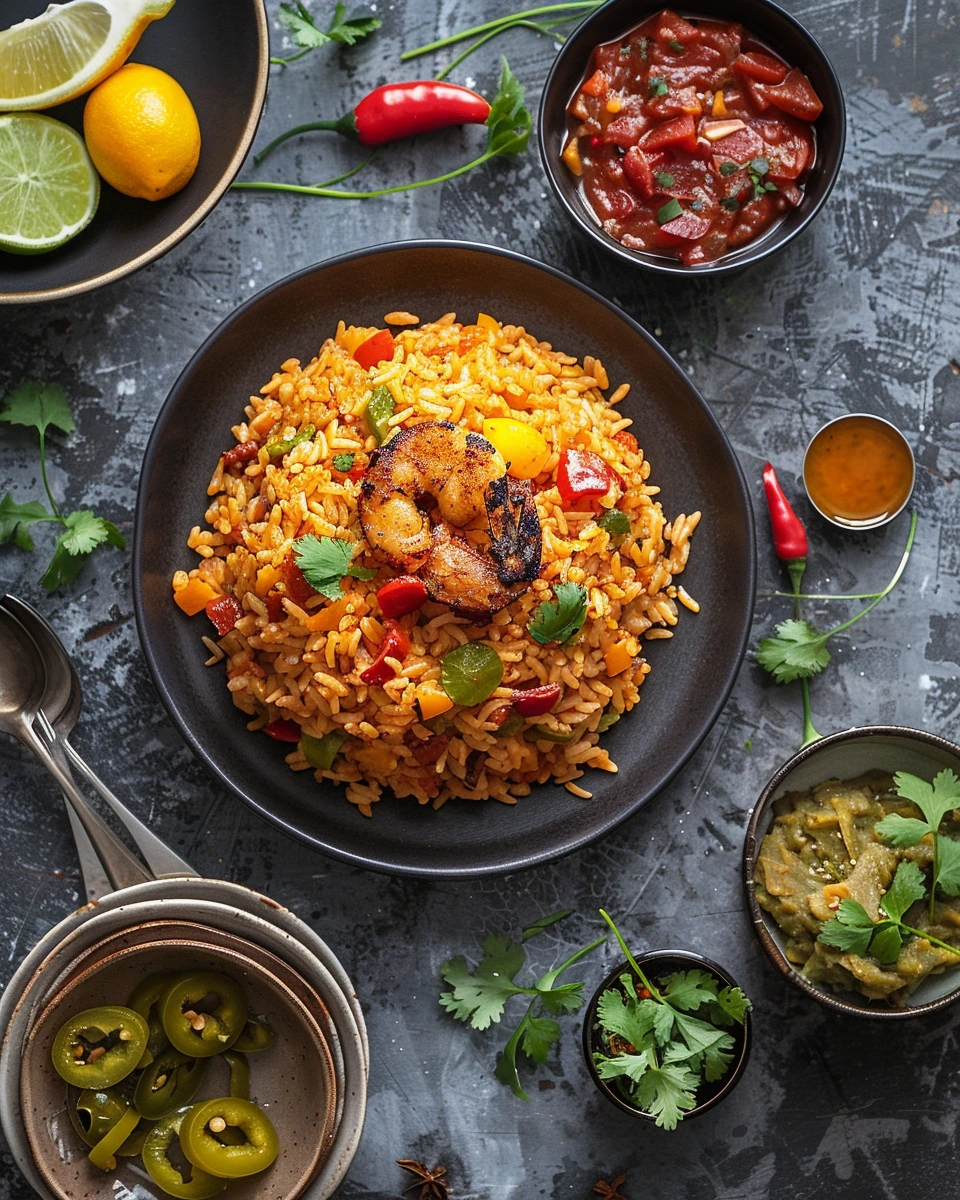
Among the dishes and traditions most associated with Trinidadian cuisine are doubles, roti, curry chicken, callaloo, pelau, bake and shark and macaroni pie. They became famous for good reason, but they make more sense when seen as part of a wider food culture shaped by place, season and the way people actually eat at home.
Regional food story
Central Trinidad has especially strong Indo-Trinidadian food traditions; coastal areas are known for fish; Tobago has its own crab, dumpling and coconut-rich dishes; Port of Spain reflects the islands' full multicultural mix.
Cook by course
Trinidadian recipes
Start with a starter, choose a main, then finish with a dessert to build a complete country-inspired menu.
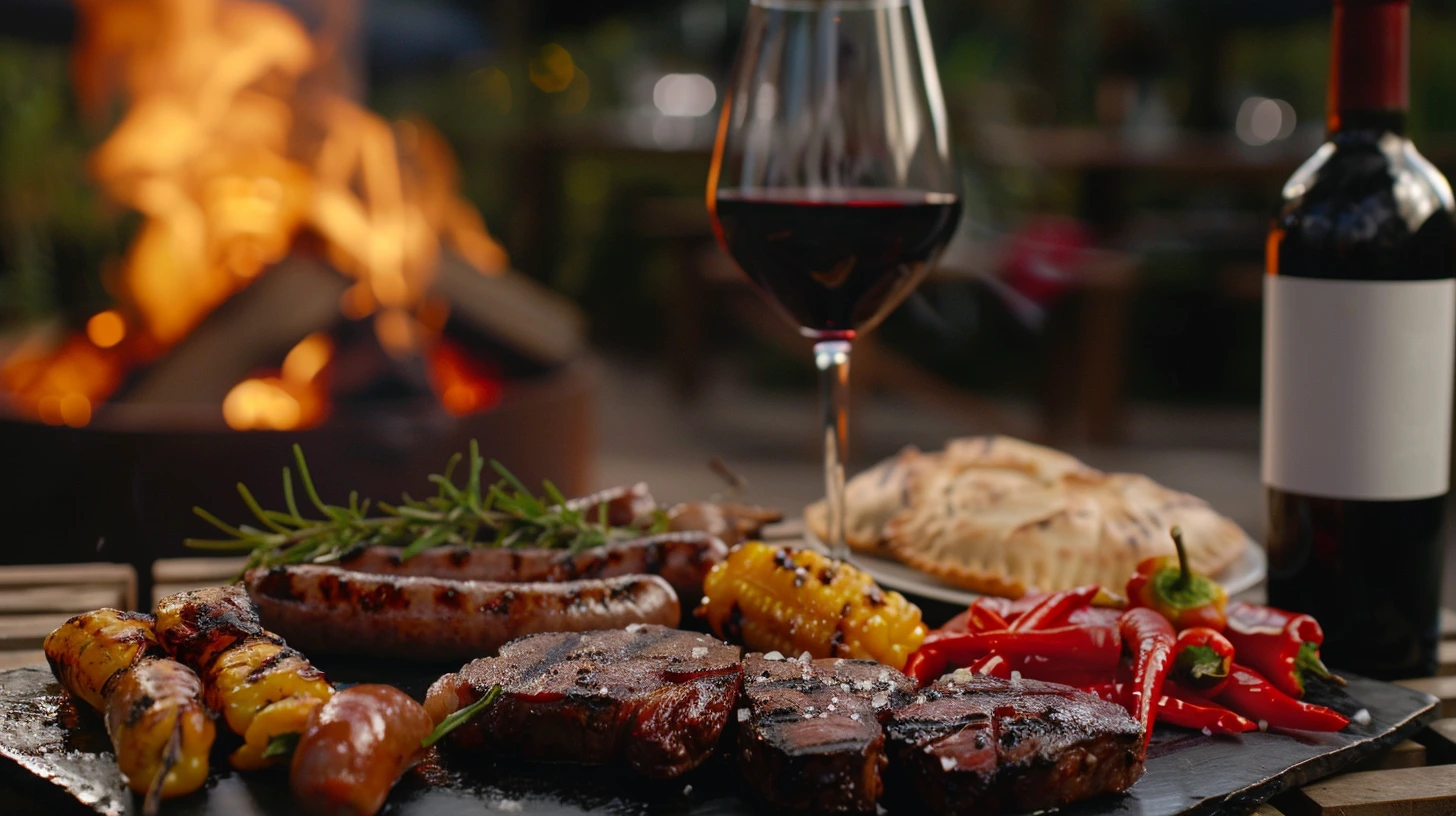
When pairing wine with Trinidadian food, match the structure of the dish first: fresh whites for seafood and herbs, medium reds for tomato, spice or roast meat, sparkling wines for fried or salty starters, and sweet or fortified wines for desserts.
Red
Cabernet Sauvignon / Bordeaux
Structured red with blackcurrant, cedar, graphite and firm tannins. Best with roast beef, lamb, steak, rich gravies and…
Keep split peas, rice, chickpeas, coconut milk, green seasoning ingredients, curry powders, tamarind and hot pepper. Buy culantro, thyme and spring onion fresh. Trinidad curry, roasted geera and green seasoning each have distinct roles, so avoid replacing all three with generic curry powder.