Every country has foods that feel deeply traditional, but very few cuisines developed in isolation. What people eat is shaped first by what grows locally, then repeatedly reshaped when people, crops, animals and cooking ideas move.
Tomatoes began in the Americas before becoming inseparable from Italian cooking. Potatoes travelled from the Andes to Europe. Chillies crossed oceans and became essential to cuisines across India and Asia. Wheat, cattle, pigs, sugar and other Old World foods moved in the opposite direction and transformed food across the Americas.
The timeline below follows the biggest forces behind those changes: ancient empires and trade routes, the Spanish and Portuguese conquests, the Columbian Exchange, the forced movement of enslaved Africans across the Atlantic, the British Empire, convict transportation to Australia and the mass migrations of the nineteenth and twentieth centuries.
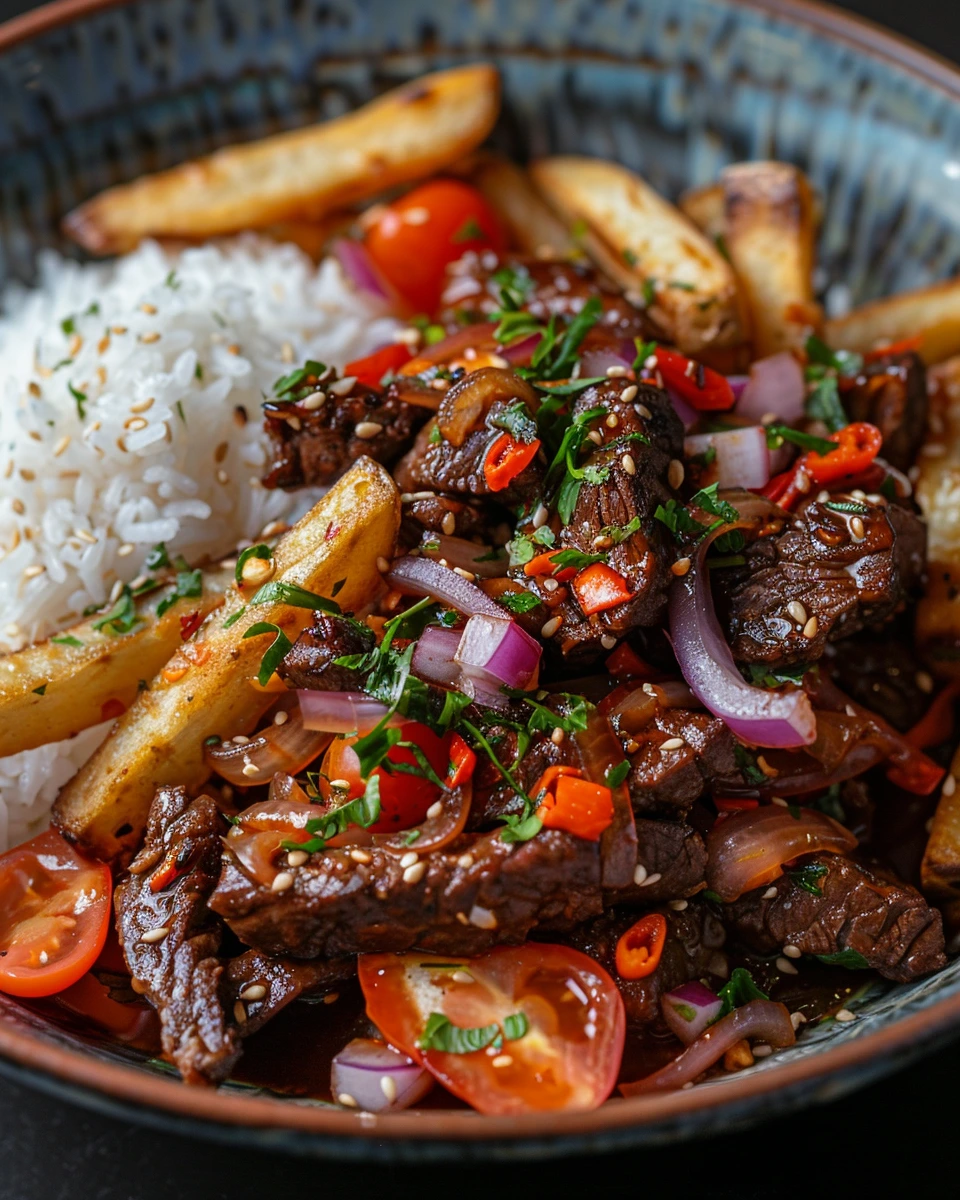
The interesting part is not simply that ingredients travelled. It is what happened next. Cooks adapted unfamiliar foods to local climates, religious rules, available equipment and existing tastes. Over generations, imported ingredients became local traditions and migrant dishes became national favourites. Follow the story through time and familiar foods begin to look different: pizza becomes a journey from the Americas to Naples and back across the Atlantic; curry becomes a story connecting India, Britain and Japan; Caribbean cooking reveals Indigenous, European, African and South Asian histories on the same plate; and dishes such as Lomo Saltado and Hainanese Chicken Rice show how migration can create something entirely new.