Feijoada: the story on the plate
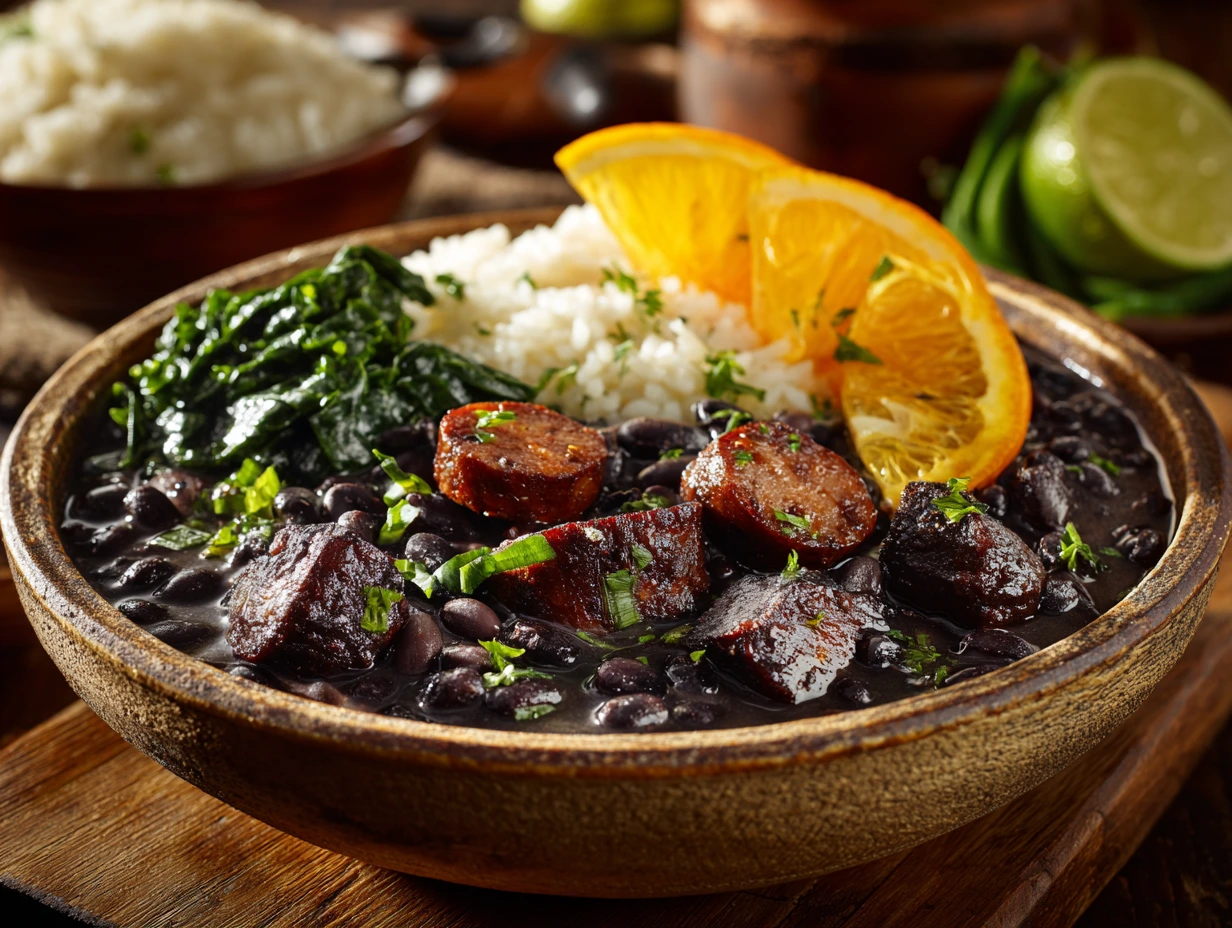
Feijoada developed in Brazil through Portuguese bean-and-meat stews, local ingredients and the history of slavery, though the often-repeated claim that it was simply invented from enslavers’ scraps is too reductive. Its modern national form took shape in urban restaurants. The dish is famous for deep smoky bean broth, varied pork textures and a complete set of contrasting accompaniments. Orange and greens cut through the richness while farofa adds dry crunch. Feijoada is a long, social meal commonly associated with Wednesdays or Saturdays, samba gatherings and family lunches. Its national status coexists with important regional variations.
Historical background
Feijoada developed in Brazil through Portuguese bean-and-meat stews, local ingredients and the history of slavery, though the often-repeated claim that it was simply invented from enslavers’ scraps is too reductive. Its modern national form took shape in urban restaurants.
Why it is famous
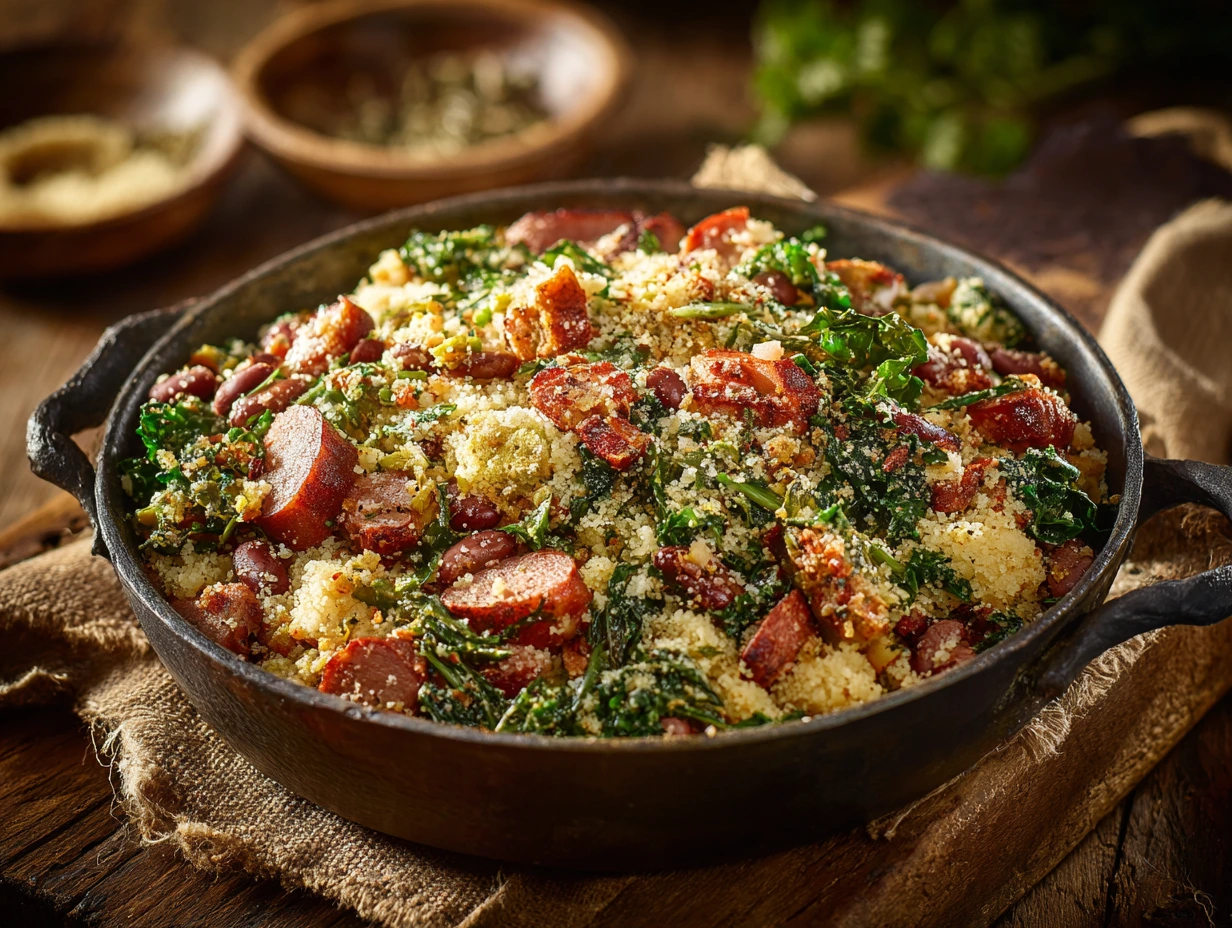
The dish is famous for deep smoky bean broth, varied pork textures and a complete set of contrasting accompaniments. Orange and greens cut through the richness while farofa adds dry crunch.
Cultural significance
Feijoada is a long, social meal commonly associated with Wednesdays or Saturdays, samba gatherings and family lunches. Its national status coexists with important regional variations.