This article compares how curry traditions change as they move across regions. It focuses on the choice of fat, spice base, coconut, souring agents, sweetness, stock and cooking time, showing why a Japanese curry, a Thai curry and an Indonesian rendang can share a broad family resemblance while tasting completely different.
The point is not to flatten these dishes into one category. It is to put them next to each other so the differences become clearer. Every dish linked below is an active recipe in The World on a Plate database, so readers can move directly from the story into something they can actually cook.
1. Goan Fish Curry (Indian)
Coastal Goan fish curry with coconut, tamarind, chilli, turmeric and coriander seed.
What makes this dish useful in the comparison is the way it expresses Indian cooking through its balance of ingredients, texture and method. Rather than treating it as a generic example, look at the decisions behind it: what is cooked first, where richness comes from, what provides acidity or freshness, and how the dish is normally completed at the table.
2. Japanese Curry Rice (Japanese)
Mild Japanese curry with beef or chicken, onions, carrots and potatoes served over rice.
What makes this dish useful in the comparison is the way it expresses Japanese cooking through its balance of ingredients, texture and method. Rather than treating it as a generic example, look at the decisions behind it: what is cooked first, where richness comes from, what provides acidity or freshness, and how the dish is normally completed at the table.
3. Massaman Beef Curry (Thai)
Authentic Massaman Beef Curry with structured measurements, Thai flavour balance, detailed timing, cooking cues and serving guidance.
What makes this dish useful in the comparison is the way it expresses Thai cooking through its balance of ingredients, texture and method. Rather than treating it as a generic example, look at the decisions behind it: what is cooked first, where richness comes from, what provides acidity or freshness, and how the dish is normally completed at the table.
4. Panang Curry with Pork (Thai)
Authentic Panang Curry with Pork with structured measurements, Thai flavour balance, detailed timing, cooking cues and serving guidance.
What makes this dish useful in the comparison is the way it expresses Thai cooking through its balance of ingredients, texture and method. Rather than treating it as a generic example, look at the decisions behind it: what is cooked first, where richness comes from, what provides acidity or freshness, and how the dish is normally completed at the table.
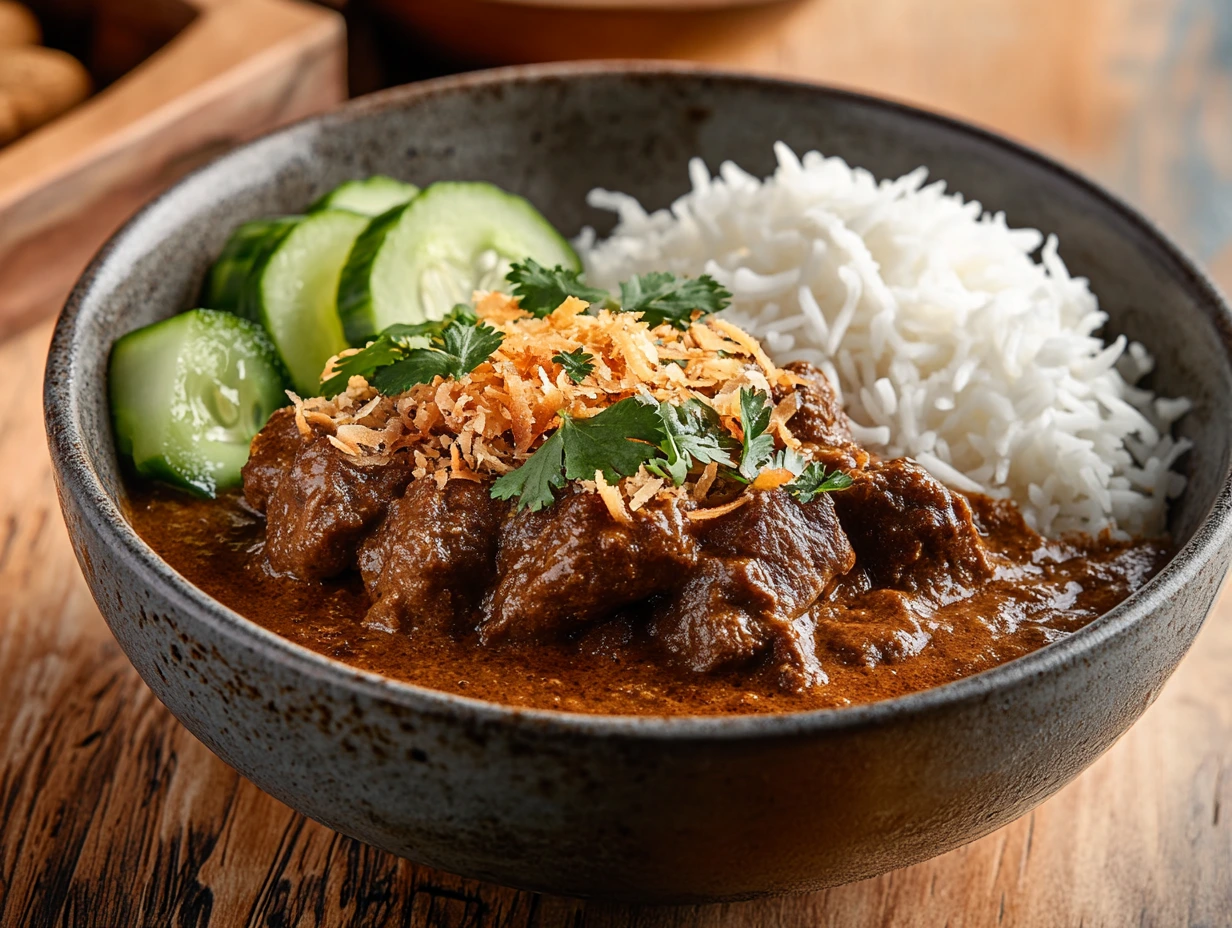
5. Rendang Daging (Indonesian)
Rendang Daging is a traditional Indonesian main from Minangkabau, West Sumatra, built around clear regional flavour, careful technique and the balance of spice, texture and rice-table cooking.
What makes this dish useful in the comparison is the way it expresses Indonesian cooking through its balance of ingredients, texture and method. Rather than treating it as a generic example, look at the decisions behind it: what is cooked first, where richness comes from, what provides acidity or freshness, and how the dish is normally completed at the table.
6. Beef Rendang (Malaysian)
Beef Rendang is a traditional Malaysian main built around slow-cooked meat, deep seasoning and the generous cooking associated with feasts and hospitality.
What makes this dish useful in the comparison is the way it expresses Malaysian cooking through its balance of ingredients, texture and method. Rather than treating it as a generic example, look at the decisions behind it: what is cooked first, where richness comes from, what provides acidity or freshness, and how the dish is normally completed at the table.
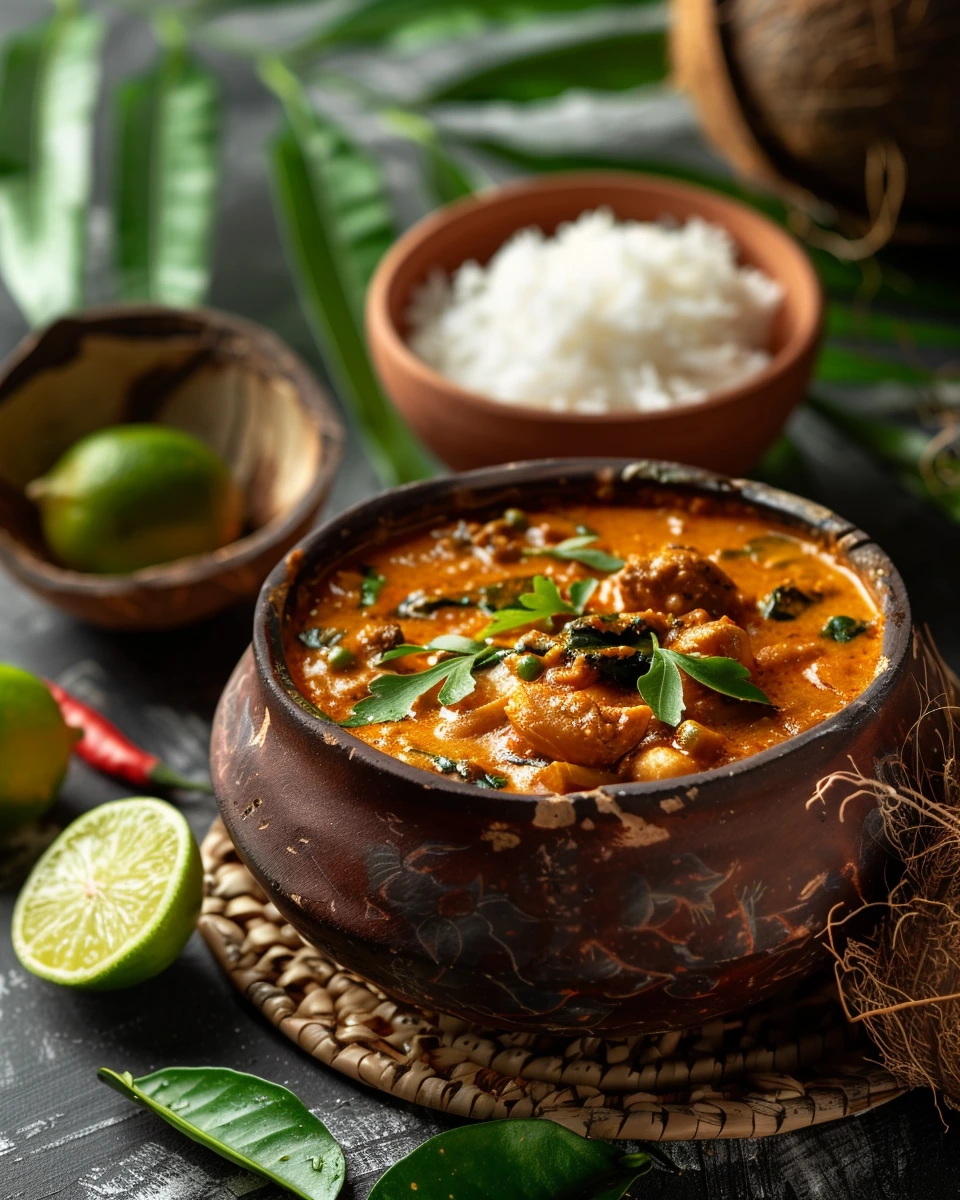
7. Sri Lankan Chicken Curry (Sri Lankan)
Sri Lankan Chicken Curry is a traditional Sri Lankan main built around bone-in poultry, aromatic sauce and the family-table warmth of a shared pot.
What makes this dish useful in the comparison is the way it expresses Sri Lankan cooking through its balance of ingredients, texture and method. Rather than treating it as a generic example, look at the decisions behind it: what is cooked first, where richness comes from, what provides acidity or freshness, and how the dish is normally completed at the table.
8. Parippu Dal Curry (Sri Lankan)
Parippu Dal Curry is a traditional Sri Lankan main built around legumes, vegetables, pulses and the patient seasoning that makes humble food memorable.
What makes this dish useful in the comparison is the way it expresses Sri Lankan cooking through its balance of ingredients, texture and method. Rather than treating it as a generic example, look at the decisions behind it: what is cooked first, where richness comes from, what provides acidity or freshness, and how the dish is normally completed at the table.
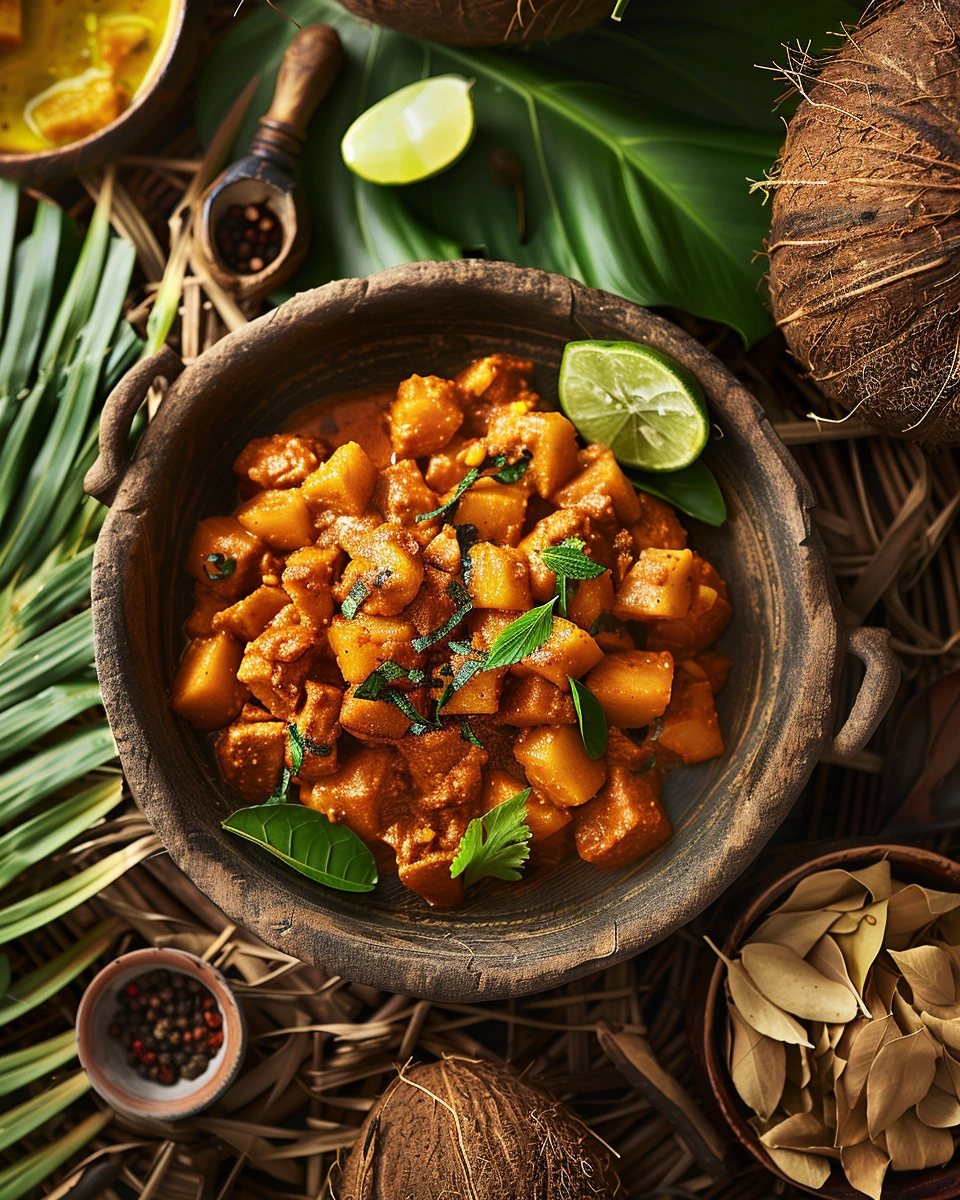
9. Jackfruit Curry (Sri Lankan)
Jackfruit Curry is a traditional Sri Lankan main built around coastal freshness, citrus, spice and careful timing.
What makes this dish useful in the comparison is the way it expresses Sri Lankan cooking through its balance of ingredients, texture and method. Rather than treating it as a generic example, look at the decisions behind it: what is cooked first, where richness comes from, what provides acidity or freshness, and how the dish is normally completed at the table.
10. Polos Curry (Sri Lankan)
Polos Curry is a traditional Sri Lankan main built around legumes, vegetables, pulses and the patient seasoning that makes humble food memorable.
What makes this dish useful in the comparison is the way it expresses Sri Lankan cooking through its balance of ingredients, texture and method. Rather than treating it as a generic example, look at the decisions behind it: what is cooked first, where richness comes from, what provides acidity or freshness, and how the dish is normally completed at the table.
What to compare as you cook
Cook two or three of these dishes within a few weeks and compare them deliberately. Notice the base flavour before the main ingredient goes in, the cooking vessel, the amount of liquid, the finishing ingredients and the role of side dishes. Those small choices are often where national and regional identity becomes most obvious.
Where to start
For the clearest contrast, begin with Goan Fish Curry, then cook Beef Rendang and finish with Polos Curry. Together they give a practical route through the theme without pretending that one technique explains every cuisine.