Why Egyptian cuisine is worth exploring
Egyptian cuisine grew along the Nile, where bread, legumes, onions and grains sustained communities for millennia. Pharaonic staples were later joined by Greek, Roman, Arab, Ottoman and Mediterranean influences, yet dishes based on fava beans, lentils and bread remain at the heart of everyday eating.
Why it is famous
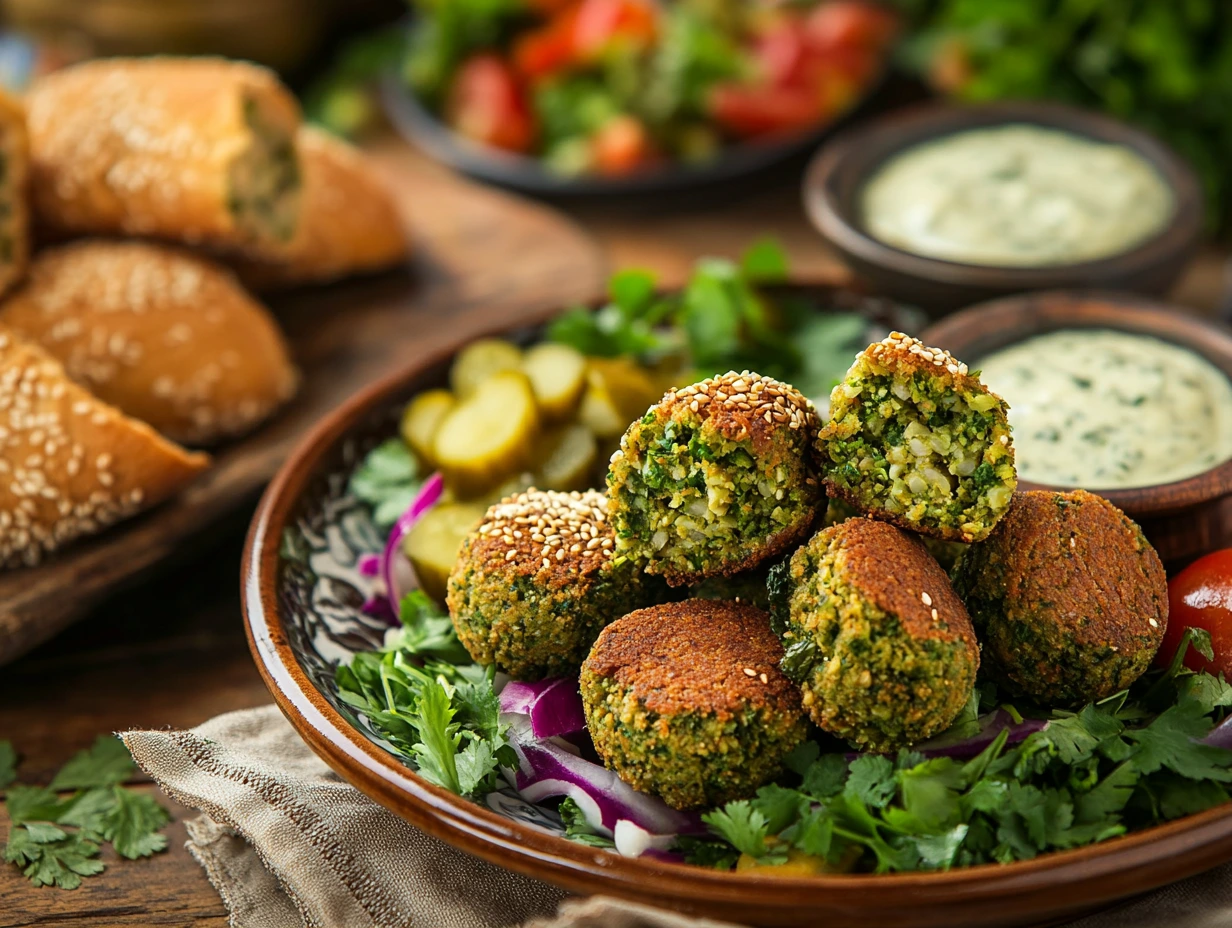
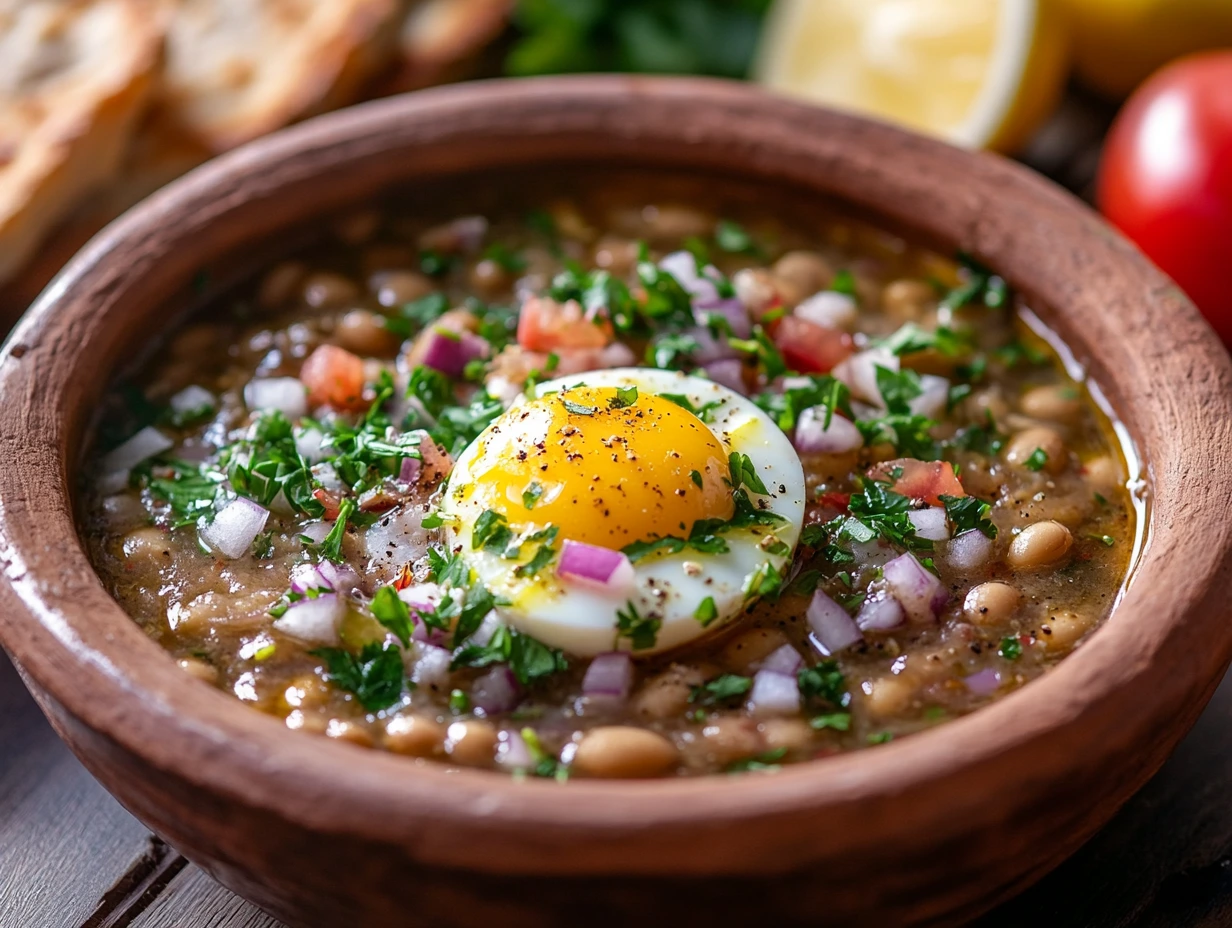
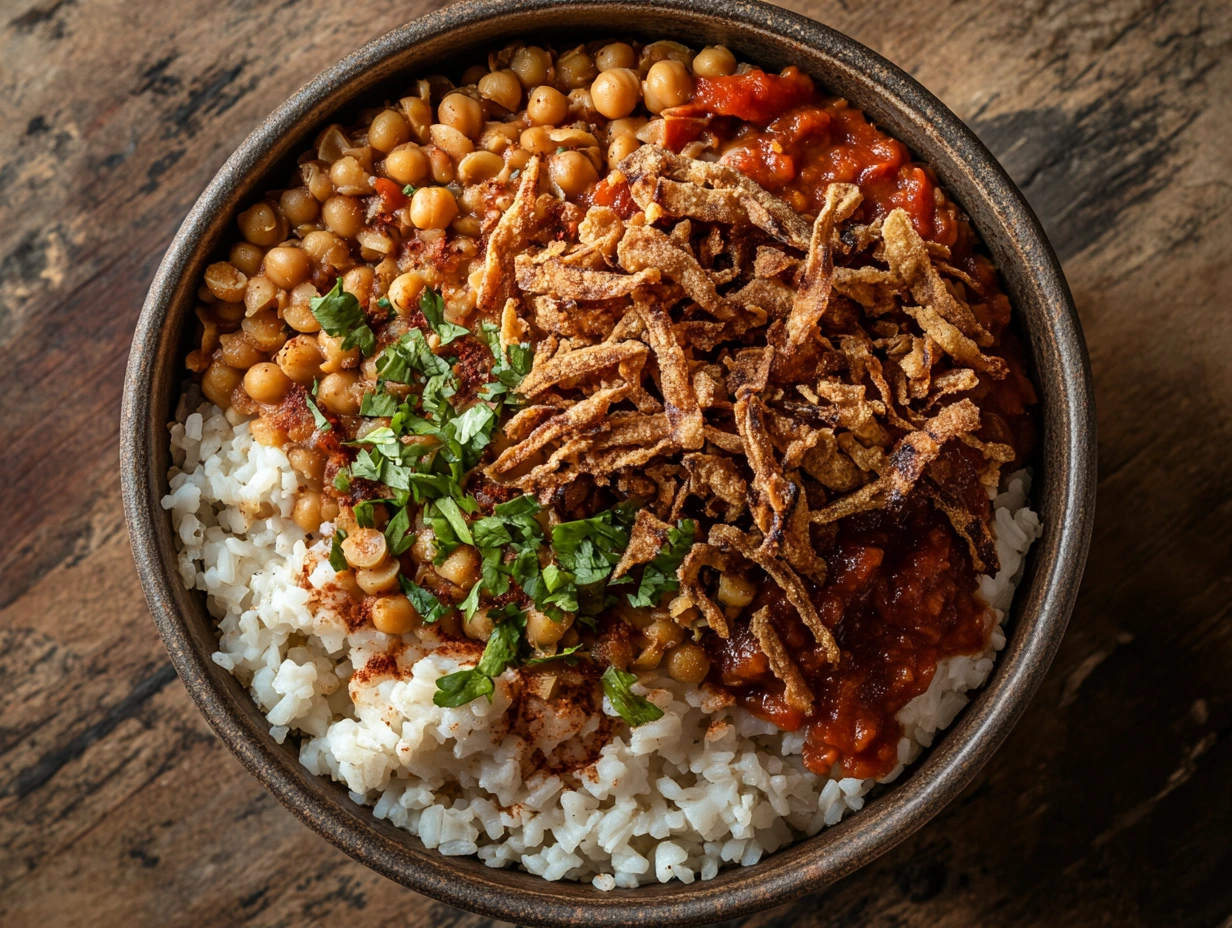
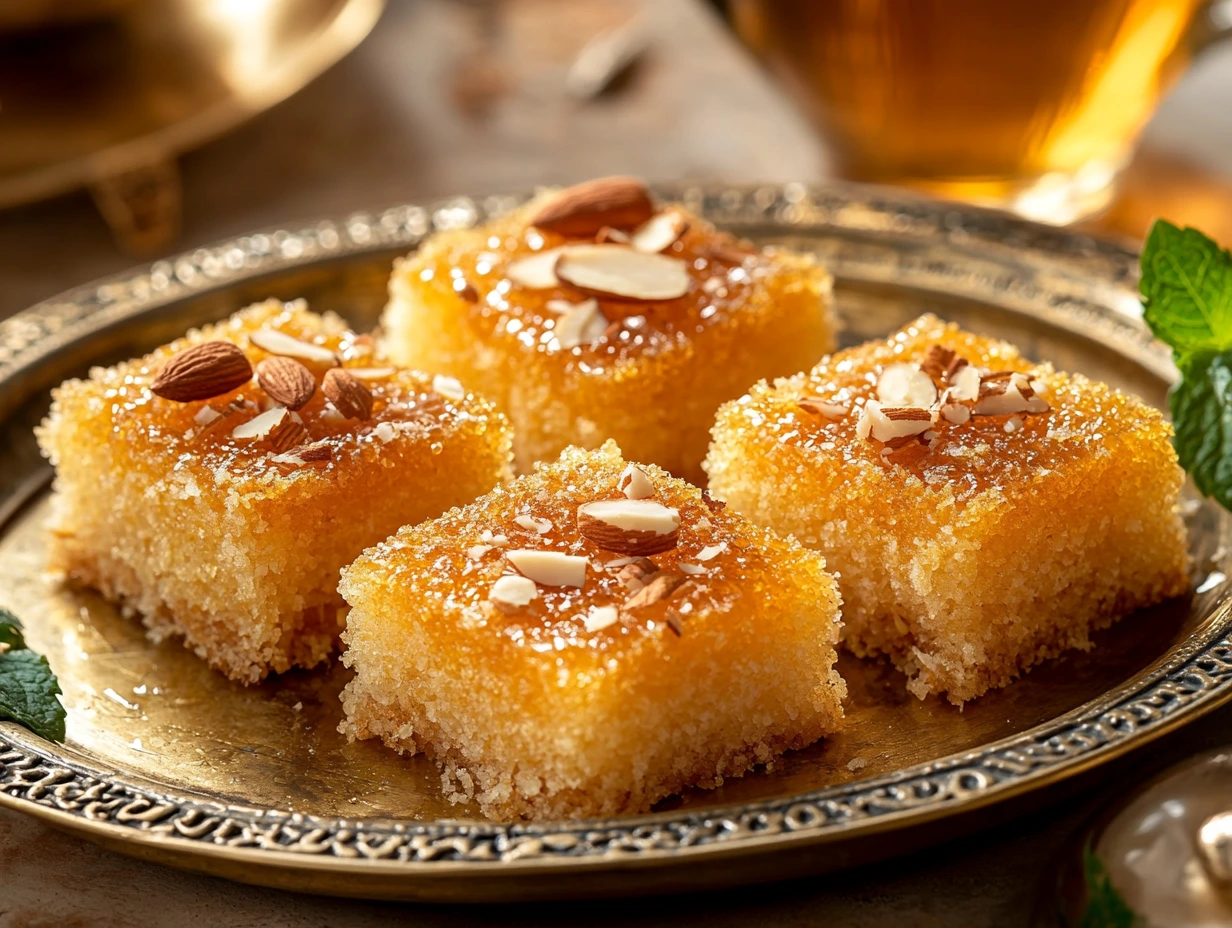
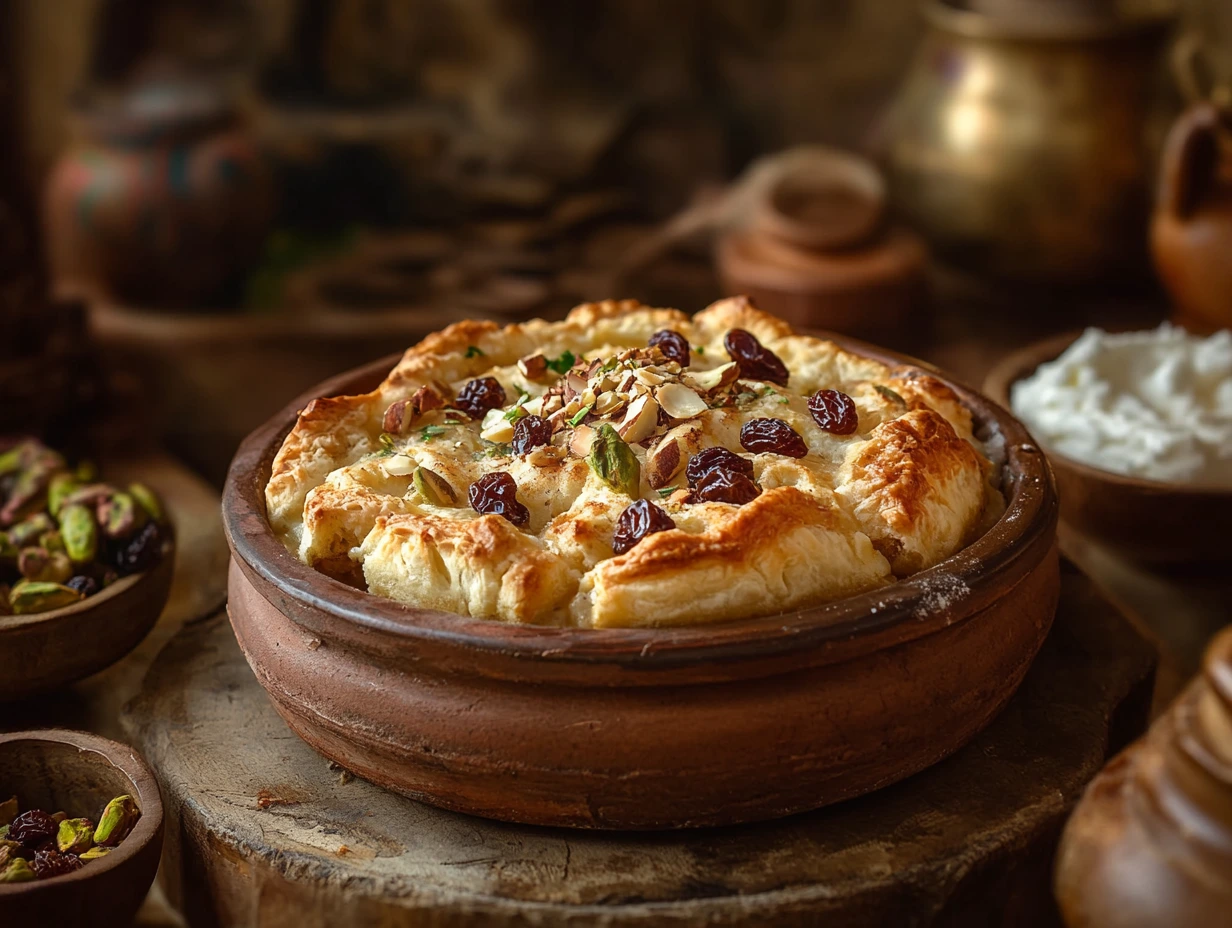
Egyptian cuisine is known internationally for koshari, ful medames, ta'ameya, molokhia, mahshi, kofta, flatbreads and syrup-soaked sweets. Its appeal is broader than a list of classics, however: the cuisine comes alive in the contrast between street food, family cooking, regional produce and dishes reserved for celebrations.
Regional food story
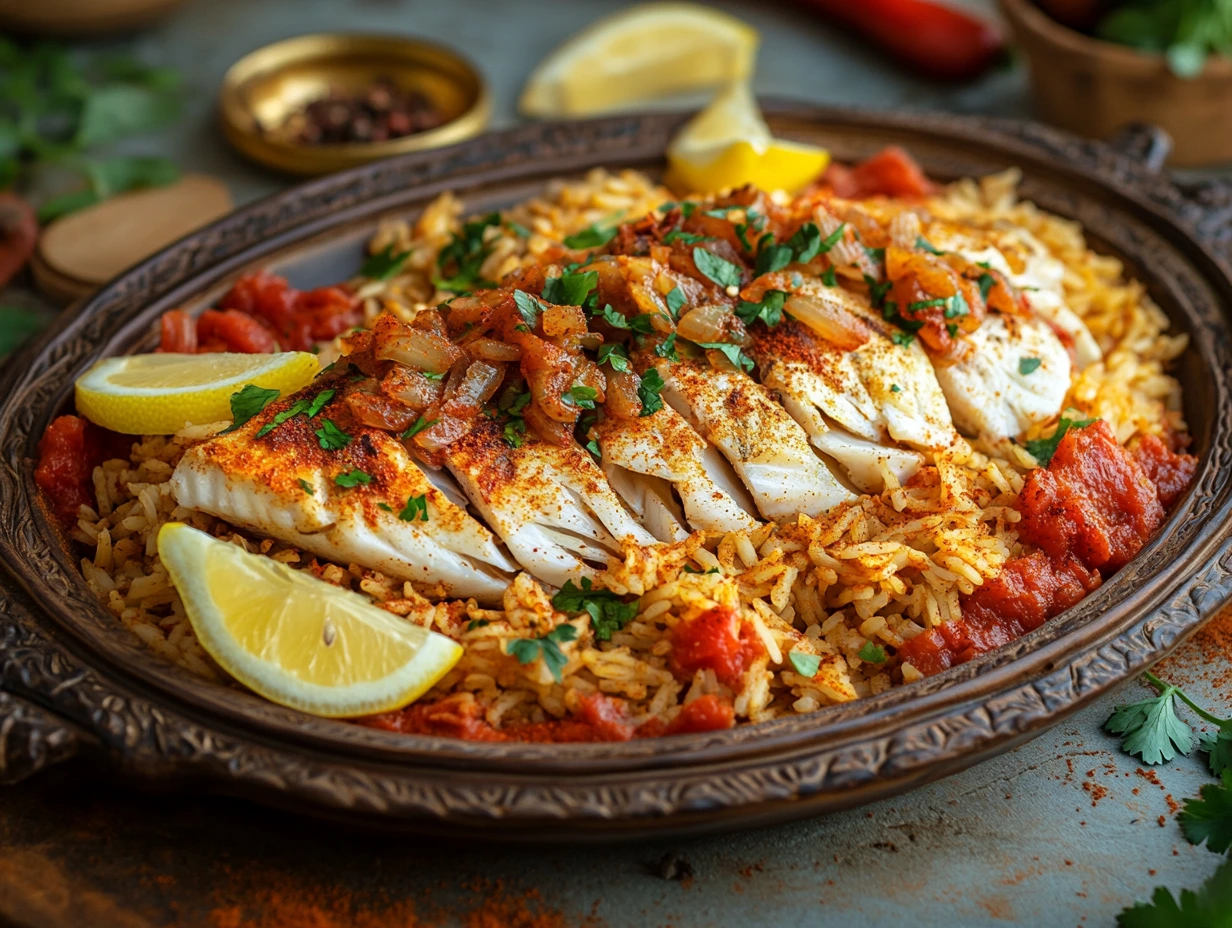
Cairo is famous for street foods such as koshari and ful; Alexandria and the Mediterranean coast use more seafood; Upper Egypt has its own breads, grains and robust rural dishes; Nubian cooking in the south reflects a distinct cultural and geographic heritage.