Egyptian Starter

Baba Ghanoush

Baba Ghanoush with a properly Egyptian flavour profile: practical, generous and built around aubergine.

25 minsPrep time
20 minsCook time
Serves 4Servings
MediumDifficulty
Baba Ghanoush
About this dish

Baba Ghanoush: the story on the plate

Baba Ghanoush belongs to Egyptian mezze tables and grill restaurants. Baba ghanoush is shared across the eastern Mediterranean, but Egyptian versions often lean into smoky aubergine, tahini, lemon and cumin. It matters on the Egyptian table because it turns the flavour of live fire into a scoopable mezze. This version focuses on practical home-cooking detail: exact metric quantities, how to cut or prepare the main ingredients, the right heat level, visual cues, storage advice and serving ideas.

Historical background

Baba Ghanoush belongs to Egyptian mezze tables and grill restaurants. Baba ghanoush is shared across the eastern Mediterranean, but Egyptian versions often lean into smoky aubergine, tahini, lemon and cumin. It matters on the Egyptian table because it turns the flavour of live fire into a scoopable mezze.

Why it is famous

Baba Ghanoush is famous because it gives readers a recognisable route into Egyptian food rather than a generic Middle Eastern version.

Cultural significance

This dish works on the Egyptian page because it shows how the cuisine balances affordability, hospitality, street food, family cooking and celebration food.

Nutrition

Estimated nutrition per serving

Useful for meal planning and calorie-aware recipe browsing.

480Calories
16gProtein
50gCarbs
22gFat

Estimated from the upgraded Egyptian recipe for Baba Ghanoush; verify with your preferred nutrition calculator before making formal nutritional claims.

Ingredients

What you need

  • 80 tahini, stirred before measuring
  • 35 lemon juice, fresh
  • 10 garlic cloves, crushed
  • 30 extra virgin olive oil, plus extra to serve
  • 15 flat-leaf parsley, finely chopped
  • 40 pomegranate seeds, optional
  • 650 aubergines, 2 large, left whole for charring
  • 4 ground cumin
  • fine sea salt
Method

Step-by-step method

Follow the recipe in order, tasting and adjusting seasoning where needed.

  1. Char the aubergines: Place whole aubergines directly over a gas flame, under a hot grill, or on a barbecue. Turn every few minutes until the skin is blackened and the flesh has collapsed, usually 12 to 18 minutes.
  2. Steam and peel: Put the charred aubergines in a bowl, cover for 10 minutes, then peel away the burnt skin. Keep a little smoky skin if you like a stronger flavour, but remove any hard black flakes.
  3. Drain the flesh: Set the soft flesh in a sieve for 10 minutes. This stops the dip becoming watery and concentrates the smoke.
  4. Mix by hand: Chop the aubergine with a knife, then stir in tahini, lemon, garlic, cumin and salt. Avoid over-blending; Egyptian-style baba ghanoush should have body, not baby-food smoothness.
  5. Finish and serve: Spoon into a shallow dish, ripple the surface with a spoon, drizzle with olive oil and finish with parsley and pomegranate if using.
Cook smarter

Tips, storage and serving advice

Shopping tips

Use split fava beans for taameya, good tahini for dips, fresh herbs for mahshi and besara, short-grain rice for Egyptian rice dishes, and coarse semolina for basbousa.

Ingredient quality

Fresh herbs should smell vivid, cumin should be aromatic, onions should be firm and dry, and fish or meat should look clean and fresh. Do not hide tired ingredients under spice.

Common mistakes

For Baba Ghanoush, the main mistakes are losing control of the balance between aubergines, tahini, lemon juice, garlic cloves; rushing the "Char the aubergines" stage before the flavour or texture has properly developed; and overworking or holding the finished dish so long that its freshness and texture fade. Use the recipe's visual cue as your guide: Texture, aroma and colour should match the dish: tender where simmered, crisp where fried, glossy where sauced and bright where finished with herbs or lemon. With Baba Ghanoush, taste and observe as you cook rather than relying on the clock alone; the goal is a result that still tastes recognisably Egyptian and preserves the texture that makes this recipe distinctive.

Chef’s tips

For the best Baba Ghanoush, organise aubergines, tahini, lemon juice, garlic cloves before you start so the cooking itself can stay controlled. Give particular attention to the "Char the aubergines" stage: this is where the recipe begins to establish its final flavour and texture. A useful technique note from the method is: Taste with the normal accompaniment, such as bread, rice, salad or sauce, because Egyptian dishes are designed as complete plates. Trust the visual cue — Texture, aroma and colour should match the dish: tender where simmered, crisp where fried, glossy where sauced and bright where finished with herbs or lemon. — more than an exact minute count. At the "Finish and serve" stage, make the final seasoning adjustment and serve without unnecessary delay. That final check is what makes Baba Ghanoush taste deliberate rather than simply cooked.

How to know it is cooked

It is cooked when the main ingredient is tender, the sauce or rice has the intended texture, and the dish tastes balanced with its normal accompaniment.

Plating advice

Plate Baba Ghanoush so the dish reads clearly at first glance. Use a smaller plate or shallow bowl and keep the portion compact, leaving enough negative space for aubergines, tahini, lemon juice to remain identifiable. The presentation should protect the intended texture — clear contrast between soft interiors, crisp toppings, fluffy rice, creamy sauces, smoky dips or syrup-soaked crumb depending on the dish — so avoid covering crisp elements with sauce too early or compressing delicate components. For the finish, draw selectively from the existing garnish guidance: Parsley, coriander, lemon wedges, crisp onions, toasted nuts, sesame seeds, cinnamon, pistachios, olive oil or tahini depending on the recipe. Use one or two elements with purpose rather than applying every option at once. For Baba Ghanoush, the final plate should feel consistent with its Egyptian identity: confident, appetising and easy to eat, with no decoration that competes with the food itself.

Make ahead

Prep herbs, sauces, soaked beans, stock and chopped vegetables ahead. Fry taameya, grill kofta, finish molokhia tasha and soak syrup cakes close to serving for best texture.

Storage and reheating

Cool leftovers quickly and refrigerate in sealed containers for up to 2 days for meat and fish dishes, or up to 3 days for beans, rice puddings and syrup cakes. Reheat stews, rice and stuffed vegetables gently with a splash of water or stock until piping hot. Re-crisp fried items in an oven or air fryer rather than the microwave.

Wine pairing

What to drink with Baba Ghanoush

Pairings are chosen around the dish’s flavour, texture, richness, acidity and cooking style — not just the country it comes from.

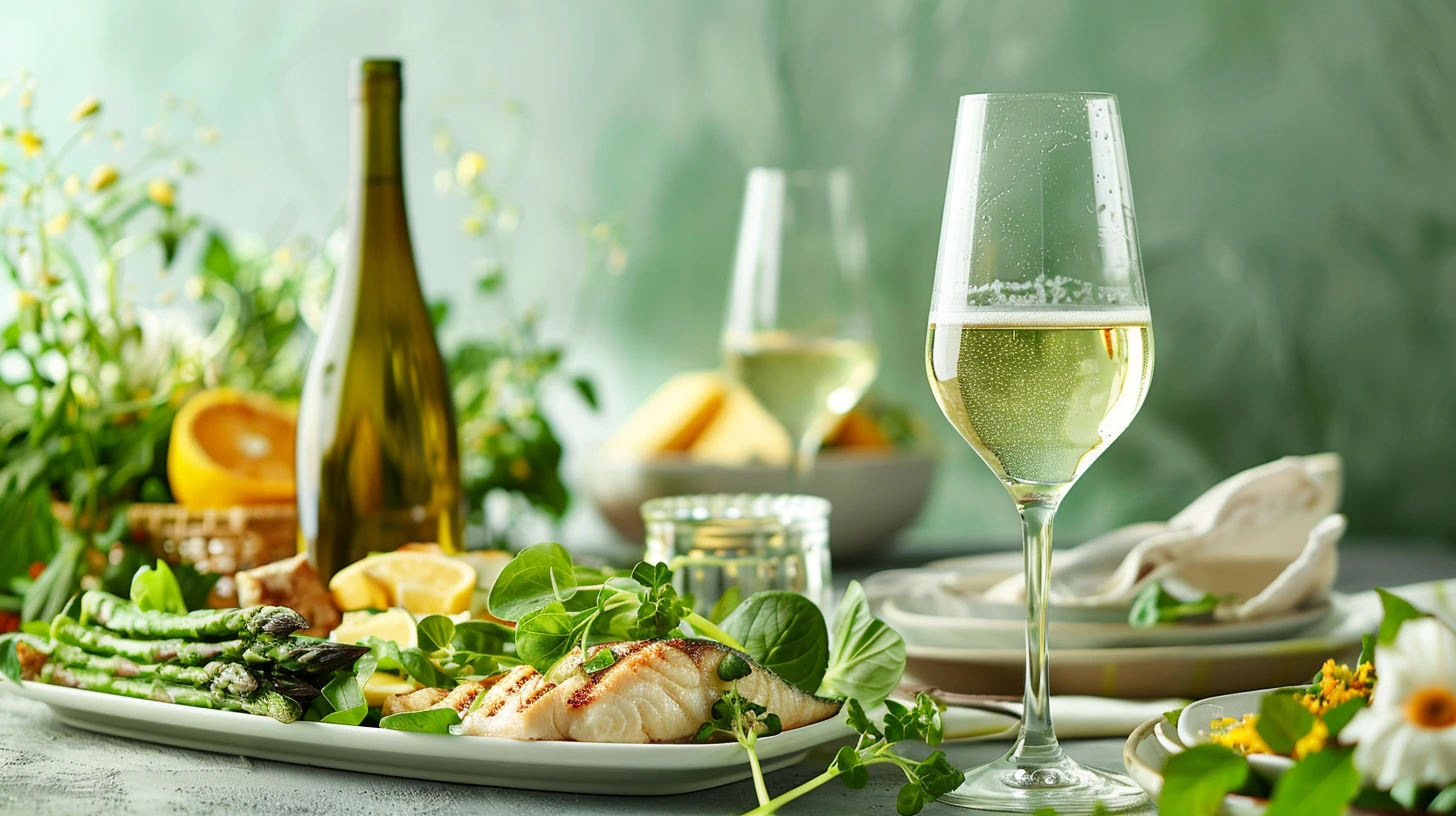
Sauvignon Blanc wine pairing
#1 Excellent match White

Sauvignon Blanc

Why it works: Sauvignon Blanc is a well-balanced match for Baba Ghanoush, with enough freshness to lift the dish and enough flavour intensity to complement its main ingredients without overpowering them.

Zesty white wine with lemon, gooseberry, grass and herb notes. It refreshes green vegetables, goat cheese, seafood and herb-led dishes.

GrapeSauvignon Blanc
RegionLoire, Marlborough, Bordeaux, Chile
Wine flavourlemon, gooseberry, grass, passion fruit, herbs
Serve at7-9°C
  • Flavour bridge: the wine's fruit, savoury notes and freshness create a natural bridge to the dish
  • Acidity: Acidity keeps the pairing lively and food-focused
  • Body: Body is matched to the overall weight of the dish
  • Tannin: Tannin level is kept appropriate to the dish's protein and texture
  • Sweetness: Dry unless the dish benefits from a touch of residual sweetness
  • Best for: Dinner, entertaining or recipe pairing
Vermentino wine pairing
#2 Great match White

Vermentino

Why it works: Vermentino is a strong secondary match for Baba Ghanoush, with enough freshness to lift the dish and enough flavour intensity to complement its main ingredients without overpowering them.

Mediterranean white with citrus, pear, almond, herbs and a lightly salty finish. Great with olive oil, tomatoes, seafood and Italian starters.

GrapeVermentino, Rolle
RegionSardinia, Liguria, Tuscany, Provence
Wine flavourlemon, pear, almond, herbs, sea salt
Serve at8-10°C
  • Flavour bridge: the wine's fruit, savoury notes and freshness create a natural bridge to the dish
  • Acidity: Acidity keeps the pairing lively and food-focused
  • Body: Body is matched to the overall weight of the dish
  • Tannin: Tannin level is kept appropriate to the dish's protein and texture
  • Sweetness: Dry unless the dish benefits from a touch of residual sweetness
  • Best for: Dinner, entertaining or recipe pairing
Grüner Veltliner wine pairing
#3 Interesting match White

Grüner Veltliner

Why it works: For a more adventurous pairing, grüner Veltliner is a well-balanced match for Baba Ghanoush, with enough freshness to lift the dish and enough flavour intensity to complement its main ingredients without overpowering them.

Peppery, citrusy white with high acidity and a savoury snap. Brilliant with vegetables, pork, fried dishes, herbs and awkward wine-pairing foods.

GrapeGrüner Veltliner
RegionWachau, Kamptal, Kremstal
Wine flavourlime, green apple, white pepper, lentil, herbs
Serve at8-10°C
  • Flavour bridge: the wine's fruit, savoury notes and freshness create a natural bridge to the dish
  • Acidity: Acidity keeps the pairing lively and food-focused
  • Body: Body is matched to the overall weight of the dish
  • Tannin: Tannin level is kept appropriate to the dish's protein and texture
  • Sweetness: Dry unless the dish benefits from a touch of residual sweetness
  • Best for: Dinner, entertaining or recipe pairing

These are wine-style pairings, so you can choose any bottle in that style rather than needing one exact producer. Look for the grape, region or style name on the label.

Bottle suggestions

Specific wines to try

These are individual wines already linked to this recipe.