Egyptian Dessert

Umm Ali

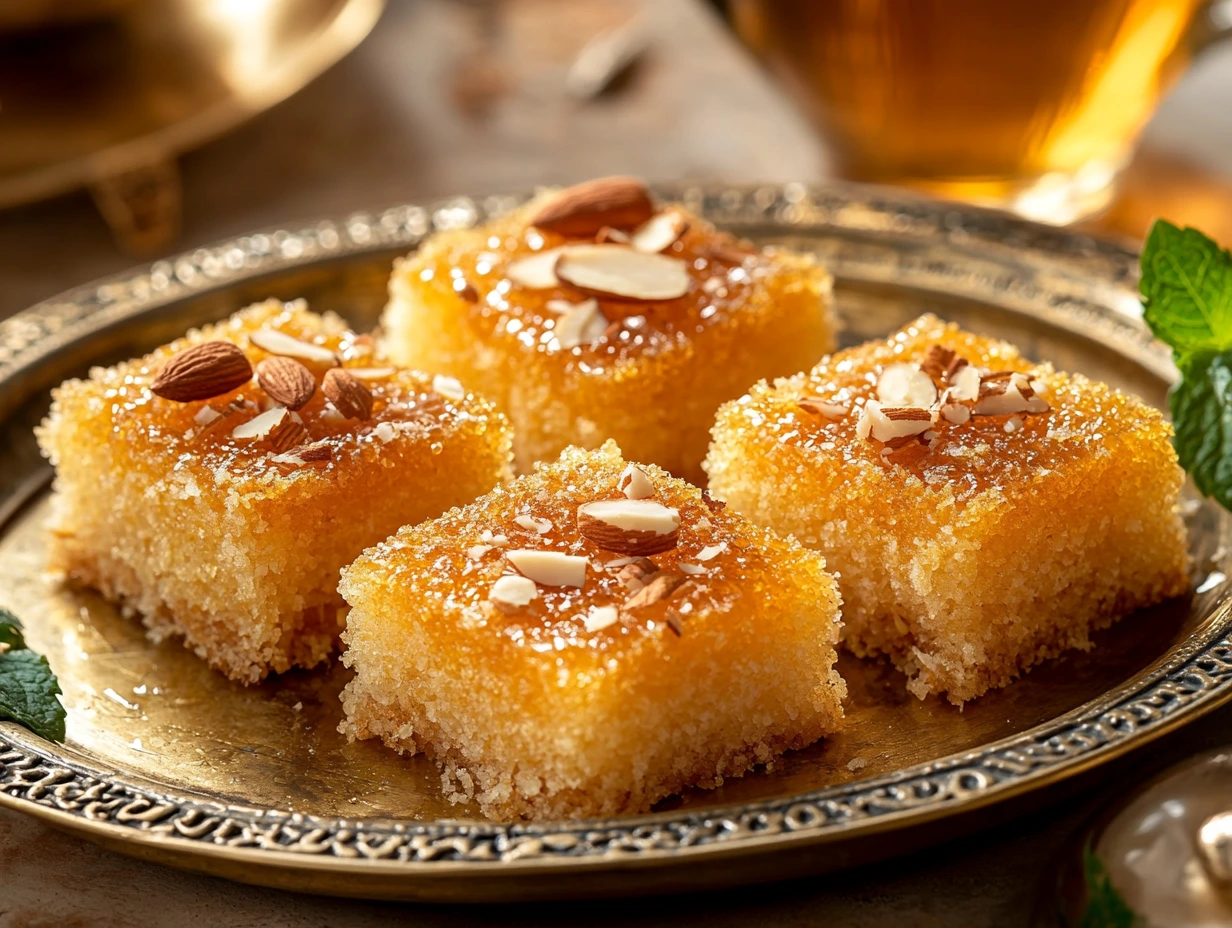
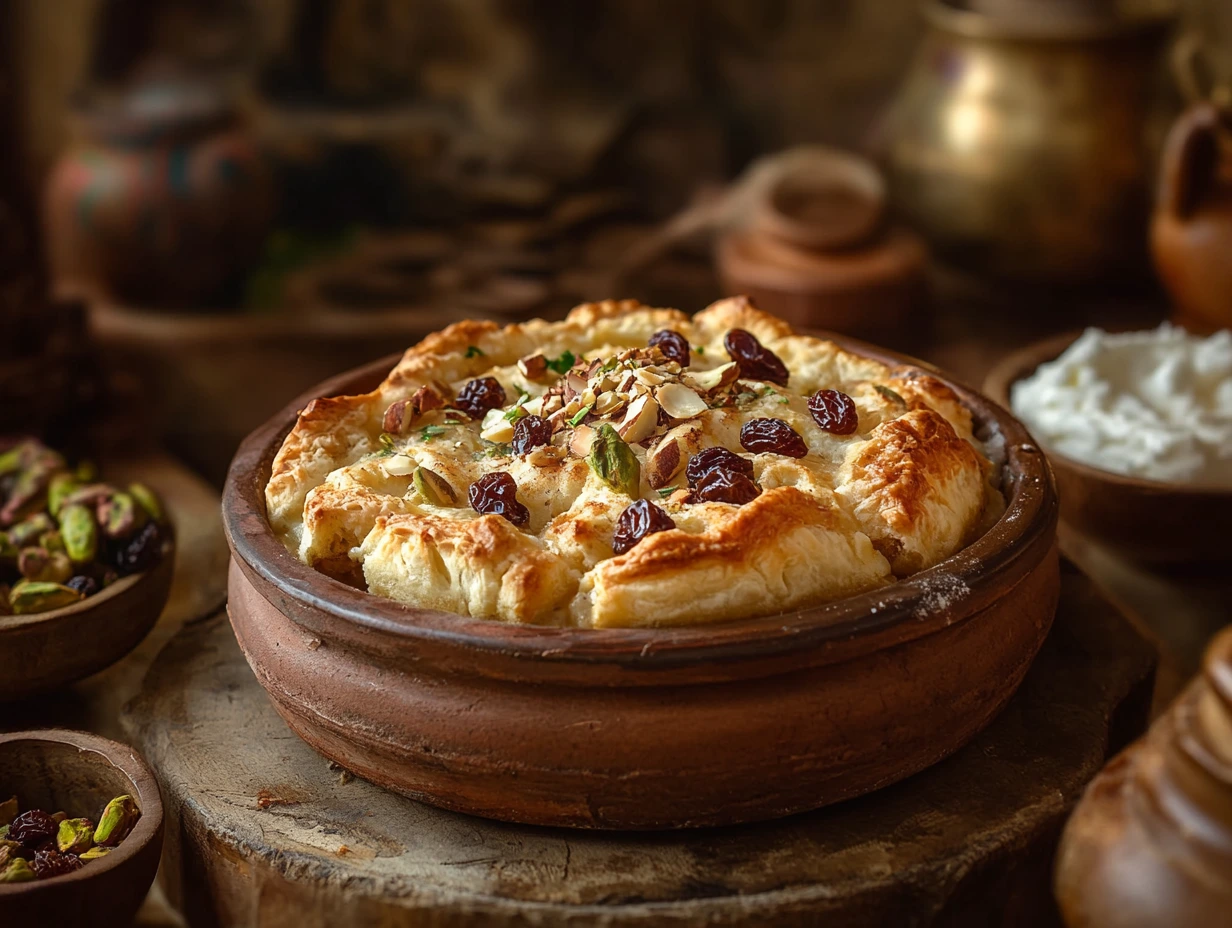
Umm Ali with a properly Egyptian flavour profile: practical, generous and built around pastry, milk, nuts and raisins.

20 minsPrep time
40 minsCook time
Serves 4Servings
MediumDifficulty
Umm Ali
About this dish

Umm Ali: the story on the plate

Umm Ali belongs to Egyptian bakeries, hotels and family celebrations. Umm Ali is Egypt’s famous bread-and-milk pudding, often linked to medieval court stories but loved today because it is generous, crisp-topped and easy to share. It matters as a celebratory dessert that feels both luxurious and homely. This version focuses on practical home-cooking detail: exact metric quantities, how to cut or prepare the main ingredients, the right heat level, visual cues, storage advice and serving ideas.

Historical background

Umm Ali belongs to Egyptian bakeries, hotels and family celebrations. Umm Ali is Egypt’s famous bread-and-milk pudding, often linked to medieval court stories but loved today because it is generous, crisp-topped and easy to share. It matters as a celebratory dessert that feels both luxurious and homely.

Why it is famous

Umm Ali is famous because it gives readers a recognisable route into Egyptian food rather than a generic Middle Eastern version.

Cultural significance

This dish works on the Egyptian page because it shows how the cuisine balances affordability, hospitality, street food, family cooking and celebration food.

Nutrition

Estimated nutrition per serving

Useful for meal planning and calorie-aware recipe browsing.

430Calories
8gProtein
58gCarbs
18gFat

Estimated from the upgraded Egyptian recipe for Umm Ali; verify with your preferred nutrition calculator before making formal nutritional claims.

Ingredients

What you need

  • 300 puff pastry, baked until crisp, or use croissants
  • 650 whole milk
  • 150 double cream
  • 90 caster sugar
  • 5 vanilla extract
  • 55 raisins
  • 80 mixed nuts, almonds, pistachios or hazelnuts, chopped
  • 35 desiccated coconut, optional but common
  • 3 ground cinnamon
  • fine sea salt
Method

Step-by-step method

Follow the recipe in order, tasting and adjusting seasoning where needed.

  1. Bake the pastry: Bake puff pastry at 200°C / 392°F until fully risen, dry and golden, usually 18 to 22 minutes. Cool, then break into rough pieces.
  2. Layer the dish: Put pastry pieces in a baking dish with raisins, nuts and coconut. Keep the pieces uneven so some soften and some crisp.
  3. Heat the milk: Bring milk, cream, sugar, vanilla and a pinch of salt just to a simmer. Stir until the sugar dissolves.
  4. Soak briefly: Pour the hot milk mixture over the pastry and leave for 5 minutes so the lower layer absorbs liquid while the top remains visible.
  5. Bake until bubbling: Bake at 190°C / 374°F for 18 to 22 minutes until bubbling at the edges and golden on top.
  6. Serve warm: Dust with cinnamon and serve warm. Do not overbake until dry; the centre should be creamy.
Cook smarter

Tips, storage and serving advice

Shopping tips

Use split fava beans for taameya, good tahini for dips, fresh herbs for mahshi and besara, short-grain rice for Egyptian rice dishes, and coarse semolina for basbousa.

Ingredient quality

Fresh herbs should smell vivid, cumin should be aromatic, onions should be firm and dry, and fish or meat should look clean and fresh. Do not hide tired ingredients under spice.

Common mistakes

For Umm Ali, the main mistakes are losing control of the balance between puff pastry, whole milk, double cream, caster sugar; rushing the "Bake the pastry" stage before the flavour or texture has properly developed; and pushing sweetness so far that the defining flavour of the dessert is lost. Use the recipe's visual cue as your guide: Texture, aroma and colour should match the dish: tender where simmered, crisp where fried, glossy where sauced and bright where finished with herbs or lemon. With Umm Ali, taste and observe as you cook rather than relying on the clock alone; the goal is a result that still tastes recognisably Egyptian and preserves the texture that makes this recipe distinctive.

Chef’s tips

For the best Umm Ali, organise puff pastry, whole milk, double cream, caster sugar before you start so the cooking itself can stay controlled. Give particular attention to the "Bake the pastry" stage: this is where the recipe begins to establish its final flavour and texture. A useful technique note from the method is: Taste with the normal accompaniment, such as bread, rice, salad or sauce, because Egyptian dishes are designed as complete plates. Trust the visual cue — Texture, aroma and colour should match the dish: tender where simmered, crisp where fried, glossy where sauced and bright where finished with herbs or lemon. — more than an exact minute count. At the "Serve warm" stage, make the final seasoning adjustment and serve without unnecessary delay. That final check is what makes Umm Ali taste deliberate rather than simply cooked.

How to know it is cooked

It is cooked when the main ingredient is tender, the sauce or rice has the intended texture, and the dish tastes balanced with its normal accompaniment.

Plating advice

Plate Umm Ali so the dish reads clearly at first glance. Choose a plate or bowl that frames the dessert without crowding it, and use puff pastry, whole milk, double cream as the visual cue for any finishing elements. The presentation should protect the intended texture — clear contrast between soft interiors, crisp toppings, fluffy rice, creamy sauces, smoky dips or syrup-soaked crumb depending on the dish — so avoid covering crisp elements with sauce too early or compressing delicate components. For the finish, draw selectively from the existing garnish guidance: Parsley, coriander, lemon wedges, crisp onions, toasted nuts, sesame seeds, cinnamon, pistachios, olive oil or tahini depending on the recipe. Use one or two elements with purpose rather than applying every option at once. For Umm Ali, the final plate should feel consistent with its Egyptian identity: confident, appetising and easy to eat, with no decoration that competes with the food itself.

Make ahead

Prep herbs, sauces, soaked beans, stock and chopped vegetables ahead. Fry taameya, grill kofta, finish molokhia tasha and soak syrup cakes close to serving for best texture.

Storage and reheating

Cool leftovers quickly and refrigerate in sealed containers for up to 2 days for meat and fish dishes, or up to 3 days for beans, rice puddings and syrup cakes. Reheat stews, rice and stuffed vegetables gently with a splash of water or stock until piping hot. Re-crisp fried items in an oven or air fryer rather than the microwave.

Wine pairing

What to drink with Umm Ali

Pairings are chosen around the dish’s flavour, texture, richness, acidity and cooking style — not just the country it comes from.

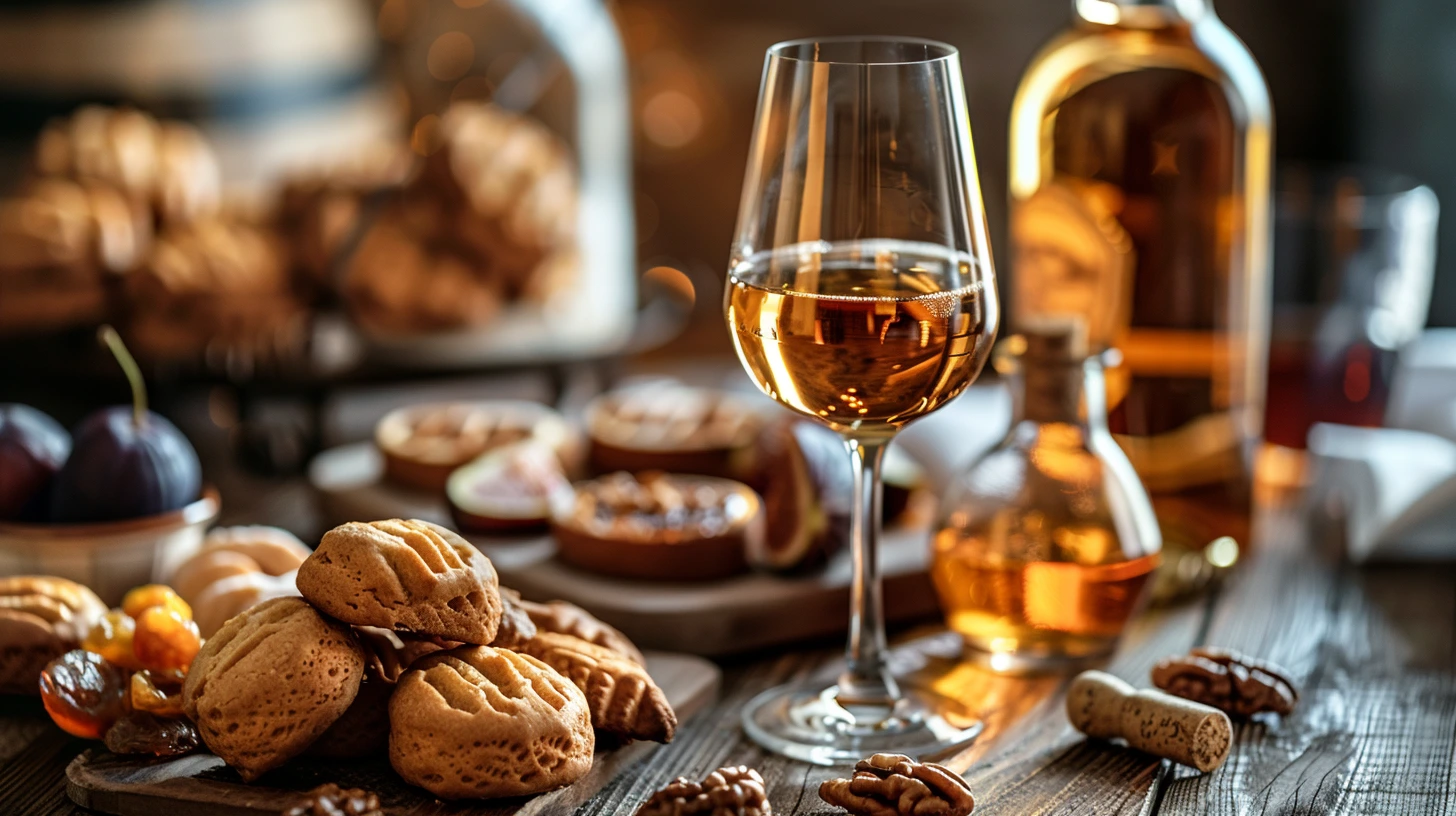
Vin Santo wine pairing
#1 Excellent match Dessert

Vin Santo

Why it works: Vin Santo works with Umm Ali because it has sufficient sweetness and aromatic intensity to meet the dessert on equal terms without losing freshness.

Tuscan amber dessert wine with dried fruit, nuts and honeyed depth.

GrapeTrebbiano, Malvasia
RegionTuscany
Wine flavourdried apricot, almond, honey, caramel
Serve at10-12°C
  • Flavour bridge: honeyed, floral or dried-fruit notes complement baked and creamy flavours
  • Acidity: Acidity provides lift through sweetness and richness
  • Body: Body is proportionate to the dessert's weight
  • Tannin: Minimal tannin keeps the finish soft
  • Sweetness: The wine is at least as sweet as the dish
  • Best for: Dinner, entertaining or recipe pairing
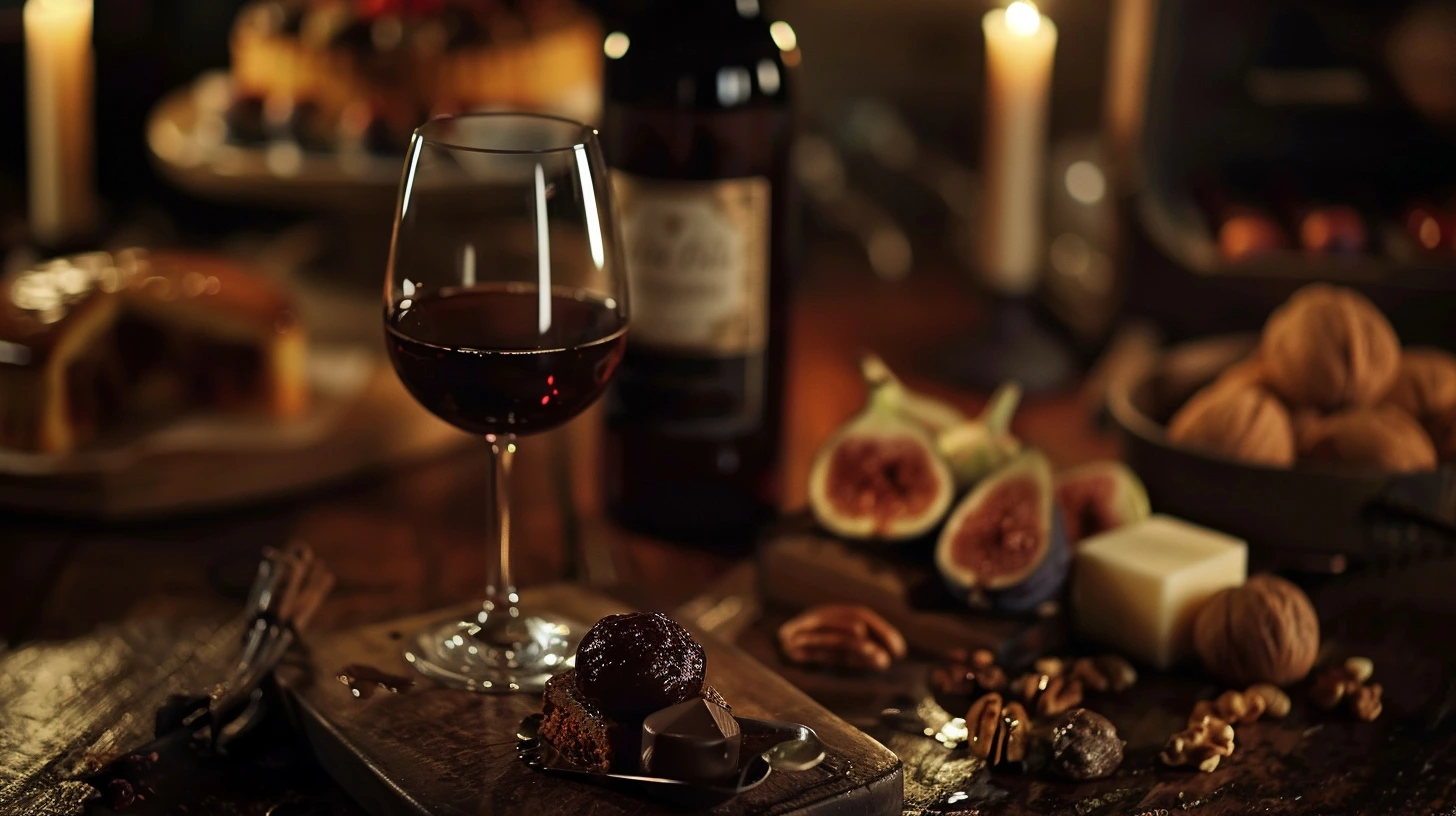
Tawny Port wine pairing
#2 Great match Fortified

Tawny Port

Why it works: Tawny Port works with Umm Ali because it has sufficient sweetness and aromatic intensity to meet the dessert on equal terms without losing freshness.

Sweet fortified wine with caramel, dried fruit, nuts and orange peel. Excellent with sticky toffee, nut desserts, chocolate, caramel and mature cheese.

GrapeTouriga Nacional, Touriga Franca, Tinta Roriz
RegionDouro Valley
Wine flavourcaramel, walnut, fig, orange peel
Serve at12-16°C
  • Flavour bridge: honeyed, floral or dried-fruit notes complement baked and creamy flavours
  • Acidity: Acidity provides lift through sweetness and richness
  • Body: Body is proportionate to the dessert's weight
  • Tannin: Minimal tannin keeps the finish soft
  • Sweetness: The wine is at least as sweet as the dish
  • Best for: Dinner, entertaining or recipe pairing
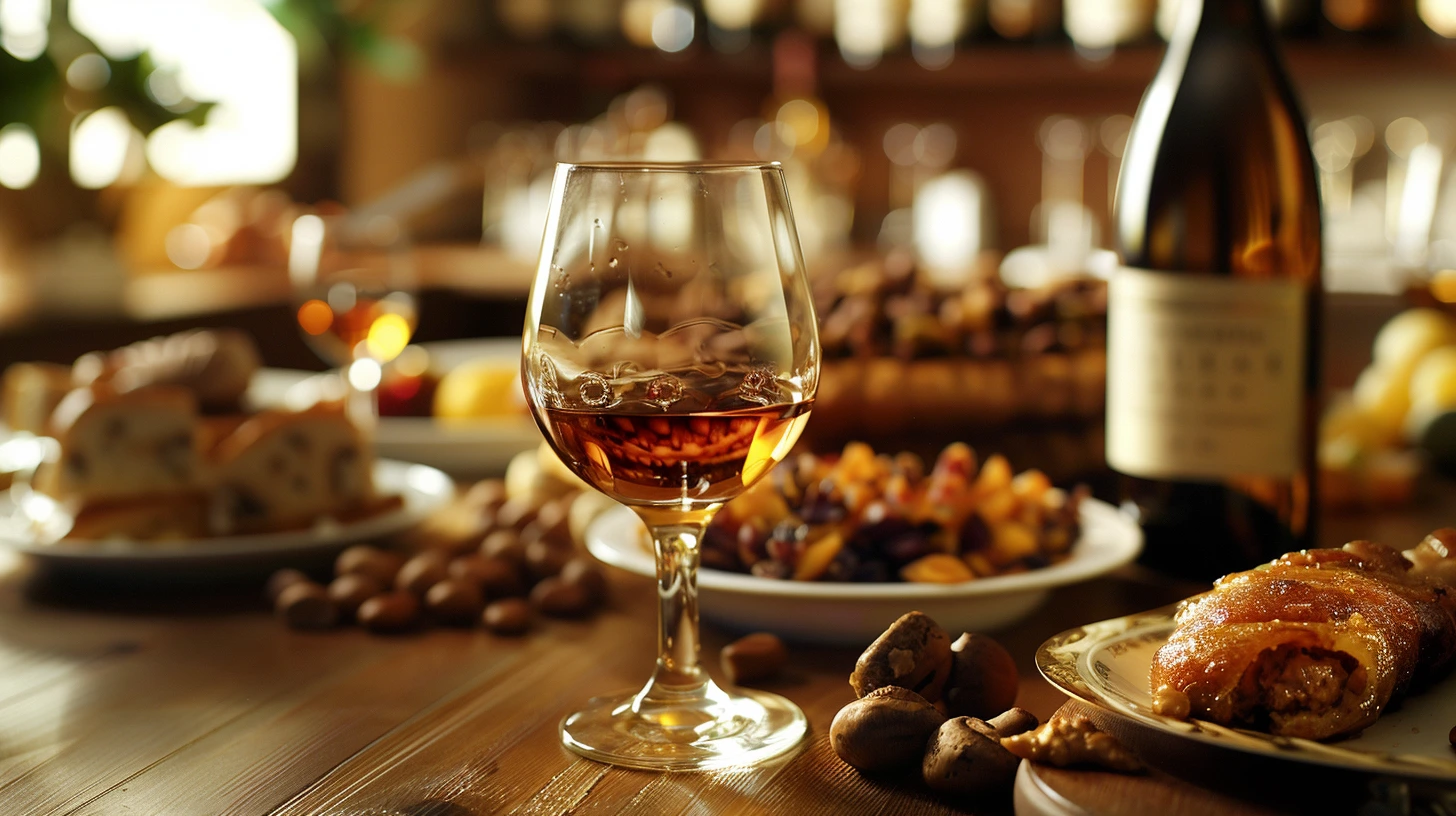
Madeira wine pairing
#3 Interesting match Fortified

Madeira

Why it works: For a more adventurous pairing, madeira works with Umm Ali because it has sufficient sweetness and aromatic intensity to meet the dessert on equal terms without losing freshness.

Long-lived fortified wine with caramel, walnut, citrus peel and roasted notes. Excellent with treacle, toffee, nut cakes and rich savoury sauces.

GrapeSercial, Verdelho, Bual, Malvasia
RegionMadeira
Wine flavourcaramel, walnut, citrus peel, roasted sugar
Serve at12-14°C
  • Flavour bridge: honeyed, floral or dried-fruit notes complement baked and creamy flavours
  • Acidity: Acidity provides lift through sweetness and richness
  • Body: Body is proportionate to the dessert's weight
  • Tannin: Minimal tannin keeps the finish soft
  • Sweetness: The wine is at least as sweet as the dish
  • Best for: Dinner, entertaining or recipe pairing

These are wine-style pairings, so you can choose any bottle in that style rather than needing one exact producer. Look for the grape, region or style name on the label.