Crema Catalana: the story on the plate
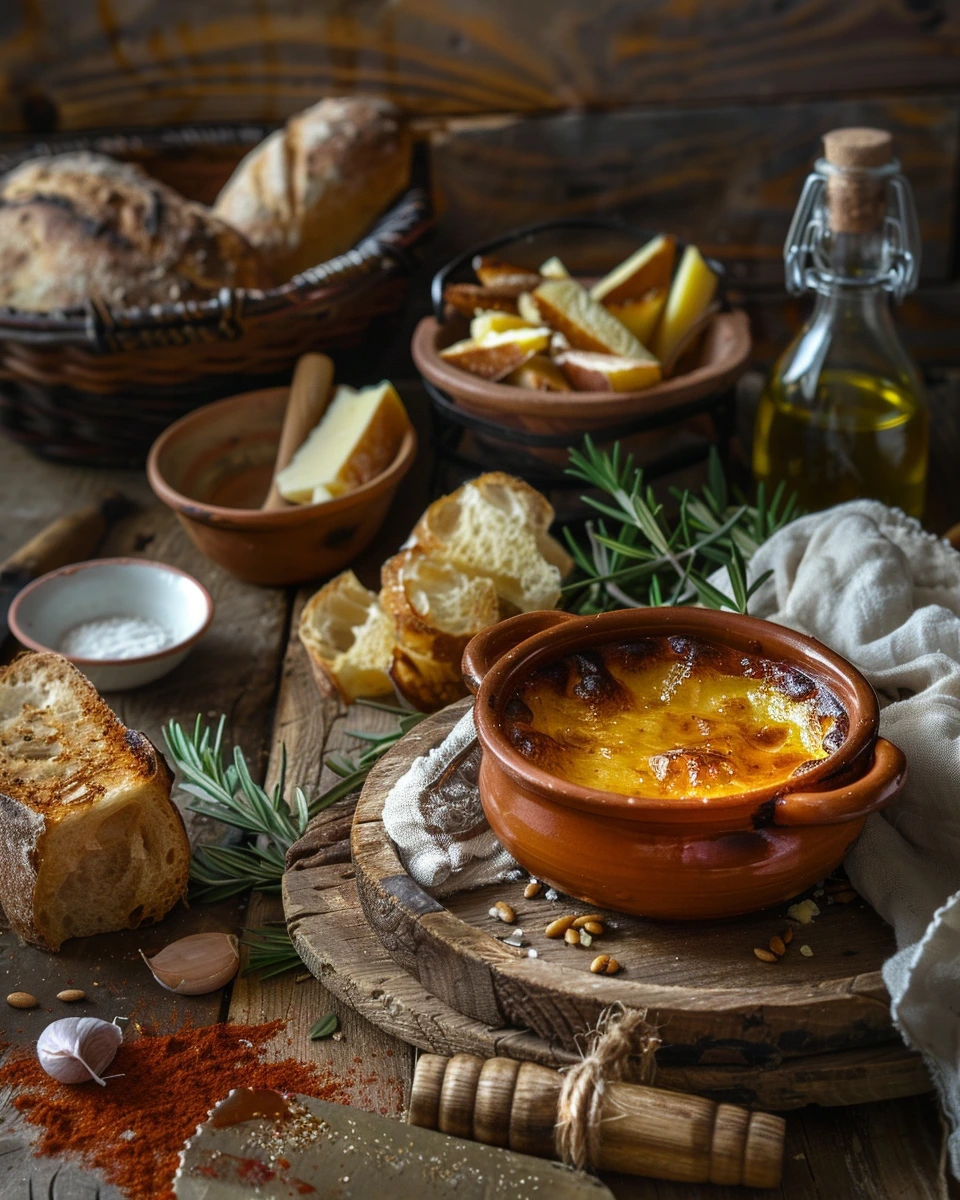
Crema catalana is one of Catalonia's oldest documented desserts, with medieval and early modern recipes predating many modern custards. It is traditionally associated with the feast of Saint Joseph on 19 March, which is why it is also called crema de Sant Josep. The dessert is known for a cool, delicately spiced custard and a thin sugar crust caramelised immediately before serving. Unlike many baked custards, it is generally thickened on the hob with egg yolks and starch and flavoured with lemon peel and cinnamon. It remains a central Catalan restaurant dessert and a family dish for Saint Joseph's Day. Cracking the glassy caramel with a spoon is part of the experience, and the flavour profile reflects Catalonia's long use of citrus and warm spice in sweets.
Historical background
Crema catalana is one of Catalonia's oldest documented desserts, with medieval and early modern recipes predating many modern custards. It is traditionally associated with the feast of Saint Joseph on 19 March, which is why it is also called crema de Sant Josep.
Why it is famous
The dessert is known for a cool, delicately spiced custard and a thin sugar crust caramelised immediately before serving. Unlike many baked custards, it is generally thickened on the hob with egg yolks and starch and flavoured with lemon peel and cinnamon.
Cultural significance
It remains a central Catalan restaurant dessert and a family dish for Saint Joseph's Day. Cracking the glassy caramel with a spoon is part of the experience, and the flavour profile reflects Catalonia's long use of citrus and warm spice in sweets.