Éclairs au Chocolat: the story on the plate
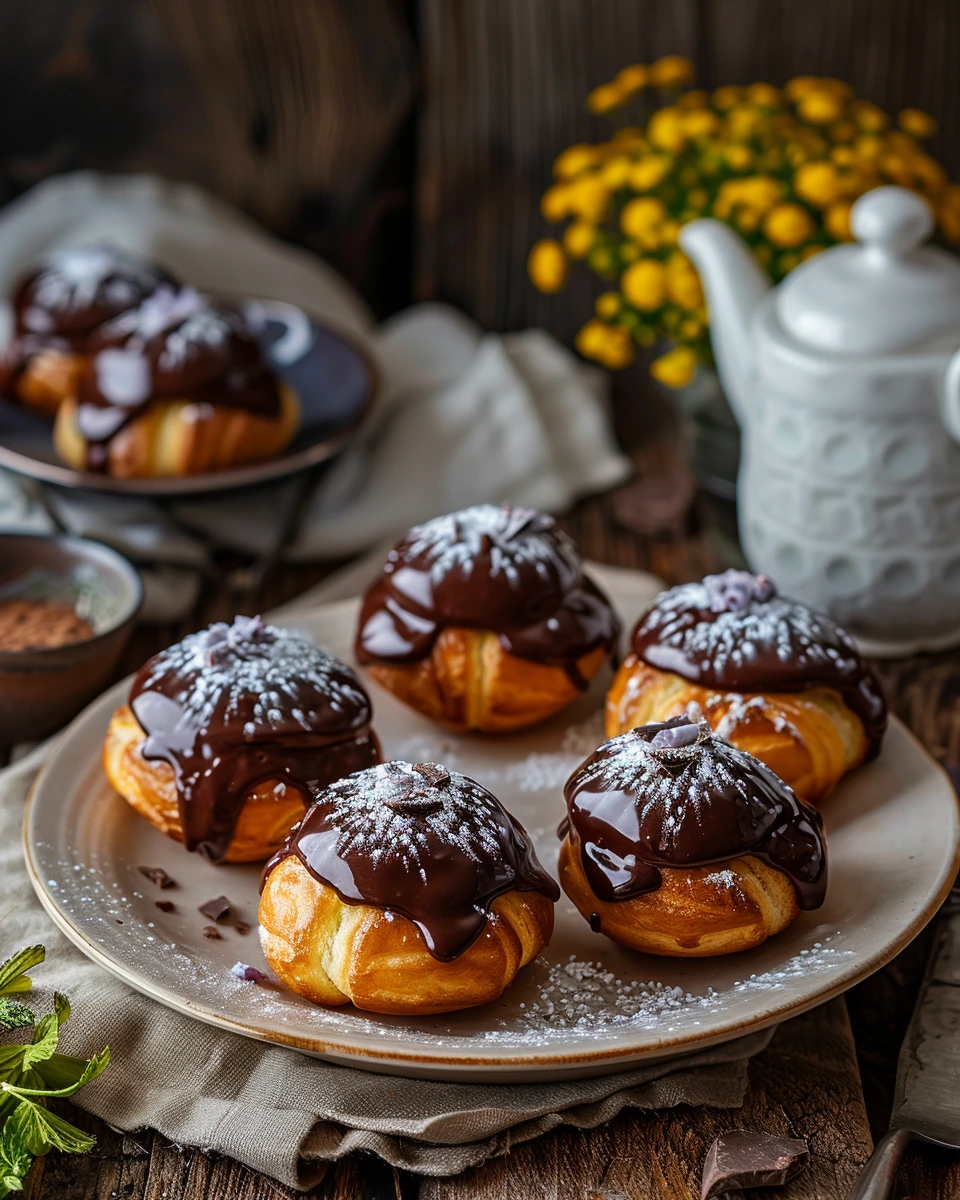
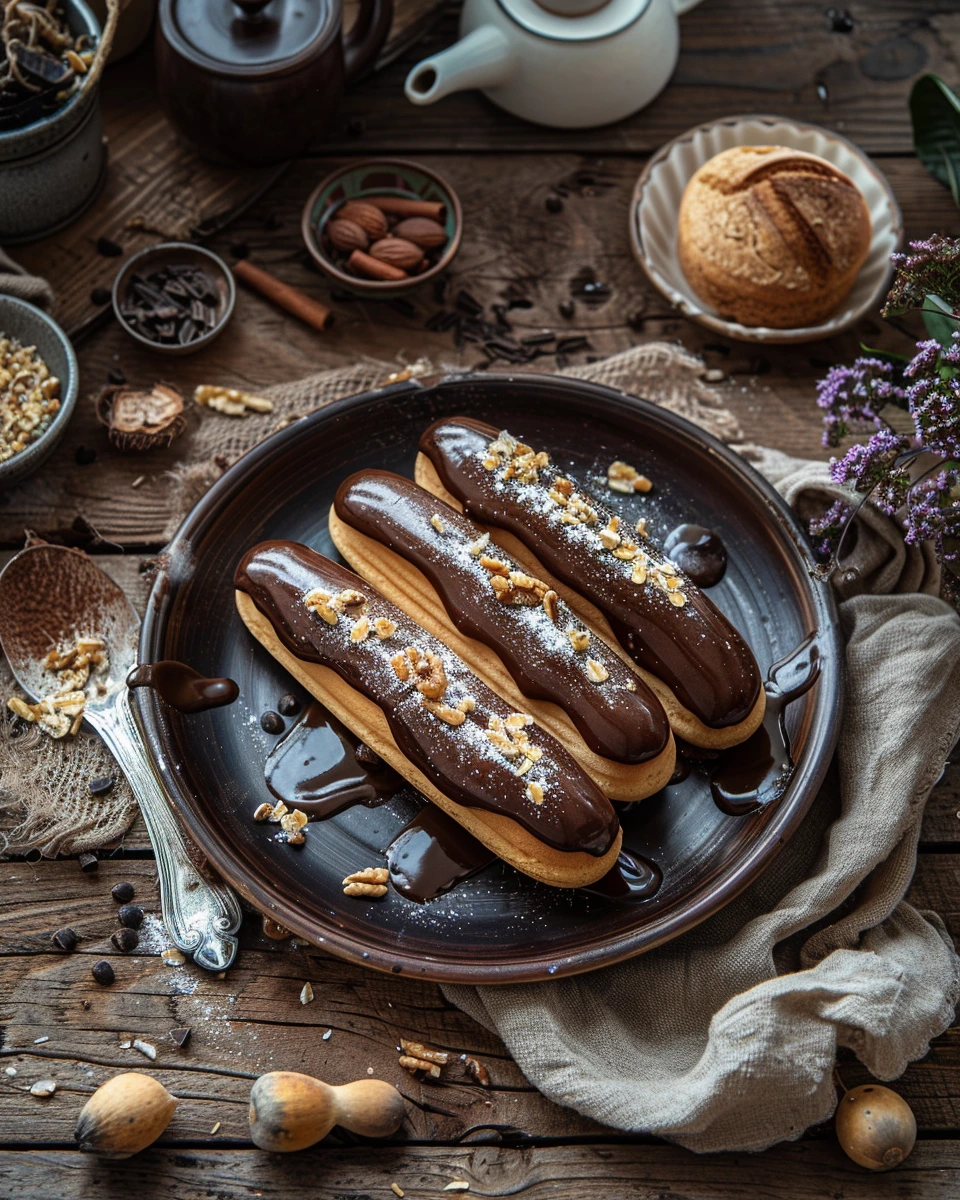
The éclair emerged in nineteenth-century France from earlier choux pastries known as pains à la duchesse. Its modern name, meaning lightning, may refer to its glossy appearance or the speed with which it is eaten. It is famous for precision: a straight, evenly risen shell, smooth filling and a polished strip of icing. The long shape creates an ideal ratio of pastry, cream and glaze in every bite. Éclairs are a standard of French pâtisserie and a test of a pastry chef's consistency. Chocolate is the classic flavour, but coffee, vanilla and modern seasonal versions fill bakery windows throughout France.
Historical background
The éclair emerged in nineteenth-century France from earlier choux pastries known as pains à la duchesse. Its modern name, meaning lightning, may refer to its glossy appearance or the speed with which it is eaten.
Why it is famous
It is famous for precision: a straight, evenly risen shell, smooth filling and a polished strip of icing. The long shape creates an ideal ratio of pastry, cream and glaze in every bite.
Cultural significance
Éclairs are a standard of French pâtisserie and a test of a pastry chef's consistency. Chocolate is the classic flavour, but coffee, vanilla and modern seasonal versions fill bakery windows throughout France.