Why Lebanese cuisine is worth exploring
Lebanese food grew from the agricultural traditions of the Levant, Mediterranean trade, Ottoman rule and a long history of village cooking centred on grains, olive oil, fruit, herbs and pulses. Its modern identity is closely tied to mezze and hospitality, but many dishes remain rooted in practical seasonal cooking.
Why it is famous
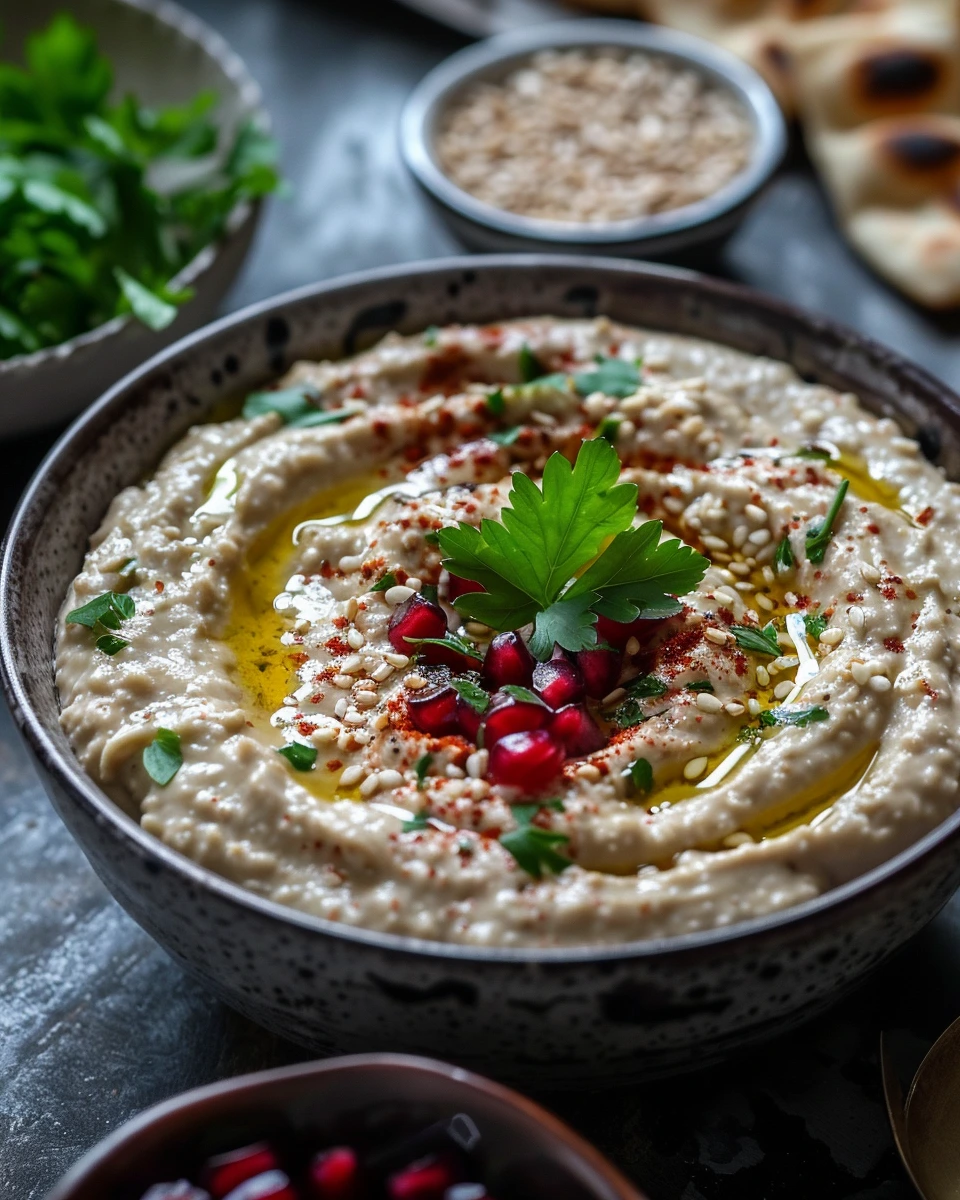
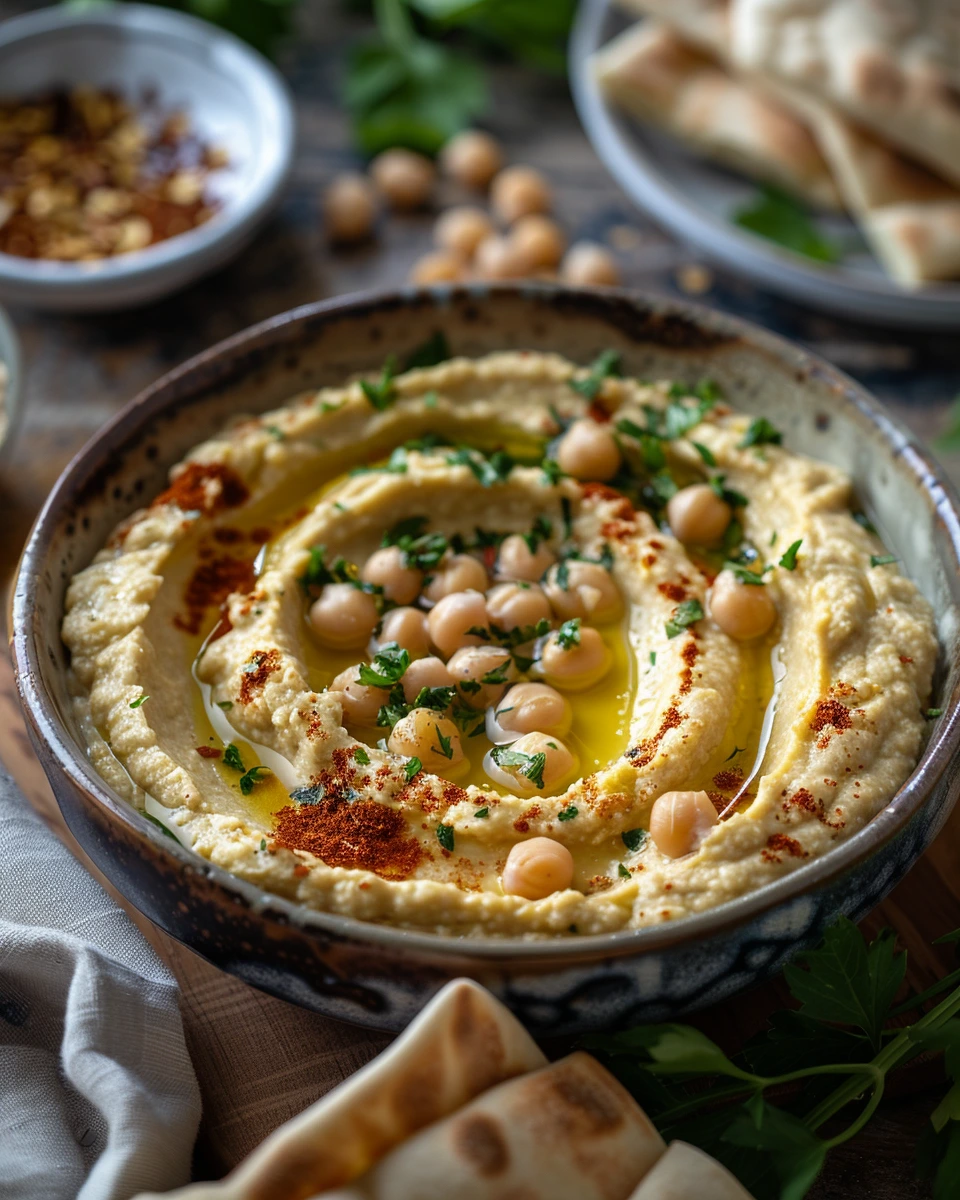
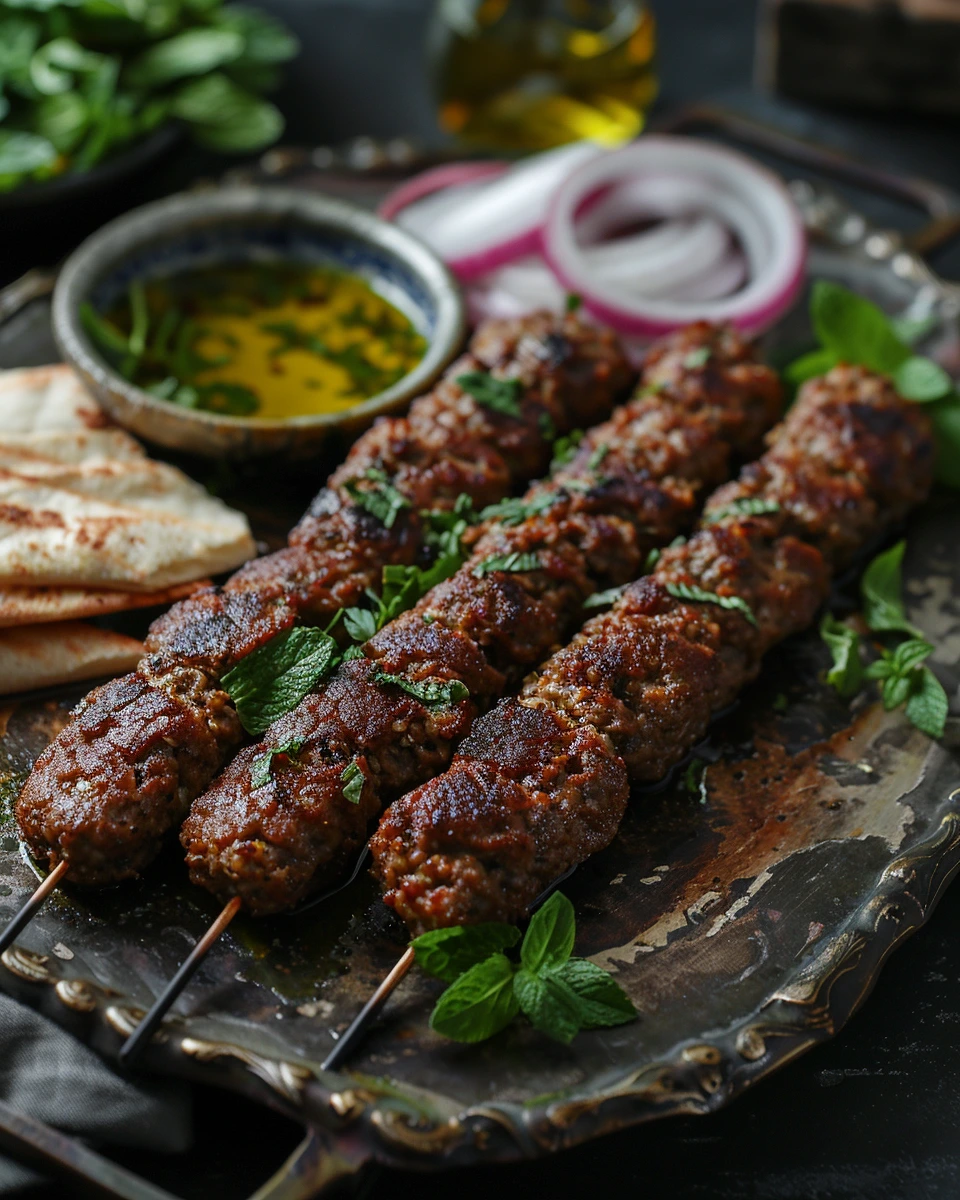
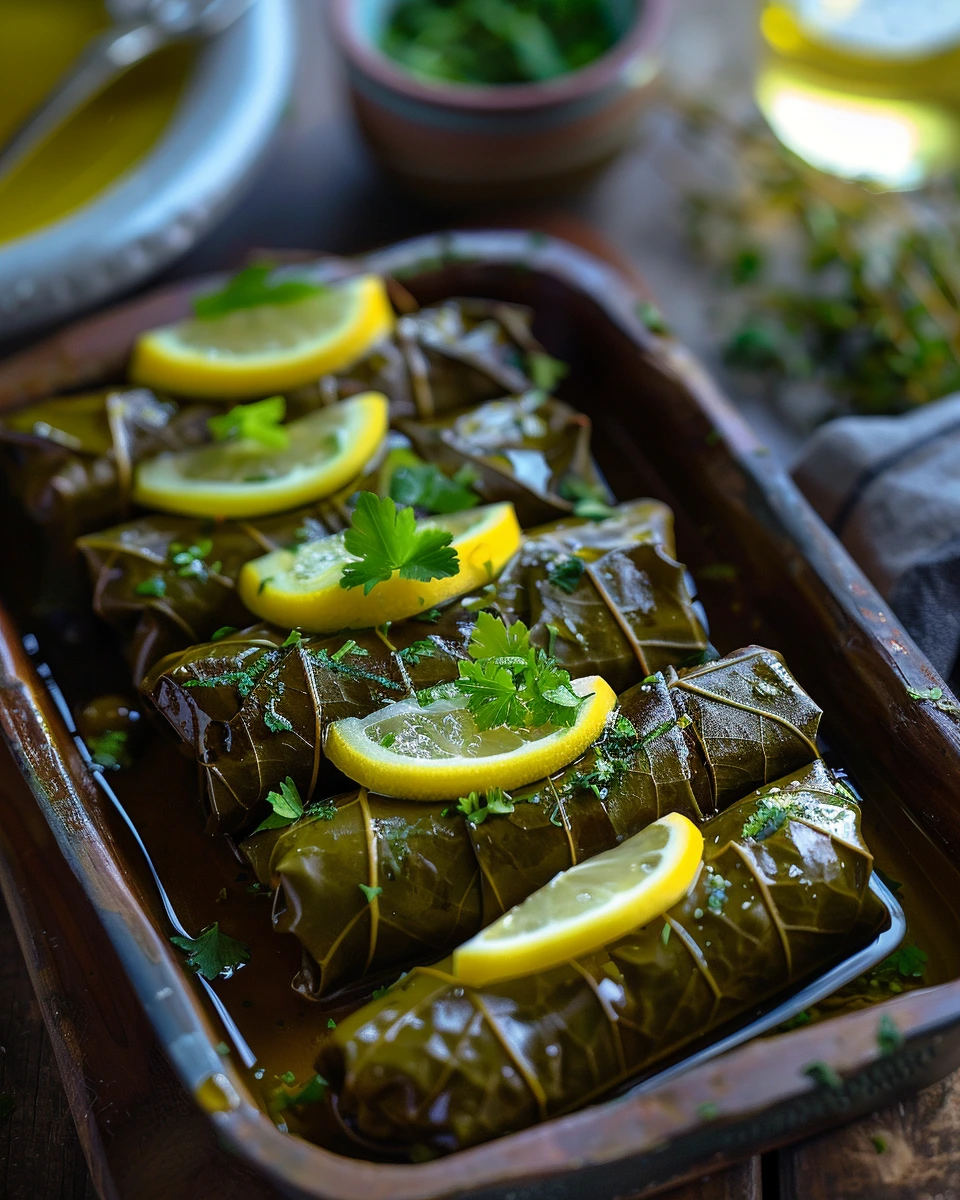
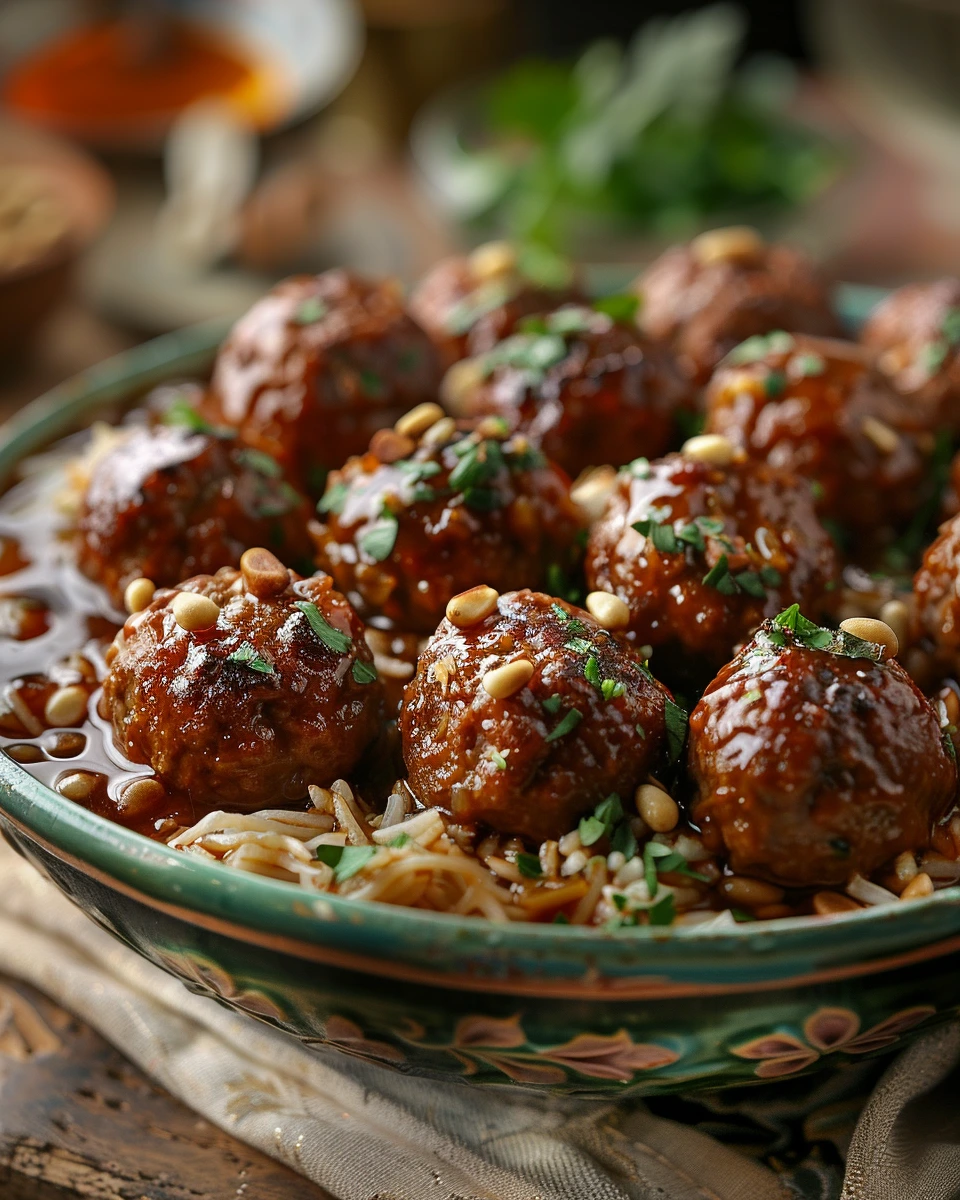
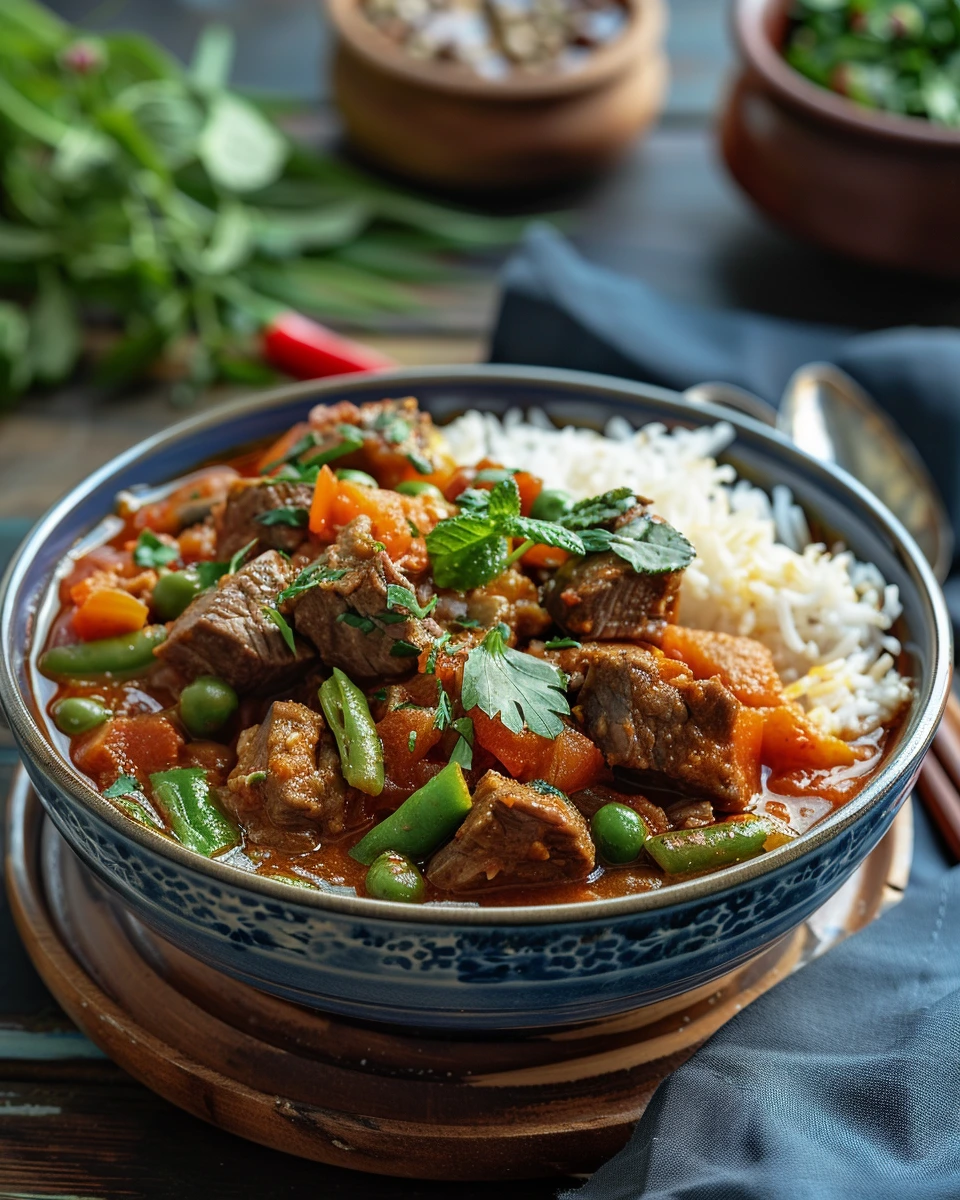
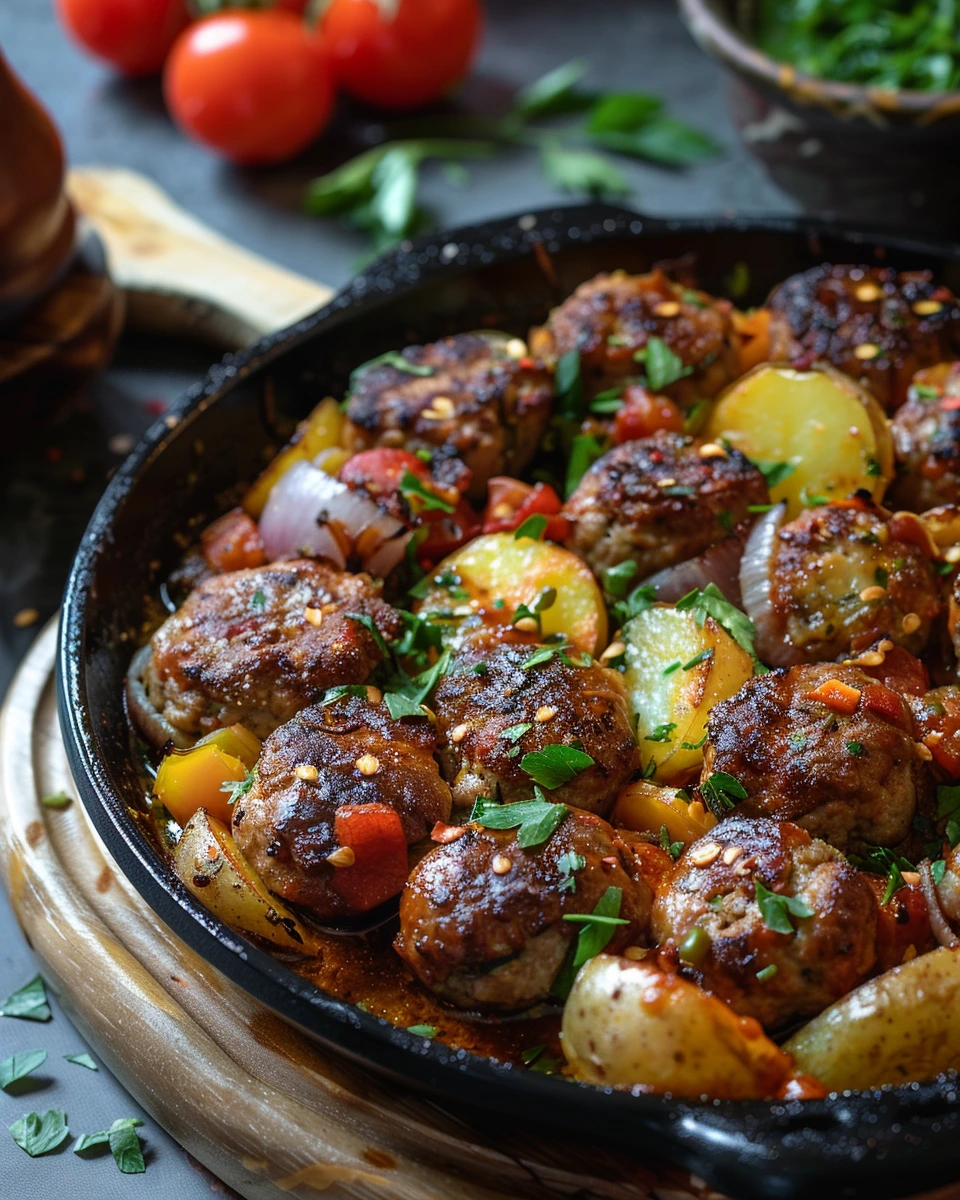
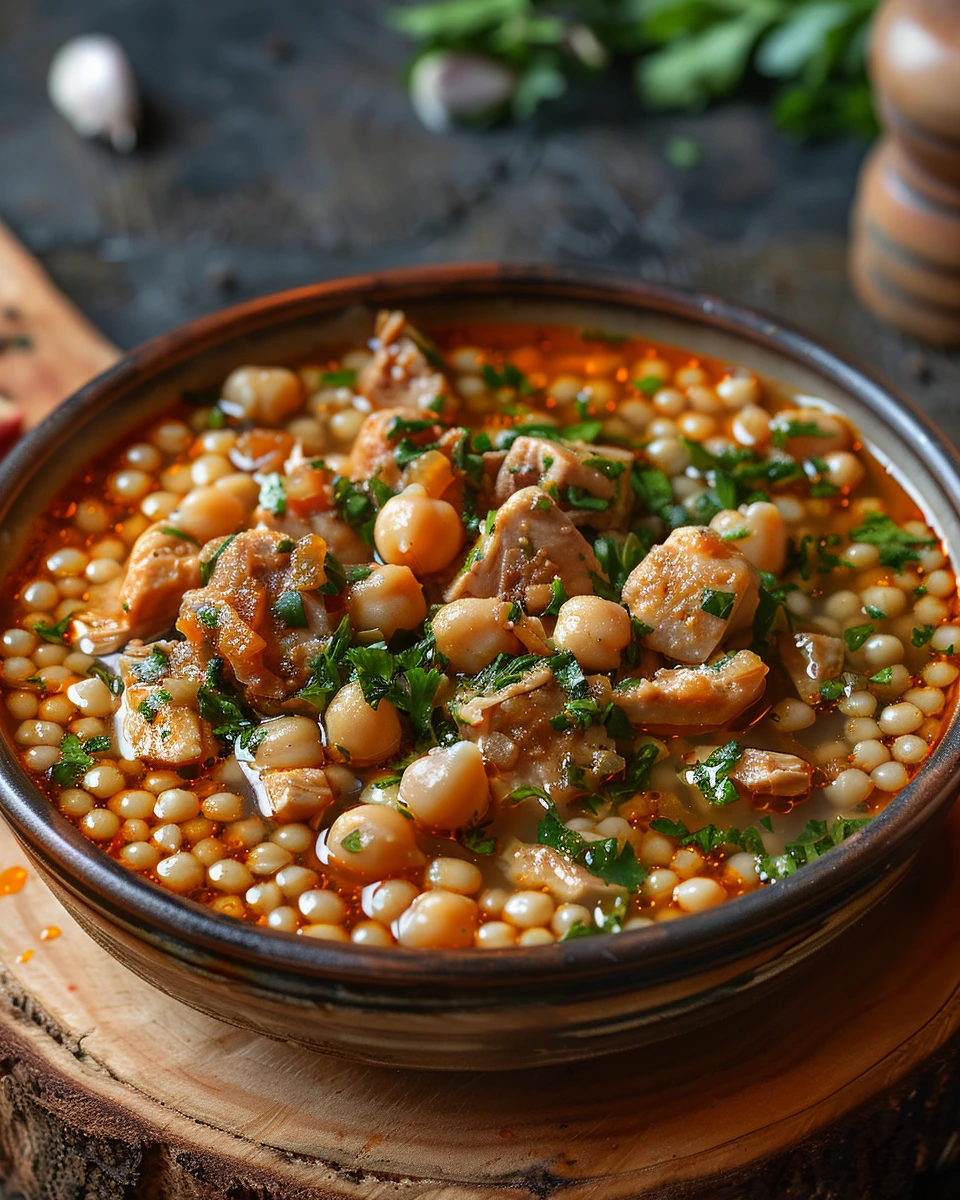
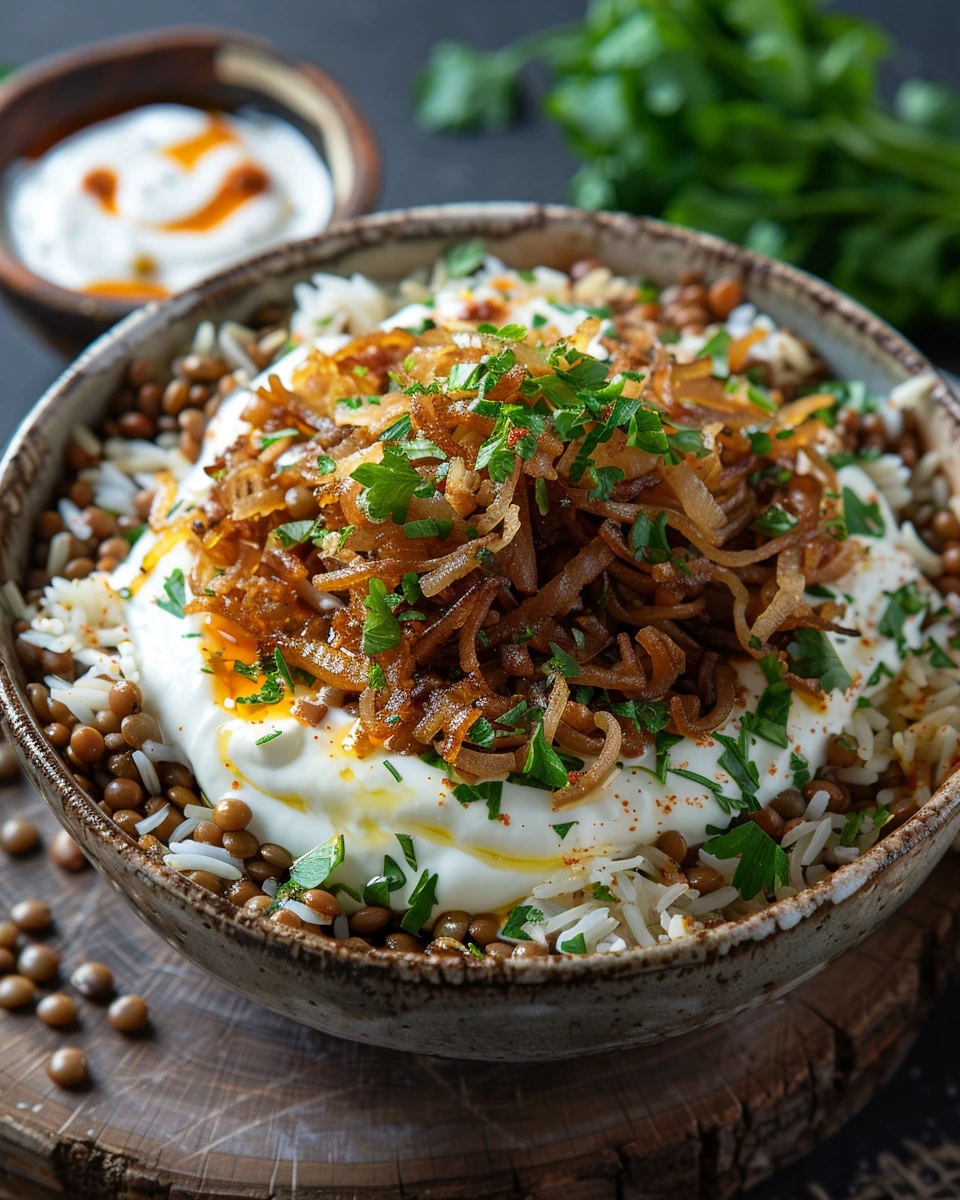
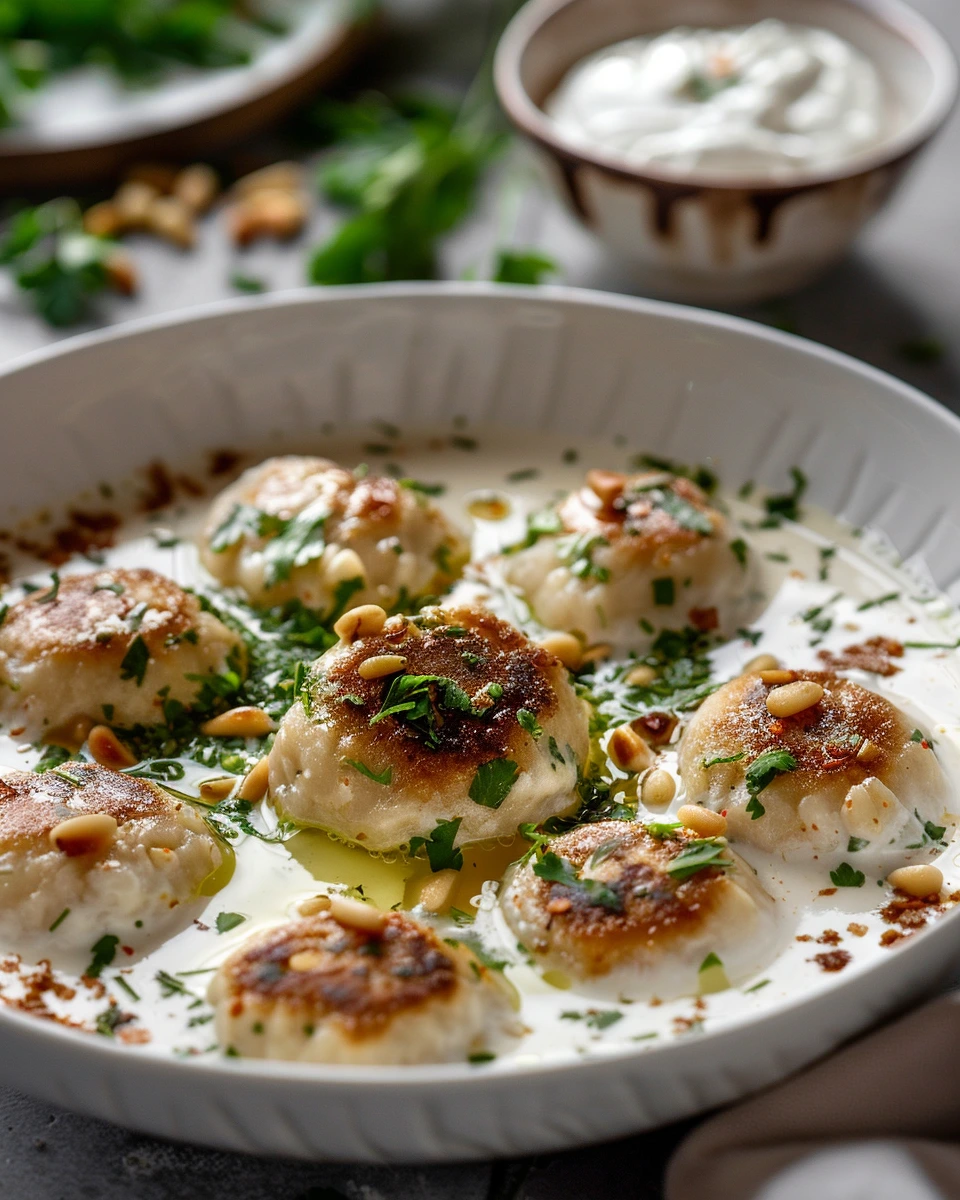
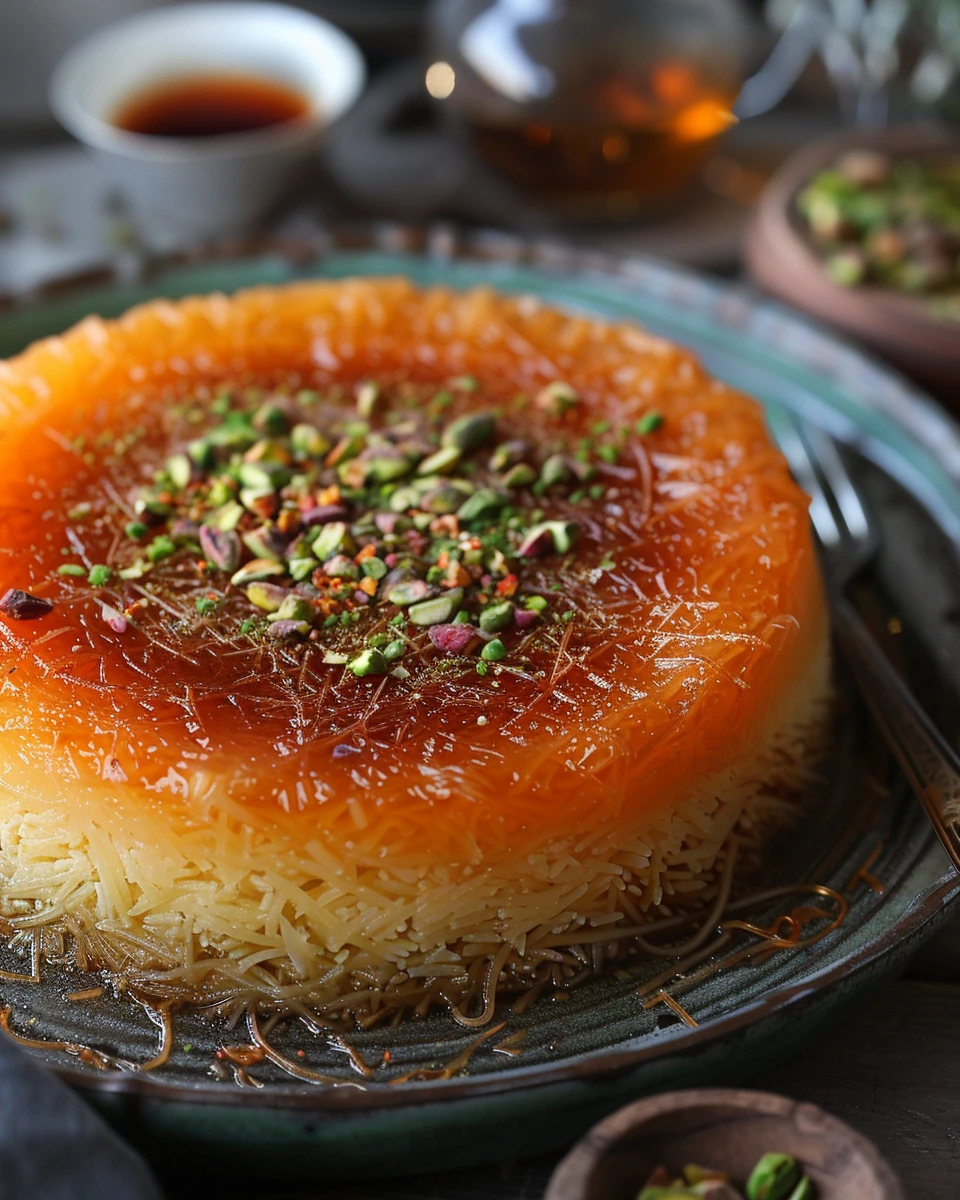
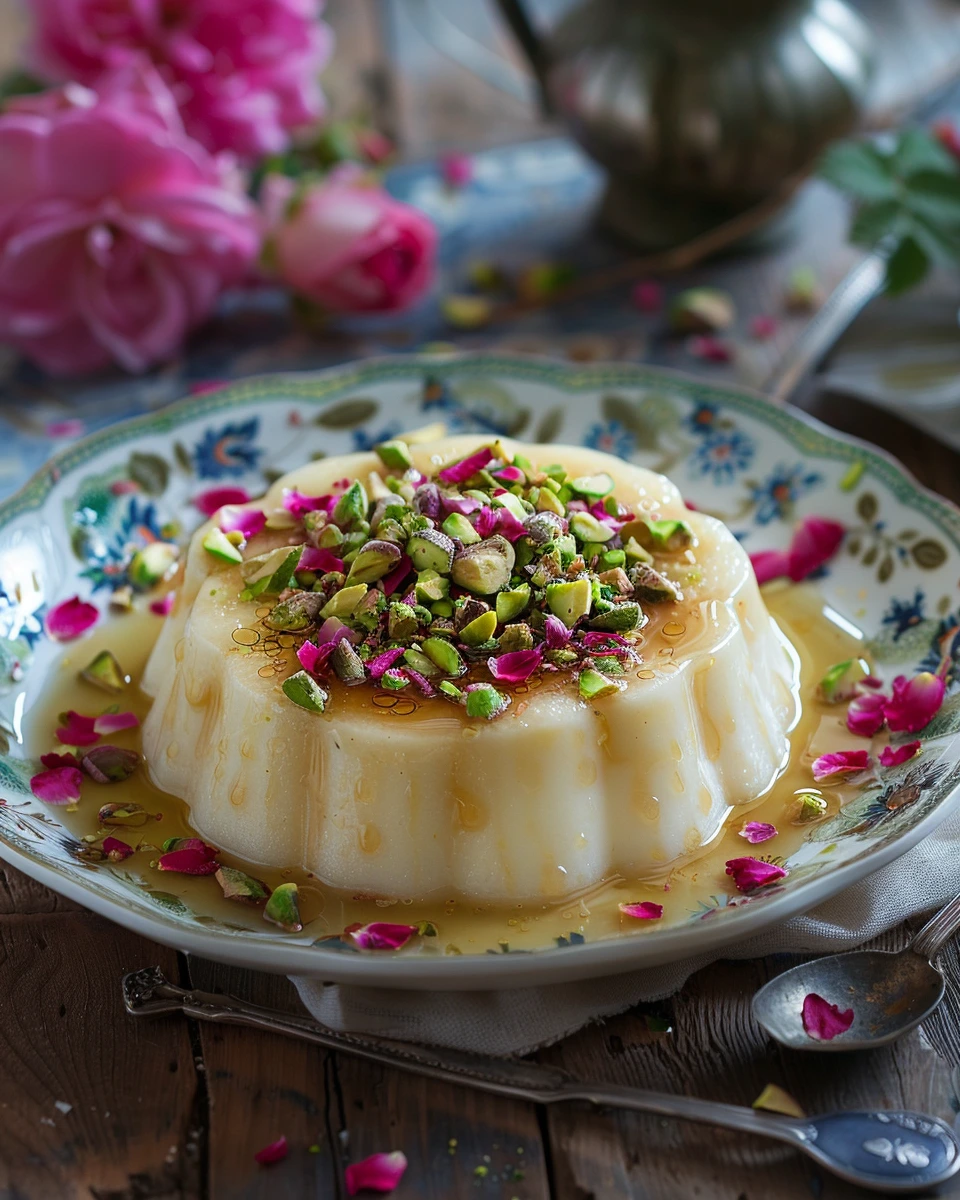
Lebanese cuisine is known internationally for hummus, tabbouleh, kibbeh, fattoush, shawarma, manakish, stuffed vegetables, grilled meats and baklava. Its appeal is broader than a list of classics, however: the cuisine comes alive in the contrast between street food, family cooking, regional produce and dishes reserved for celebrations.
Regional food story
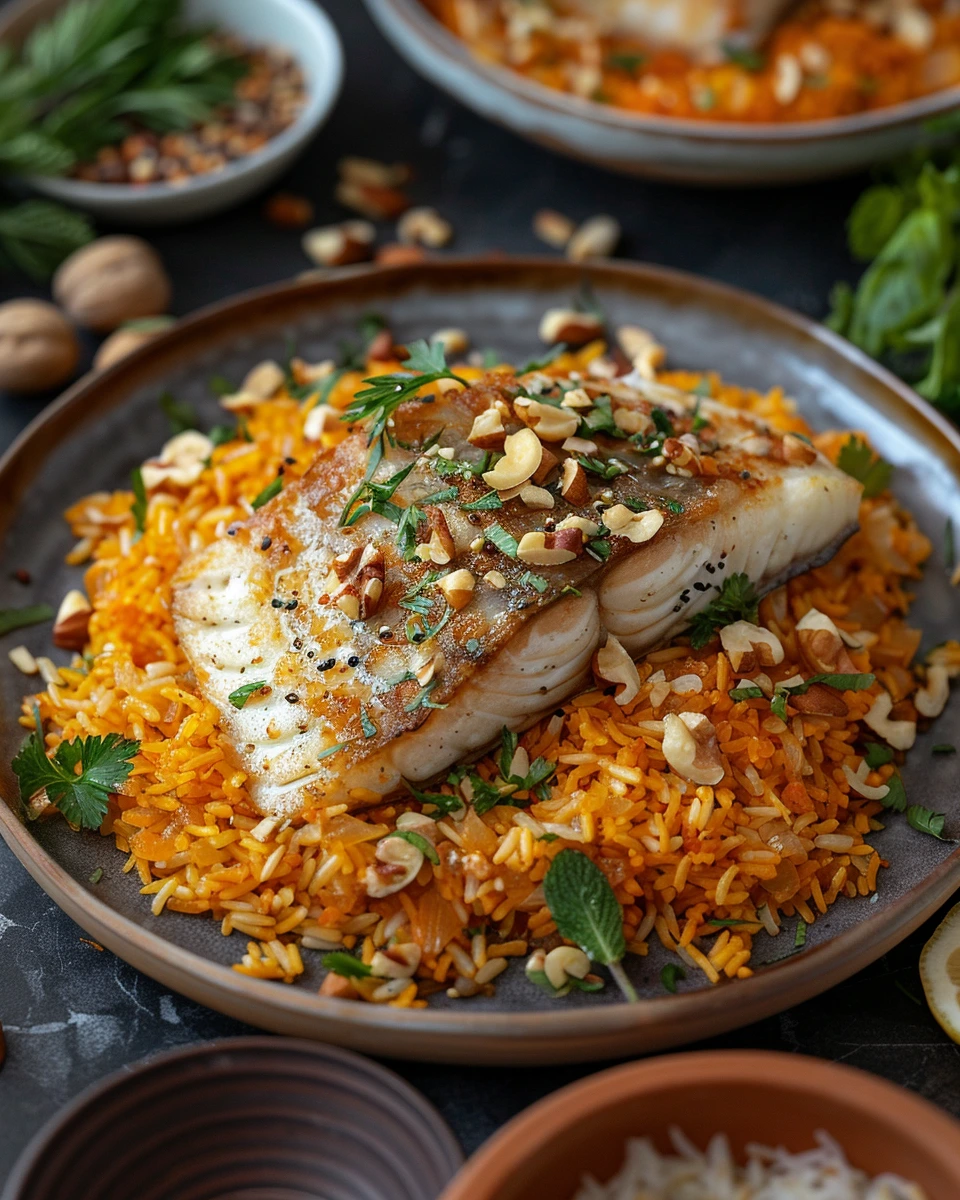
Coastal cooking makes strong use of fish and citrus; the Bekaa Valley contributes grains, dairy and agricultural produce; mountain areas have preserving and dairy traditions; cities such as Beirut and Tripoli developed rich mezze, pastry and sweet cultures.