Maamoul: the story on the plate
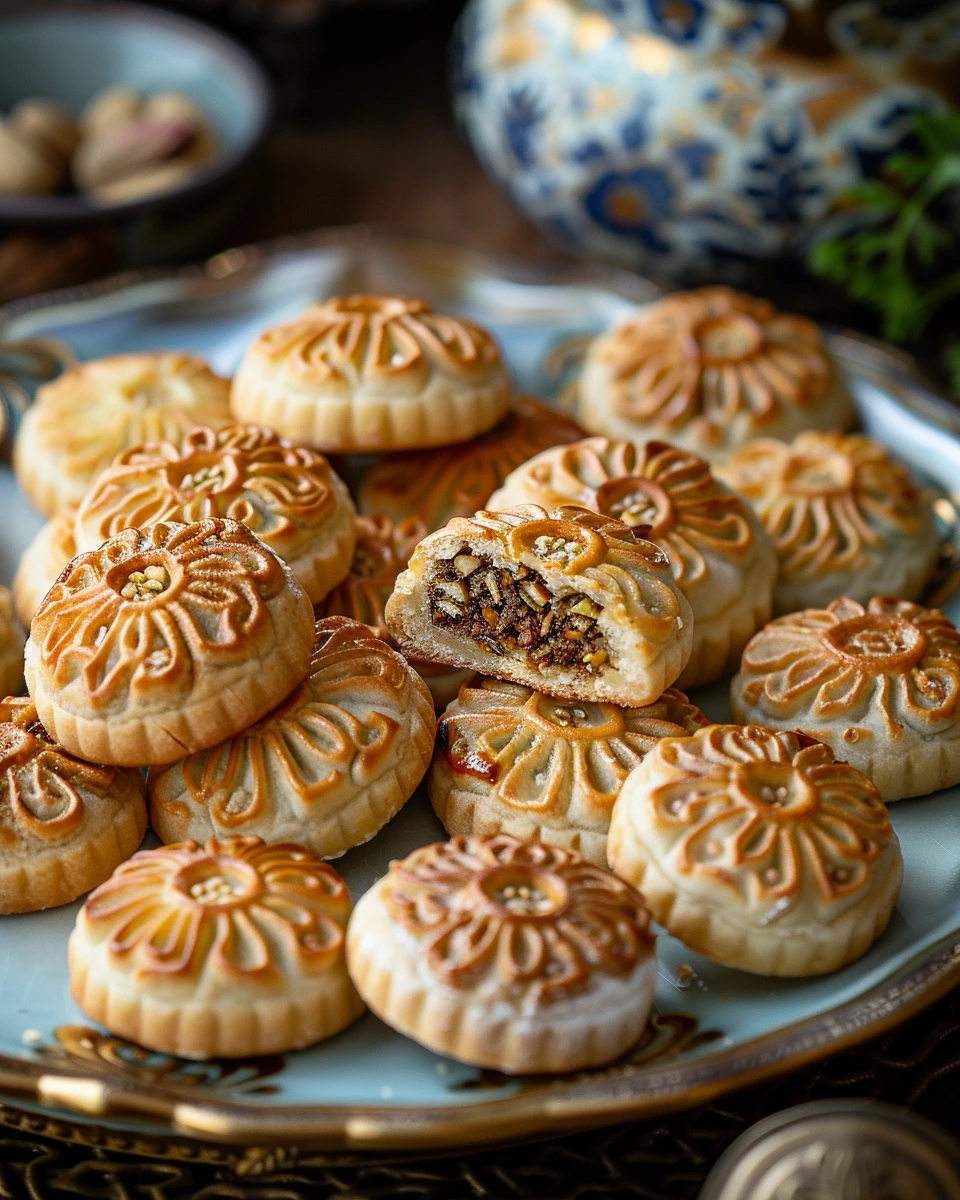
Maamoul is rooted in Levantine holiday baking shared by Muslim and Christian communities. Its present form reflects the ingredients, trade routes and household techniques that made the dish useful and memorable in that setting. It is recognised for moulded semolina biscuits filled with dates, pistachios or walnuts and scented with blossom water. The best versions keep those elements distinct and balanced, so the dish tastes deliberate rather than heavy or muddled. Today it is closely associated with Eid, Easter and family holiday visits. That context explains how it is portioned, what accompanies it and why it remains part of Lebanese food culture.
Historical background
Maamoul is rooted in Levantine holiday baking shared by Muslim and Christian communities. Its present form reflects the ingredients, trade routes and household techniques that made the dish useful and memorable in that setting.
Why it is famous
It is recognised for moulded semolina biscuits filled with dates, pistachios or walnuts and scented with blossom water. The best versions keep those elements distinct and balanced, so the dish tastes deliberate rather than heavy or muddled.
Cultural significance
Today it is closely associated with Eid, Easter and family holiday visits. That context explains how it is portioned, what accompanies it and why it remains part of Lebanese food culture.