Jamaican food through jerk smoke, pimento, Scotch bonnet, cassava, curry and island history
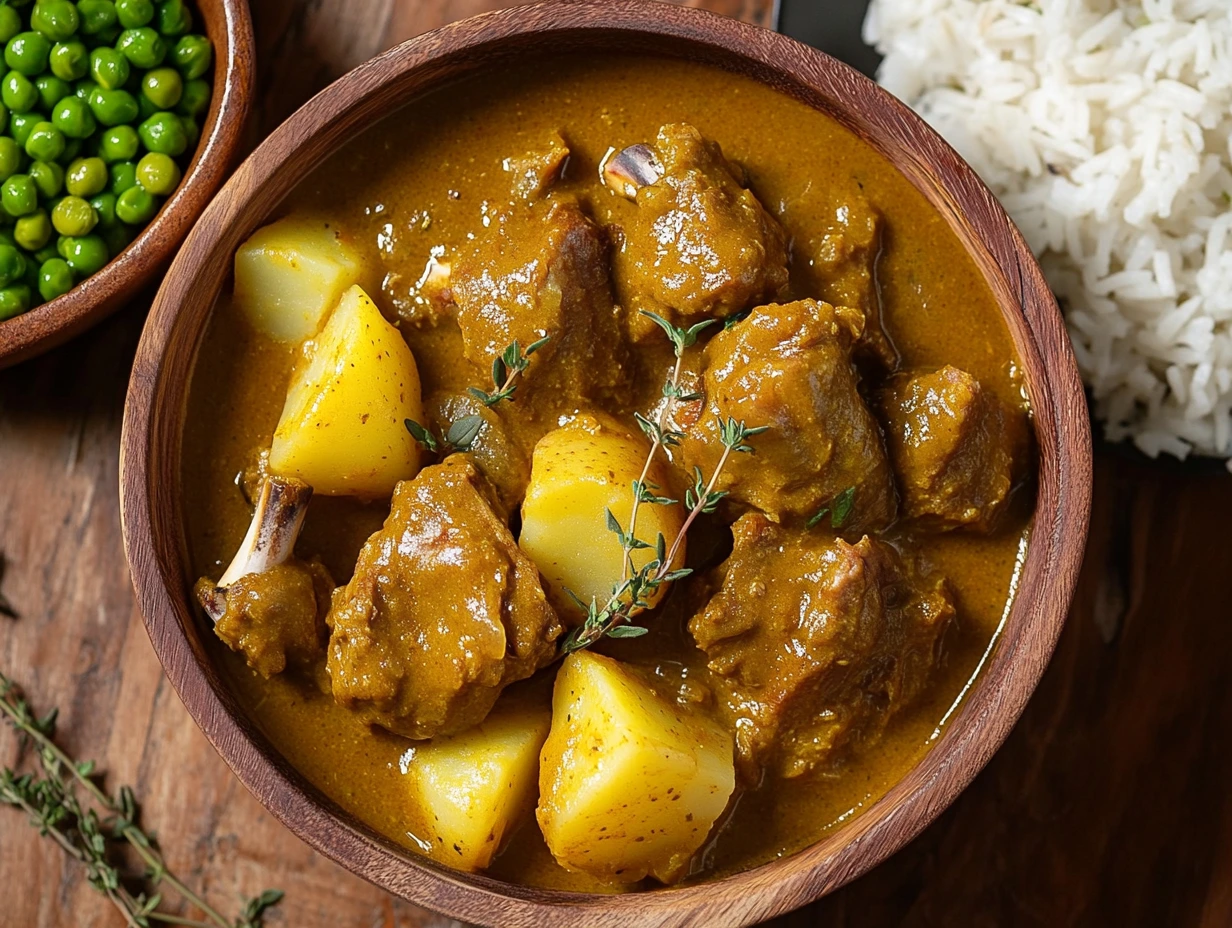
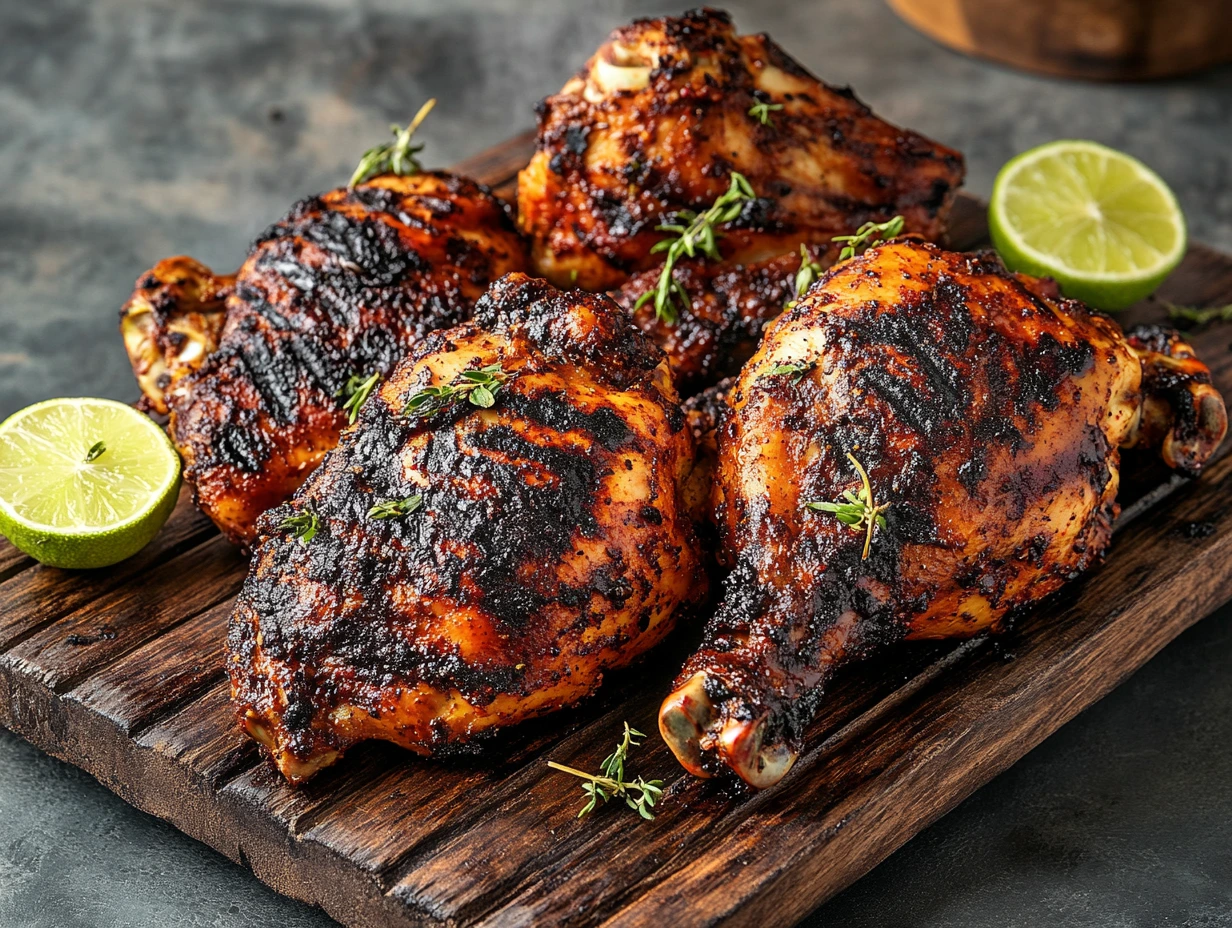
Jamaican food carries visible layers of migration, coercion, resistance and adaptation. Taíno cultivation left an enduring cassava tradition visible in bammy. Enslaved Africans and Maroon communities profoundly shaped ingredients, seasoning and cooking practice; Jamaican official sources link the development of jerk to Maroon methods of seasoning and slow cooking meat with local pimento wood. British colonial foodways added baking and preserved foods, while indentured Indian labourers helped establish curry as a Jamaican tradition in its own right and Chinese migration added further techniques and dishes. Salt cod, breadfruit, coconut, peas, tropical fruit and highly seasoned braises became part of a cuisine built as much from resourcefulness as abundance. Rastafarian Ital cooking later articulated a distinct plant-centred philosophy within Jamaican food culture.
Why it is famous
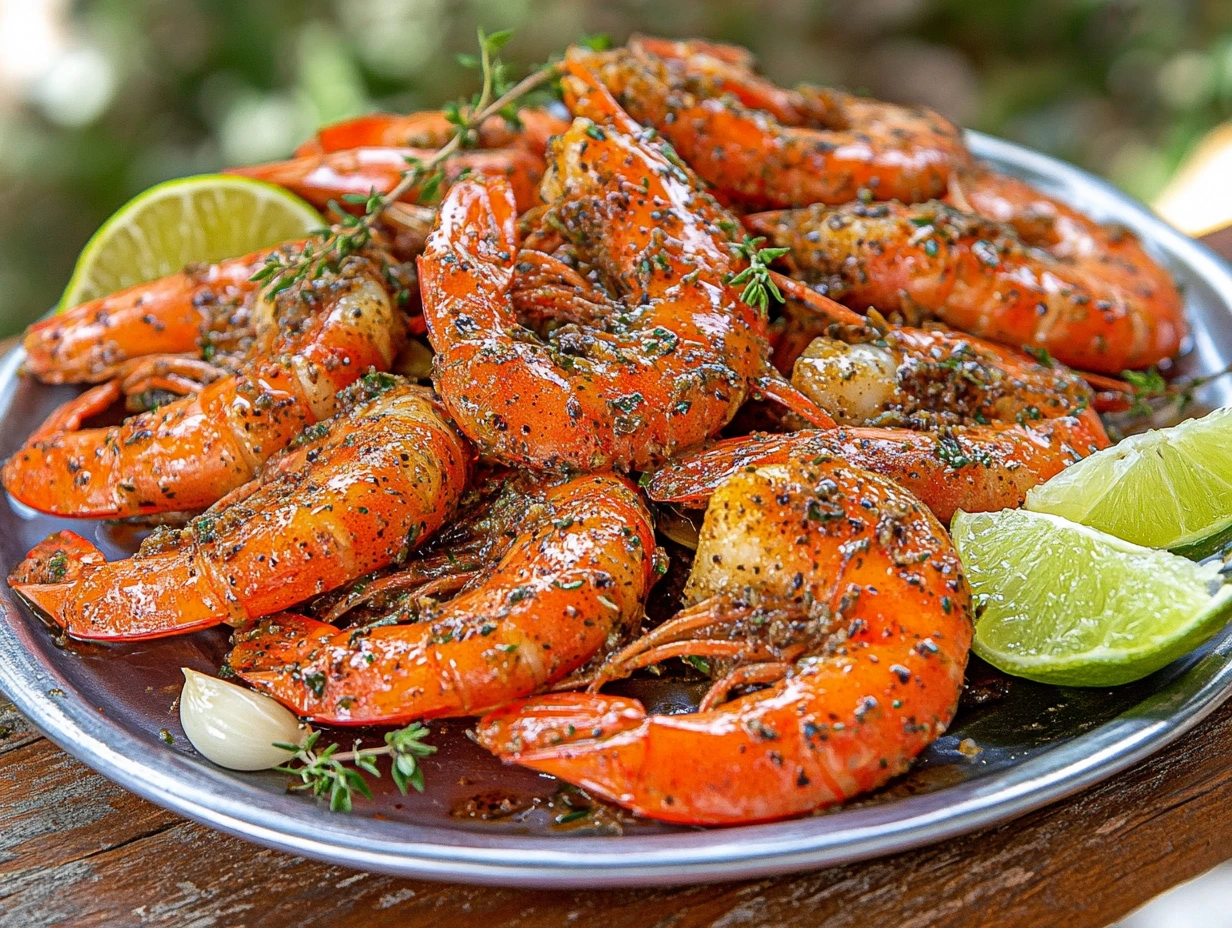
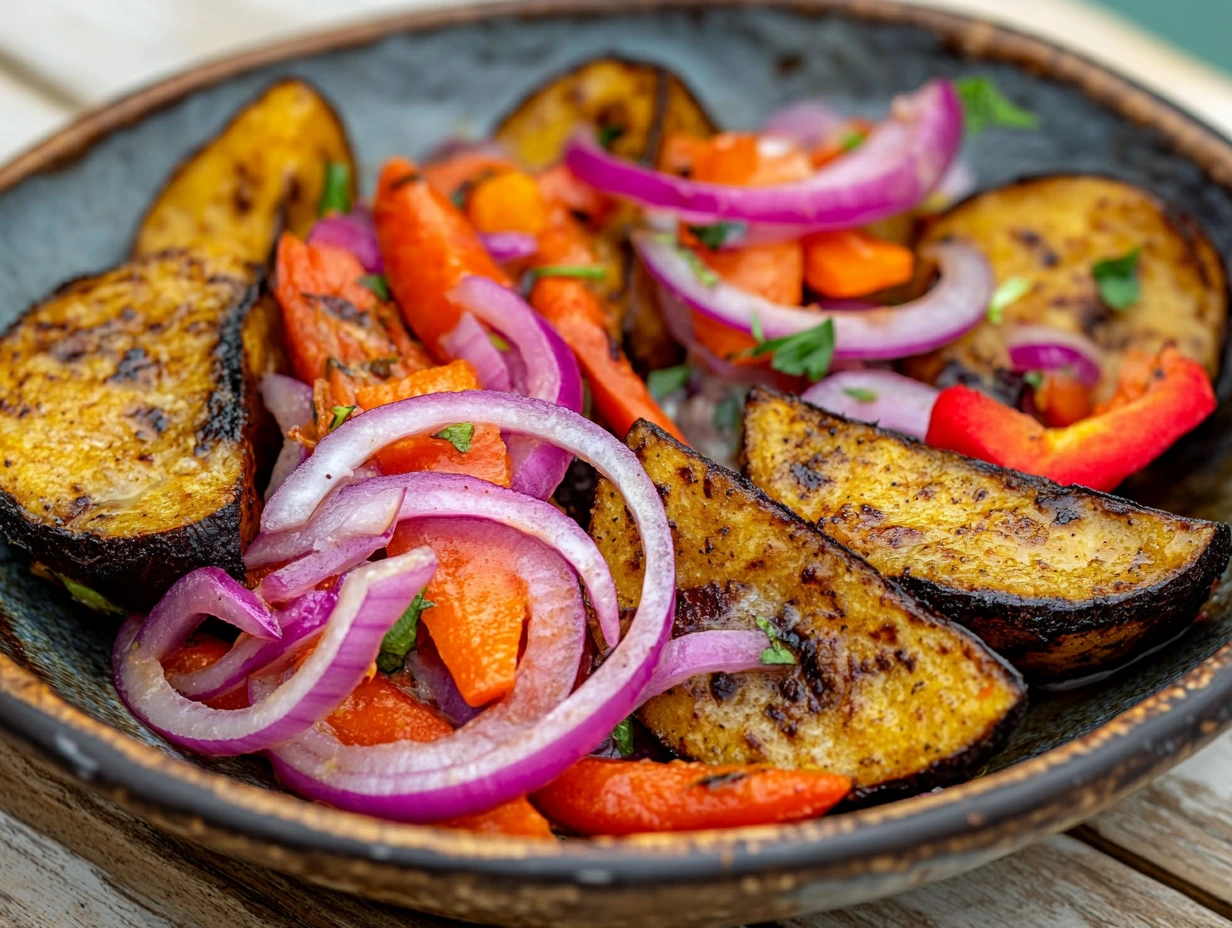
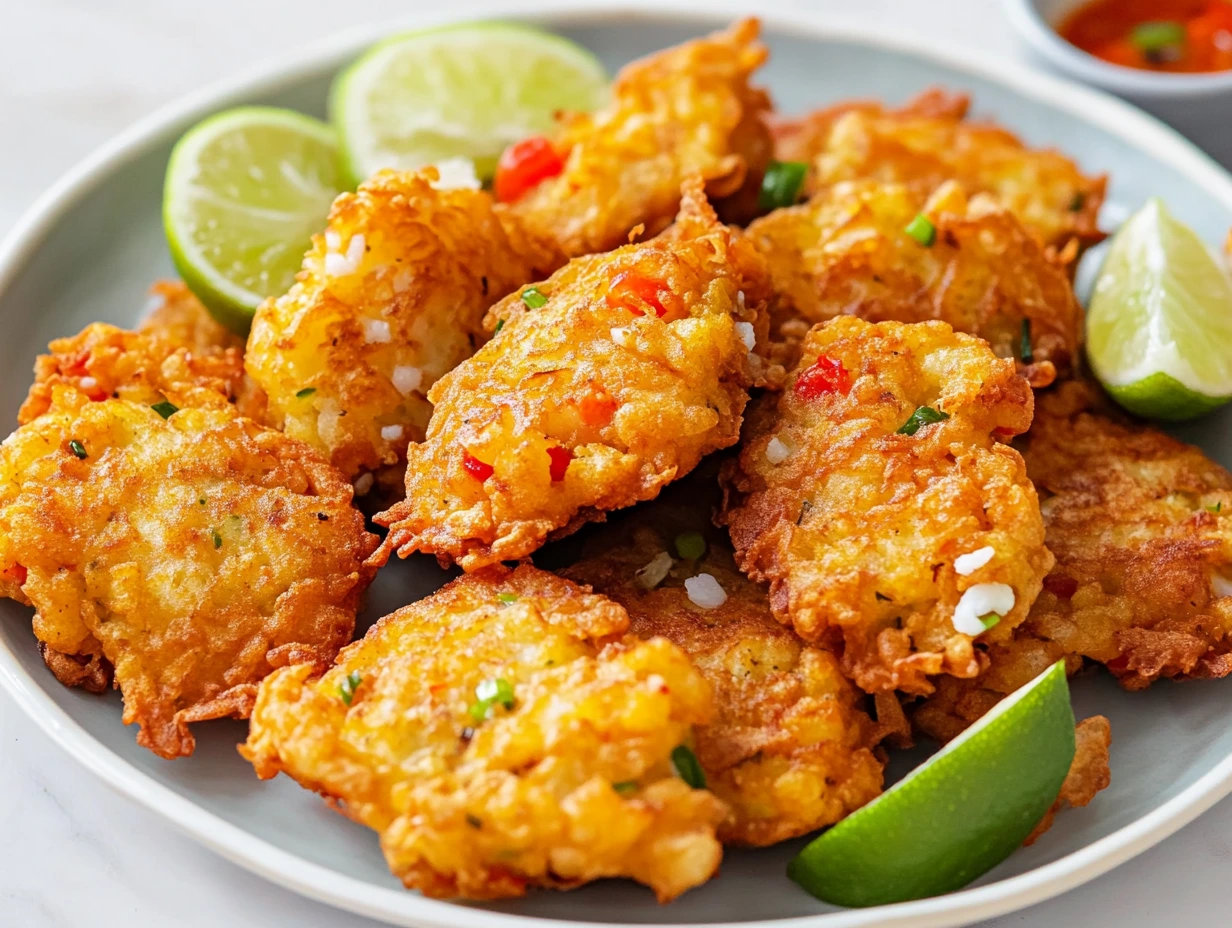
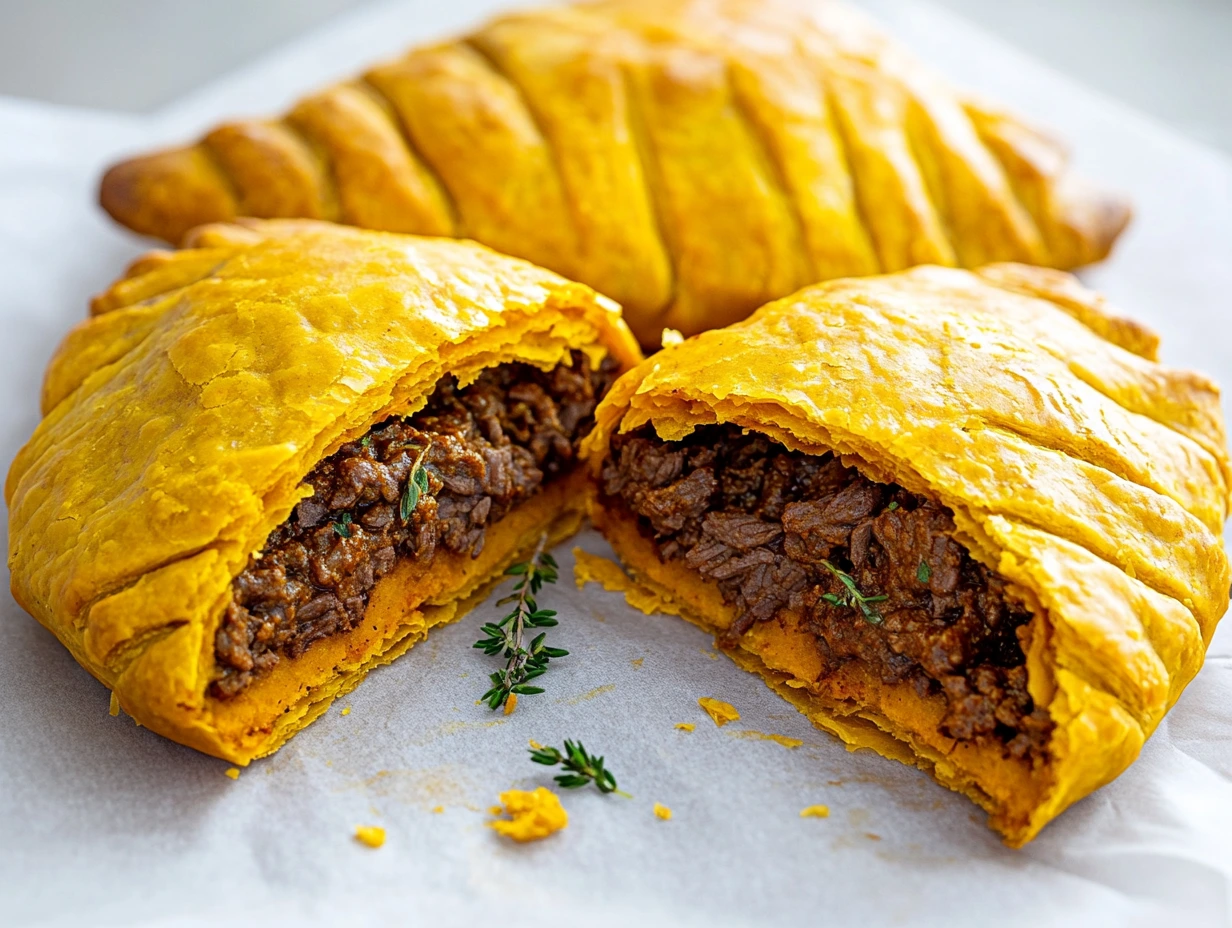
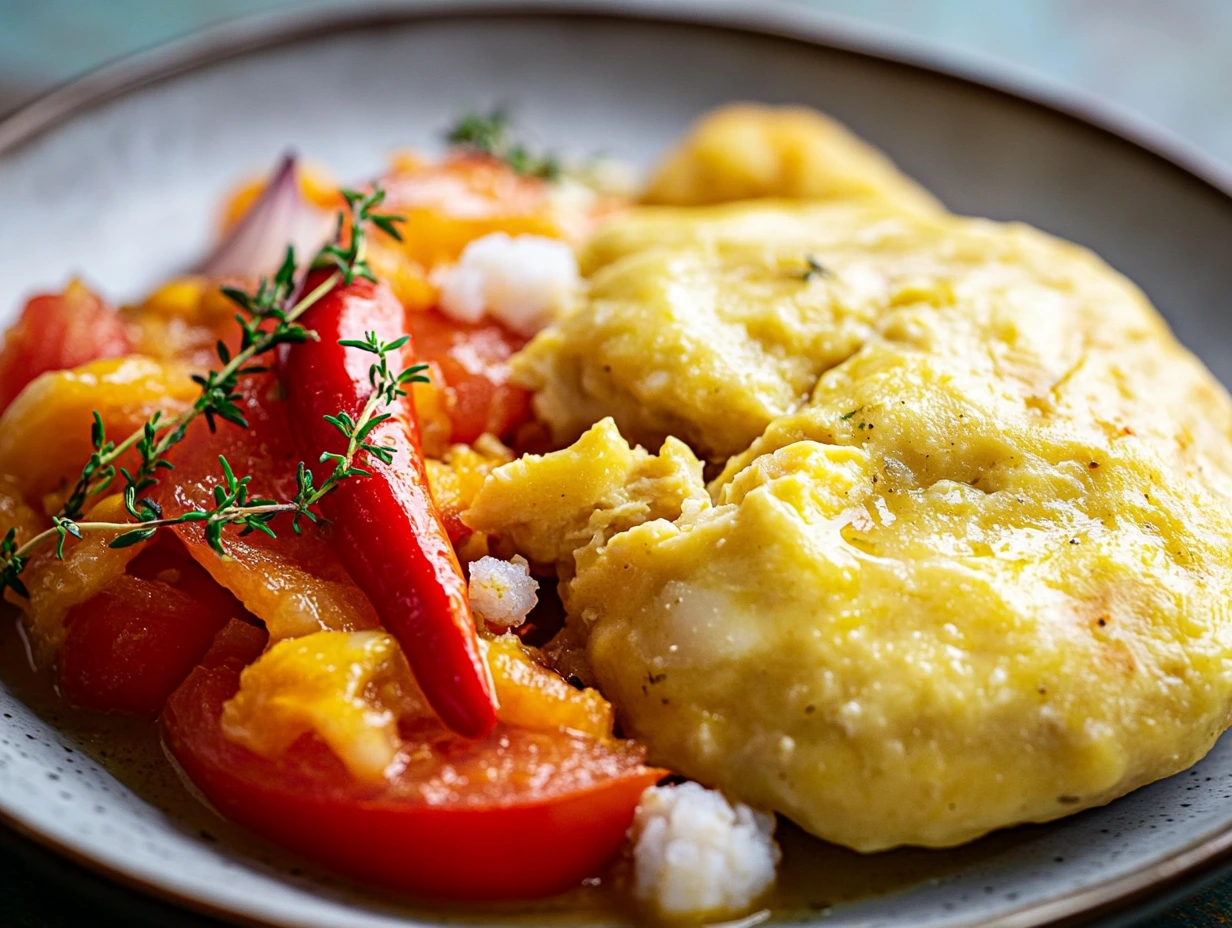
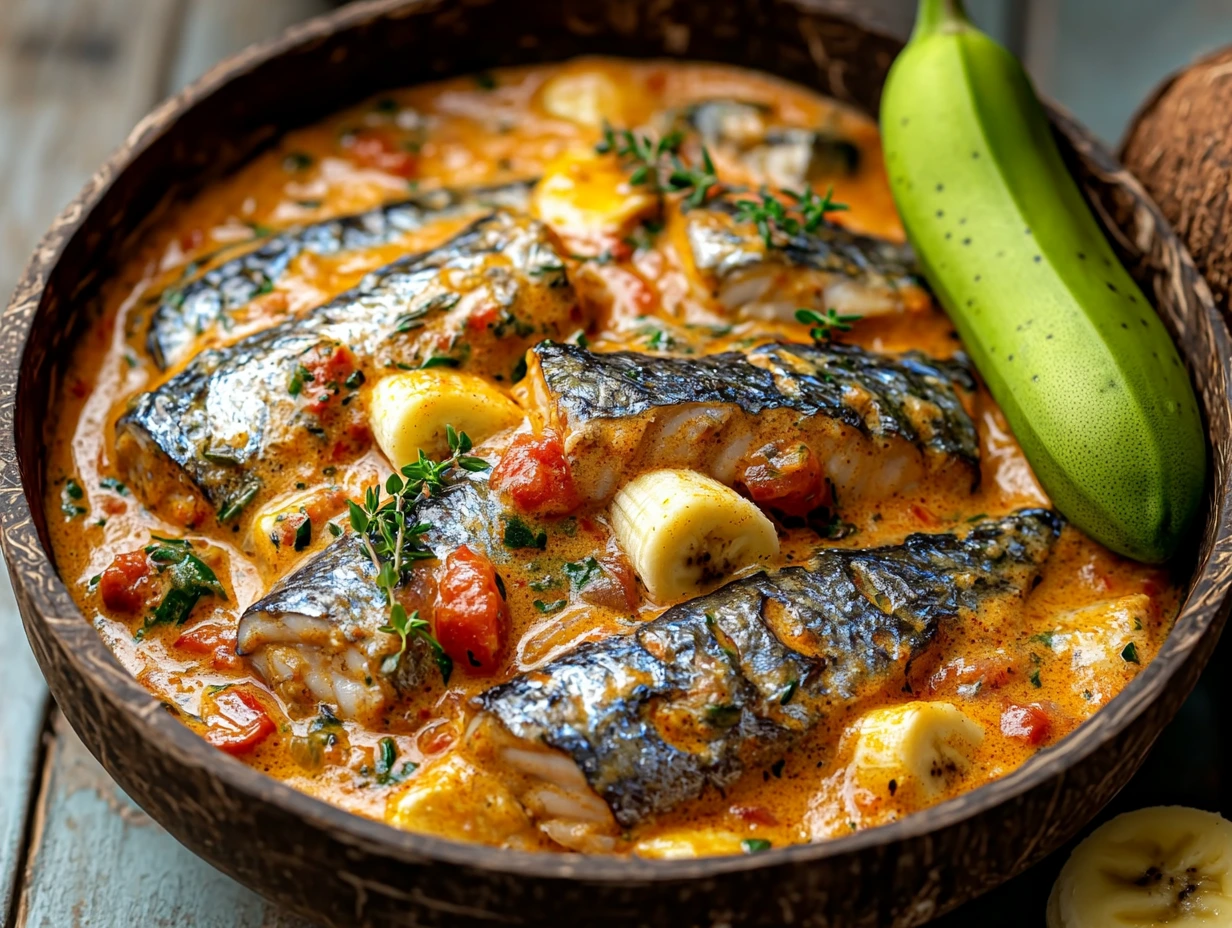
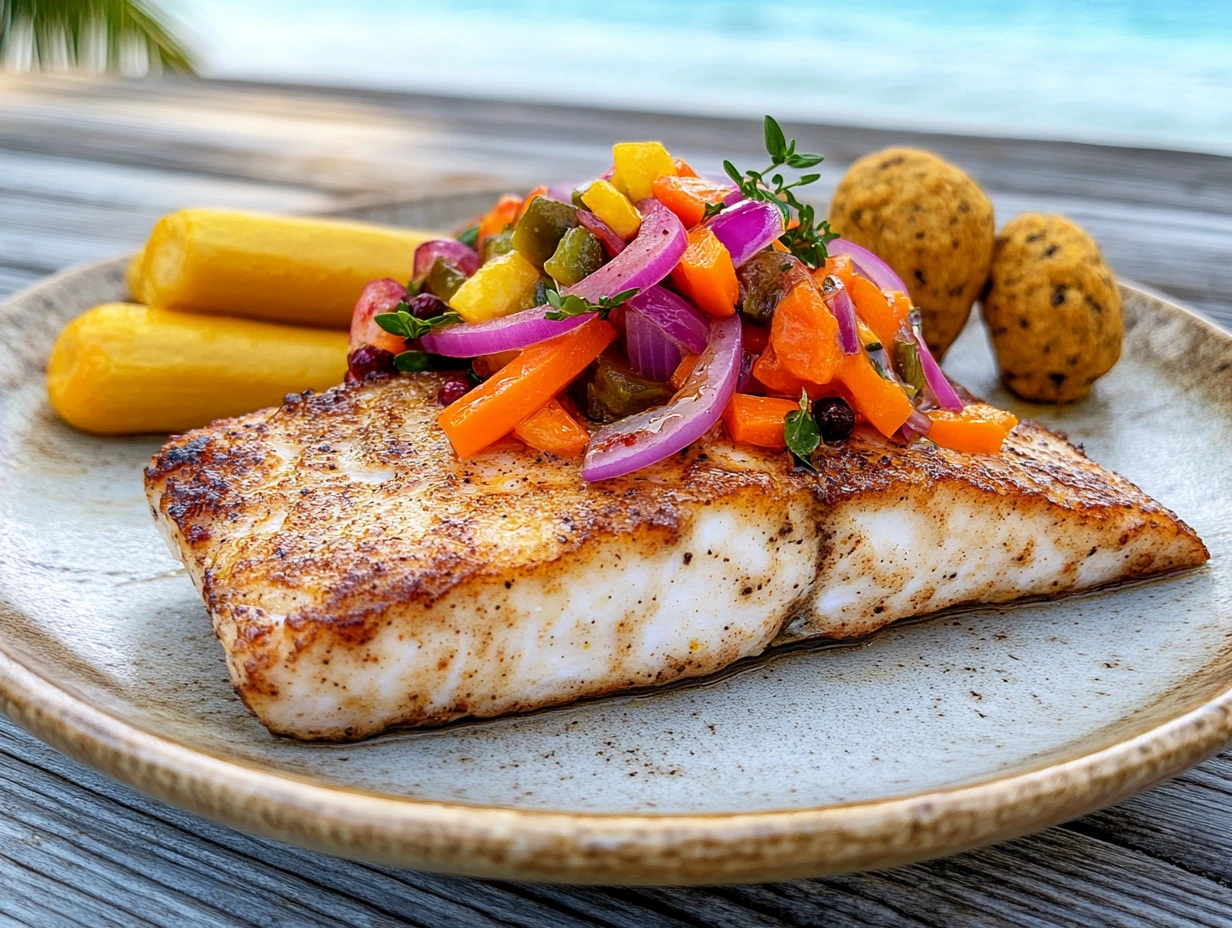
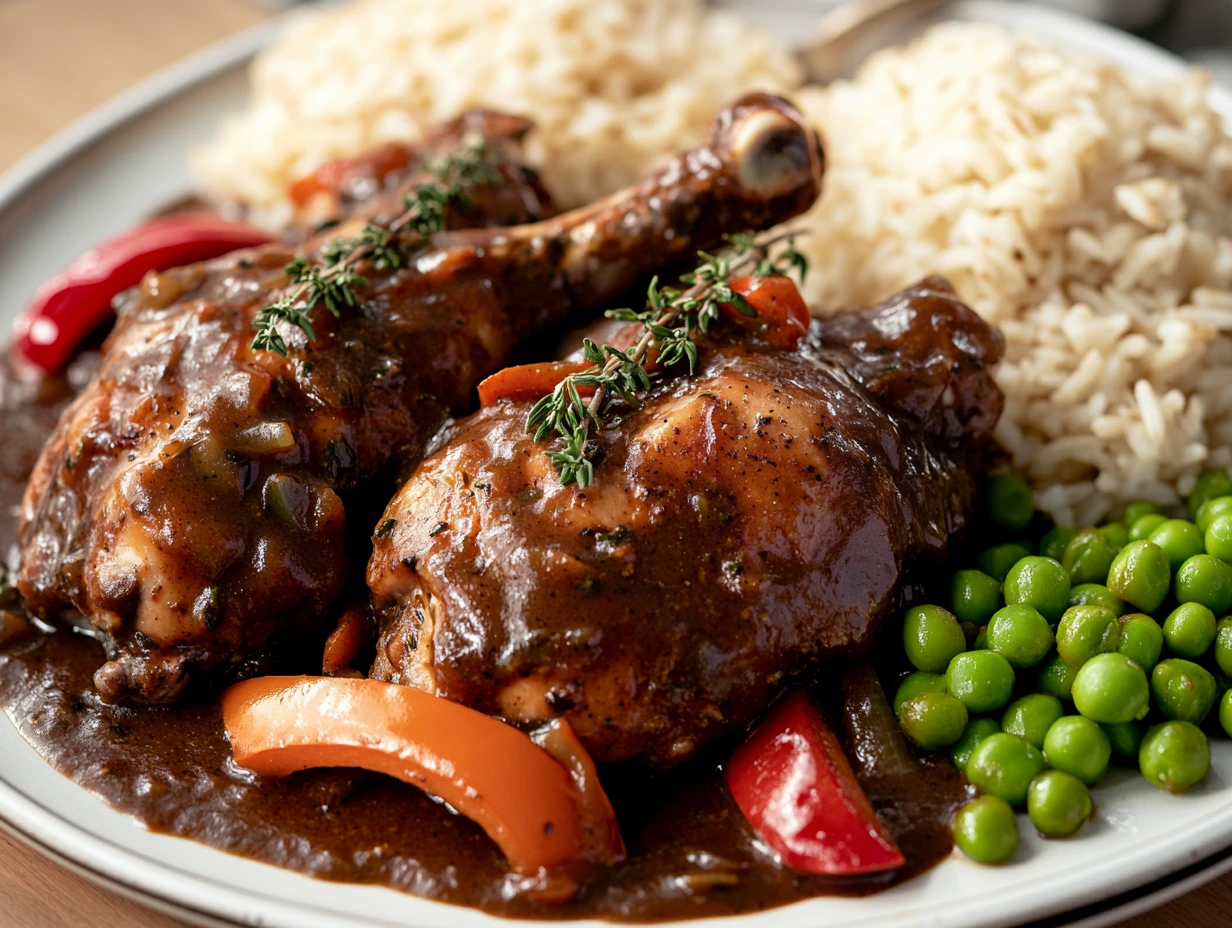
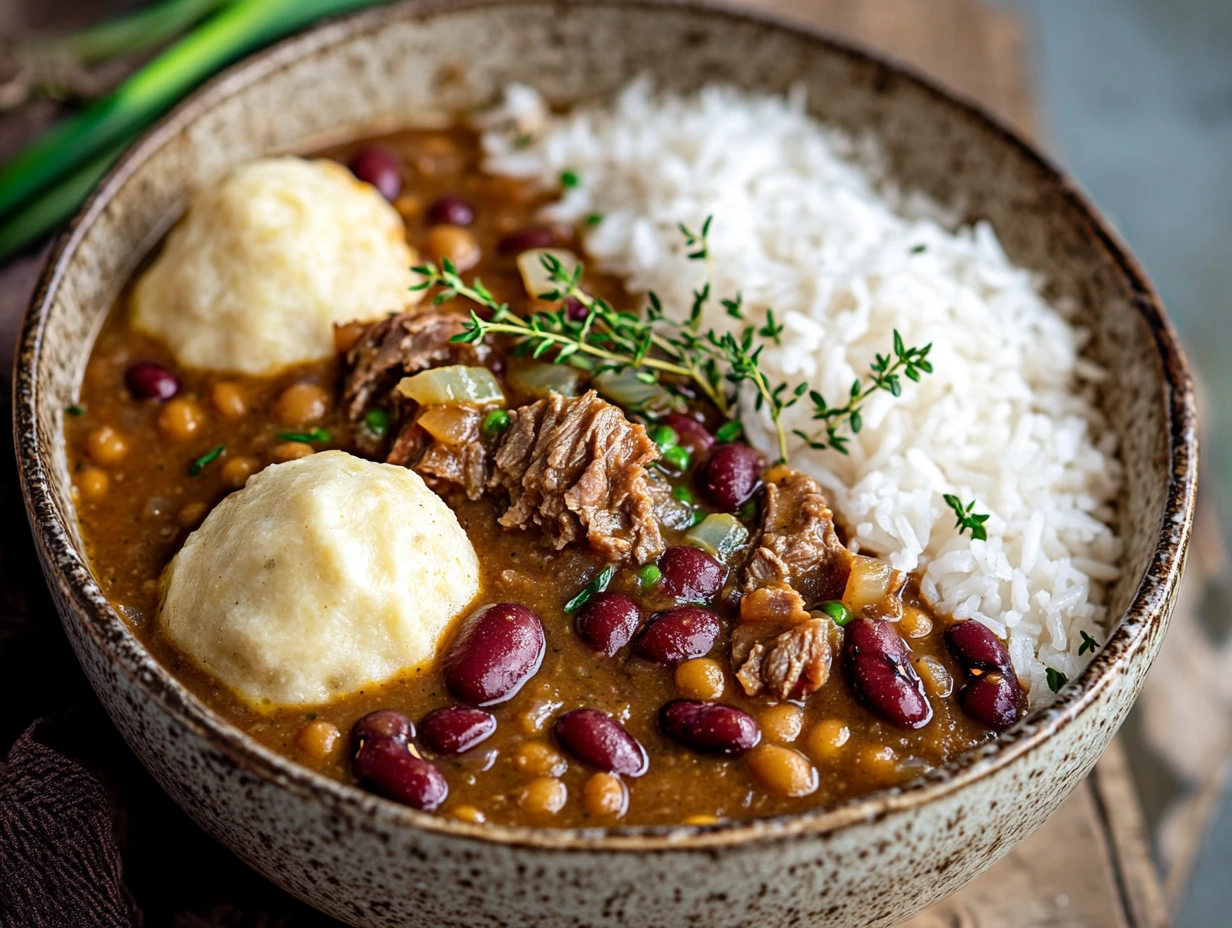
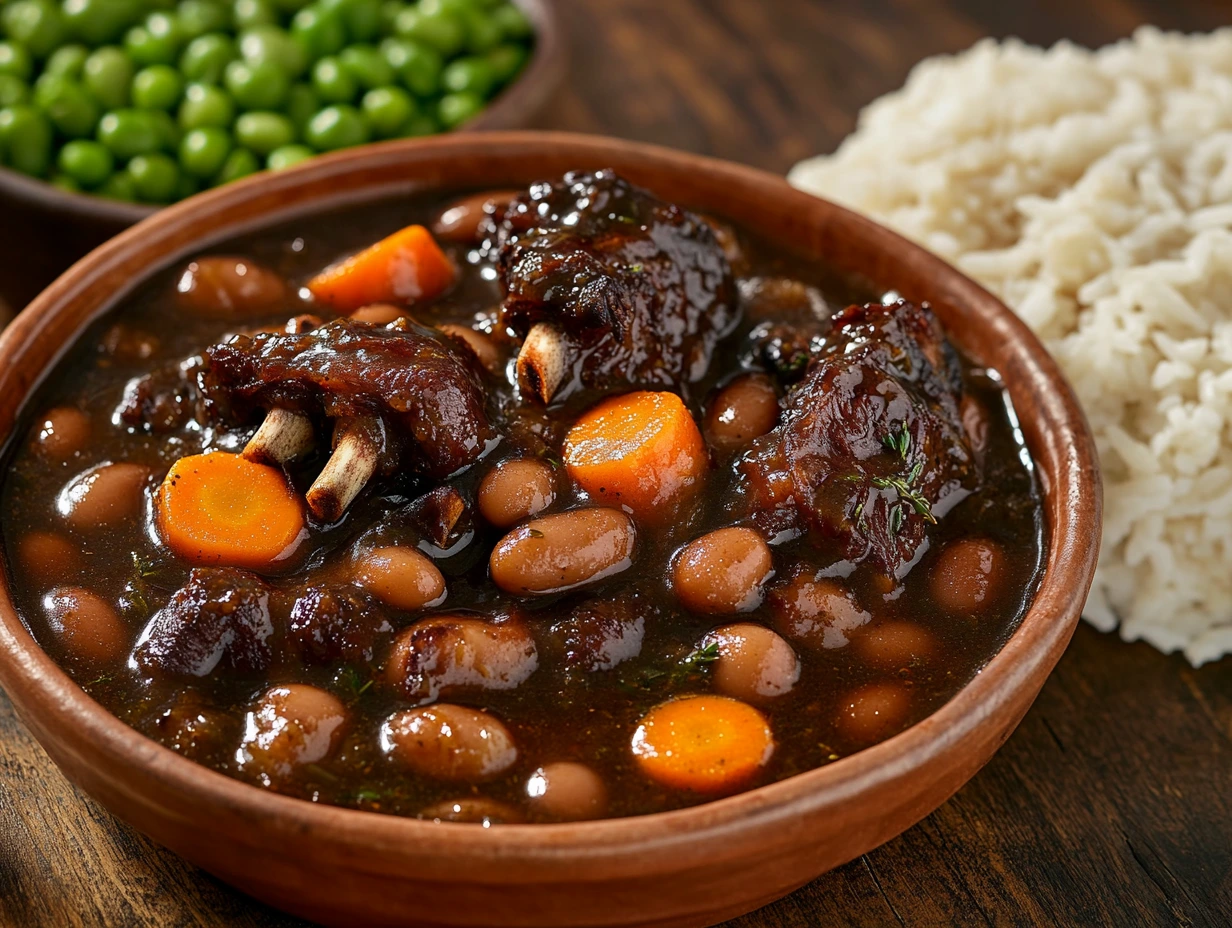
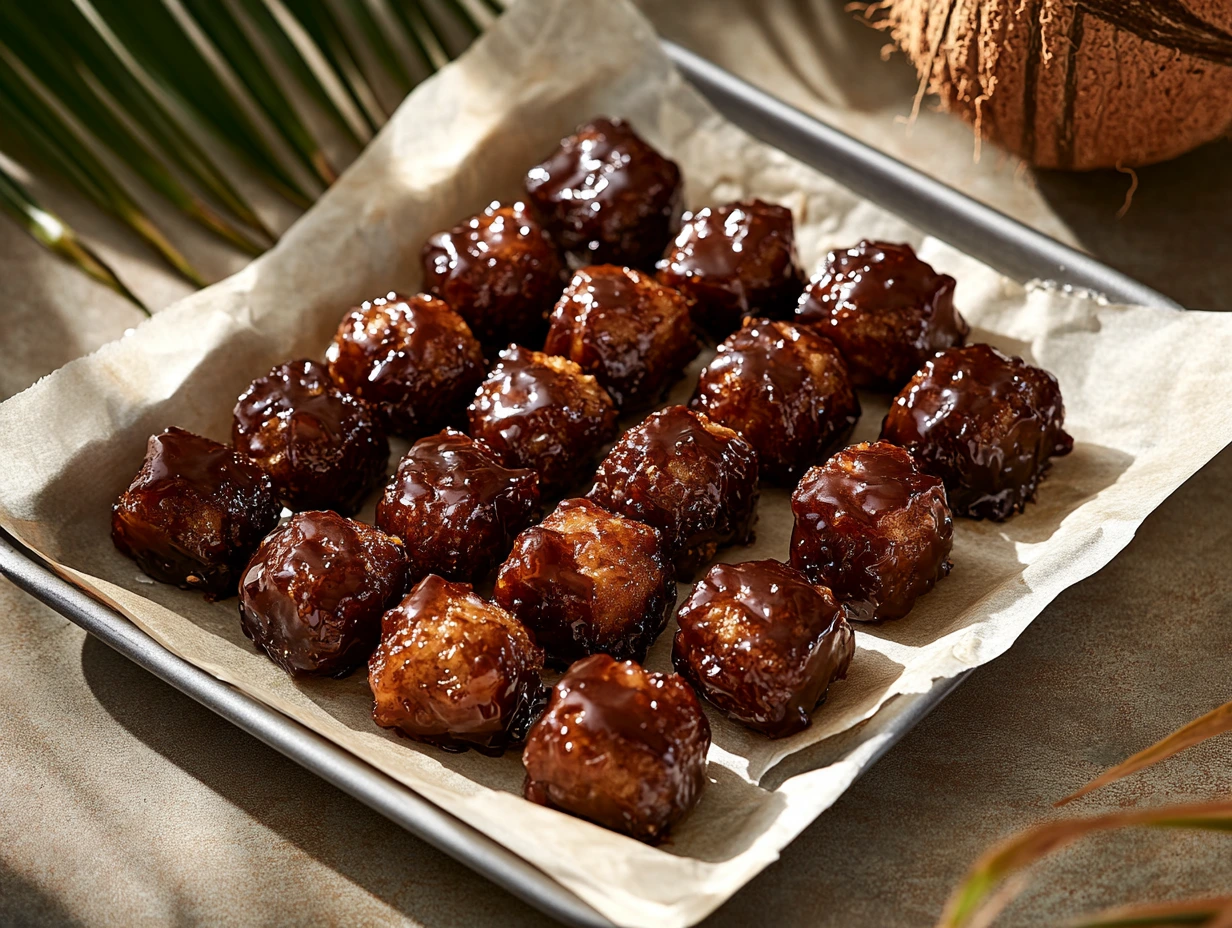
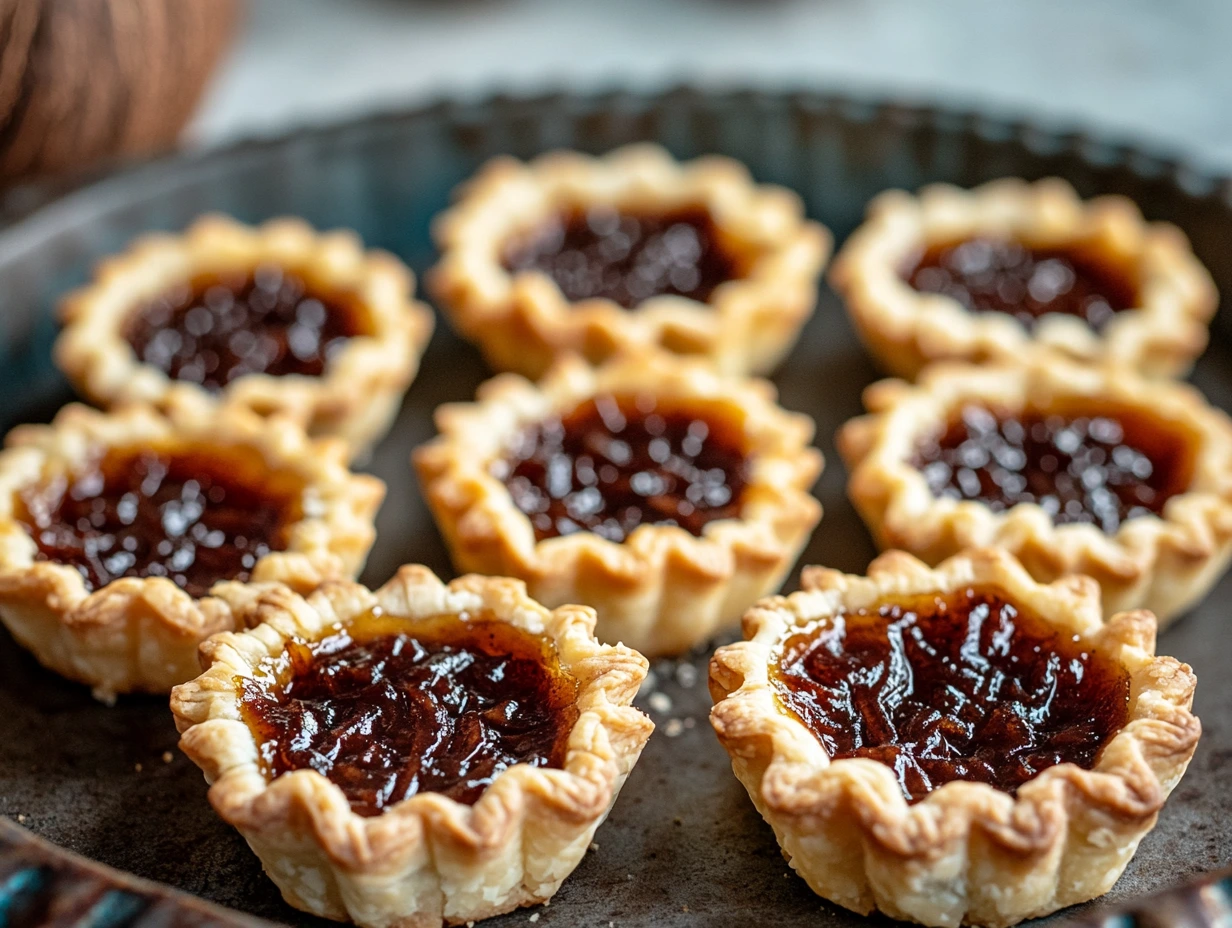
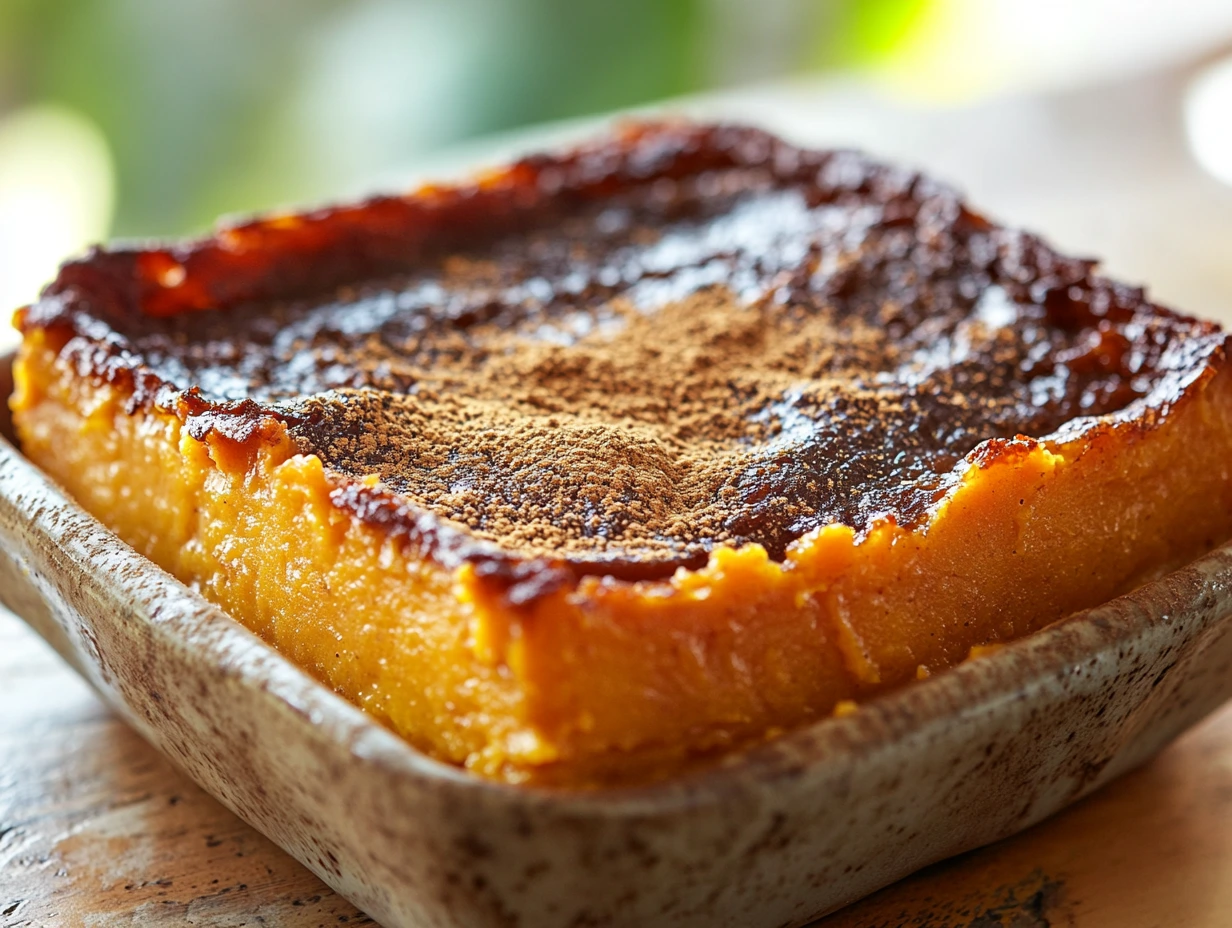
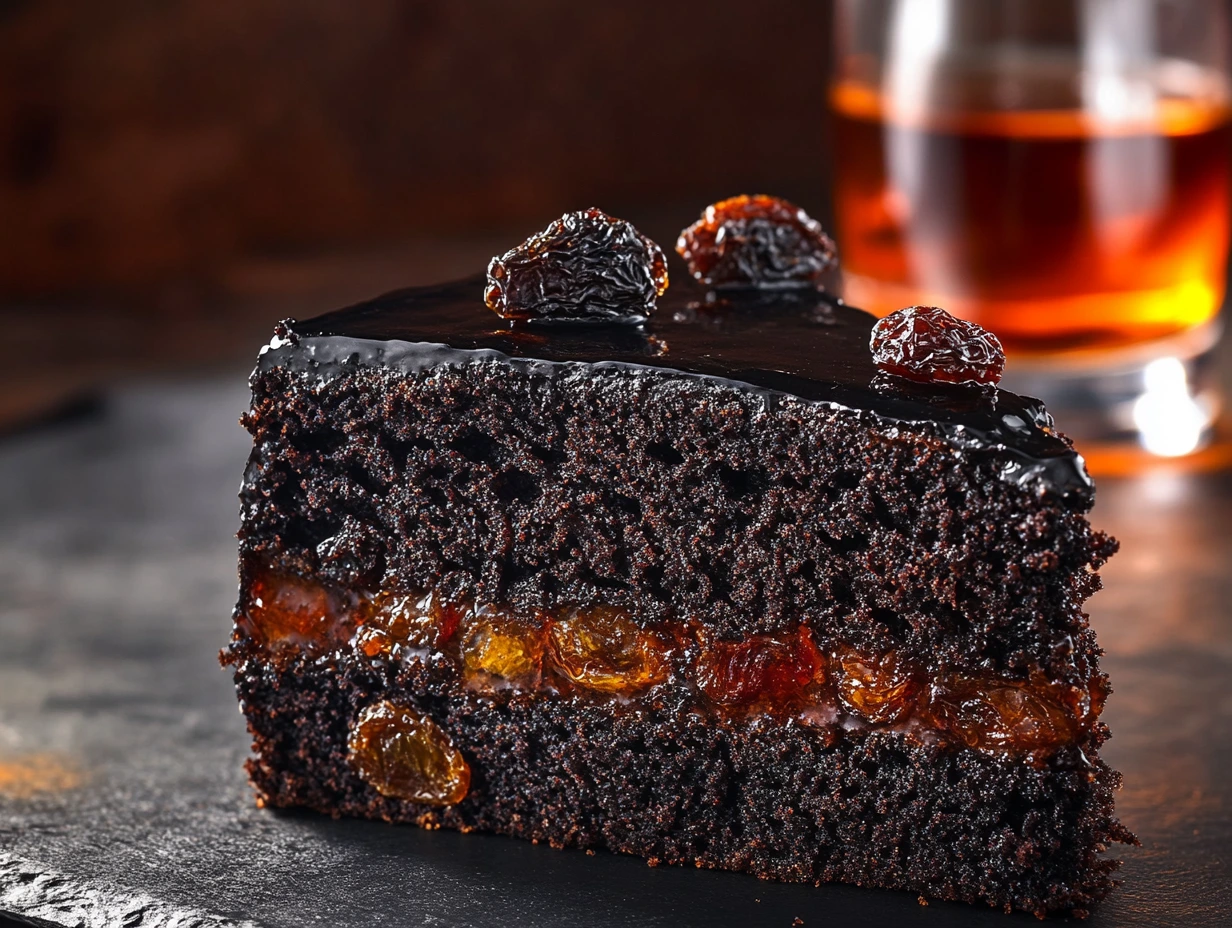
Jamaica is famous for jerk, ackee and saltfish, patties, curry goat, oxtail, escovitch fish, rice and peas, brown stew chicken, bammy, pepper shrimp, black cake, sweet potato pudding and coconut sweets. The most recognisable flavour combination is Scotch bonnet, allspice and thyme, but Jamaican food is broader than chilli heat: smoke, vinegar, coconut, browning, slow braising and sweet spice are equally important.
Regional food story
Portland and Boston Bay are strongly associated with jerk; coastal communities foreground fish, shellfish and escovitch; Kingston concentrates patties, bakeries and urban street food; rural cooking preserves strong one-pot and provision-ground traditions. Rastafarian Ital food cuts across location with a philosophy that emphasises natural plant foods and, depending on practice, avoids meat and added salt.