
Jamaican Dessert
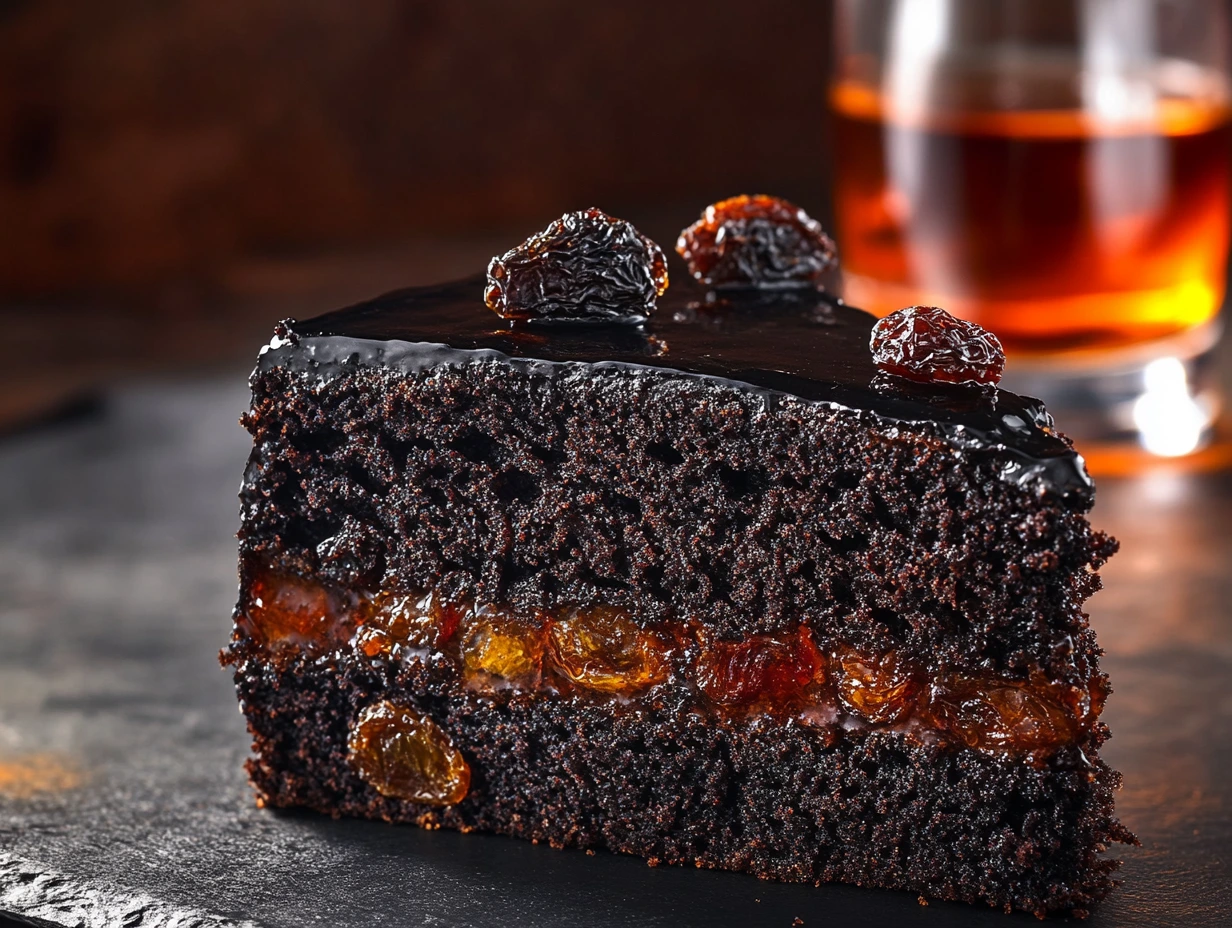
Jamaican Black Cake
Jamaican Black Cake is a dense festive Jamaican fruit cake saturated with rum and wine, darkened by caramel browning and packed with blended soaked fruit. This version uses measured ingredients, clear visual cues and the traditional flavour balance that makes the dish distinctive.
40 minsPrep time
2 hrCook time
Serves 16Servings
HardDifficulty
Nutrition
Estimated nutrition per serving
These figures are estimates per serving. Actual nutrition can vary with the brands and exact amounts you use, how much oil, dressing or sauce is absorbed, any substitutions or added extras, and the portion size served.A practical guide for comparing recipes and planning meals.
520Calories
6gProtein
65gCarbs
23gFat
Ingredients
What you need
- 900 mixed raisins, currants and prunes
- 350 dark Jamaican rum
- 350 sweet red wine
- 300 butter, softened
- 260 dark brown sugar
- 6 eggs
- 280 plain flour
- 1 baking powder
- 1.5 ground cinnamon
- 1 ground nutmeg
- 0.5 ground allspice
- 2 vanilla
- 35 Jamaican browning sauce
- 1 lime zest
Method
Step-by-step method
Follow the recipe in order, tasting and adjusting seasoning where needed.
- Soak the dried fruit in rum and wine for at least 24 hours, though traditional preparations may soak fruit far longer. Blend the soaked fruit into a thick, slightly textured paste.
- Cream butter and sugar for 5 minutes until lighter. Beat in eggs one at a time, scraping the bowl, then add vanilla, lime zest and browning sauce.
- Fold in the fruit paste. Sift flour, baking powder, cinnamon, nutmeg and allspice together and fold into the mixture just until no dry flour remains.
- Line a deep 23 cm cake tin with double baking paper. Fill with batter and level the top. Bake at 150°C for 1¾–2 hours until set and a skewer shows moist crumbs but no raw batter.
- Cool 15 minutes in the tin, then prick the cake and spoon over a small additional splash of rum and wine if desired. Cool completely before wrapping.
- For the best texture, wrap tightly and rest at least 2 days before slicing thinly. Feed sparingly with rum during storage if making ahead for Christmas.
Cook smarter
Tips, storage and serving advice
Shopping tips
Ingredient quality
Common mistakes
Chef’s tips
How to know it is cooked
Plating advice
Cook next
View cuisine More Jamaican recipes
Keep exploring the country’s food story through related starters, mains and desserts.
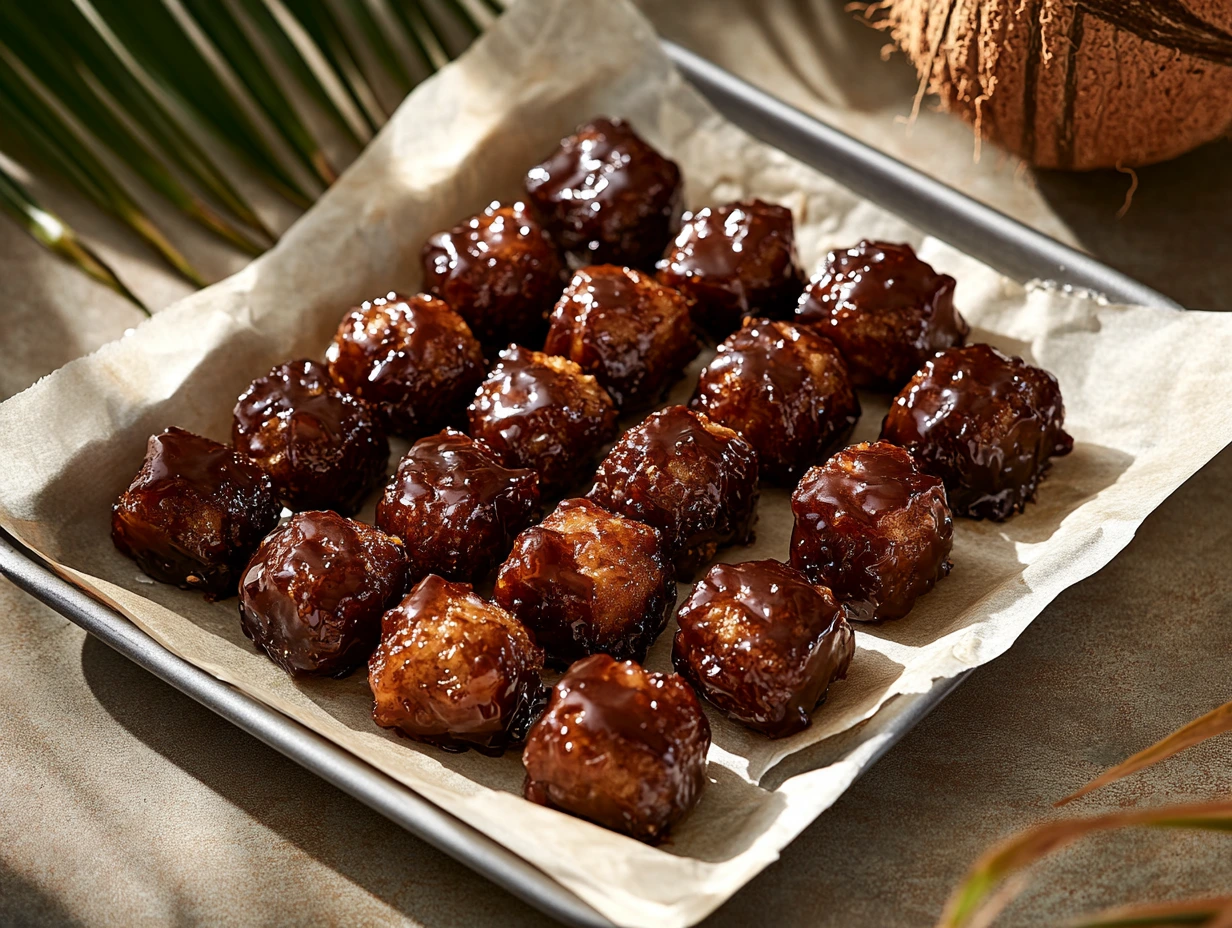
Jamaican Coconut Drops
Jamaican Coconut Drops is rustic Jamaican coconut sweets simmered with ginger and dark sugar until…
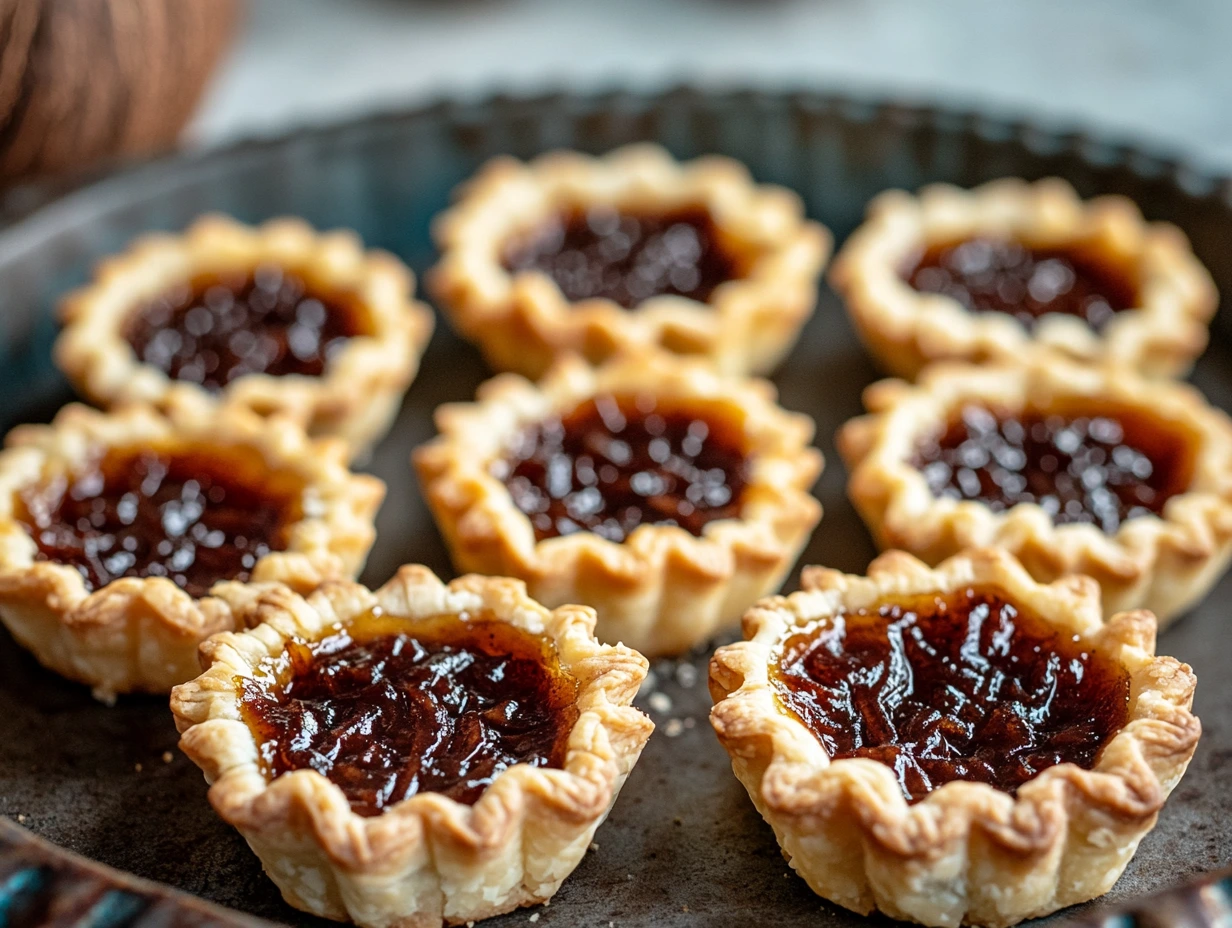
Gizzada
Gizzada is small Jamaican open coconut tarts with a pinched pastry shell and sticky ginger-spiced b…
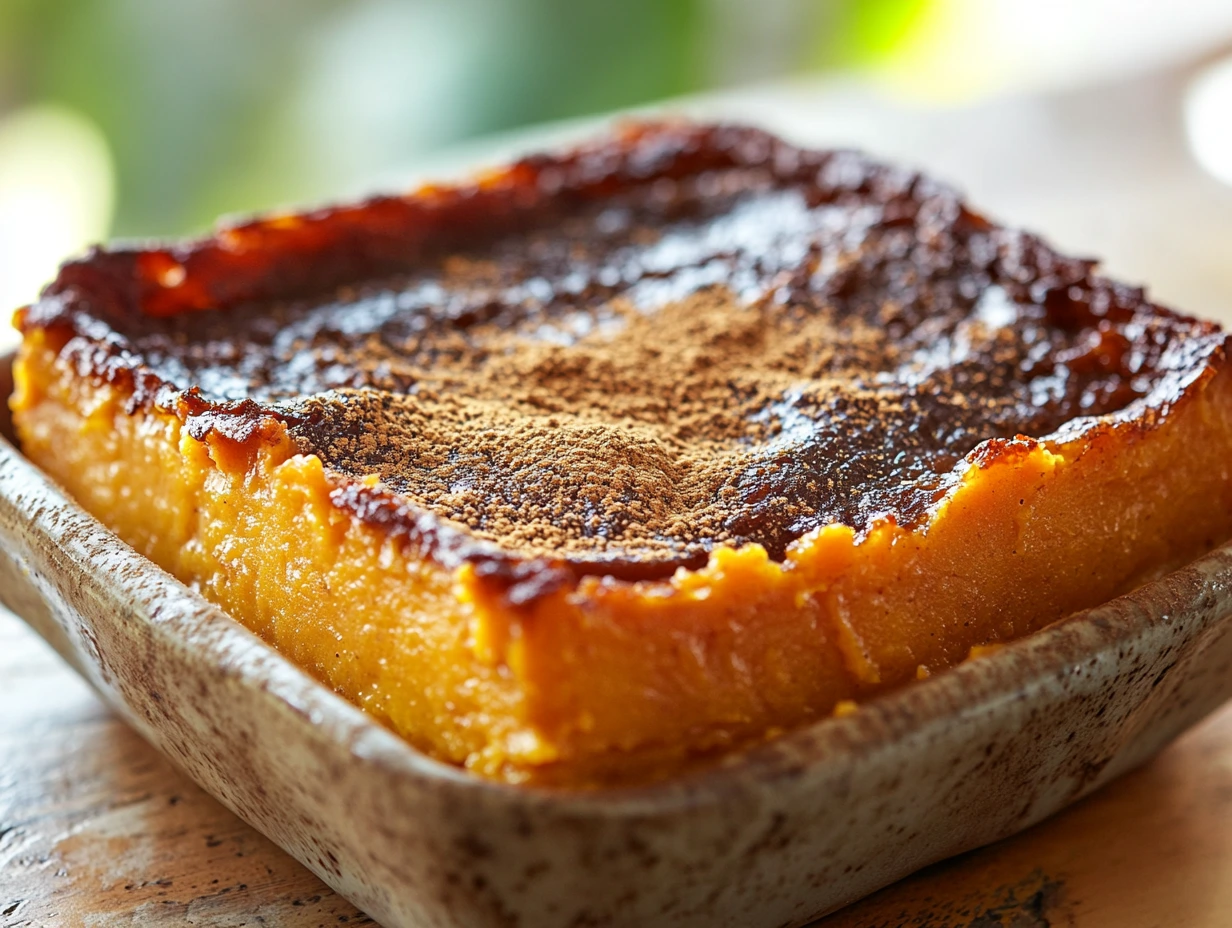
Jamaican Sweet Potato Pudding
Jamaican Sweet Potato Pudding is a dense Jamaican baked pudding of grated sweet potato, coconut mil…
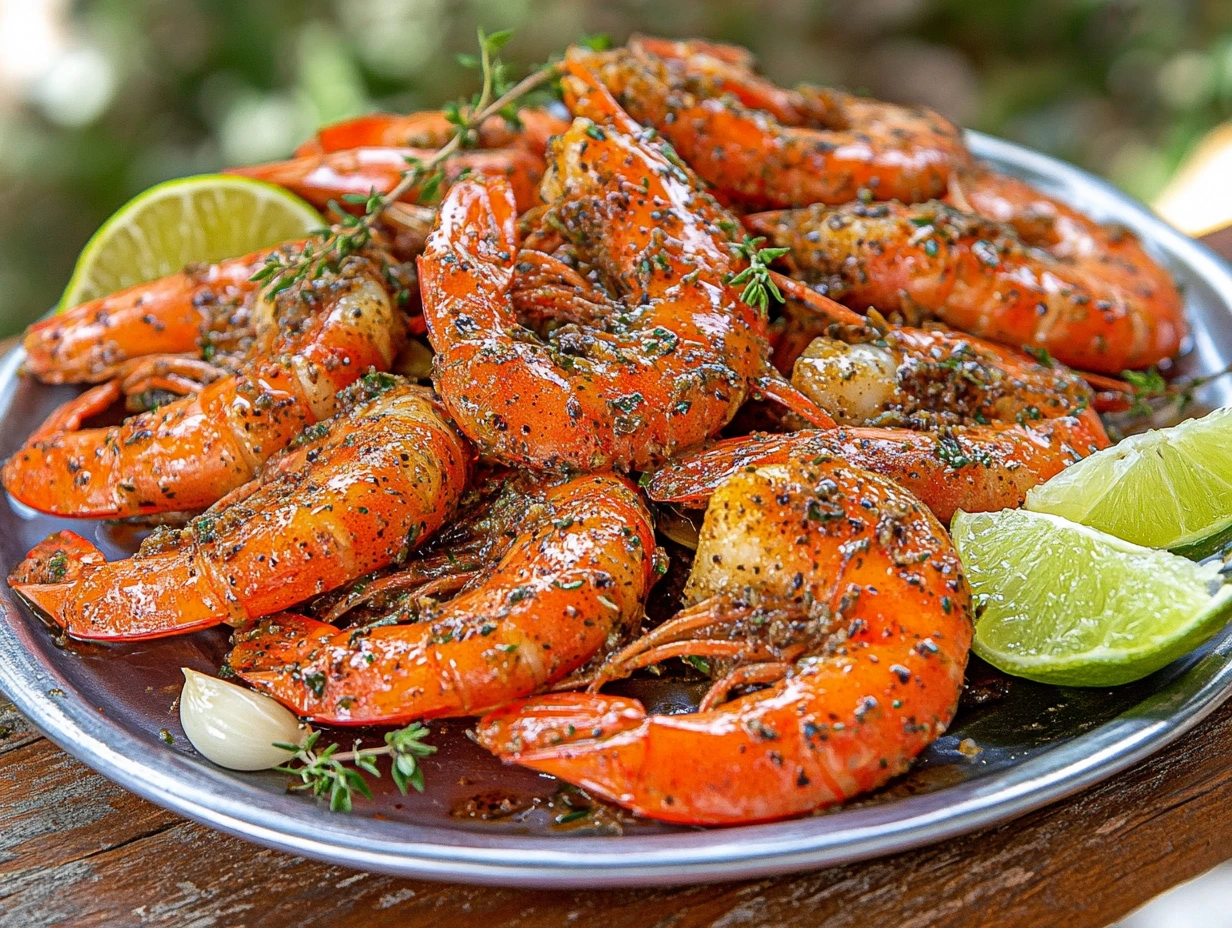
Jamaican Pepper Shrimp
Jamaican Pepper Shrimp is fiery Jamaican-style shell-on shrimp cooked red with Scotch bonnet, garli…