Tonkatsu: the story on the plate
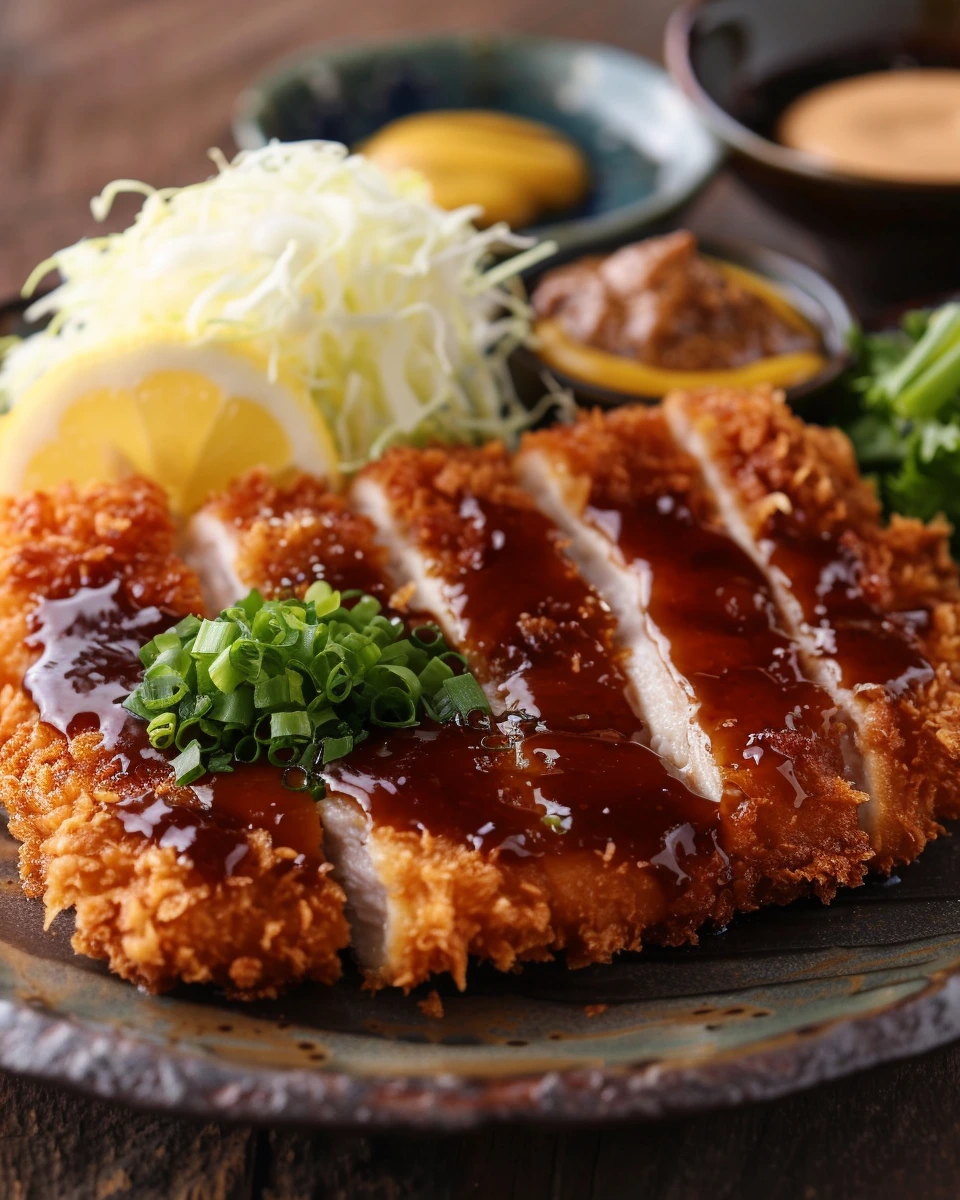
The story of Tonkatsu belongs to Meiji-era yōshoku cooking. Its modern form still carries the ingredients and methods that made it useful, celebratory or comforting in that setting. Its appeal rests on breaded pork, shredded cabbage and tangy sauce. The best result is focused and fried until crisp, with no single supporting element overwhelming the principal flavour. Tonkatsu is particularly associated with specialist restaurants and family meals. That setting is central to understanding the dish: it explains when it is eaten, what accompanies it and why it continues to matter within Japanese food culture.
Historical background
The story of Tonkatsu belongs to Meiji-era yōshoku cooking. Its modern form still carries the ingredients and methods that made it useful, celebratory or comforting in that setting.
Why it is famous
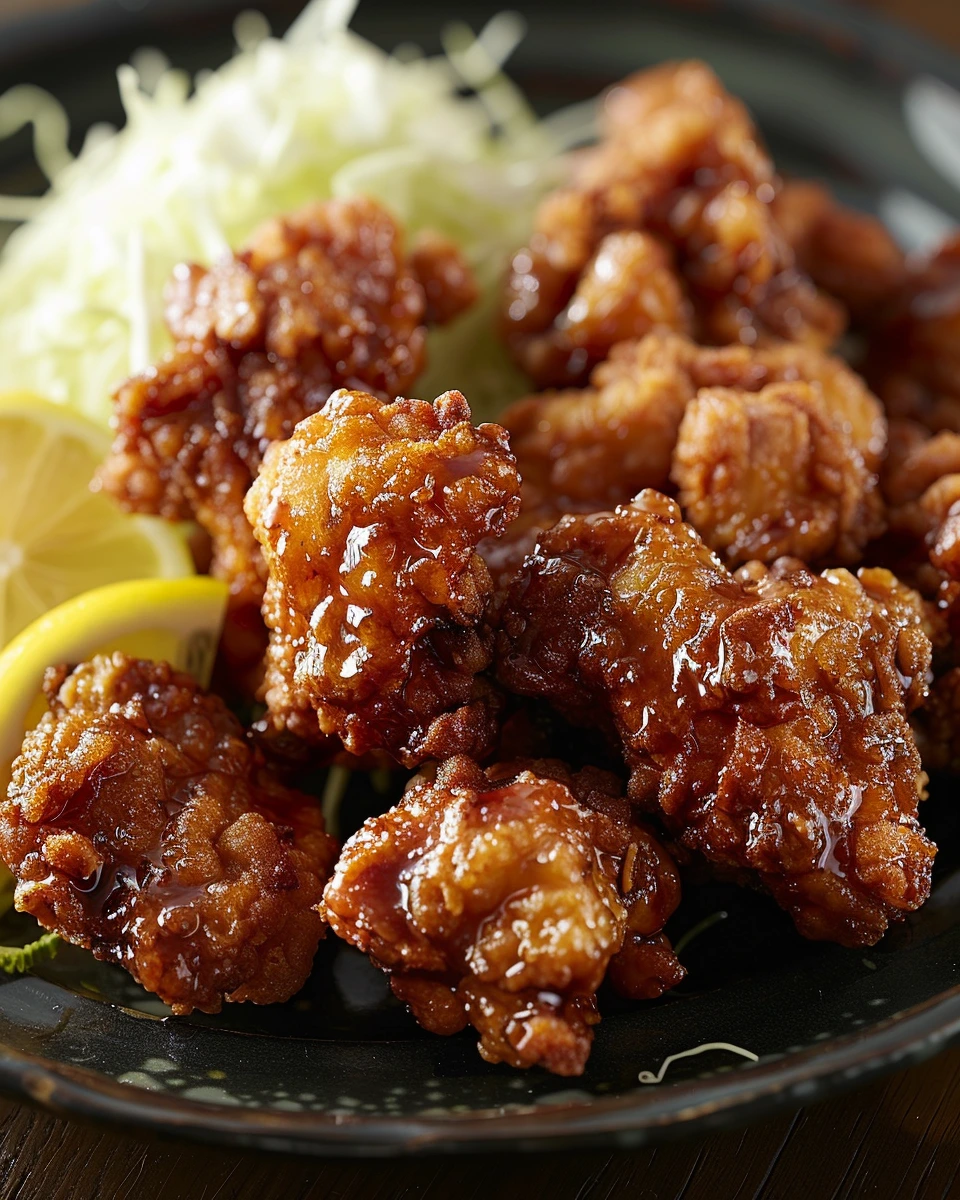
Its appeal rests on breaded pork, shredded cabbage and tangy sauce. The best result is focused and fried until crisp, with no single supporting element overwhelming the principal flavour.
Cultural significance
Tonkatsu is particularly associated with specialist restaurants and family meals. That setting is central to understanding the dish: it explains when it is eaten, what accompanies it and why it continues to matter within Japanese food culture.