Gyudon: the story on the plate
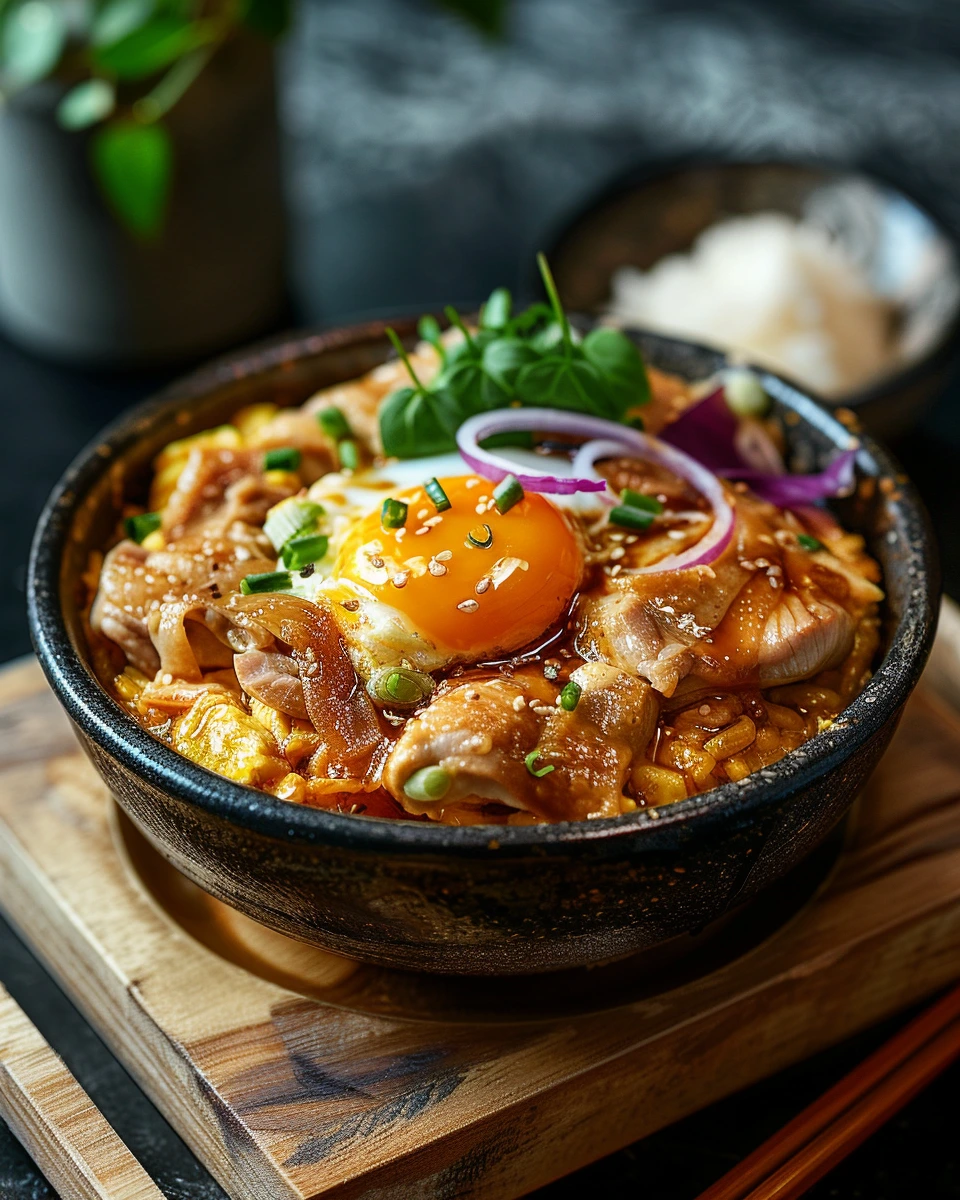
The history of Gyudon is closely tied to late nineteenth-century urban Japan. The recipe developed as a recognisable local preparation rather than a generic example of Japanese cooking. Its individual character comes from thin beef, onion, soy-dashi broth and rice. Good versions are balanced, accurately seasoned and simmered until the broth or sauce is fully developed. Gyudon is particularly associated with fast-food counters and economical meals. That setting is central to understanding the dish: it explains when it is eaten, what accompanies it and why it continues to matter within Japanese food culture.
Historical background
The history of Gyudon is closely tied to late nineteenth-century urban Japan. The recipe developed as a recognisable local preparation rather than a generic example of Japanese cooking.
Why it is famous
Its individual character comes from thin beef, onion, soy-dashi broth and rice. Good versions are balanced, accurately seasoned and simmered until the broth or sauce is fully developed.
Cultural significance
Gyudon is particularly associated with fast-food counters and economical meals. That setting is central to understanding the dish: it explains when it is eaten, what accompanies it and why it continues to matter within Japanese food culture.