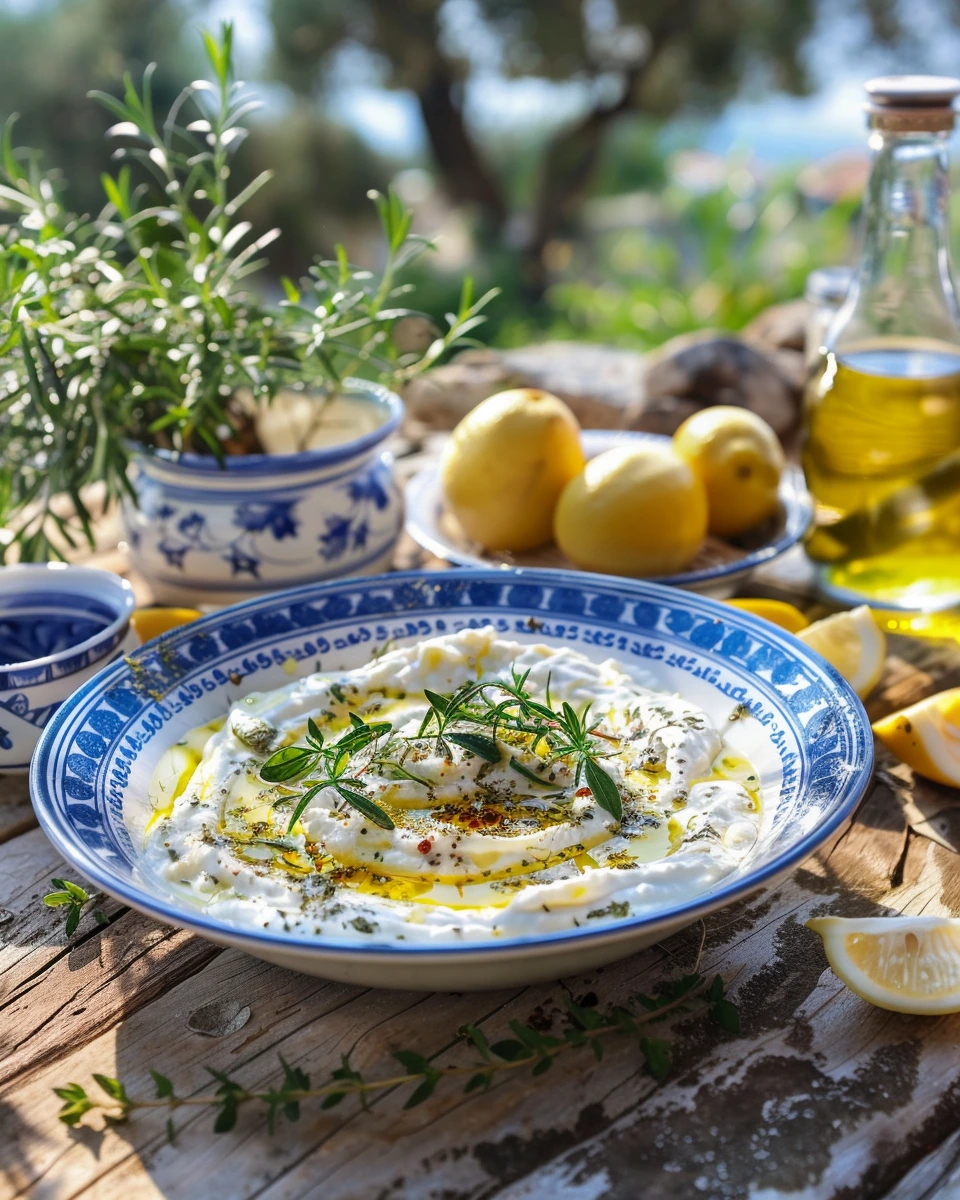
Taramosalata: the story on the plate
Taramosalata developed from the use of preserved fish roe around the eastern Mediterranean. In Greece, salted cod or carp roe is blended with bread or potato, lemon and oil to make a smooth meze. The spread is famous for its concentrated marine savouriness balanced by citrus and a soft, whipped texture. Natural taramosalata is usually pale beige or pinkish rather than the vivid pink created by colouring. It is especially associated with Clean Monday and the beginning of Lent, when it is served with lagana bread, olives, seafood and other fasting dishes. It also appears year-round on taverna meze plates.
Historical background
Taramosalata developed from the use of preserved fish roe around the eastern Mediterranean. In Greece, salted cod or carp roe is blended with bread or potato, lemon and oil to make a smooth meze.
Why it is famous
The spread is famous for its concentrated marine savouriness balanced by citrus and a soft, whipped texture. Natural taramosalata is usually pale beige or pinkish rather than the vivid pink created by colouring.
Cultural significance
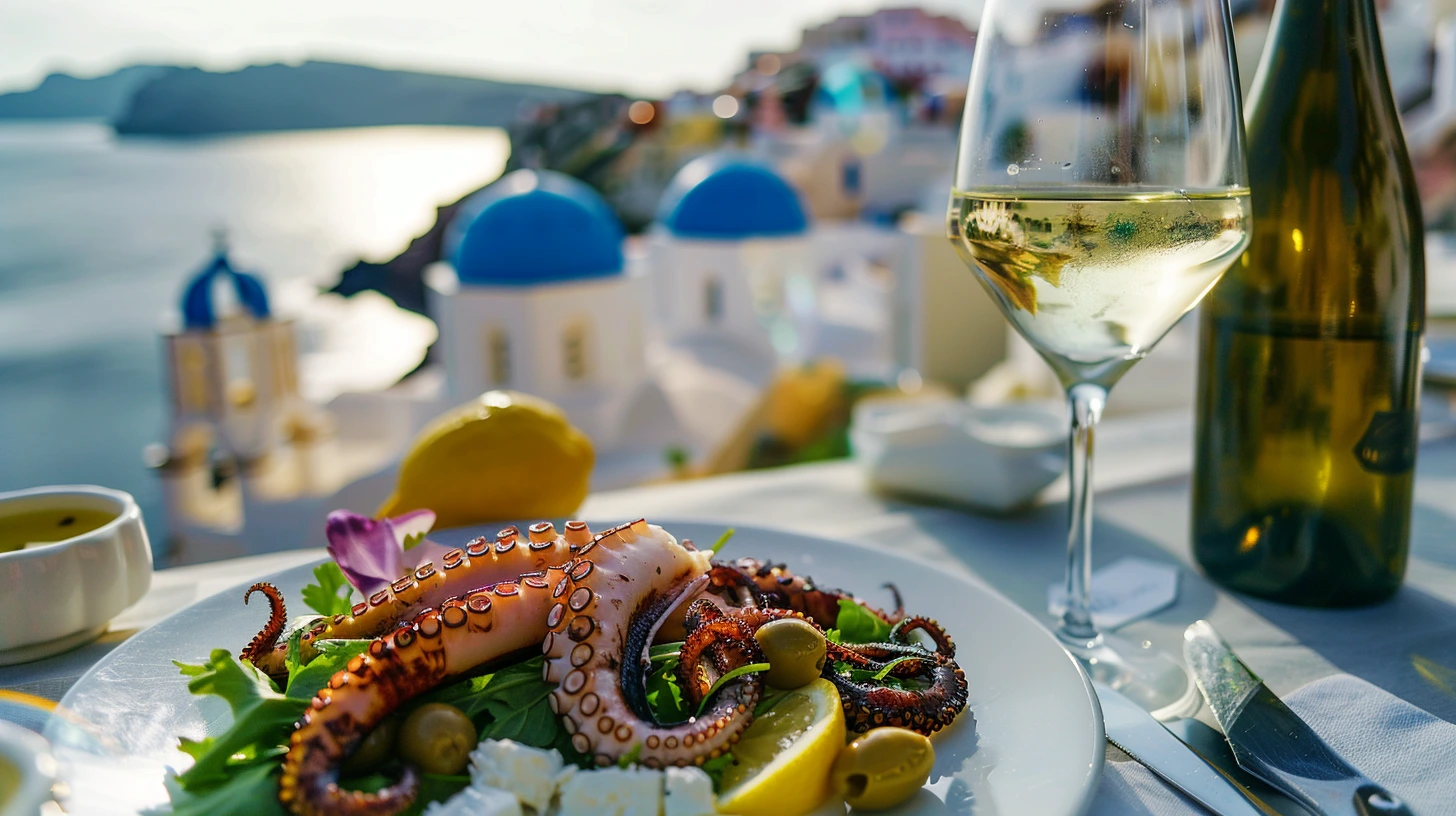
It is especially associated with Clean Monday and the beginning of Lent, when it is served with lagana bread, olives, seafood and other fasting dishes. It also appears year-round on taverna meze plates.