Australian Main

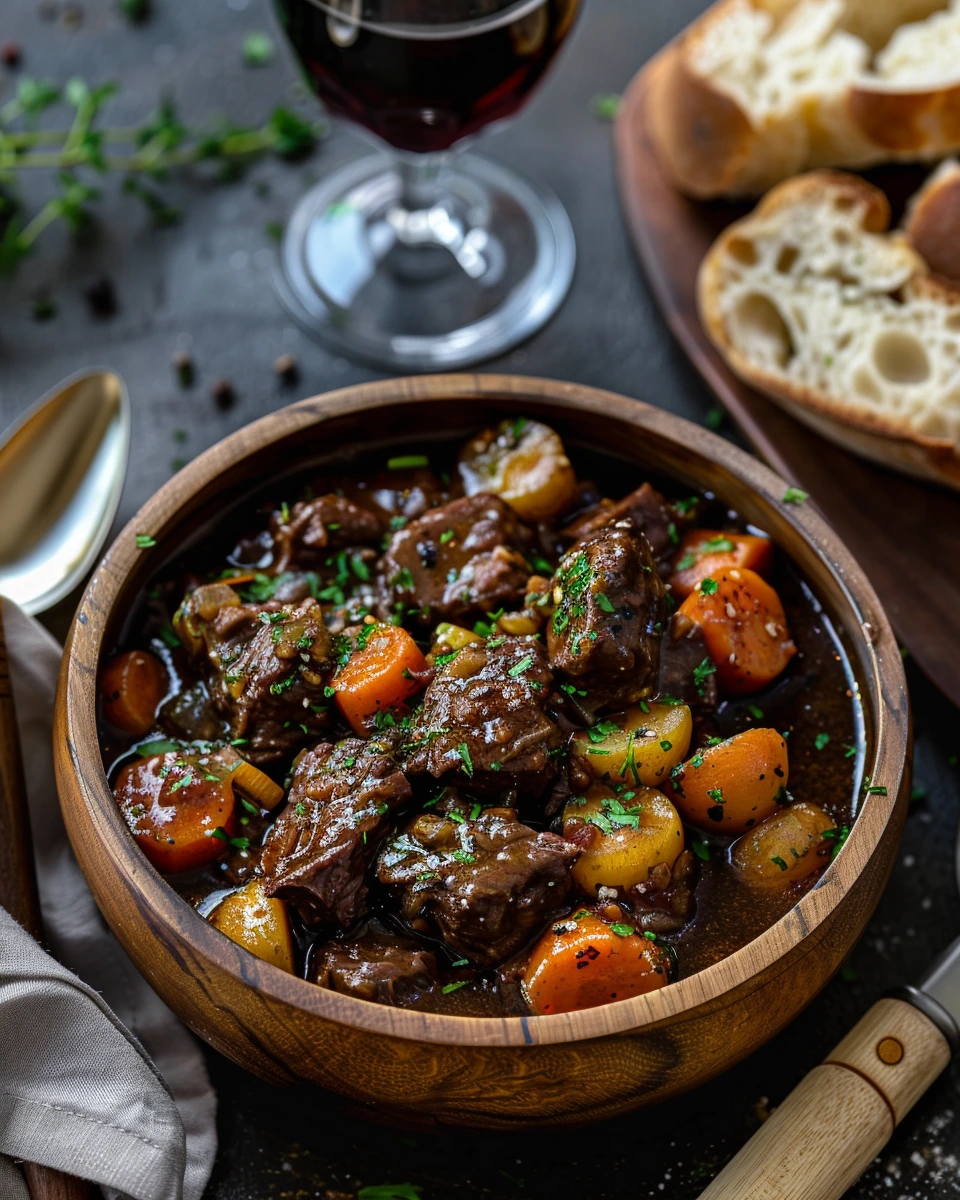
Slow-Cooked Beef and Vegemite Stew

Slow-Cooked Beef and Vegemite Stew upgraded with metric serves-2 ingredients, a clearer Australian context and practical cooking guidance.

25 minsPrep time
2 hr 30 minsCook time
Serves 2Servings
EasyDifficulty
Slow-Cooked Beef and Vegemite Stew
About this dish

Slow-Cooked Beef and Vegemite Stew: the story on the plate

A deep savoury beef stew using Vegemite for umami richness. This is a traditional Australian main built around regional ingredients, family cooking and a clear sense of place.

Historical background

This recipe reflects Australian home cooking, where British-influenced comfort food, migrant flavours and local produce often meet in practical family dishes.

Why it is famous

It is worth featuring because it shows the generous, unfussy side of Australian food culture.

Cultural significance

A useful Australian recipe because it links ingredients, setting and everyday eating rather than treating the dish as just a list of steps.

Nutrition

Estimated nutrition per serving

Useful for meal planning and calorie-aware recipe browsing.

690Calories
42gProtein
45gCarbs
36gFat

Estimated from the upgraded serves-2 metric ingredient list; verify with a nutrition calculator before making health claims.

Ingredients

What you need

  • 500 beef chuck, diced
  • 1 onion, diced
  • 2 carrot, chunked
  • 2 celery sticks, sliced
  • 500 beef stock
  • 1 Vegemite
  • 150 red wine
  • 400 potatoes
Method

Step-by-step method

Follow the recipe in order, tasting and adjusting seasoning where needed.

  1. 1. Brown beef in batches. Measure everything before you start so the recipe scales cleanly from the dynamic ingredient quantities. Slice meat across the grain where it will be served sliced, and keep steaks even in thickness so they cook at the same speed.
  2. 2. Cook onion, carrot and celery. Work steadily and check texture rather than relying only on the clock.
  3. 3. Add stock, red wine and a little Vegemite. Work steadily and check texture rather than relying only on the clock.
  4. 4. Return beef to the pot. Work steadily and check texture rather than relying only on the clock.
  5. 5. Simmer slowly until tender. Keep it at a gentle simmer, around 90°C / 195°F, with only small bubbles breaking the surface.
  6. 6. Add potatoes near the end and cook until soft. Taste at the end for salt, acidity and richness; traditional versions should feel generous but balanced.
Cook smarter

Tips, storage and serving advice

Shopping tips

Buy the freshest main ingredient you can; for seafood choose clean-smelling, firm pieces, and for meat choose good colour with no excessive liquid.

Ingredient quality

Native ingredients such as lemon myrtle, wattleseed, pepperberry, bush tomato and finger lime should smell vivid rather than dusty or stale.

Common mistakes

Do not overcook lean seafood, kangaroo or crocodile; avoid under-seasoning simple bakery and barbecue dishes.

Chef’s tips

Prepare garnishes, sauces and sides before cooking the main protein so the dish can be served hot and fresh.

How to know it is cooked

Proteins should be just cooked through; pastry should be deeply golden; desserts should be set but not dry.

Plating advice

Keep plating simple: main item first, sauce neatly, fresh herb or citrus garnish last.

Make ahead

Sauces, pastry fillings and dessert bases can often be made ahead; crisp or grilled elements are best finished close to serving.

Storage and reheating

Store covered in the fridge and eat within 2 days for seafood or 3 days for cooked meat and desserts. Reheat gently; use an oven or air fryer for pastry and fried foods so they stay crisp.

Wine pairing

What to drink with Slow-Cooked Beef and Vegemite Stew

Pairings are chosen around the dish’s flavour, texture, richness, acidity and cooking style — not just the country it comes from.

Syrah / Shiraz wine pairing
#1 Great match Red

Syrah / Shiraz

Why it works: Syrah Shiraz suits Slow-Cooked Beef and Vegemite Stew because the dish is deep, savoury and hearty, often supported by browned meat, herbs, gravy, spice or slow-cooked richness; the wine keeps the finish balanced rather than heavy.

Peppery, dark-fruited red with savoury spice and medium-to-firm tannins. Great with grilled meat, pepper, smoke, sausages and rich stews.

GrapeSyrah, Shiraz
RegionNorthern Rhône, Barossa, South Africa
Wine flavourblackberry, black pepper, olive, smoke
Serve at16-18°C
  • Flavour bridge: The pairing links acidity, body and aroma to the main ingredients, giving freshness for rich dishes and enough weight for hearty ones.
  • Acidity: Use acidity to lift richness, salt, fried texture, cream, butter or slow-cooked depth.
  • Body: The wine body is chosen to avoid overpowering the dish while still standing up to the main ingredient.
  • Tannin: Low or moderate tannin is safest unless the recipe is built around red meat, roasting or deep savoury sauces.
  • Sweetness: Keep the wine dry for savoury recipes; use gentle sweetness for desserts or spicy dishes.
  • Best for: Main pairing for testing and editorial menus.

These are wine-style pairings, so you can choose any bottle in that style rather than needing one exact producer. Look for the grape, region or style name on the label.

Bottle suggestions

Specific wines to try

These are individual wines already linked to this recipe.