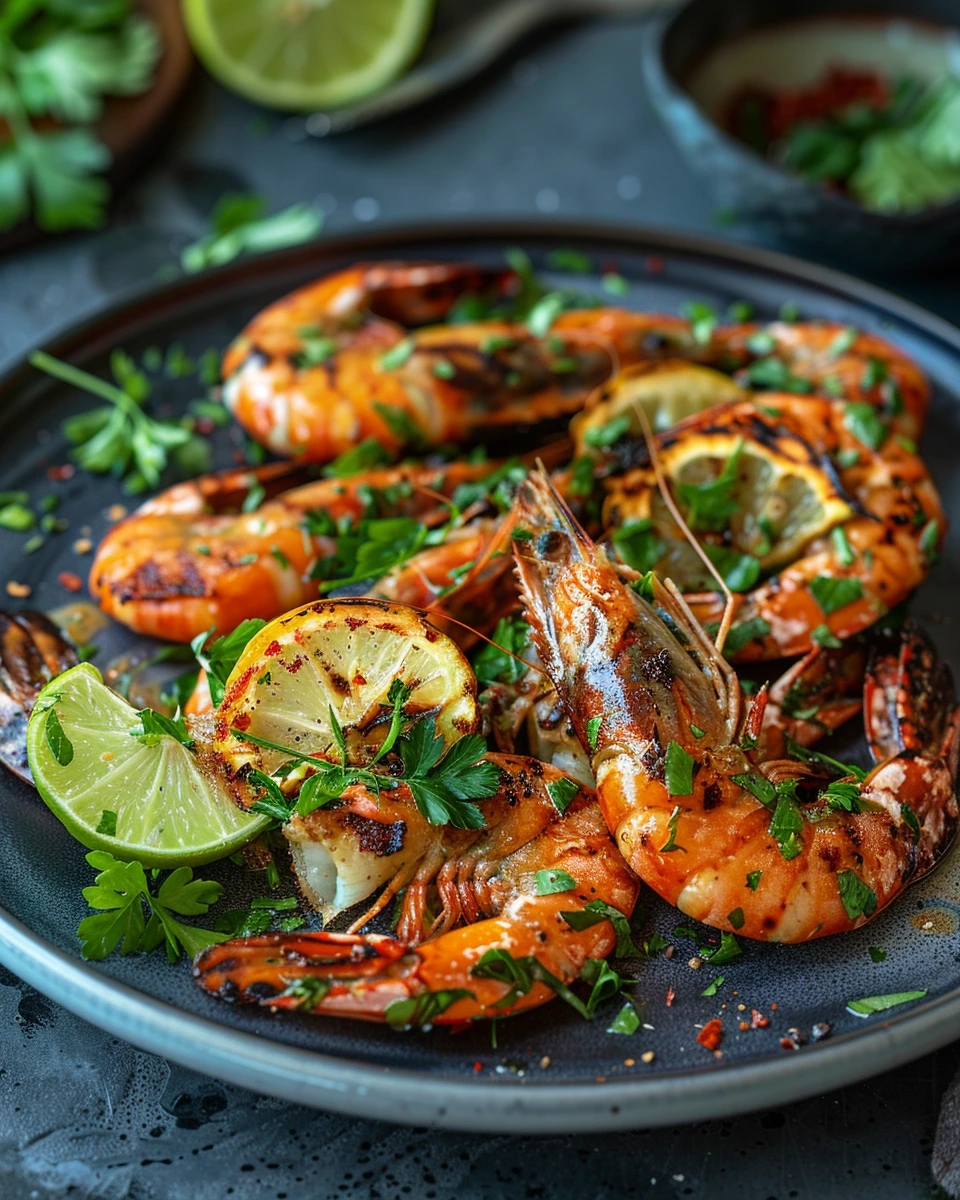
Barramundi with Lemon Myrtle Butter: the story on the plate
Barramundi is native to northern Australian and Indo-Pacific waters and has long been important to Indigenous communities. Its rise in aquaculture and restaurant cooking made it a national emblem of Australian fish cookery. The fish is prized for moist white flesh, broad flakes and a mild sweetness that accepts native aromatics. Lemon myrtle contributes an intense clean citrus fragrance without adding liquid acidity. Barramundi appears on menus from tropical lodges to city restaurants and is often used to express a distinctly Australian sense of place. Native seasoning gives the dish identity without disguising the fish.
Historical background
Barramundi is native to northern Australian and Indo-Pacific waters and has long been important to Indigenous communities. Its rise in aquaculture and restaurant cooking made it a national emblem of Australian fish cookery.
Why it is famous
The fish is prized for moist white flesh, broad flakes and a mild sweetness that accepts native aromatics. Lemon myrtle contributes an intense clean citrus fragrance without adding liquid acidity.
Cultural significance
Barramundi appears on menus from tropical lodges to city restaurants and is often used to express a distinctly Australian sense of place. Native seasoning gives the dish identity without disguising the fish.