Pryaniki: the story on the plate
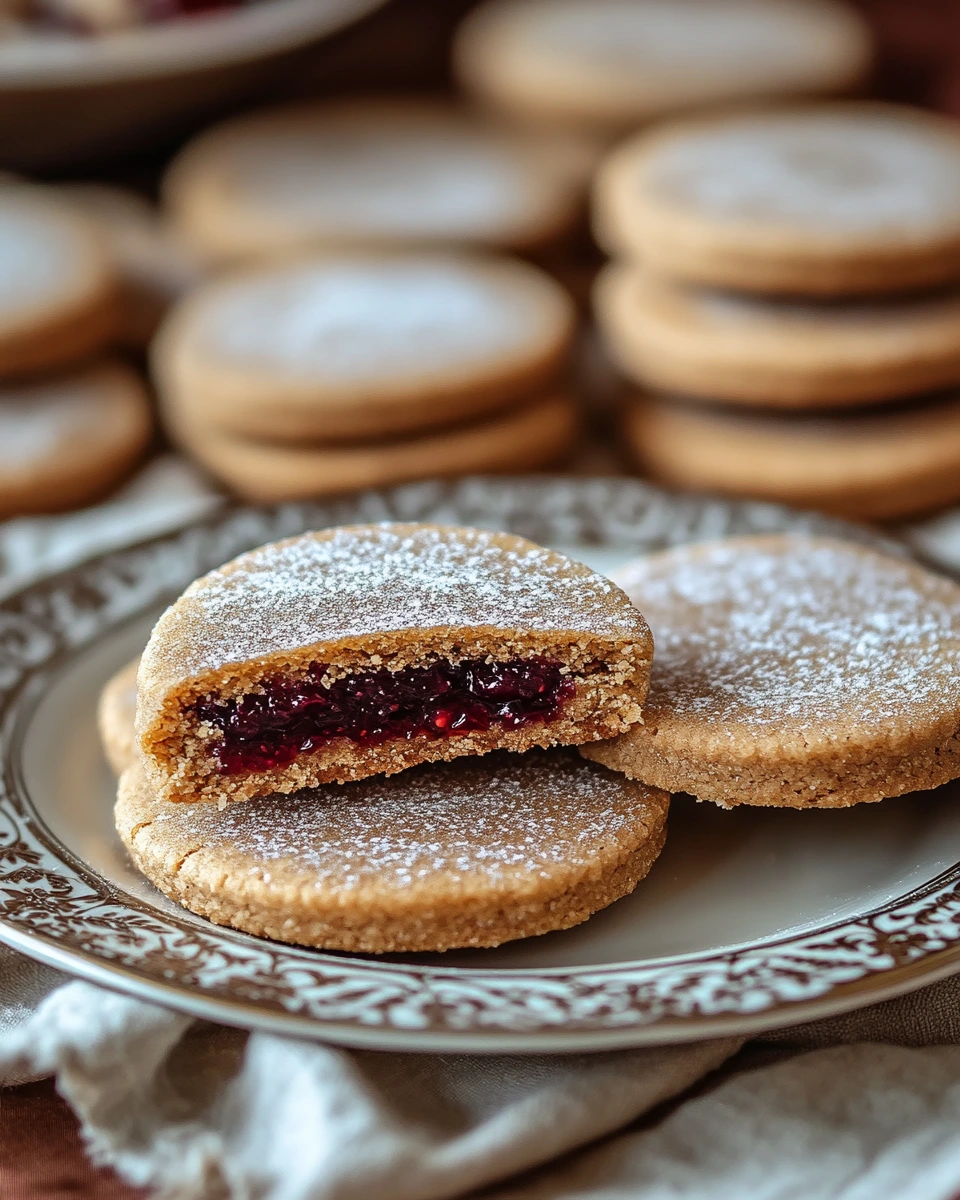
Pryaniki have deep roots in Russian baking, where honey, rye flour and imported spices produced long-keeping festive breads. Regional centres such as Tula developed decorated and filled versions. Pryaniki stands out because of spiced honey biscuits or soft cakes glazed with sugar. Technique matters as much as the ingredient list, particularly the control of moisture, heat and final seasoning. They are eaten with tea, given as gifts and associated with fairs, holidays and traditional craft baking.
Historical background
Pryaniki have deep roots in Russian baking, where honey, rye flour and imported spices produced long-keeping festive breads. Regional centres such as Tula developed decorated and filled versions.
Why it is famous
Pryaniki stands out because of spiced honey biscuits or soft cakes glazed with sugar. Technique matters as much as the ingredient list, particularly the control of moisture, heat and final seasoning.
Cultural significance
They are eaten with tea, given as gifts and associated with fairs, holidays and traditional craft baking.