
Portuguese Main
Bifanas
Thin pork steaks marinated with garlic, paprika and white wine, served in crusty rolls.
20 minsPrep time
20 minsCook time
Serves 4Servings
EasyDifficulty

Nutrition
Estimated nutrition per serving
These figures are estimates per serving. Actual nutrition can vary with the brands and exact amounts you use, how much oil, dressing or sauce is absorbed, any substitutions or added extras, and the portion size served.A practical guide for comparing recipes and planning meals.
620Calories
35gProtein
48gCarbs
31gFat
Ingredients
What you need
- 600 pork loin, 5 mm slices
- 200 white wine
- 18 Garlic, minced
- 2 paprika
- 2 bay leaves
- 1 mustard
- 4 bread rolls
Method
Step-by-step method
Follow the recipe in order, tasting and adjusting seasoning where needed.
- Slice pork across the grain to 5 mm and lightly flatten between baking paper.
- Marinate with wine, garlic, paprika, bay and 8 g salt for at least 1 hour. Drain, reserving liquid.
- Heat a wide pan over high heat. Sear pork in batches for 60–90 seconds per side; remove.
- Pour reserved marinade into the pan and boil hard for 4–5 minutes until reduced and safe. Return pork for 2 minutes.
- Spread rolls with mustard, fill with pork and spoon over a little reduced sauce.
Cook smarter
Tips, storage and serving advice
Shopping tips
Ingredient quality
Common mistakes
Chef’s tips
How to know it is cooked
Plating advice
Make ahead
Storage and reheating
Wine pairing
What to drink with Bifanas
These are wine-style pairings, so you can choose any bottle in that style rather than needing one exact producer. Look for the grape, region or style name on the label.Pairings are chosen around the dish’s flavour, texture, richness, acidity and cooking style, not just the country it comes from.
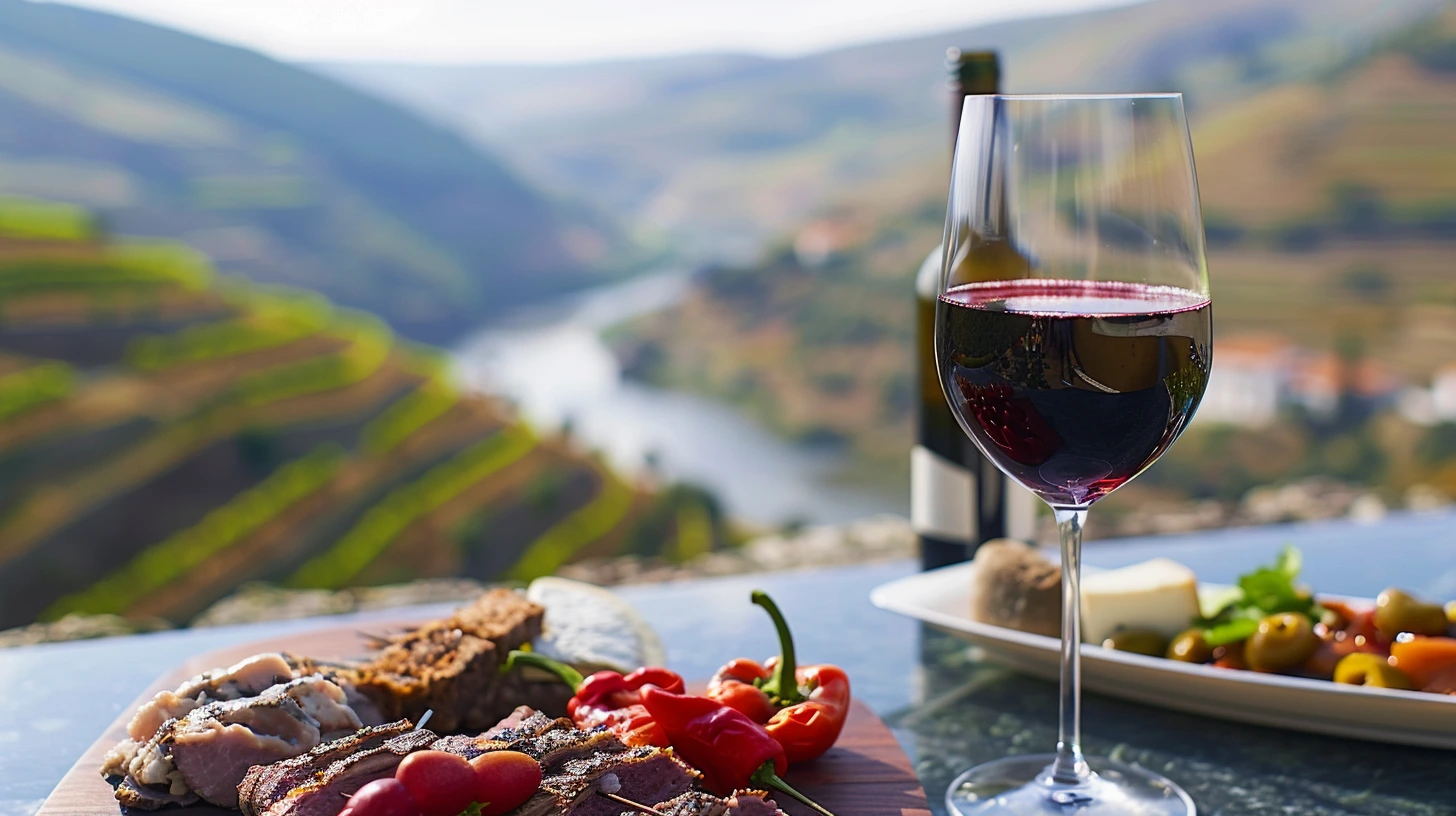
#1
Excellent match
Red
Douro Red
Why it works:
- Flavour bridge: aromatic fruit connects with spice while a cool, fresh finish resets the palate
- Acidity: High freshness cuts through oil and rich spice pastes
- Body: Enough flavour intensity for spice without excessive weight
- Tannin: Low tannin avoids exaggerating bitterness and heat
- Sweetness: A dry-to-off-dry profile can cushion chilli heat
- Best for: Dinner, entertaining or recipe pairing

#2
Great match
White
Off-Dry Riesling
Why it works:
- Flavour bridge: aromatic fruit connects with spice while a cool, fresh finish resets the palate
- Acidity: High freshness cuts through oil and rich spice pastes
- Body: Enough flavour intensity for spice without excessive weight
- Tannin: Low tannin avoids exaggerating bitterness and heat
- Sweetness: A dry-to-off-dry profile can cushion chilli heat
- Best for: Dinner, entertaining or recipe pairing
#3
Interesting match
White
Gewürztraminer
Why it works:
- Flavour bridge: aromatic fruit connects with spice while a cool, fresh finish resets the palate
- Acidity: High freshness cuts through oil and rich spice pastes
- Body: Enough flavour intensity for spice without excessive weight
- Tannin: Low tannin avoids exaggerating bitterness and heat
- Sweetness: A dry-to-off-dry profile can cushion chilli heat
- Best for: Dinner, entertaining or recipe pairing
Cook next
View cuisine More Portuguese recipes
Keep exploring the country’s food story through related starters, mains and desserts.
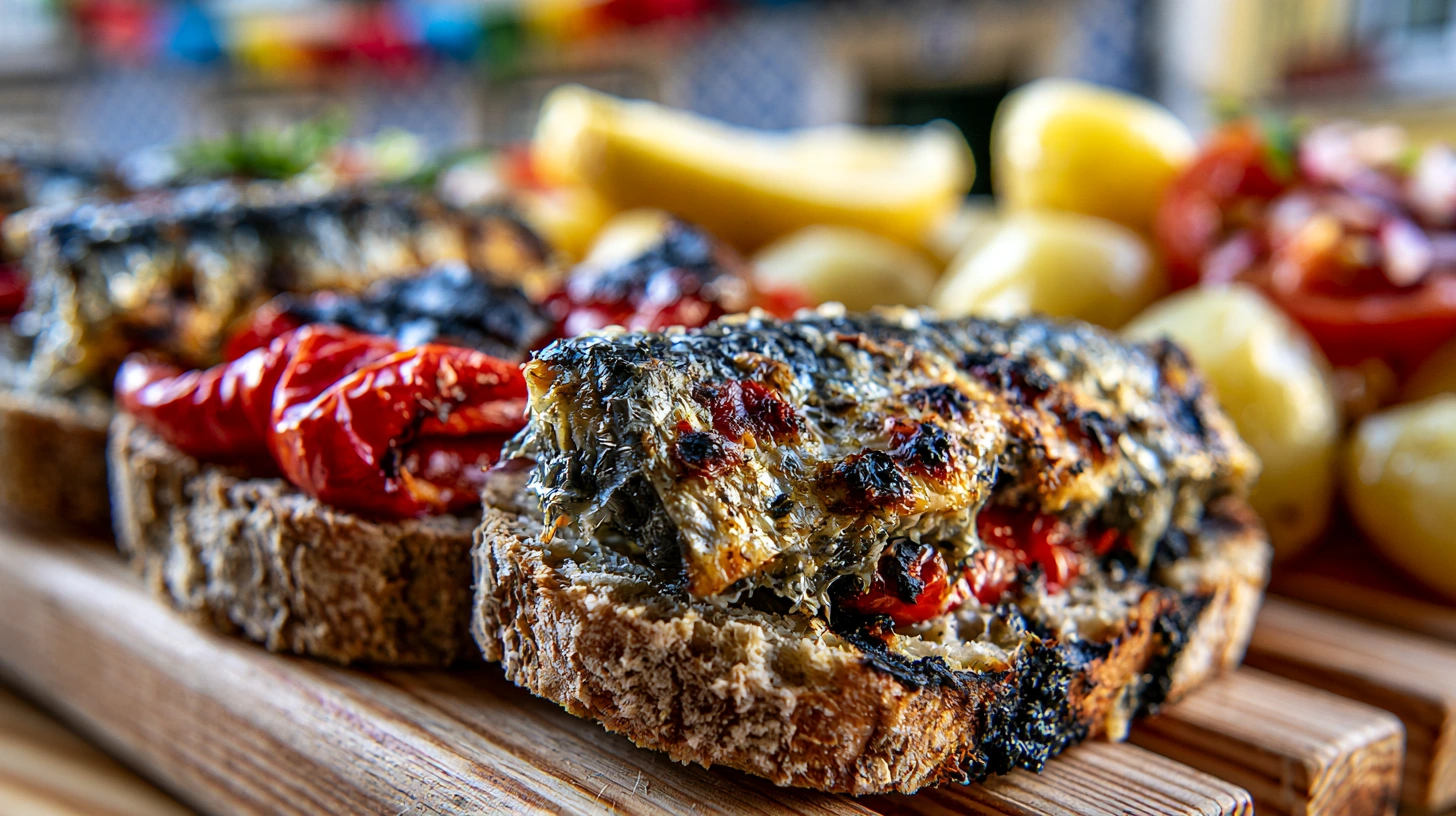
Sardinhas Assadas
Charcoal-grilled sardines with sea salt, lemon and roasted peppers.

Açorda à Alentejana
Açorda à Alentejana is a classic Portuguese main course built around comforting flavour, cultural h…

Bacalhau à Brás
Bacalhau à Brás is a classic Portuguese main course built around comforting flavour, cultural herit…

Francesinha
Francesinha is a classic Portuguese main course built around comforting flavour, cultural heritage…