
Portuguese Main
Arroz de Pato
Portuguese duck rice baked with chouriço until crisp on top and succulent underneath.
35 minsPrep time
2 hr 30 minsCook time
Serves 6Servings
HardDifficulty

Nutrition
Estimated nutrition per serving
These figures are estimates per serving. Actual nutrition can vary with the brands and exact amounts you use, how much oil, dressing or sauce is absorbed, any substitutions or added extras, and the portion size served.A practical guide for comparing recipes and planning meals.
620Calories
35gProtein
48gCarbs
31gFat
Ingredients
What you need
- 4 duck legs
- 400 long-grain rice
- 180 portuguese chourico, sliced
- 250 onion, 8 mm dice
- 150 carrot, 1 cm dice
- 200 white wine
- 900 chicken stock
- 2 bay leaves
Method
Step-by-step method
Follow the recipe in order, tasting and adjusting seasoning where needed.
- Brown duck legs skin-side down over medium heat for 8 minutes, then 2 minutes on the flesh side. Remove excess fat.
- Cook onion and carrot for 8 minutes. Add wine, reduce by half, then stock and bay. Return duck and simmer covered 75–90 minutes until tender.
- Lift duck out, cool and shred. Strain and measure 800 ml cooking liquid.
- Cook rice in the measured stock for 10 minutes; it should remain slightly firm. Fold in shredded duck and half the chouriço.
- Transfer to a baking dish, top with remaining chouriço and bake at 200°C for 20–25 minutes until crisp at the edges.
Cook smarter
Tips, storage and serving advice
Shopping tips
Ingredient quality
Common mistakes
Chef’s tips
How to know it is cooked
Plating advice
Make ahead
Storage and reheating
Wine pairing
What to drink with Arroz de Pato
These are wine-style pairings, so you can choose any bottle in that style rather than needing one exact producer. Look for the grape, region or style name on the label.Pairings are chosen around the dish’s flavour, texture, richness, acidity and cooking style, not just the country it comes from.
#1
Excellent match
Red
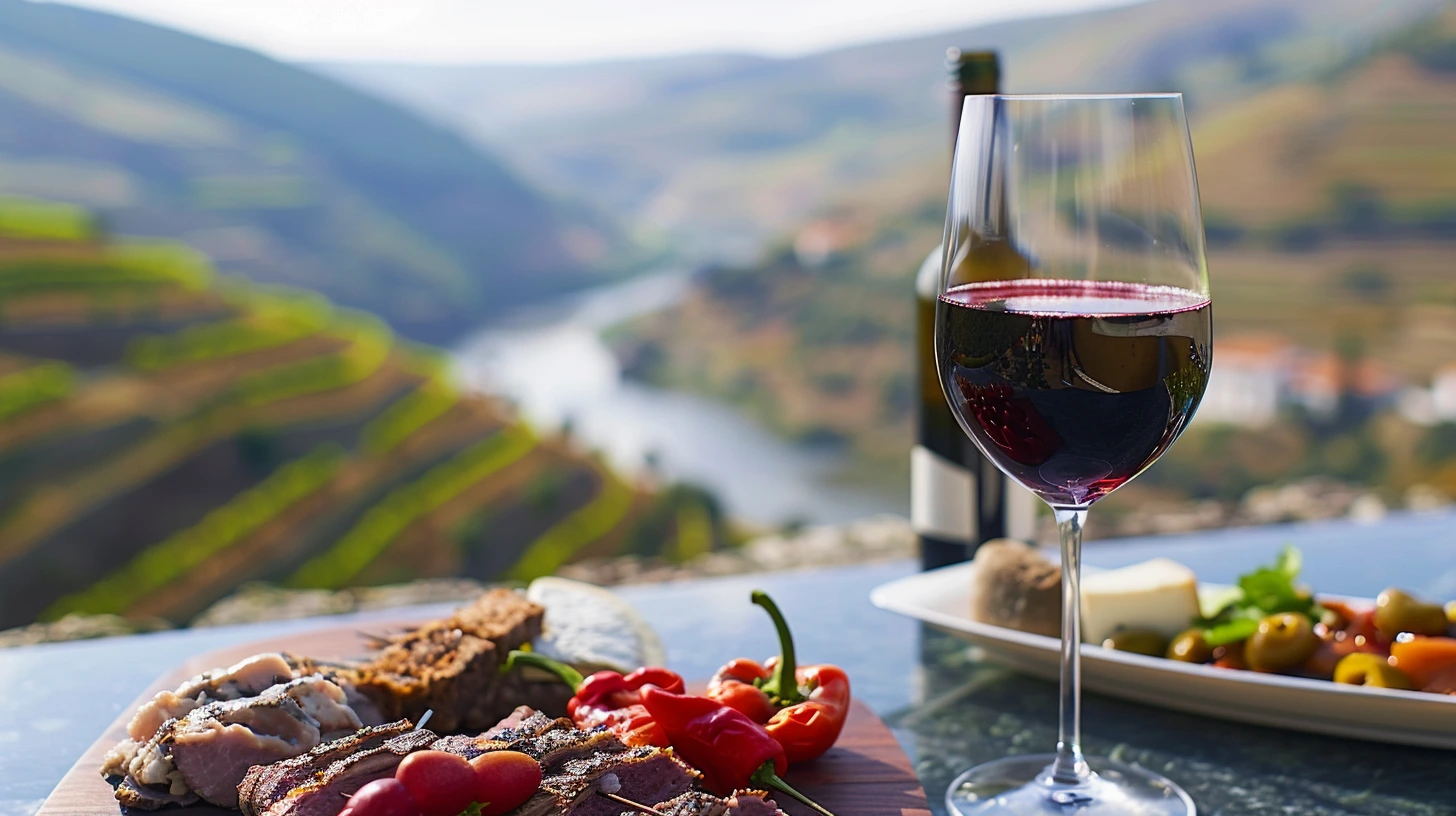
Douro Red
Why it works:
- Flavour bridge: red or orchard fruit complements the meat's natural sweetness and browned edges
- Acidity: Fresh acidity cleanses the palate after fat
- Body: Medium body matches the dish without dominating it
- Tannin: Moderate or low tannin keeps the pairing supple
- Sweetness: Dry to gently off-dry styles can handle sweet-savoury elements
- Best for: Dinner, entertaining or recipe pairing

#2
Great match
Red
Pinot Noir / Burgundy
Why it works:
- Flavour bridge: red or orchard fruit complements the meat's natural sweetness and browned edges
- Acidity: Fresh acidity cleanses the palate after fat
- Body: Medium body matches the dish without dominating it
- Tannin: Moderate or low tannin keeps the pairing supple
- Sweetness: Dry to gently off-dry styles can handle sweet-savoury elements
- Best for: Dinner, entertaining or recipe pairing

#3
Interesting match
White
Off-Dry Riesling
Why it works:
- Flavour bridge: red or orchard fruit complements the meat's natural sweetness and browned edges
- Acidity: Fresh acidity cleanses the palate after fat
- Body: Medium body matches the dish without dominating it
- Tannin: Moderate or low tannin keeps the pairing supple
- Sweetness: Dry to gently off-dry styles can handle sweet-savoury elements
- Best for: Dinner, entertaining or recipe pairing
Cook next
View cuisine More Portuguese recipes
Keep exploring the country’s food story through related starters, mains and desserts.
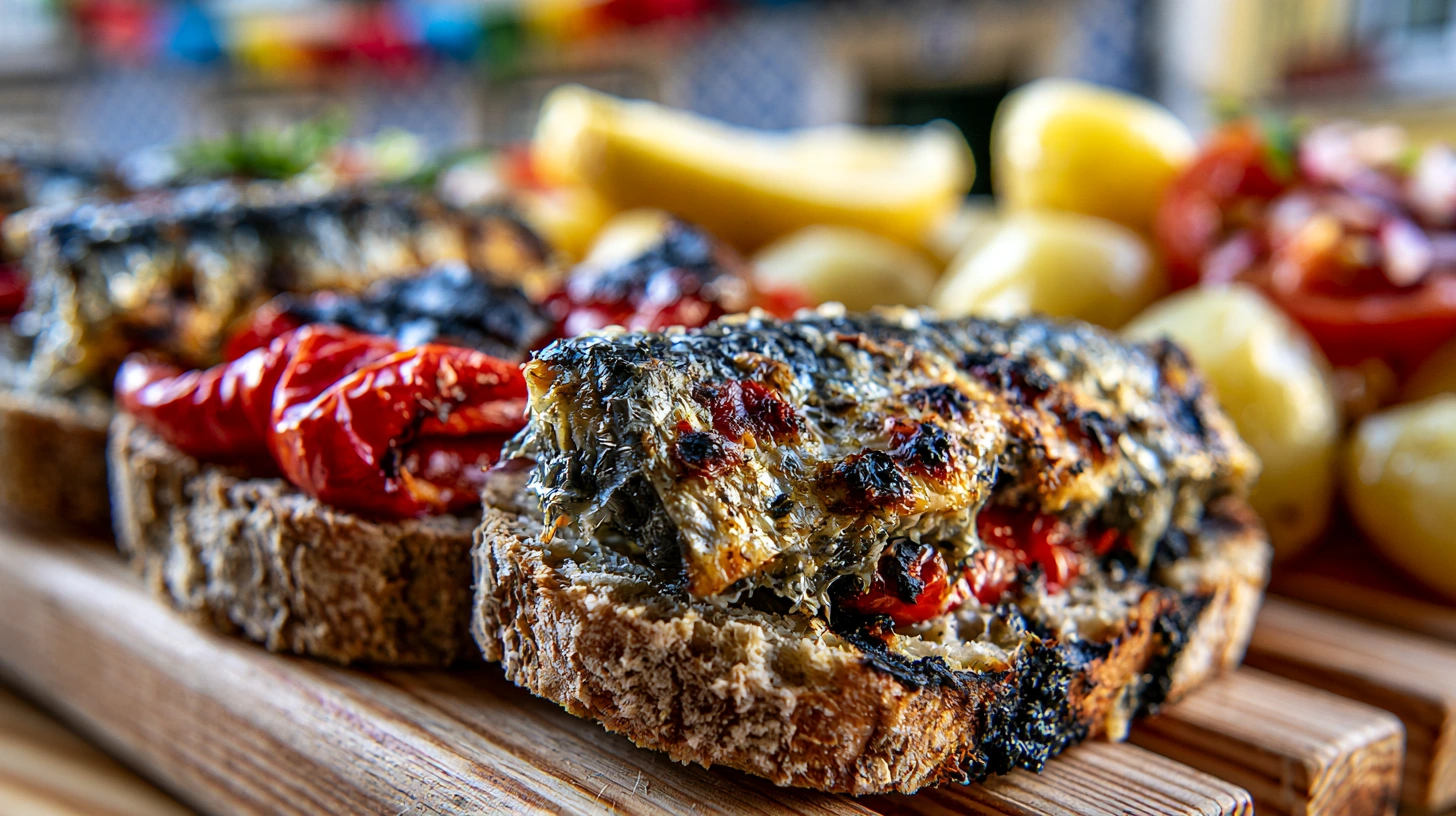
Sardinhas Assadas
Charcoal-grilled sardines with sea salt, lemon and roasted peppers.

Açorda à Alentejana
Açorda à Alentejana is a classic Portuguese main course built around comforting flavour, cultural h…

Bacalhau à Brás
Bacalhau à Brás is a classic Portuguese main course built around comforting flavour, cultural herit…

Francesinha
Francesinha is a classic Portuguese main course built around comforting flavour, cultural heritage…