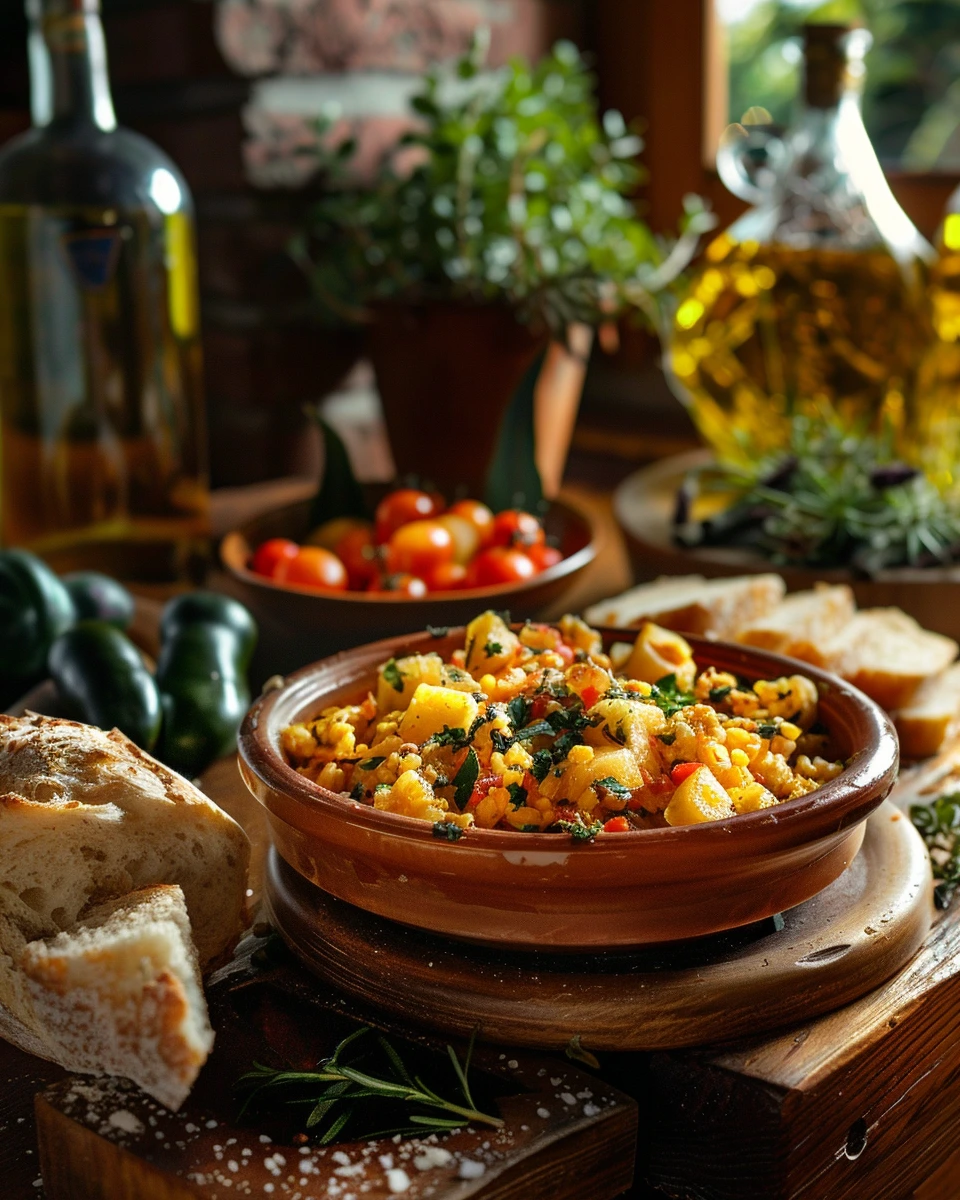
Pisto Manchego: the story on the plate
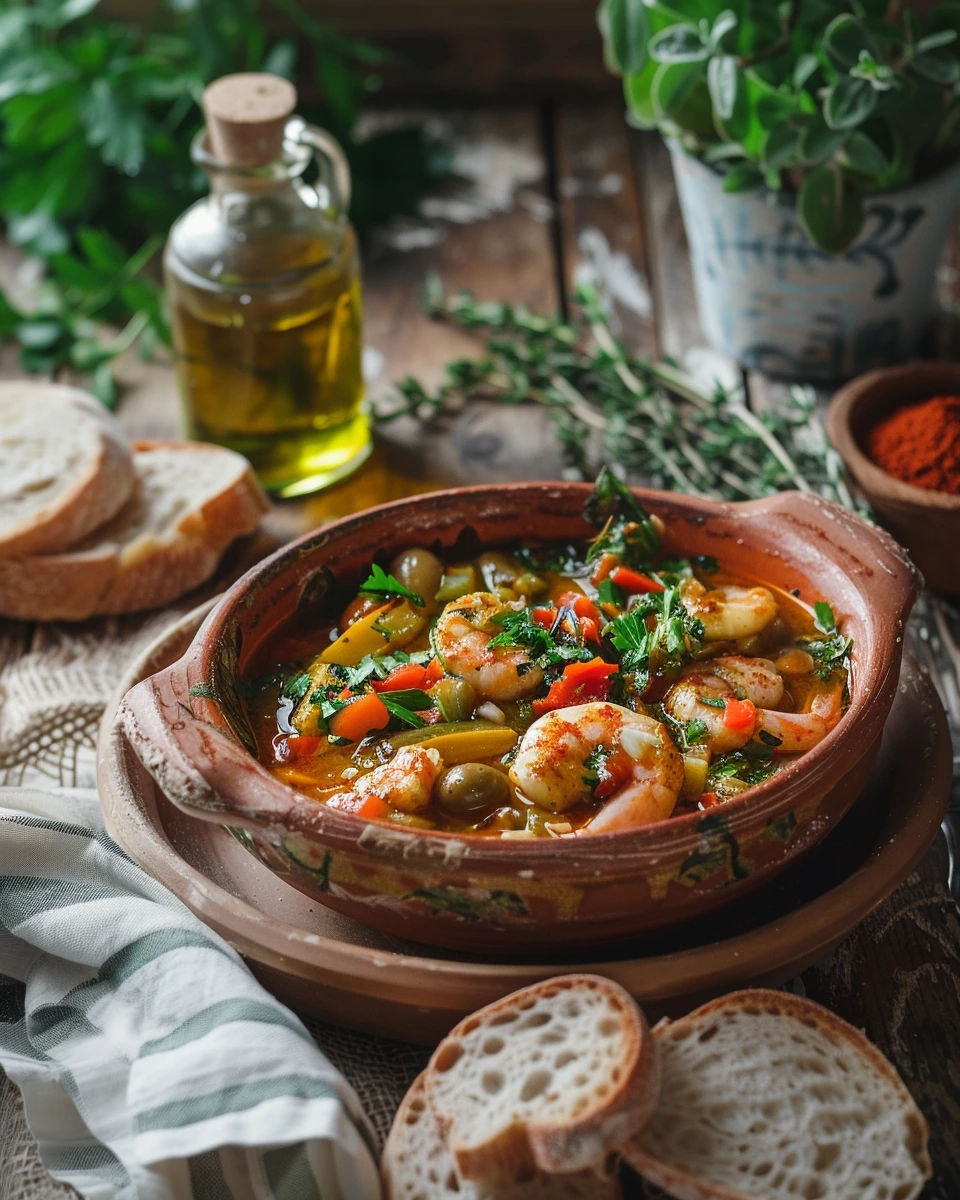
Pisto manchego is rooted in the agricultural cooking of La Mancha, where summer vegetables were cooked down in olive oil into a versatile meal. Tomatoes and peppers entered the Iberian pantry after the Columbian exchange, while the method reflects an older Mediterranean habit of slowly stewing seasonal produce. It is famous for concentrating humble vegetables without losing their individual sweetness. The final texture should be soft and cohesive but not watery, with olive oil carrying the flavour of tomato, pepper, onion and courgette. Pisto can be served hot or at room temperature, topped with a fried egg, paired with bread or used beside meat and fish. It represents economical home cooking and the importance of seasonal garden produce in inland Spain.
Historical background
Pisto manchego is rooted in the agricultural cooking of La Mancha, where summer vegetables were cooked down in olive oil into a versatile meal. Tomatoes and peppers entered the Iberian pantry after the Columbian exchange, while the method reflects an older Mediterranean habit of slowly stewing seasonal produce.
Why it is famous
It is famous for concentrating humble vegetables without losing their individual sweetness. The final texture should be soft and cohesive but not watery, with olive oil carrying the flavour of tomato, pepper, onion and courgette.
Cultural significance
Pisto can be served hot or at room temperature, topped with a fried egg, paired with bread or used beside meat and fish. It represents economical home cooking and the importance of seasonal garden produce in inland Spain.