American Dessert

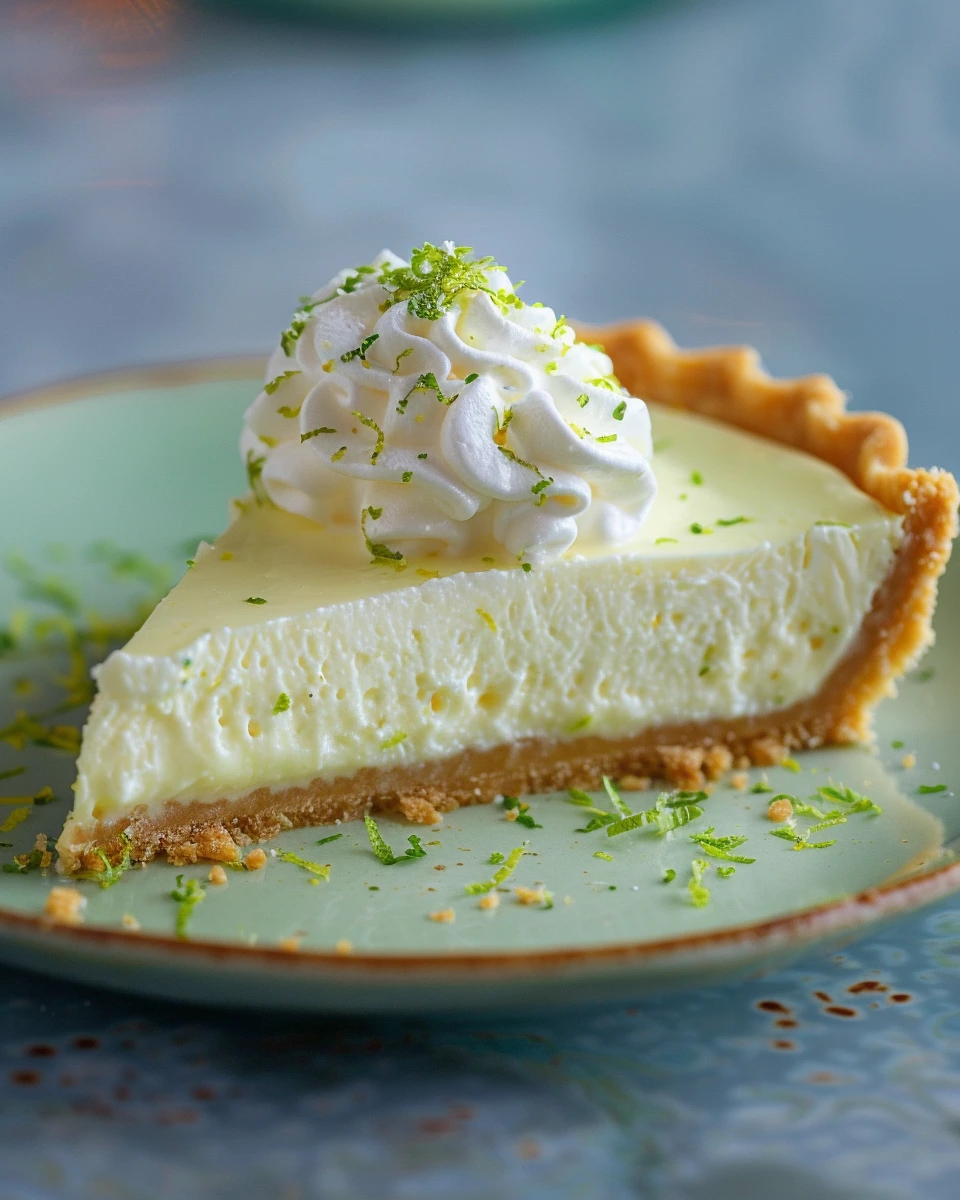
Key Lime Pie

Key Lime Pie upgraded with metric serves-2 ingredients, a clearer flavour profile and a stronger traditional food story.

20 minsPrep time
20 minsCook time
Serves 2Servings
EasyDifficulty
Key Lime Pie
About this dish

Key Lime Pie: the story on the plate

Sharp, creamy and sunny: a Florida Keys classic where acidity cuts sweetness beautifully.

Historical background

Key Lime Pie reflects American regional food: immigrant influence, farming traditions, coastal seafood, barbecue, diners, bakeries and home desserts.

Why it is famous

It is famous because American cooking is deeply regional, from New England seafood and Southern comfort food to Midwest pies, barbecue and city-specific classics.

Cultural significance

Key Lime Pie is useful on the site because it explains not just how to cook the dish, but why the ingredients and technique matter in American food culture.

Nutrition

Estimated nutrition per serving

Useful for meal planning and calorie-aware recipe browsing.

520Calories
8gProtein
68gCarbs
24gFat

Estimated from the upgraded serves-2 metric ingredient list; verify with a calculator before making health claims.

Ingredients

What you need

  • 110 digestive biscuits, crushed
  • 50 butter, melted
  • 200 condensed milk
  • 125 double cream, whipped, to serve
  • 2 piece egg yolks
  • 60 key lime juice, or regular lime juice
  • 1 lime zest
Method

Step-by-step method

Follow the recipe in order, tasting and adjusting seasoning where needed.

  1. 1. Mix crushed biscuits with melted butter, press firmly into a 23 cm tin and bake at 175 C / 350 F for 10 minutes.
  2. 2. Whisk egg yolks, condensed milk, lime juice and zest until thickened.
  3. 3. Pour into the crust and bake at 160 C / 320 F for 15-18 minutes until just set.
  4. 4. Chill for at least 4 hours, then top with whipped cream.
Cook smarter

Tips, storage and serving advice

Shopping tips

Buy the ingredient that carries the dish first: fresh seafood, properly marbled meat, good maize products, fresh herbs, aromatic spices or ripe fruit depending on the recipe.

Ingredient quality

Choose whole spices, fresh citrus, clean seafood, good dairy and authentic staple ingredients where possible; stale spices and weak sauces make traditional recipes taste flat.

Common mistakes

Avoid vague seasoning, overcrowding pans, overcooking lean protein, using stale spices or replacing traditional staples without adjusting texture.

Chef’s tips

Measure first, cook the sauce or base patiently, taste for salt and acidity, and finish with the traditional garnish or side.

How to know it is cooked

Proteins should be cooked through but not dry; sauces should taste balanced; pastries, fried foods or baked desserts should be properly set and golden where appropriate.

Plating advice

Serve simply and traditionally: sauce under or over the main item, garnish last, and keep sides distinct so the recipe reads clearly.

Make ahead

Sauces, fillings, marinades and braises can usually be made ahead; fried, grilled and crisp elements are best finished just before serving.

Storage and reheating

Store covered in the fridge. Eat seafood within 2 days and meat, vegetable dishes or desserts within 3 days unless recipe testing says otherwise. Reheat gently until piping hot. Use an oven or air fryer for crisp foods; use low heat for sauces, stews and braises.

Wine pairing

What to drink with Key Lime Pie

Pairings are chosen around the dish’s flavour, texture, richness, acidity and cooking style — not just the country it comes from.

Moscato d'Asti wine pairing
#1 Great match Sparkling

Moscato d'Asti

Why it works: Moscato D Asti suits Key Lime Pie because the dish is sweet, rounded and comforting, with enough richness to feel indulgent without becoming heavy; the wine keeps the finish balanced rather than heavy.

Lightly sparkling sweet Piedmontese wine with grape, peach and orange blossom.

GrapeMoscato Bianco
RegionPiedmont
Wine flavourpeach, grape, orange blossom, gentle bubbles
Serve at5-7°C
  • Flavour bridge: The pairing links acidity, body and aroma to the main ingredients, giving freshness for rich dishes and enough weight for hearty ones.
  • Acidity: Use acidity to lift richness, salt, fried texture, cream, butter or slow-cooked depth.
  • Body: The wine body is chosen to avoid overpowering the dish while still standing up to the main ingredient.
  • Tannin: Low or moderate tannin is safest unless the recipe is built around red meat, roasting or deep savoury sauces.
  • Sweetness: Keep the wine dry for savoury recipes; use gentle sweetness for desserts or spicy dishes.
  • Best for: Dessert pairing for testing and editorial menus.

These are wine-style pairings, so you can choose any bottle in that style rather than needing one exact producer. Look for the grape, region or style name on the label.

Bottle suggestions

Specific wines to try

These are individual wines already linked to this recipe.