Pecan Pie: the story on the plate
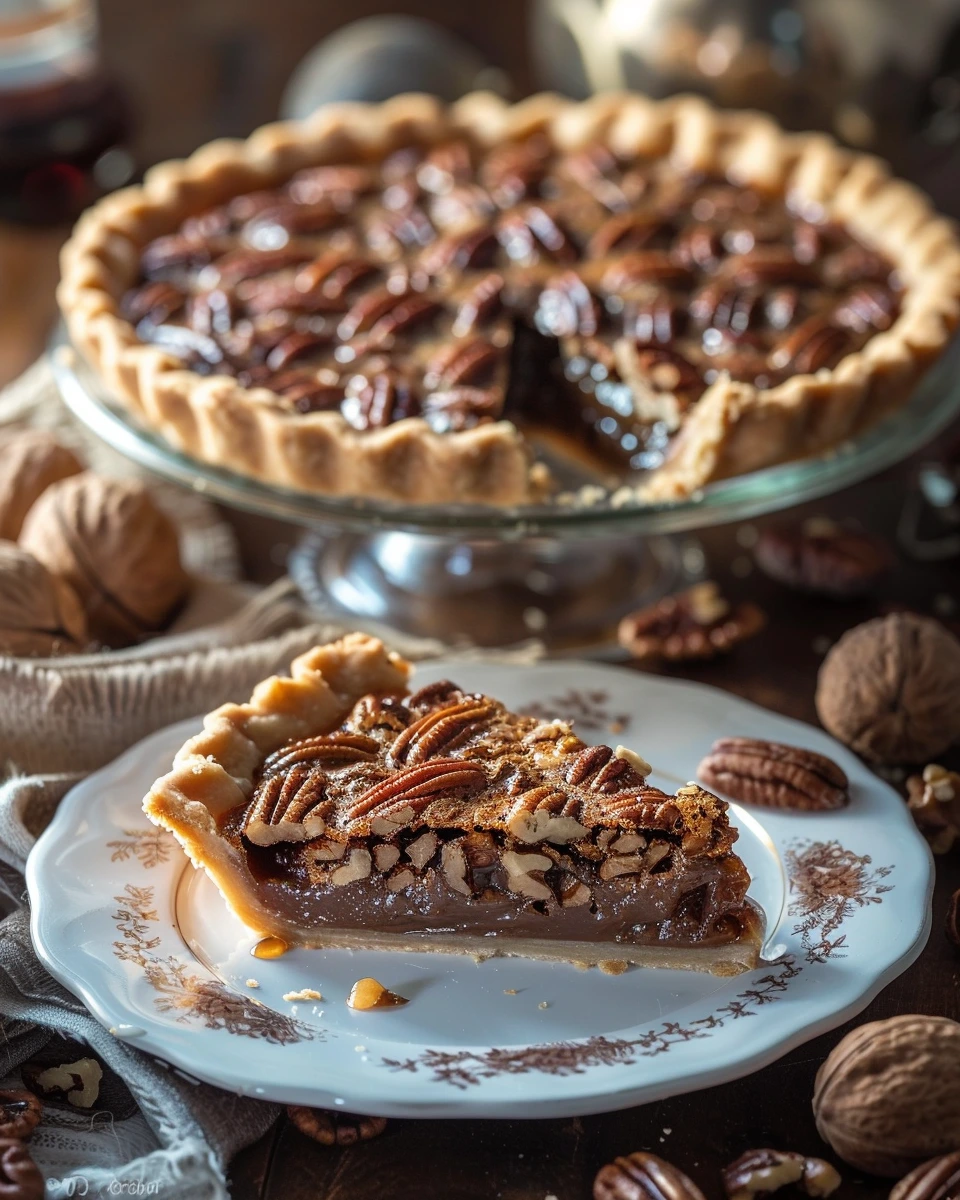
Pecan pie is a comparatively modern American dessert. Pecans are native to North America and were long used by Indigenous peoples, but recipes recognisable as pecan pie became widespread in the late nineteenth and early twentieth centuries. Corn-syrup manufacturers later promoted a standardised version that helped establish it as a Southern holiday classic. The pie combines crisp, aromatic pecans with a soft filling that sets somewhere between custard and caramel. The challenge is to cook the centre fully without burning the nuts or toughening the crust. A little salt and vanilla prevent the sweetness from becoming flat. Pecan pie is strongly associated with Thanksgiving, Christmas and Southern hospitality. Texas, Georgia and other pecan-growing states claim particular affection for it. Variations add bourbon, chocolate or maple, but the classic version keeps pecans prominent across the surface.
Historical background
Pecan pie is a comparatively modern American dessert. Pecans are native to North America and were long used by Indigenous peoples, but recipes recognisable as pecan pie became widespread in the late nineteenth and early twentieth centuries. Corn-syrup manufacturers later promoted a standardised version that helped establish it as a Southern holiday classic.
Why it is famous
The pie combines crisp, aromatic pecans with a soft filling that sets somewhere between custard and caramel. The challenge is to cook the centre fully without burning the nuts or toughening the crust. A little salt and vanilla prevent the sweetness from becoming flat.
Cultural significance
Pecan pie is strongly associated with Thanksgiving, Christmas and Southern hospitality. Texas, Georgia and other pecan-growing states claim particular affection for it. Variations add bourbon, chocolate or maple, but the classic version keeps pecans prominent across the surface.