Chivito a la Llama: the story on the plate
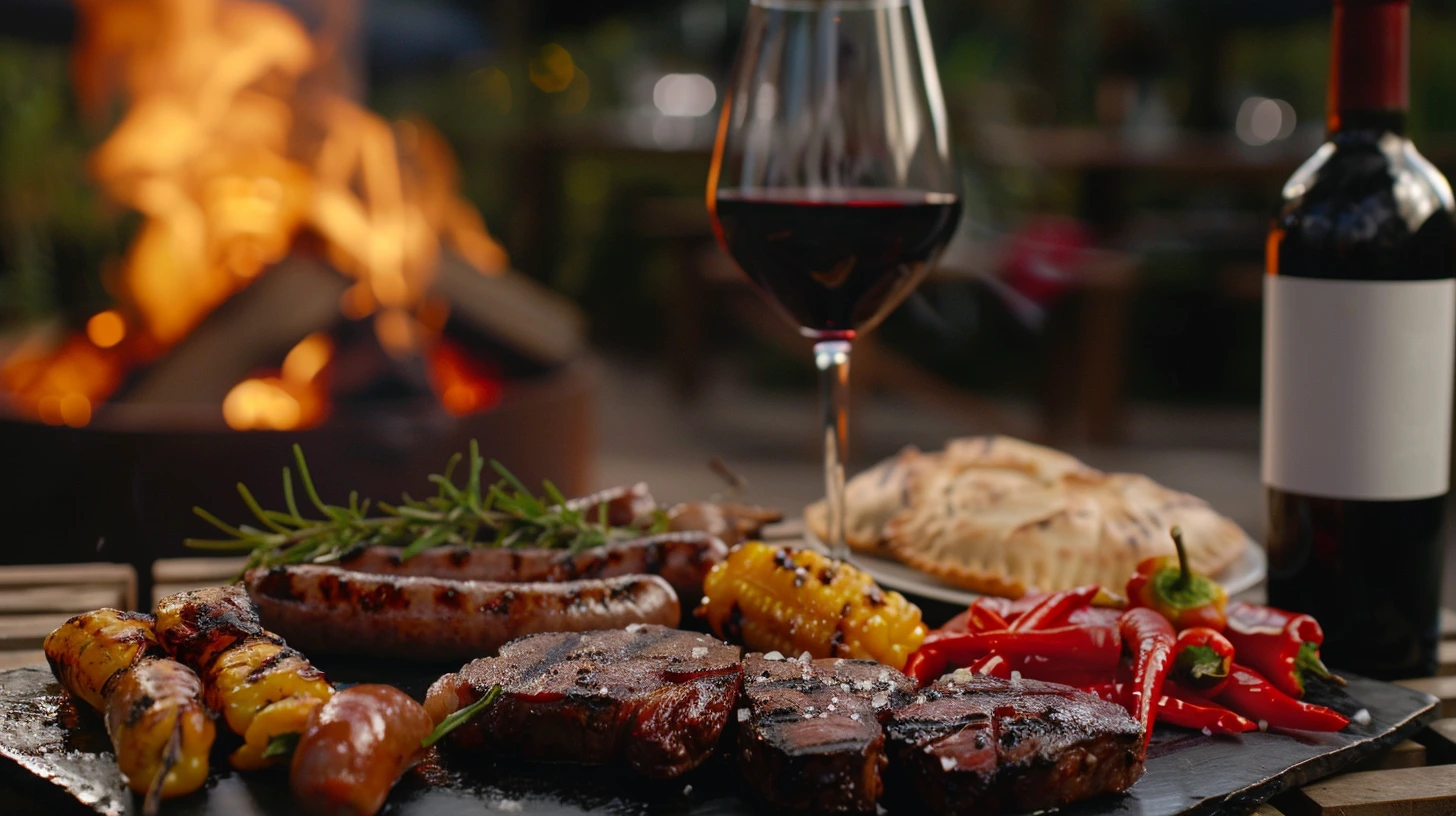
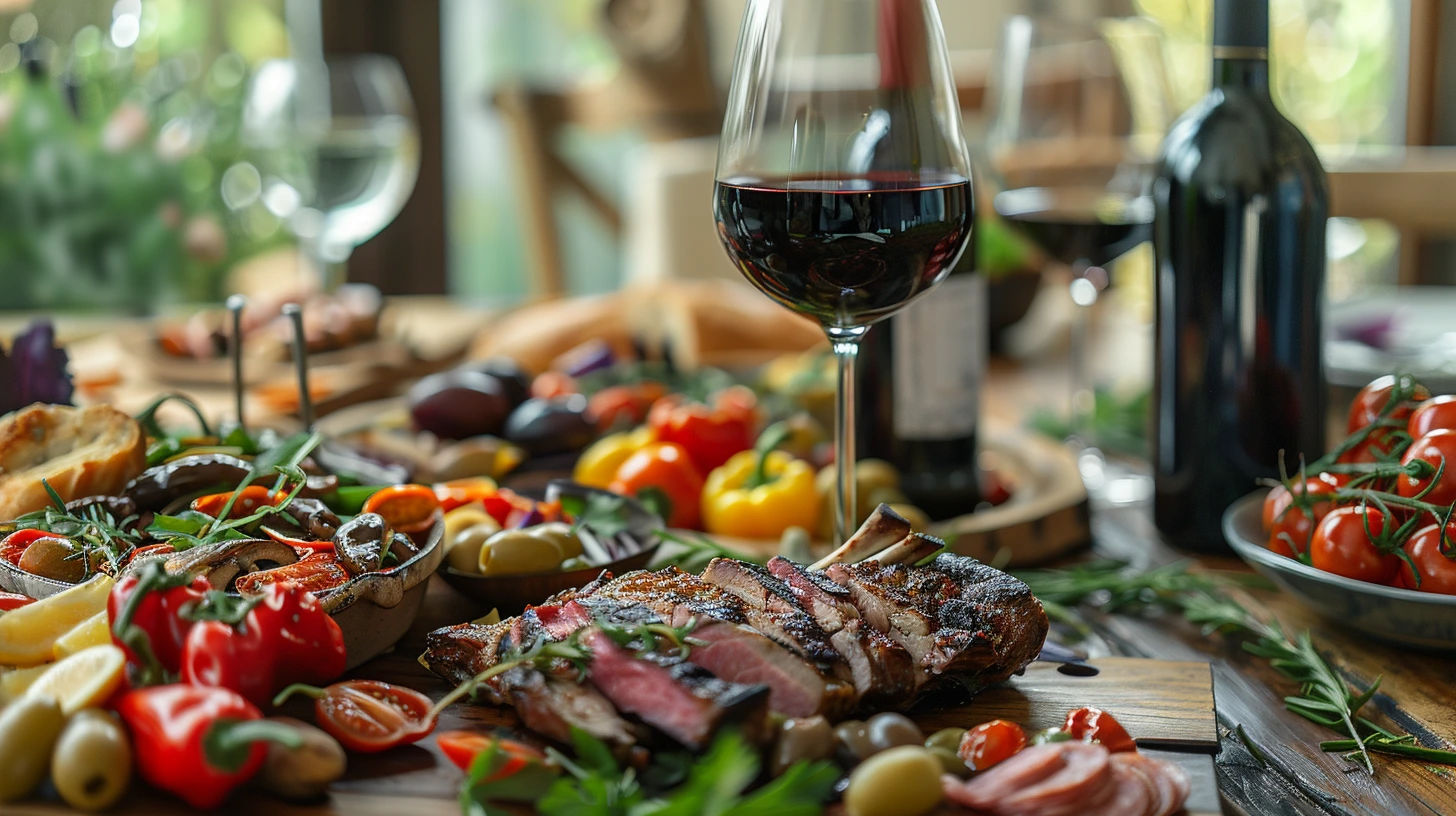
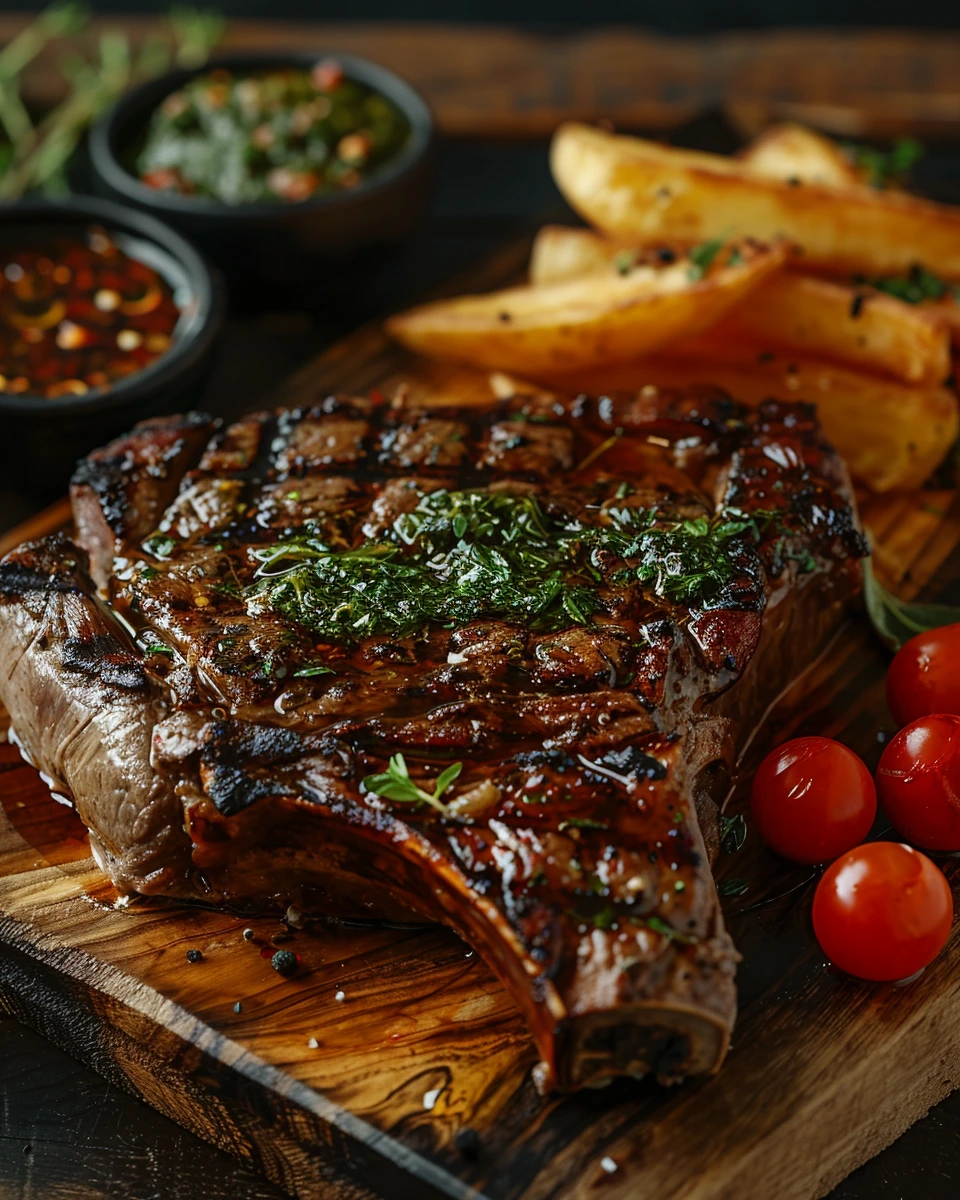
Goat has a long place in the dry northern and western regions of Argentina, where the animal thrives in landscapes less suited to cattle. Cooking it beside an open fire uses the same asador logic applied to Patagonian lamb and large beef cuts. The dish is admired for clean, slightly sweet meat, crisp skin and restrained smoke. Slow radiant heat tenderises the goat while preserving its character. Chivito a la llama is associated with rural gatherings and regional restaurants in areas such as Córdoba, Mendoza and the north-west. It highlights Argentina’s varied livestock traditions beyond beef.
Historical background
Goat has a long place in the dry northern and western regions of Argentina, where the animal thrives in landscapes less suited to cattle. Cooking it beside an open fire uses the same asador logic applied to Patagonian lamb and large beef cuts.
Why it is famous
The dish is admired for clean, slightly sweet meat, crisp skin and restrained smoke. Slow radiant heat tenderises the goat while preserving its character.
Cultural significance
Chivito a la llama is associated with rural gatherings and regional restaurants in areas such as Córdoba, Mendoza and the north-west. It highlights Argentina’s varied livestock traditions beyond beef.