Argentinian Main

Bife de Chorizo con Chimichurri

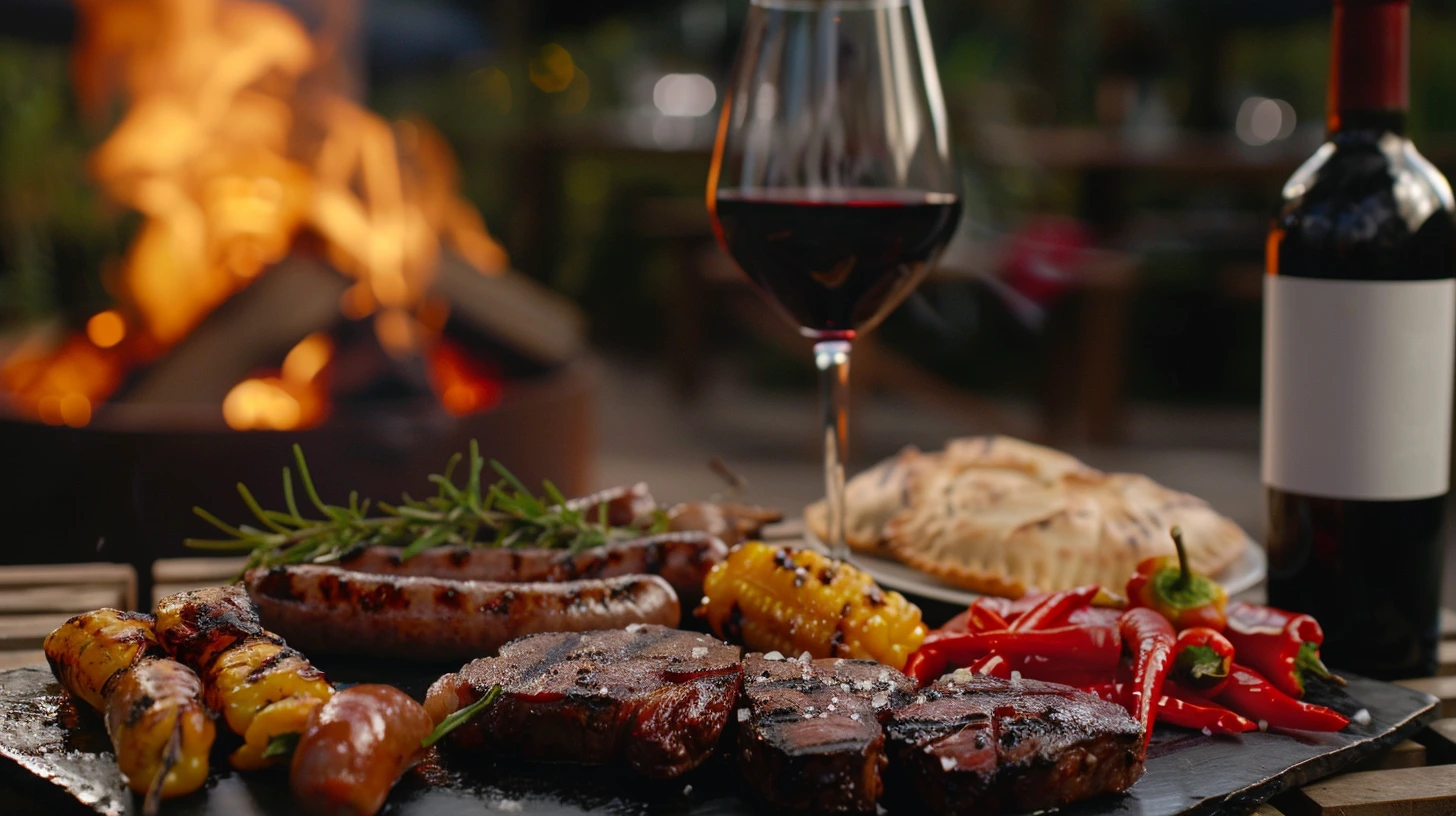
Thick sirloin steaks grilled hard and served with fresh chimichurri.

10 minsPrep time
15 minsCook time
Serves 2Servings
EasyDifficulty
Bife de Chorizo con Chimichurri
About this dish

Bife de Chorizo con Chimichurri: the story on the plate

Bife de chorizo is one of Argentina’s great steak cuts: thick, simple and beef-first, needing only heat, salt, rest and a bright herb sauce.

Historical background

Bife de Chorizo con Chimichurri belongs to Argentina’s layered food history, where indigenous ingredients, Spanish colonial cooking, Italian migration, gaucho fire culture and regional produce created dishes with strong local identity.

Why it is famous

Bife de Chorizo con Chimichurri is worth including because it shows a different side of Argentinian cuisine: not just steak, but technique, place, migration, family cooking and the habit of sharing food generously.

Cultural significance

In Argentina this dish works as main food for family tables, bodegones, cafés, asado gatherings or regional celebrations depending on the setting.

Nutrition

Estimated nutrition per serving

Useful for meal planning and calorie-aware recipe browsing.

720Calories
46gProtein
6gCarbs
56gFat

Estimated from recipe type and ingredient list; review before publishing formal nutritional claims.

Ingredients

What you need

  • 1 thick sirloin steaks
  • coarse salt
  • black pepper
  • 1 olive oil
  • 2 chimichurri
Method

Step-by-step method

Follow the recipe in order, tasting and adjusting seasoning where needed.

  1. Trim only loose sinew and excess surface fat. Pat the meat dry, then season generously with coarse salt shortly before cooking; slice vegetables or garnishes separately.
  2. Prepare a two-zone grill with glowing embers rather than high flames, aiming for medium heat around 180-220°C at the grate.
  3. Cook thicker cuts slowly away from direct flame and thinner steaks over stronger heat. Turn only when the surface releases and the colour is well developed.
  4. Rest the meat for 5-10 minutes, then carve across the grain into clean slices.
  5. Serve with chimichurri, salsa criolla, bread, potatoes or salad, keeping sauce on the side.
Cook smarter

Tips, storage and serving advice

Shopping tips

For Argentinian recipes, buy good beef where the cut matters, use fresh parsley and oregano for chimichurri, choose proper dulce de leche for desserts, and look for seasonal corn, squash, trout or lamb for regional dishes.

Ingredient quality

Keep the defining ingredient honest: beef should be well marbled, cheese should melt cleanly, corn should be sweet, pasta dough should be rested, and dulce de leche should taste of milk caramel rather than plain sugar.

Common mistakes

Common mistakes are rushing fire cooking, slicing steak with the grain, overfilling empanadas, making chimichurri too oily, boiling seafood harshly, or using thin caramel sauce where thick dulce de leche is needed.

Chef’s tips

Taste for salt, acidity and richness at the end. Argentinian food is often simple, so balance matters more than heavy spicing.

How to know it is cooked

The dish is ready when the main ingredient reaches the named texture: meat tender or juicy, pastry golden, stew thick, pasta just cooked, fish barely opaque, or dessert fully set.

Plating advice

Serve generously and simply: grilled dishes with chimichurri, stews in deep bowls, pasta with enough sauce to coat, and dulce de leche desserts with clean visible layers.

Make ahead

Many fillings, stews, sauces and desserts can be made ahead. Grilled meat, fried seafood, provoleta and fresh pancakes are best finished close to serving.

Storage and reheating

Cool leftovers quickly and store covered in the fridge. Keep seafood no more than 1 day, meat dishes 2–3 days, and dulce de leche desserts according to their dairy content. Reheat stews gently with a splash of water or stock. Re-crisp pastries in an oven. Avoid over-reheating steak, fish and seafood.

Wine pairing

What to drink with Bife de Chorizo con Chimichurri

Pairings are chosen around the dish’s flavour, texture, richness, acidity and cooking style — not just the country it comes from.

Malbec wine pairing
#1 Great match Red

Malbec

Why it works: Chosen to match traditional Argentinian flavours: grill smoke, beef, corn, cheese, seafood, pasta or dulce de leche depending on the dish.

Plush, dark red with blackberry, plum, cocoa and smooth tannins. Excellent with beef, charred meat, pies and smoky dishes.

GrapeMalbec
RegionMendoza, Cahors
Wine flavourblackberry, plum, cocoa, violet
Serve at16-18°C
  • Flavour bridge: The wine style bridges richness with freshness and regional identity.
  • Acidity: Acidity refreshes the palate and balances fat, pastry, cheese or sweetness.
  • Body: Body is matched to the weight of the dish.
  • Tannin: Tannin is strongest for grilled beef and softer for fish, cheese or sweets.
  • Sweetness: Sweetness is kept dry for savoury food and sweeter for desserts.
  • Best for: Use as a helpful wine-style suggestion rather than a strict rule.
Sauvignon Blanc wine pairing
#1 Great match White

Sauvignon Blanc

Why it works: Sauvignon Blanc mirrors herbs and citrus while its acidity suits green vegetables, fresh cheese and shellfish.

Zesty white wine with lemon, gooseberry, grass and herb notes. It refreshes green vegetables, goat cheese, seafood and herb-led dishes.

GrapeSauvignon Blanc
RegionLoire, Marlborough, Bordeaux, Chile
Wine flavourlemon, gooseberry, grass, passion fruit, herbs
Serve at7-9°C
  • Flavour bridge: citrus and herbal notes echo the dish
  • Acidity: High acidity matches lemon and fresh herbs.
  • Body: Light body suits delicate ingredients.
  • Tannin: Low tannin is seafood-friendly.
  • Sweetness: Dry style preserves freshness.
  • Best for: A credible food-led pairing for this recipe.
Grüner Veltliner wine pairing
#1 Great match White

Grüner Veltliner

Why it works: Grüner Veltliner offers pepper, citrus and firm acidity that pair naturally with Austrian, pork, herb and vegetable-led dishes.

Peppery, citrusy white with high acidity and a savoury snap. Brilliant with vegetables, pork, fried dishes, herbs and awkward wine-pairing foods.

GrapeGrüner Veltliner
RegionWachau, Kamptal, Kremstal
Wine flavourlime, green apple, white pepper, lentil, herbs
Serve at8-10°C
  • Flavour bridge: white pepper and herbs mirror seasoning
  • Acidity: High acidity cuts frying and pork fat.
  • Body: Light-medium body suits veal and vegetables.
  • Tannin: Low tannin.
  • Sweetness: Dry finish keeps the match precise.
  • Best for: A credible food-led pairing for this recipe.
Provence Rosé wine pairing
#1 Great match Rosé

Provence Rosé

Why it works: Dry rosé combines red-fruit flavour with white-wine freshness, working well with grilled food, tomatoes, peppers and robust seafood.

Pale, dry rosé with red berries, citrus and herbs. Flexible with Mediterranean dishes, grilled vegetables, seafood and summer food.

GrapeGrenache, Cinsault, Syrah, Mourvèdre
RegionProvence, Languedoc, Navarra
Wine flavourstrawberry, citrus, herbs, melon
Serve at8-10°C
  • Flavour bridge: red berries bridge tomato and char
  • Acidity: Bright acidity handles tomato and oil.
  • Body: Light-medium body suits grilled dishes.
  • Tannin: Low tannin.
  • Sweetness: Dry style remains refreshing.
  • Best for: A credible food-led pairing for this recipe.

These are wine-style pairings, so you can choose any bottle in that style rather than needing one exact producer. Look for the grape, region or style name on the label.

Bottle suggestions

Specific wines to try

These are individual wines already linked to this recipe.