Greek Dessert

Baklava

Baklava is a traditional Greek dessert with a memorable texture, a sense of occasion and the sweet finish that makes the cuisine feel complete.

30 minsPrep time
40 minsCook time
Serves 8Servings
HardDifficulty
Baklava
About this dish

Baklava: the story on the plate

Baklava is more than a dessert: it is a route into Greek island and mainland cooking, shaped by olive oil, herbs, grains, yoghurt and the Aegean table. The dish is built around olive oil, lemon, herbs, feta, vegetables, lamb, fish and honey, giving it a flavour that feels both practical and deeply connected to its origin. It works especially well for sunny lunches, mezze-style meals and generous family cooking, and it gives readers a clear way to understand how ingredients, technique and food history meet on the plate. Baklava is a celebration of texture and flavour, known across Greece for its sticky, crunchy indulgence.

Historical background

Baklava belongs to the wider story of Greek island and mainland cooking, shaped by olive oil, herbs, grains, yoghurt and the Aegean table. It reflects how local ingredients, cooking equipment, trade routes, seasonality and household traditions turned everyday food into recognisable national or regional identity.

Why it is famous

Baklava is famous because it captures something people associate with Greek food: recognisable ingredients, a clear cooking style and a flavour that feels strongly tied to place.

Cultural significance

In a menu, Baklava helps explain Greek cooking through taste rather than theory. It can sit beside other dishes from the same country to create a fuller cultural food journey.

Nutrition

Estimated nutrition per serving

Useful for meal planning and calorie-aware recipe browsing.

520Calories
9gProtein
64gCarbs
26gFat

Estimated from recipe type and current ingredient text; review before publishing formal nutritional claims.

Ingredients

What you need

  • 12 phyllo sheets
  • 200 chopped walnuts
  • 100 butter
  • 1 cinnamon
  • 100 honey
  • 100 sugar
  • 50 water
  • 1 lemon slice
Method

Step-by-step method

Follow the recipe in order, tasting and adjusting seasoning where needed.

  1. Layer phyllo and butter in a pan, sprinkle nuts and cinnamon between layers.
  2. Bake at 180°C for 35–40 minutes.
  3. Boil syrup ingredients and pour over hot baklava.
Cook smarter

Tips, storage and serving advice

Shopping tips

Buy the best version of the defining ingredient you can afford. Fresh herbs, good dairy, ripe produce, quality meat or seafood and proper bread or pastry make a noticeable difference.

Ingredient quality

Prioritise freshness, correct seasoning and authentic core ingredients. Where substitutions are needed, protect the main flavour and texture of the original dish.

Common mistakes

Do not rush the foundation of the dish. Under-seasoning, overcrowding the pan, using weak stock or poor-quality core ingredients will make the final result feel flat.

Chef’s tips

Taste as you go, season in layers and give the dish enough resting or cooling time where appropriate. Presentation should support the food story rather than distract from it.

How to know it is cooked

The dish is ready when the key texture is correct: tender meat or vegetables, cooked pastry or grains, a sauce that coats properly, or a dessert that has set while still feeling pleasant to eat.

Plating advice

Serve in a way that suits the origin of the dish: rustic bowls for comfort food, generous platters for sharing dishes, clean plates for elegant classics and small portions for rich desserts.

Make ahead

Prepare components ahead where possible. Many sauces, braises, soups, pastries and desserts benefit from resting, chilling or reheating gently before serving.

Storage and reheating

Cool leftovers quickly, cover well and refrigerate. Most cooked dishes are best eaten within 2 to 3 days, while delicate salads, fried items and seafood are best served fresh. Reheat gently until piping hot throughout, adding a splash of water, stock, milk or sauce if the dish has thickened. Avoid aggressive heat for dairy, seafood and delicate desserts.

Wine pairing

What to drink with Baklava

Pairings are chosen around the dish’s flavour, texture, richness, acidity and cooking style — not just the country it comes from.

#1 Excellent match Dessert

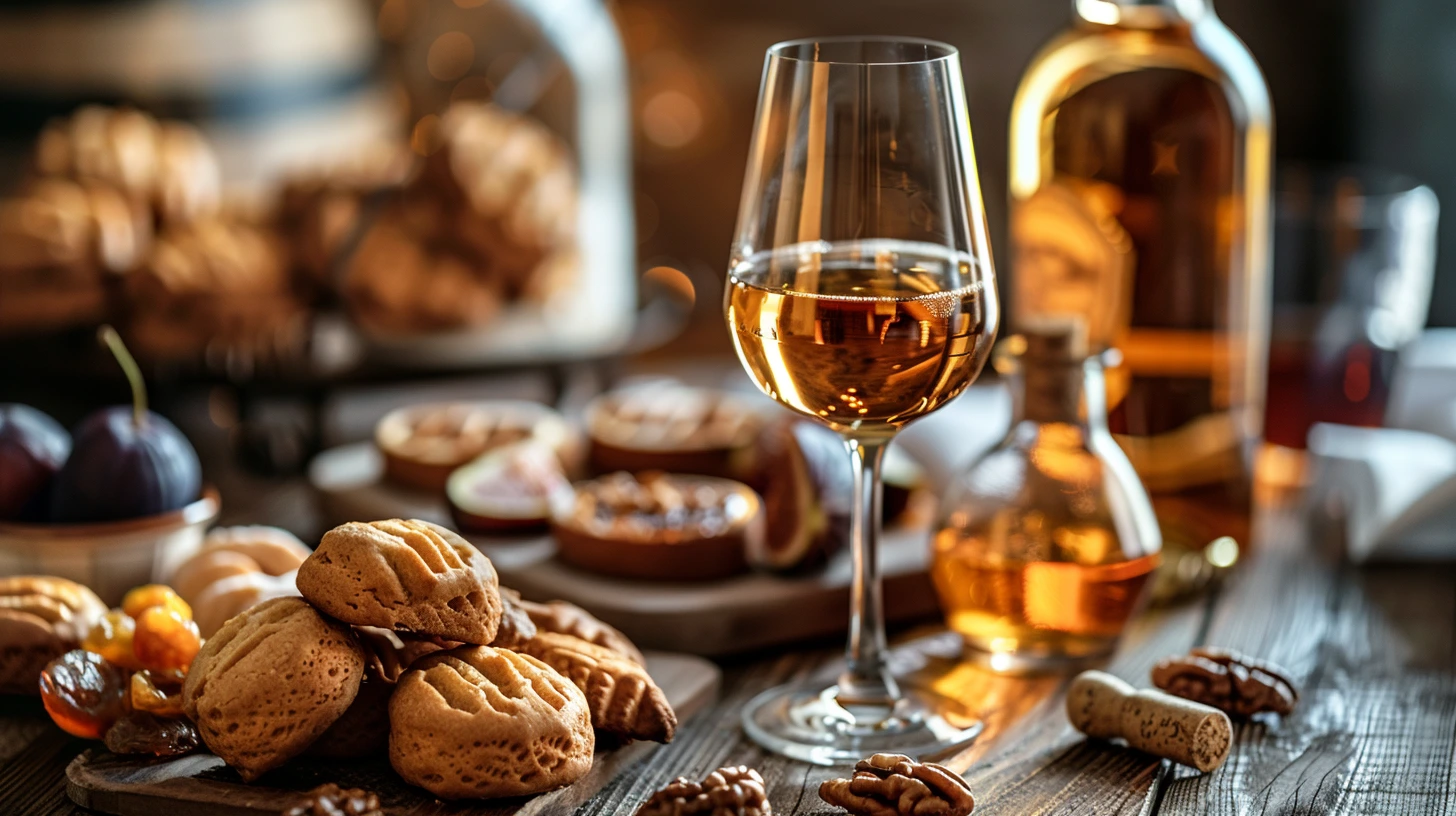
Sweet Muscat

Why it works: Sweet Muscat suits Baklava because honey, pastry and nuts need sweetness rather than dry acidity.

Fragrant sweet wine with orange blossom, grape, peach and honey. Best with pastries, custards, fruit desserts and lighter cakes.

GrapeMuscat Blanc, Moscatel, Muscat of Alexandria
RegionRutherglen, Beaumes-de-Venise, Setúbal, Asti
Wine flavourorange blossom, grape, peach, honey
Serve at7-10°C
  • Flavour bridge: orange blossom and honey notes echo syrup and pastry
  • Acidity: balanced
  • Body: medium
  • Tannin: low
  • Sweetness: sweet
  • Best for: Dinner or recipe pairing
#2 Great match Dessert

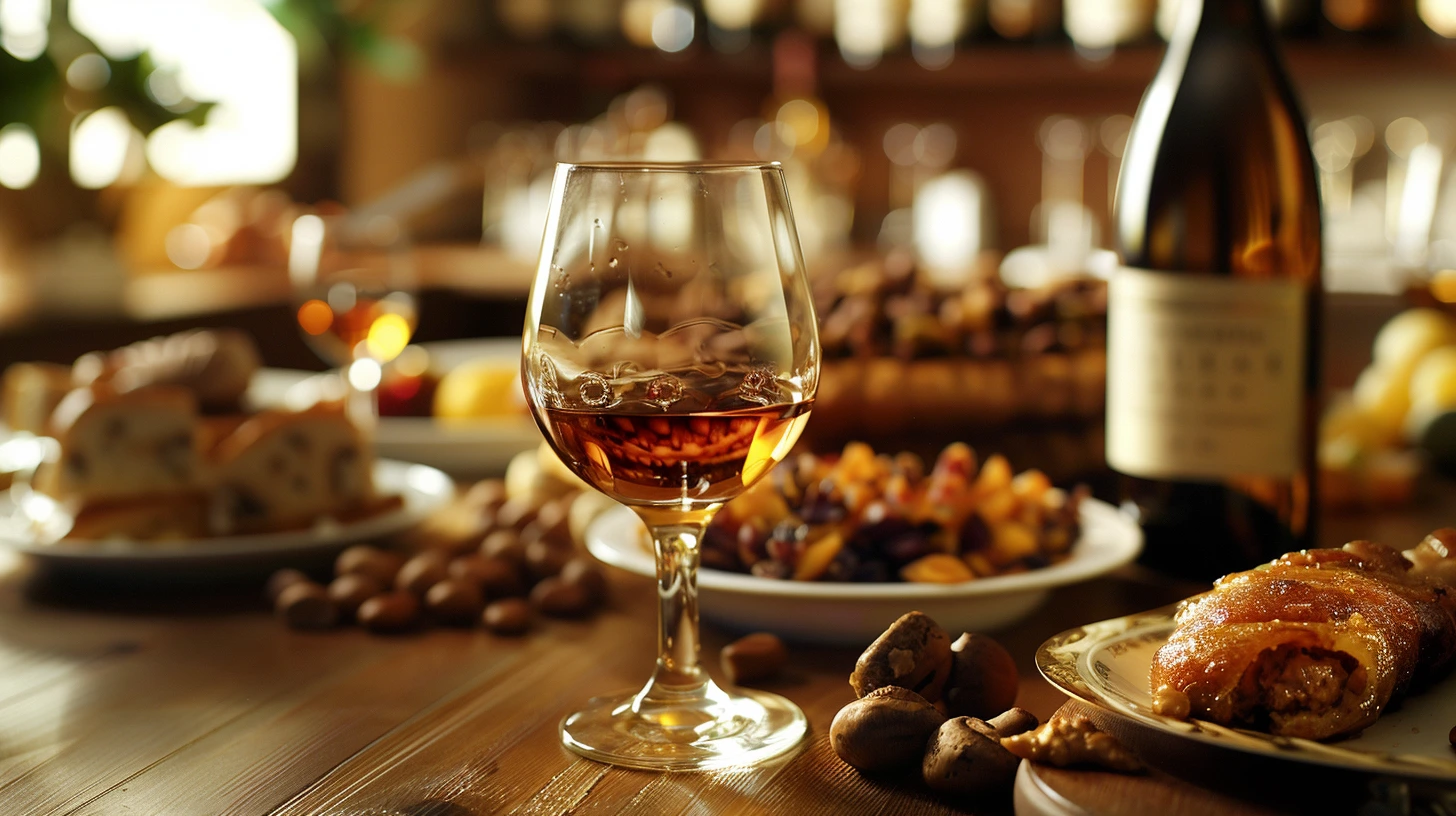
Sauternes / Botrytised Sweet Wine

Why it works: A botrytised sweet wine gives a richer option for custard, honey and nut desserts.

Luscious sweet wine with apricot, honey, marmalade and balancing acidity. Good with custards, fruit tarts, blue cheese and foie gras.

GrapeSémillon, Sauvignon Blanc, Muscadelle
RegionSauternes, Barsac, Monbazillac, Tokaj-inspired regions
Wine flavourapricot, honey, marmalade, saffron
Serve at8-10°C
  • Flavour bridge: honeyed fruit meets sweet pastry
  • Acidity: balanced
  • Body: balanced
  • Tannin: food-friendly
  • Sweetness: dry unless noted
  • Best for: Dinner or recipe pairing

These are wine-style pairings, so you can choose any bottle in that style rather than needing one exact producer. Look for the grape, region or style name on the label.