Italian Main

Agnolotti del Plin

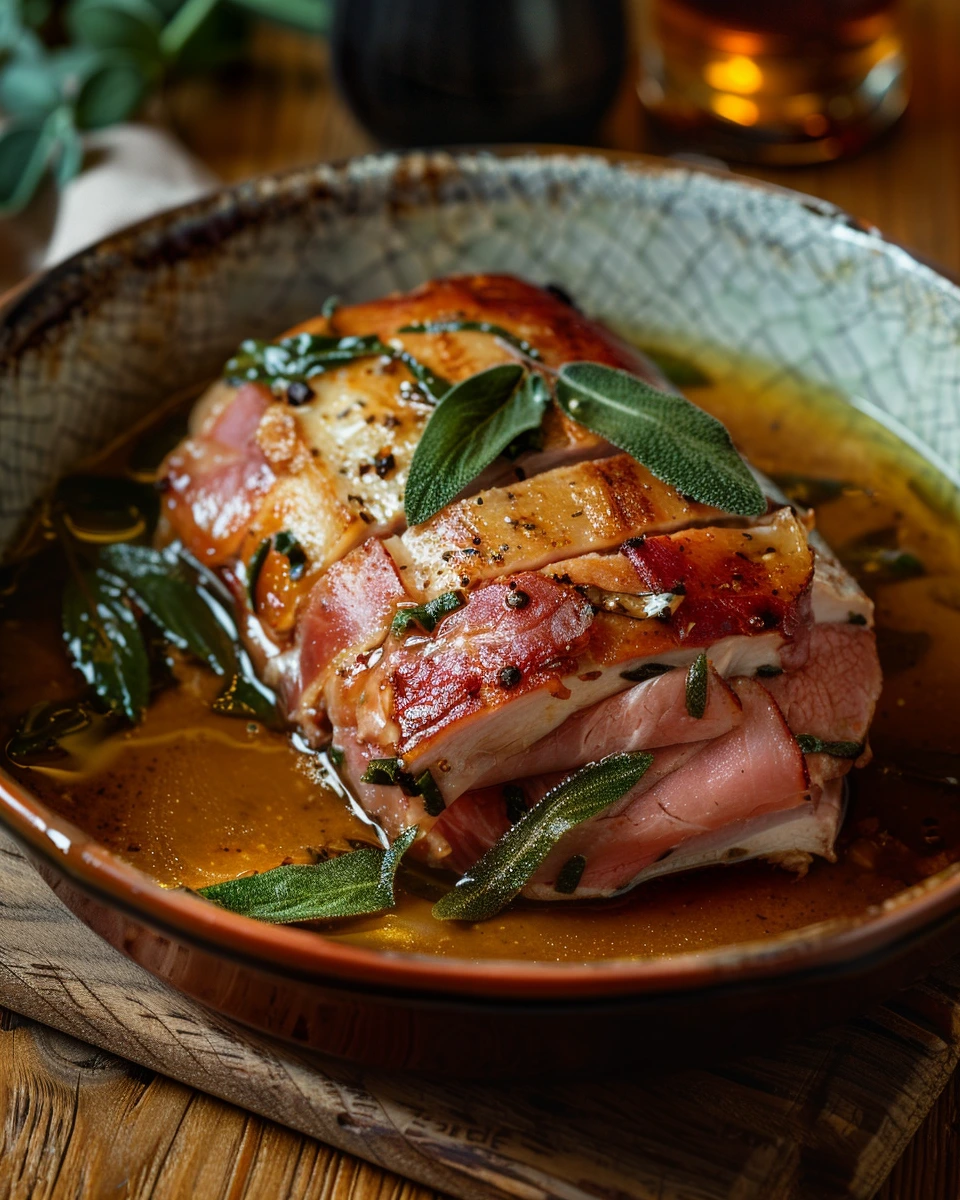
Tiny pinched Piedmontese pasta parcels filled with slow-cooked meat, greens, egg and Parmigiano Reggiano, finished simply with butter and sage.

1 hr 15 minsPrep time
1 hr 10 minsCook time
Serves 2Servings
HardDifficulty
Agnolotti del Plin
About this dish

Agnolotti del Plin: the story on the plate

Agnolotti del Plin comes from Piedmont and takes its name from the small pinch used to seal each pasta parcel. The traditional filling is built from slow-cooked meats, greens, egg and Parmigiano Reggiano, then served simply with butter and sage or the roasting juices so the pasta remains the centre of the dish.

Historical background

Agnolotti del Plin belongs to Piedmont, where filled pasta was traditionally a way to turn roasted or braised meats into a refined fresh pasta dish. The word plin refers to the pinch used to seal each parcel.

Why it is famous

It is famous because the shape is small, delicate and unmistakably regional. It shows a different side of Italian pasta from long dried shapes and tomato sauces.

Cultural significance

In Piedmont, agnolotti del plin is associated with skilled home cooking, Sunday meals, regional restaurants and menus built around careful fresh pasta making.

Nutrition

Estimated nutrition per serving

Useful for meal planning and calorie-aware recipe browsing.

620Calories
31gProtein
64gCarbs
26gFat

Estimated from the exact ingredient measures in the recipe text. Validate with your preferred nutrition calculator before publishing.

Ingredients

What you need

  • ingredient, For the pasta dough:
  • 150 Italian 00 flour
  • 1.5 large eggs, about 165 g without shells
  • 0.25 fine salt
  • ingredient, For the filling:
  • 75 veal shoulder, diced
  • 75 pork loin or pork shoulder, diced
  • 50 rabbit or chicken thigh, diced
  • 20 butter
  • 0.5 olive oil
  • 0.5 small onion, finely chopped
  • 0.5 small carrot, finely chopped
  • 0.5 small celery stick, finely chopped
  • 40 dry white wine
  • 60 light meat stock
  • 40 cooked spinach or chard, squeezed dry and chopped
  • 0.5 large egg
  • 25 Parmigiano Reggiano, finely grated
  • 0.5 pinch nutmeg, small pinch freshly grated nutmeg
  • 0.38 fine salt, plus more for pasta water
  • 0.13 black pepper
  • To serve:
  • 30 butter
  • 4 sage leaves
  • 15 Parmigiano Reggiano, finely grated
Method

Step-by-step method

Follow the recipe in order, tasting and adjusting seasoning where needed.

  1. 1. Make the pasta dough: Tip 300 g 00 flour onto the worktop, make a well and add 3 eggs and 1/2 tsp salt. Beat the eggs with a fork, draw in the flour, then knead for 8 to 10 minutes until smooth. Wrap and rest for 30 minutes.
  2. 2. Cook the meat filling: Warm 40 g butter and 1 tbsp olive oil in a heavy pan. Add onion, carrot and celery with a pinch of salt and cook gently for 8 minutes. Add the veal, pork and rabbit or chicken, brown lightly, then add 80 ml white wine. Reduce by half, add 120 ml stock, cover and cook gently for 45 minutes until tender.
  3. 3. Finish the filling: Cool the cooked meat mixture, then chop very finely or pulse briefly. Mix with chopped spinach or chard, 1 egg, 50 g Parmigiano Reggiano, nutmeg, salt and pepper. The filling should be moist but firm enough to spoon.
  4. 4. Roll and fill the pasta: Roll the dough into thin sheets. Place small 1/2 tsp mounds of filling in rows, fold the pasta over, press out air and pinch between each mound to form the classic plin shape. Cut into small rectangular parcels.
  5. 5. Cook the agnolotti: Bring a large pan of salted water to a gentle boil. Cook the agnolotti for 3 to 4 minutes, until tender and floating.
  6. 6. Serve with butter and sage: Melt 60 g butter with sage leaves until fragrant but not browned hard. Lift the agnolotti into the butter with a little pasta water, toss gently and serve with Parmigiano Reggiano.
Cook smarter

Tips, storage and serving advice

Shopping tips

Use good eggs, fine 00 flour, proper Parmigiano Reggiano and meat with enough flavour to survive slow cooking. Avoid watery greens.

Ingredient quality

Squeeze the cooked spinach or chard very dry. Let the meat cool before mixing with egg so the filling stays smooth.

Common mistakes

The most common mistake is trapping air inside the pasta parcels, which can make them split in the pan. Another is rolling the dough too thick.

Chef’s tips

Work in small batches so the pasta sheets do not dry out. Keep the filling mounds small because agnolotti del plin should be delicate.

How to know it is cooked

The pasta is cooked when it floats and the edges are tender but not swollen or breaking. The filling should be hot through.

Plating advice

Serve in warm shallow bowls with enough butter to gloss the pasta, not drown it.

Make ahead

The filling can be made one day ahead and chilled. Filled agnolotti can be shaped a few hours ahead on a semolina-dusted tray.

Storage and reheating

Keep uncooked filled pasta covered in the fridge for up to 12 hours. Cooked leftovers are best eaten within 1 day. Reheat gently in butter with a splash of water, but fresh cooking gives the best texture.

Wine pairing

What to drink with Agnolotti del Plin

Pairings are chosen around the dish’s flavour, texture, richness, acidity and cooking style — not just the country it comes from.

Dry Riesling wine pairing
#1 Great match White

Dry Riesling

Why it works: Dry Riesling combines piercing acidity with citrus and mineral notes that lift pork, smoke, cabbage and sweet-sour elements.

A precise, high-acid white with lime, green apple, blossom and mineral tension. It loves pork, fish, cabbage, spice and rich sauces.

GrapeRiesling
RegionMosel, Rheingau, Alsace, Clare Valley
Wine flavourlime, green apple, petrol, slate, blossom
Serve at8-10°C
  • Flavour bridge: lime and apple echo pork, smoke and cabbage
  • Acidity: High acidity balances fat and salt.
  • Body: Light body keeps the match agile.
  • Tannin: Low tannin avoids metallic clashes.
  • Sweetness: Dry profile supports savoury dishes.
  • Best for: A credible food-led pairing for this recipe.
White Burgundy / Oaked Chardonnay wine pairing
#1 Great match White

White Burgundy / Oaked Chardonnay

Why it works: Oaked Chardonnay mirrors cream, toast and butter and has enough body for rich poultry, gratins and substantial fish dishes.

Fuller Chardonnay with orchard fruit, cream, toast and hazelnut. Ideal for creamy sauces, roast poultry, rich fish and cheese dishes.

GrapeChardonnay
RegionBurgundy, California, Margaret River, South Africa
Wine flavourapple, peach, butter, toast, hazelnut
Serve at10-12°C
  • Flavour bridge: toast and orchard fruit echo browned dairy flavours
  • Acidity: Medium-high acidity prevents heaviness.
  • Body: Medium-full body matches creamy food.
  • Tannin: Low tannin suits poultry and fish.
  • Sweetness: Dry wine avoids excess sweetness.
  • Best for: A credible food-led pairing for this recipe.
Grüner Veltliner wine pairing
#1 Great match White

Grüner Veltliner

Why it works: Grüner Veltliner offers pepper, citrus and firm acidity that pair naturally with Austrian, pork, herb and vegetable-led dishes.

Peppery, citrusy white with high acidity and a savoury snap. Brilliant with vegetables, pork, fried dishes, herbs and awkward wine-pairing foods.

GrapeGrüner Veltliner
RegionWachau, Kamptal, Kremstal
Wine flavourlime, green apple, white pepper, lentil, herbs
Serve at8-10°C
  • Flavour bridge: white pepper and herbs mirror seasoning
  • Acidity: High acidity cuts frying and pork fat.
  • Body: Light-medium body suits veal and vegetables.
  • Tannin: Low tannin.
  • Sweetness: Dry finish keeps the match precise.
  • Best for: A credible food-led pairing for this recipe.
Provence Rosé wine pairing
#1 Great match Rosé

Provence Rosé

Why it works: Dry rosé combines red-fruit flavour with white-wine freshness, working well with grilled food, tomatoes, peppers and robust seafood.

Pale, dry rosé with red berries, citrus and herbs. Flexible with Mediterranean dishes, grilled vegetables, seafood and summer food.

GrapeGrenache, Cinsault, Syrah, Mourvèdre
RegionProvence, Languedoc, Navarra
Wine flavourstrawberry, citrus, herbs, melon
Serve at8-10°C
  • Flavour bridge: red berries bridge tomato and char
  • Acidity: Bright acidity handles tomato and oil.
  • Body: Light-medium body suits grilled dishes.
  • Tannin: Low tannin.
  • Sweetness: Dry style remains refreshing.
  • Best for: A credible food-led pairing for this recipe.

These are wine-style pairings, so you can choose any bottle in that style rather than needing one exact producer. Look for the grape, region or style name on the label.

Bottle suggestions

Specific wines to try

These are individual wines already linked to this recipe.