Saltimbocca alla Romana: the story on the plate
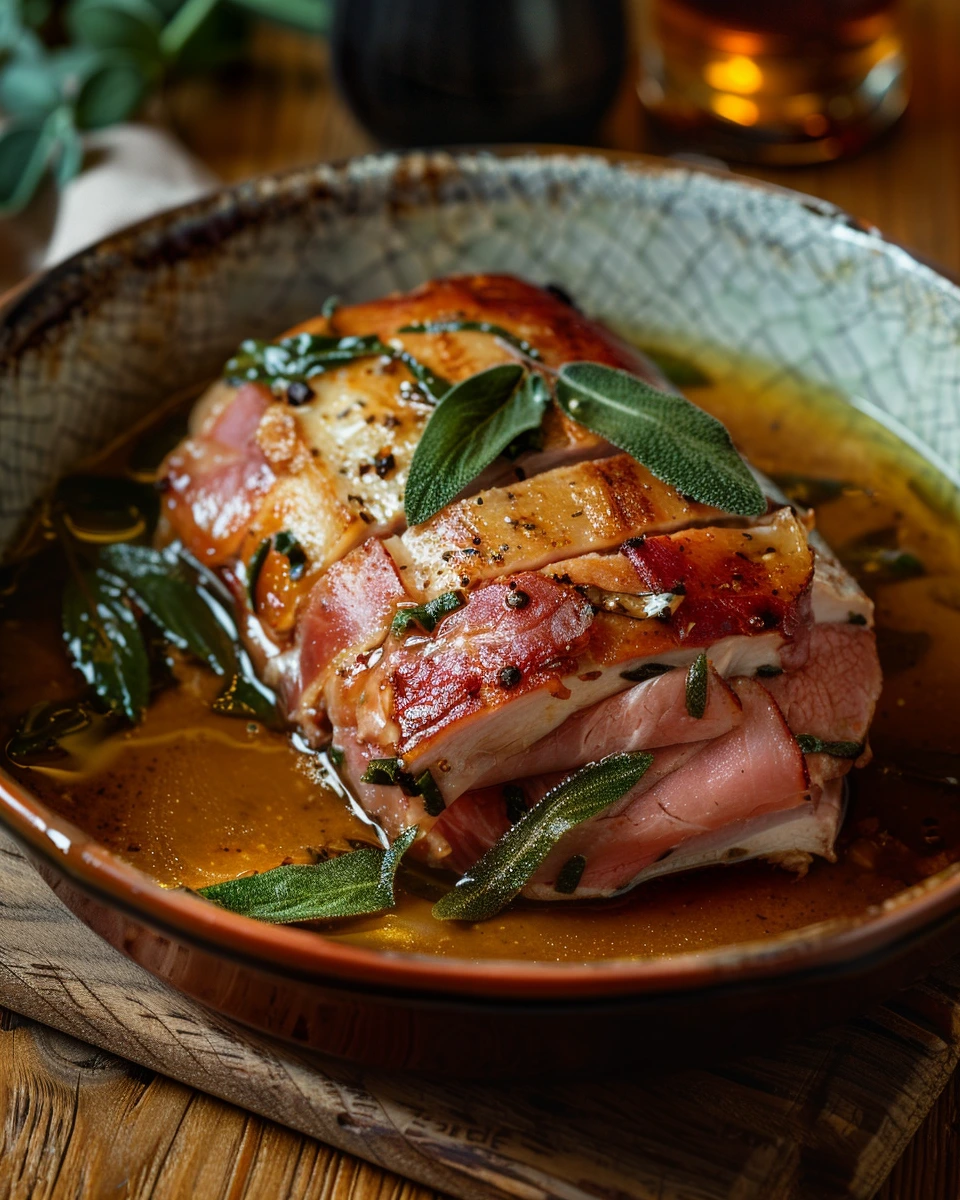
Saltimbocca alla Romana is rooted in Rome and Lazio. Saltimbocca alla romana is a Roman veal dish made with prosciutto and sage, its name loosely suggesting that it 'jumps in the mouth'. Written versions of the dish were recorded by the late nineteenth century, and it became established as a classic of Roman restaurant cooking. It is famous because three strong ingredients work in a compact preparation: tender veal, salty prosciutto and aromatic sage. A quick pan sauce made from the cooking juices adds richness without turning the dish into a long braise. Saltimbocca belongs to the tradition of Roman secondi, where meat is served as a separate main course after pasta or another primo. Its speed and elegance helped it travel well beyond Lazio while retaining a clear Roman identity.
Historical background
Saltimbocca alla romana is a Roman veal dish made with prosciutto and sage, its name loosely suggesting that it 'jumps in the mouth'. Written versions of the dish were recorded by the late nineteenth century, and it became established as a classic of Roman restaurant cooking.
Why it is famous
It is famous because three strong ingredients work in a compact preparation: tender veal, salty prosciutto and aromatic sage. A quick pan sauce made from the cooking juices adds richness without turning the dish into a long braise.
Cultural significance
Saltimbocca belongs to the tradition of Roman secondi, where meat is served as a separate main course after pasta or another primo. Its speed and elegance helped it travel well beyond Lazio while retaining a clear Roman identity.