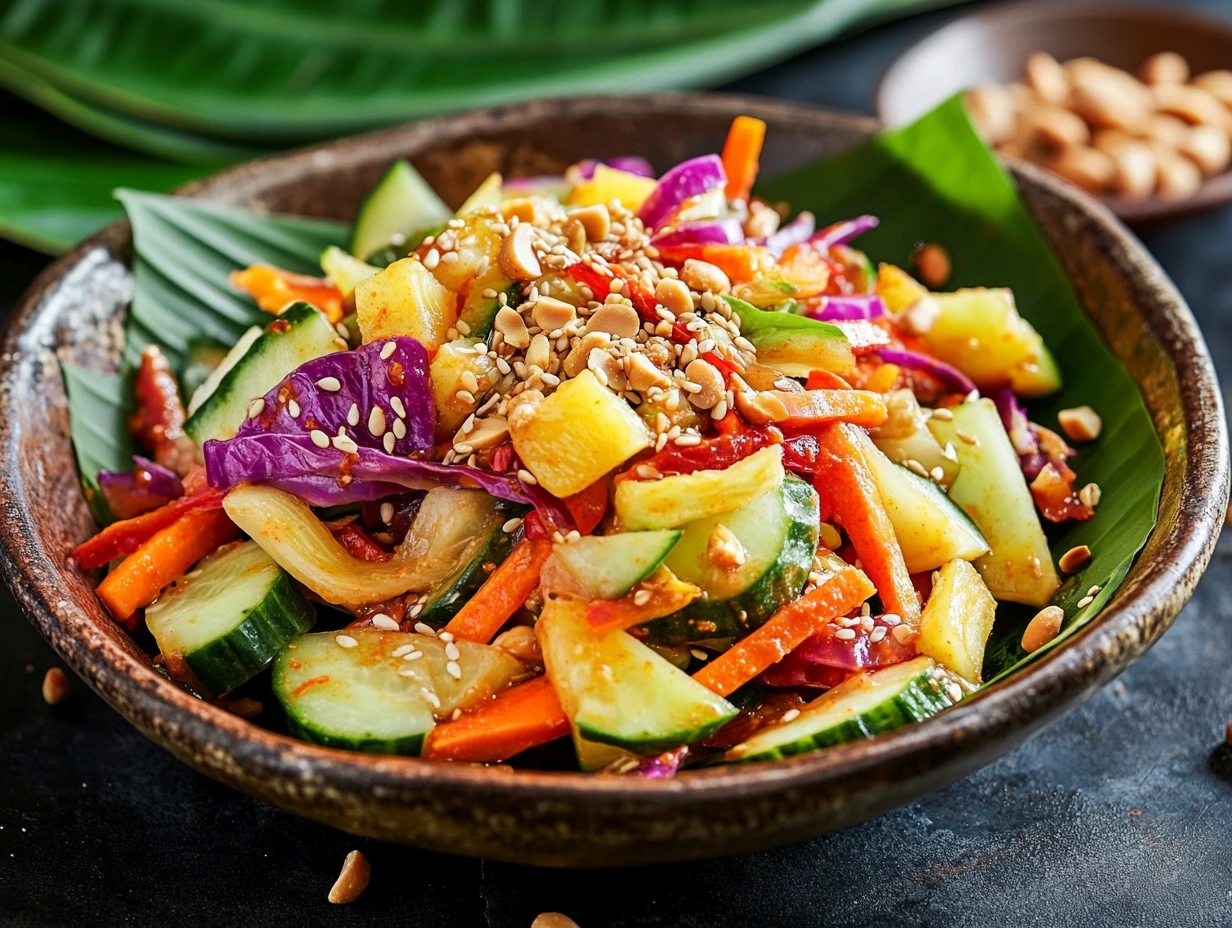
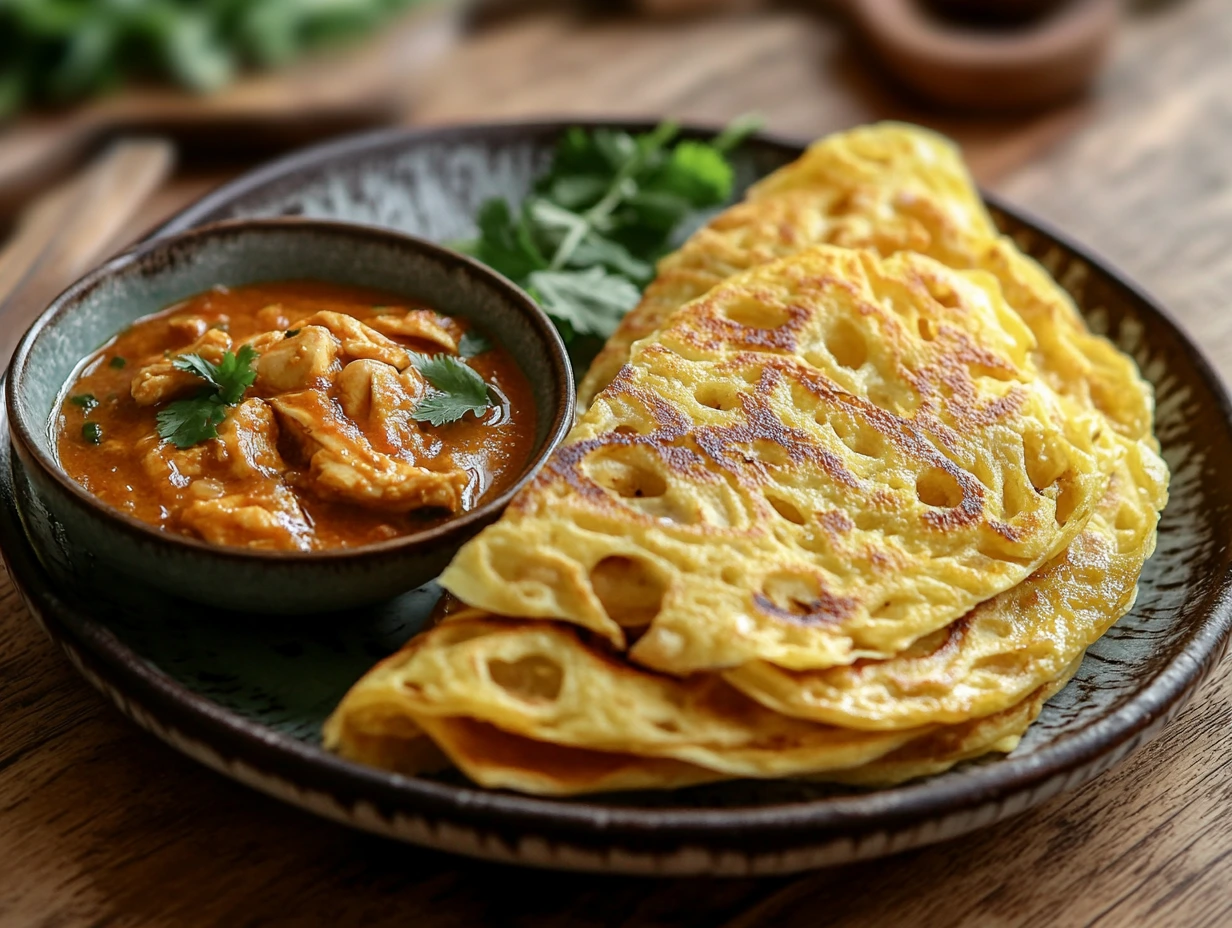
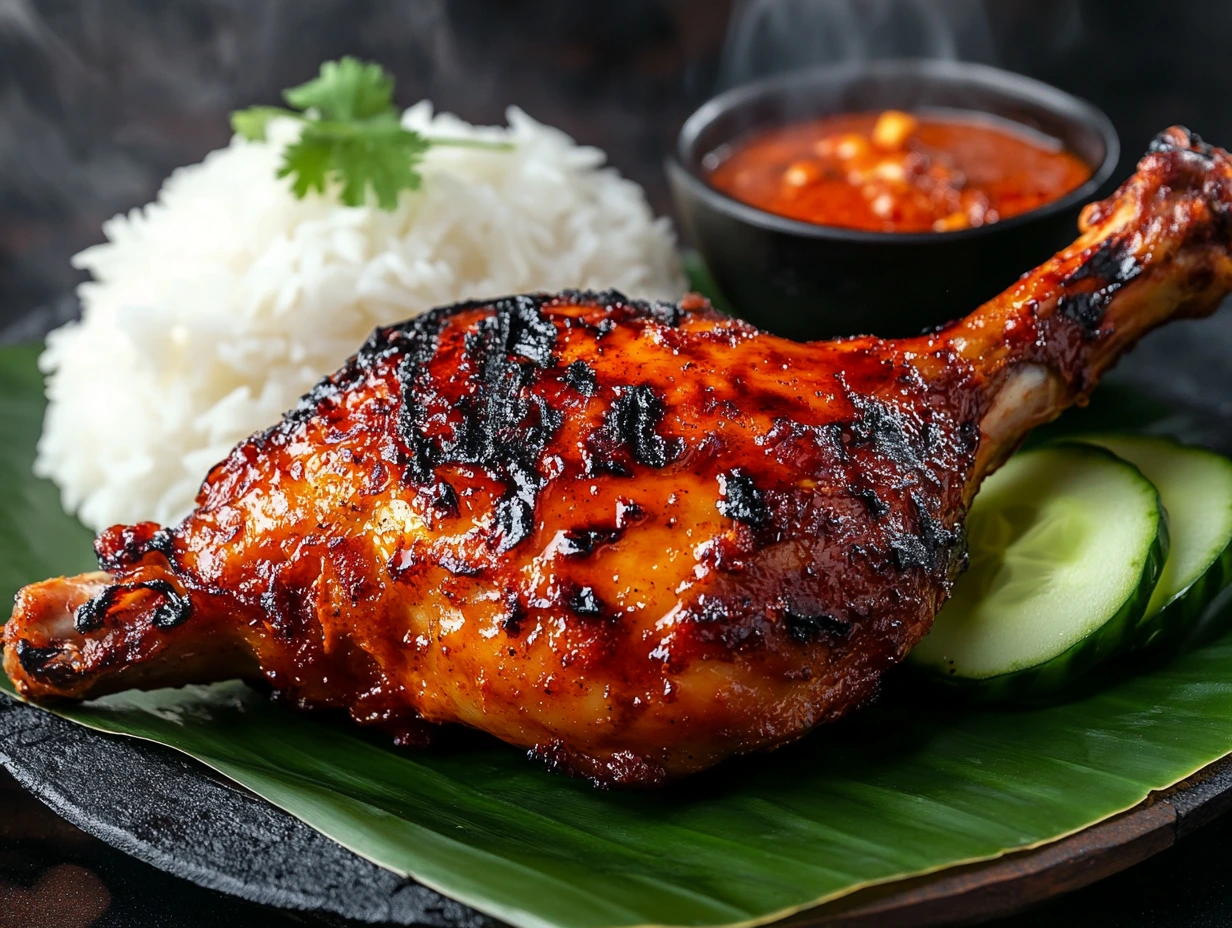
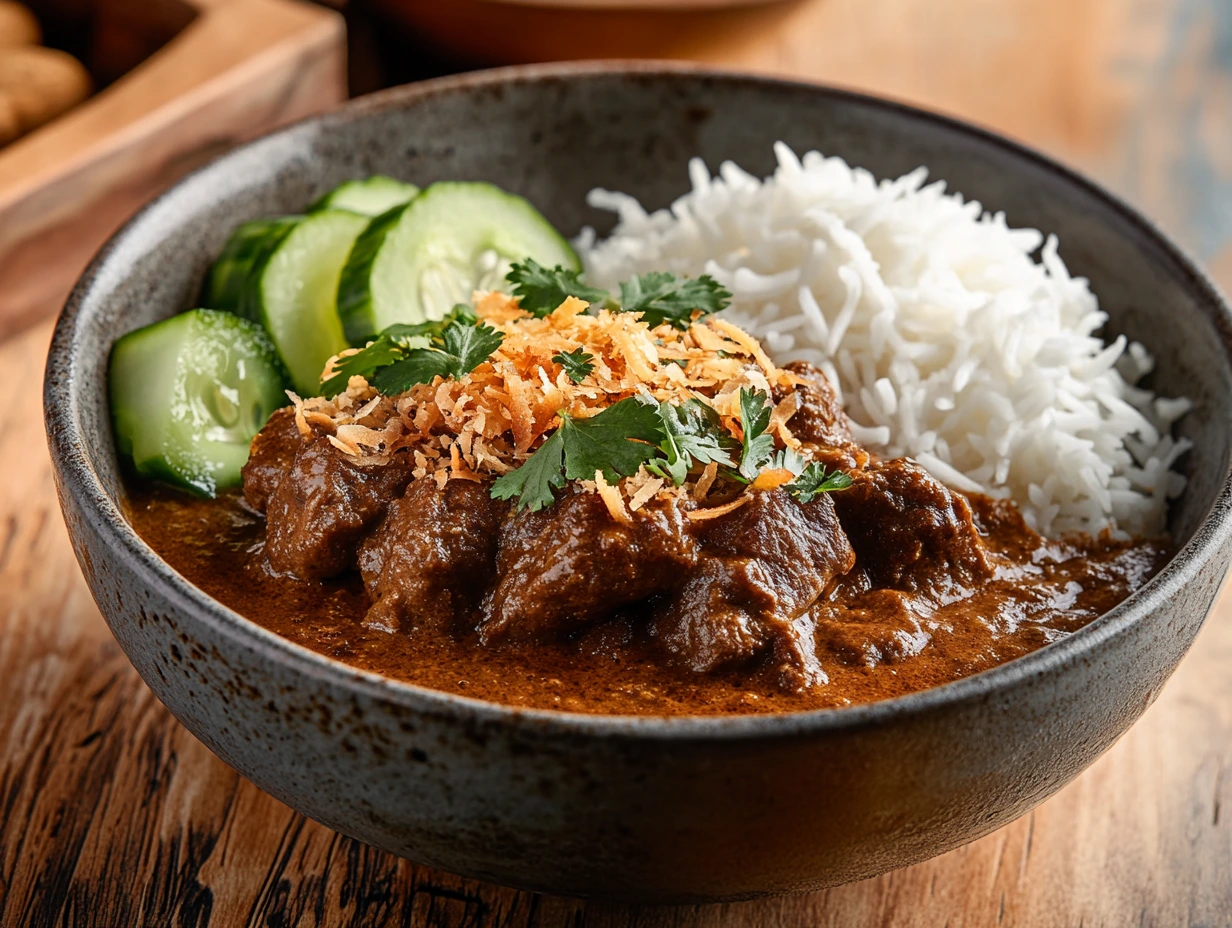
Malaysian cuisine sits at a historic maritime crossroads. Malay, Chinese and Indian traditions developed alongside Indigenous foodways in Borneo and layers of Portuguese, Dutch and British colonial history, producing one of Asia's most visibly plural food cultures.
Why it is famous
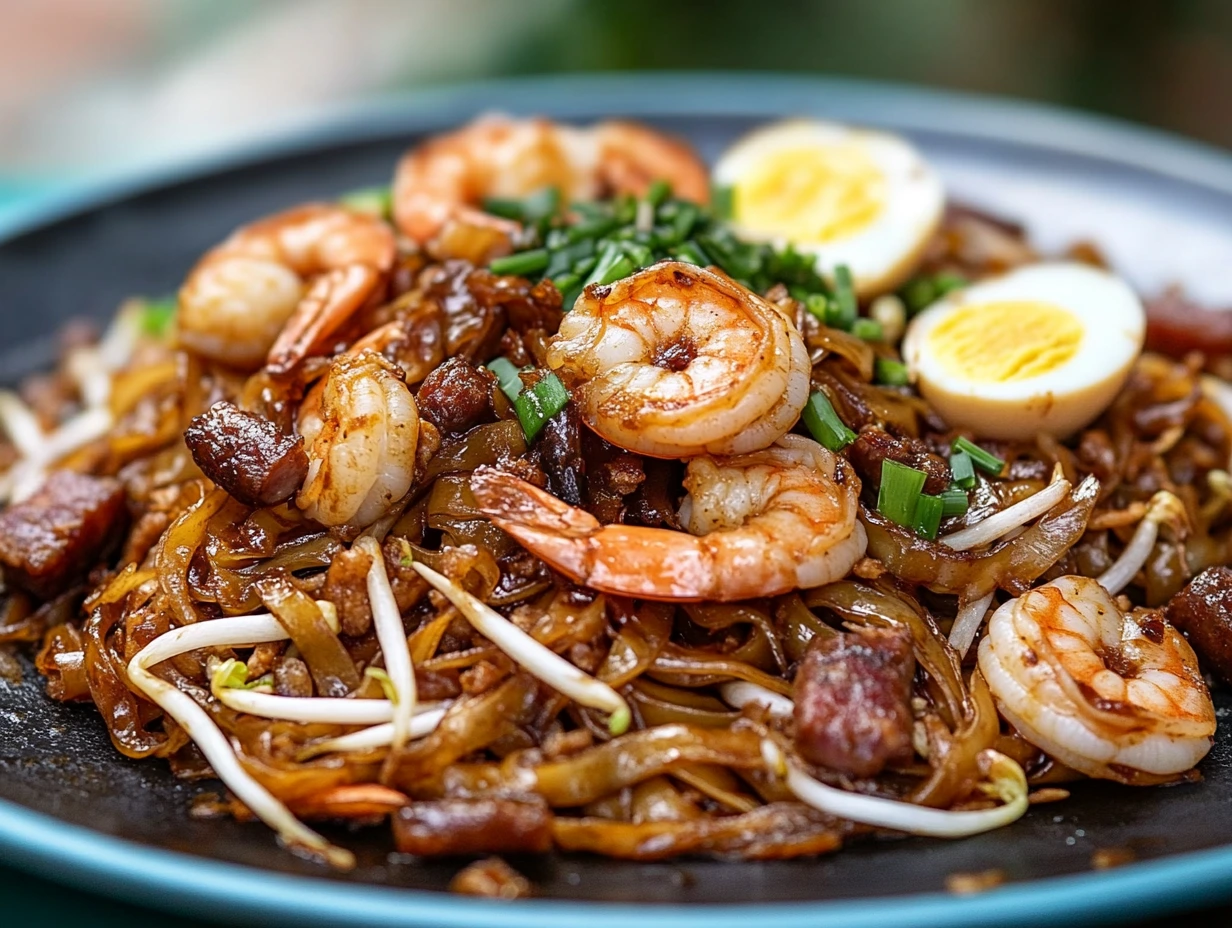
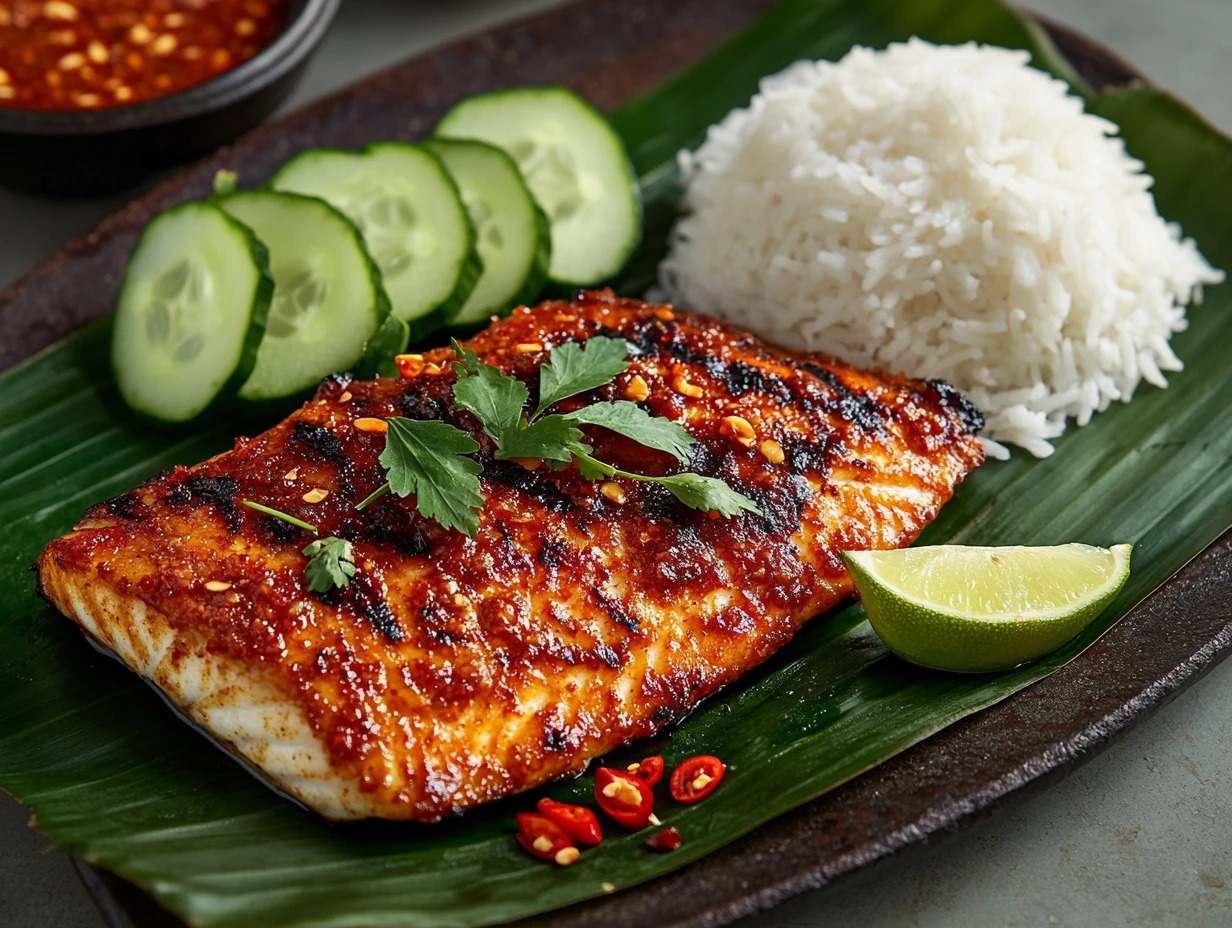
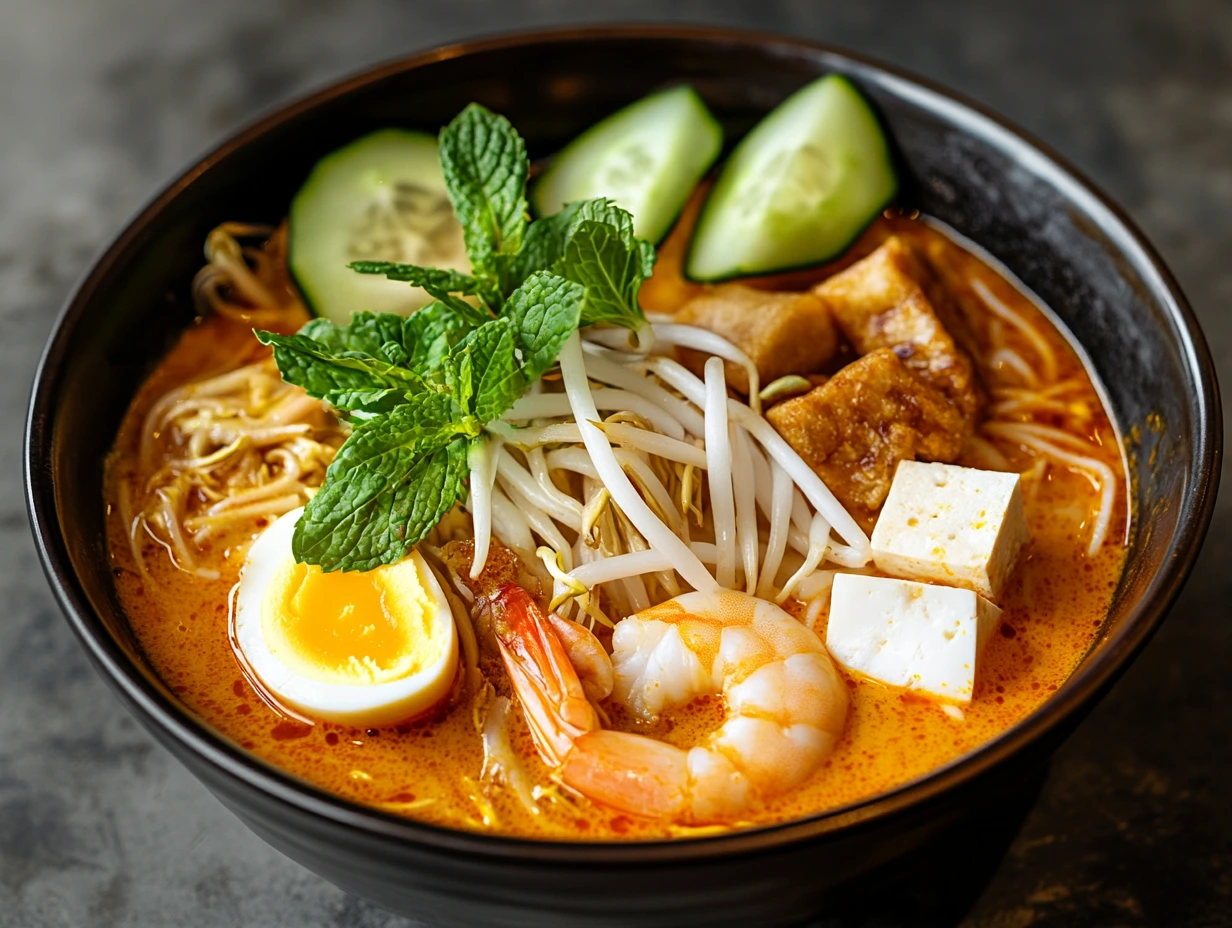
Ask what Malaysian food is famous for and the conversation quickly reaches nasi lemak, laksa, roti canai, satay, char kway teow, rendang, Hainanese chicken rice and hawker food. Those headline dishes are only the entry point: the more interesting story is how they connect to ordinary meals, local celebrations and regional cooking.
Regional food story
Penang is famous for hawker food and Chinese-Malay crosscurrents; Melaka carries strong Peranakan and Portuguese Eurasian history; the east coast has distinctive rice and fish dishes; Sabah and Sarawak contribute Indigenous Bornean ingredients and techniques.
Cook by course
Malaysian recipes
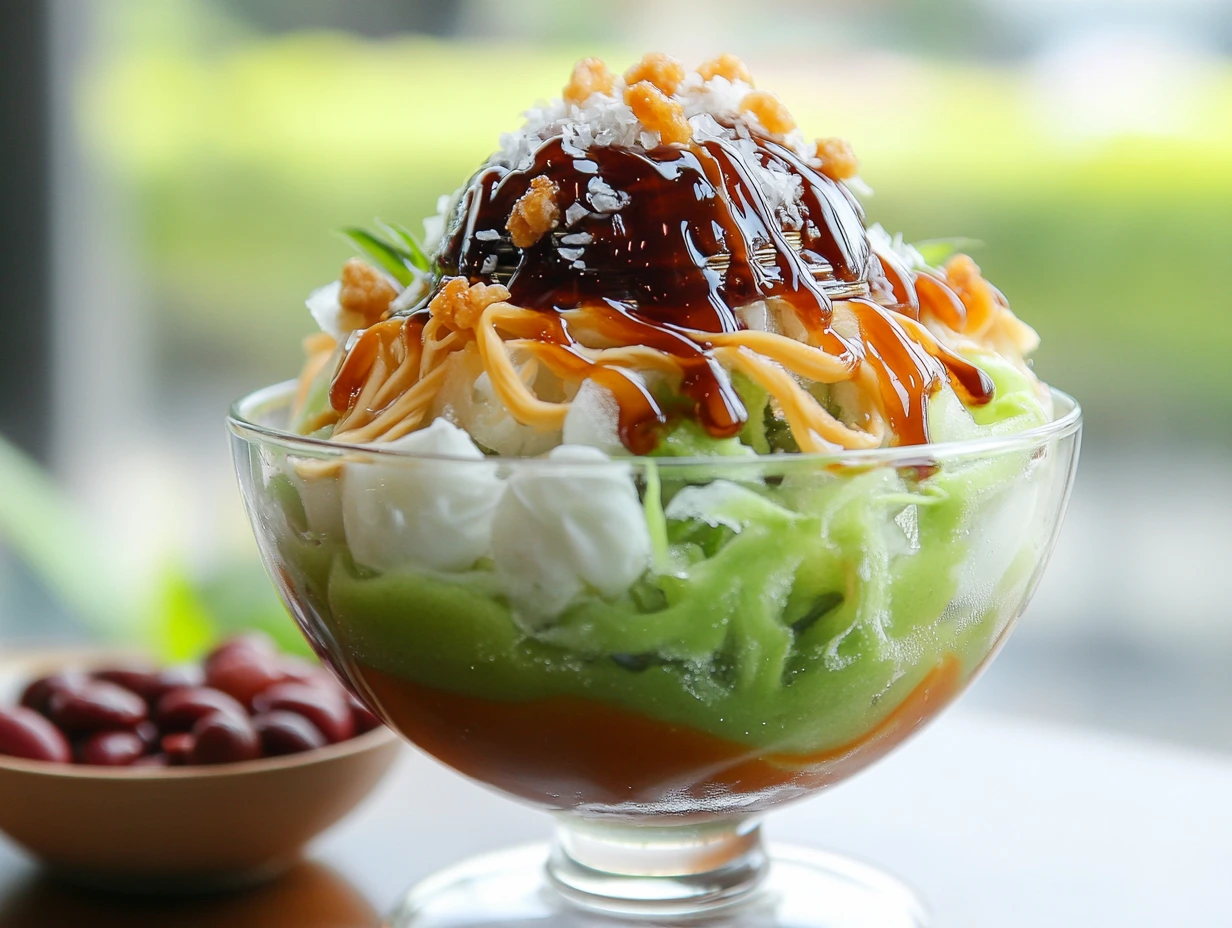
Start with a starter, choose a main, then finish with a dessert to build a complete country-inspired menu.
When pairing wine with Malaysian food, match the structure of the dish first: fresh whites for seafood and herbs, medium reds for tomato, spice or roast meat, sparkling wines for fried or salty starters, and sweet or fortified wines for desserts.
White
Dry Riesling
A precise, high-acid white with lime, green apple, blossom and mineral tension. It loves pork, fish, cabbage, spice and…
Grape: RieslingRegion: Mosel, Rheingau, Alsace, Clare Valley
White
Gewürztraminer
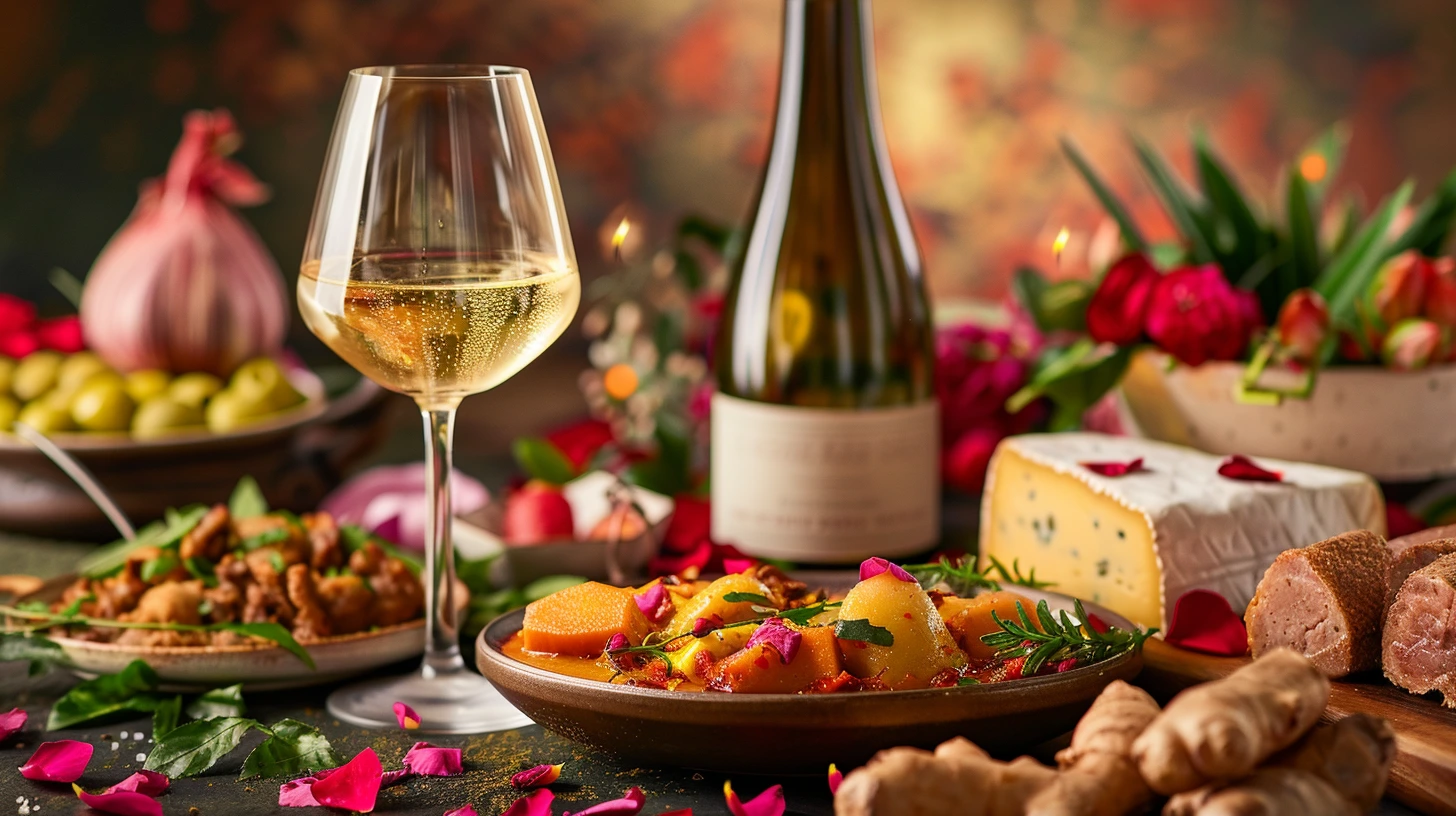
Highly aromatic white with lychee, rose, ginger and spice. Works with fragrant dishes, rich cheese and lightly sweet de…
For Malaysian recipes, start with the ingredients that carry the cuisine: staple grains or breads, fresh produce, herbs or spices, good-quality fats, regional dairy or proteins, and any preserved ingredients that give the food its identity.