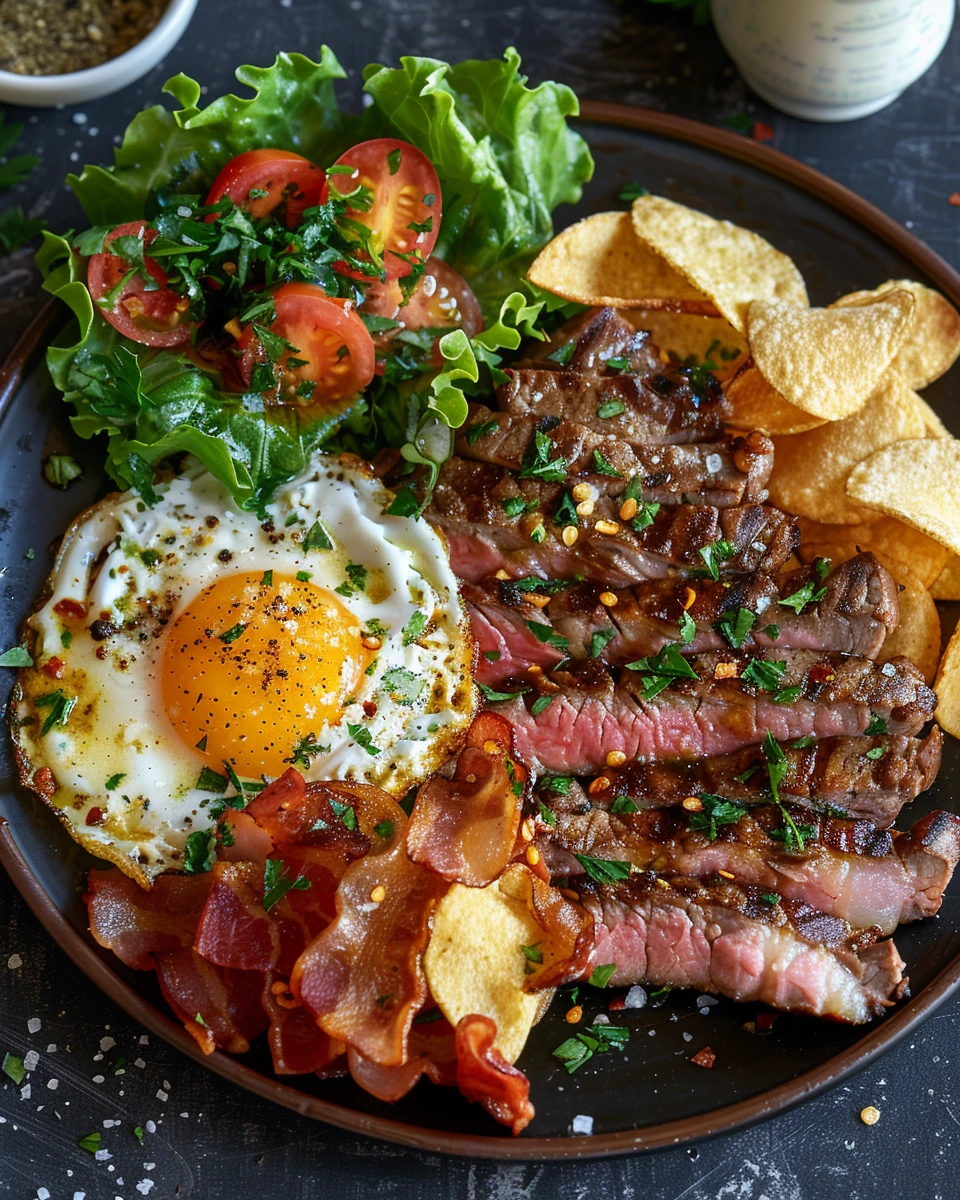
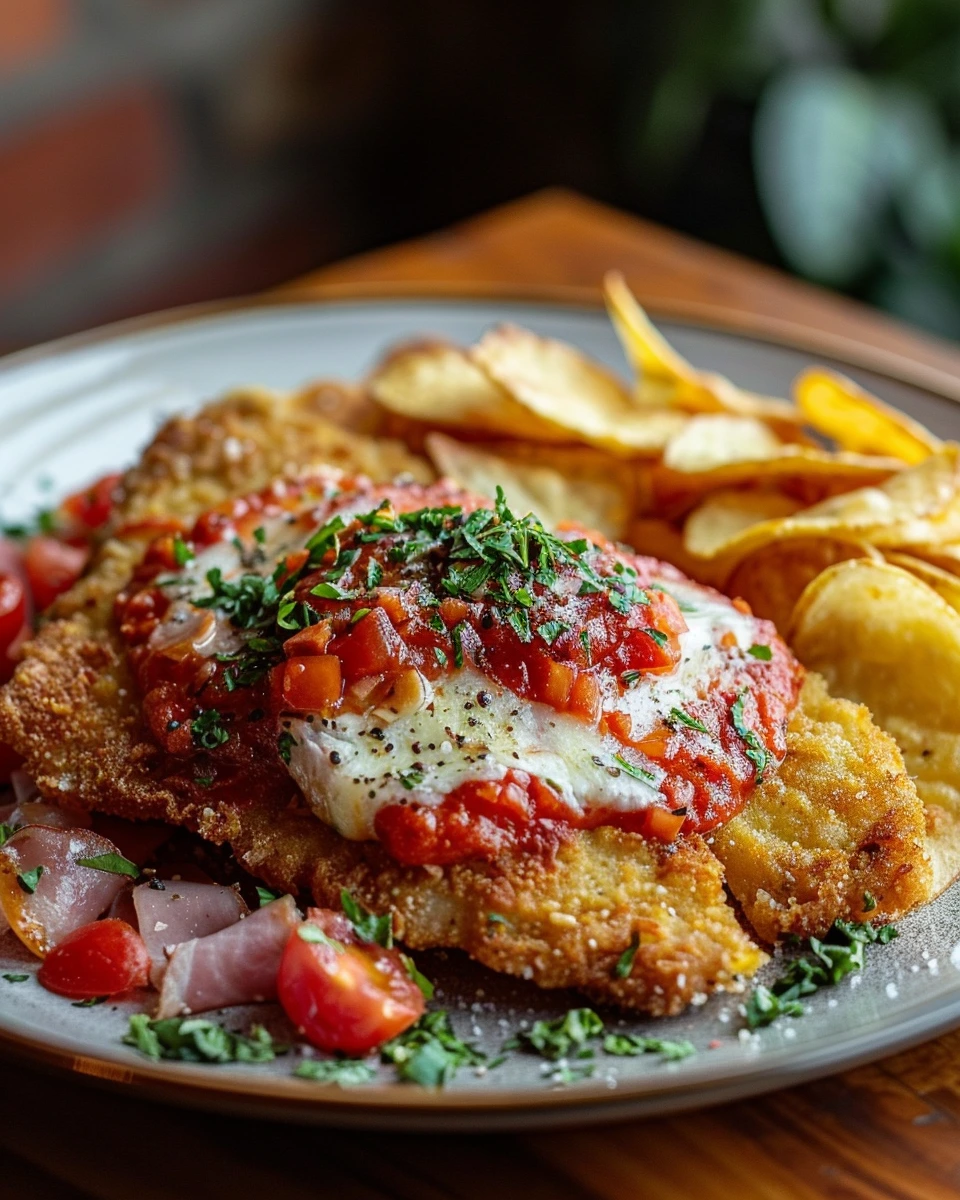
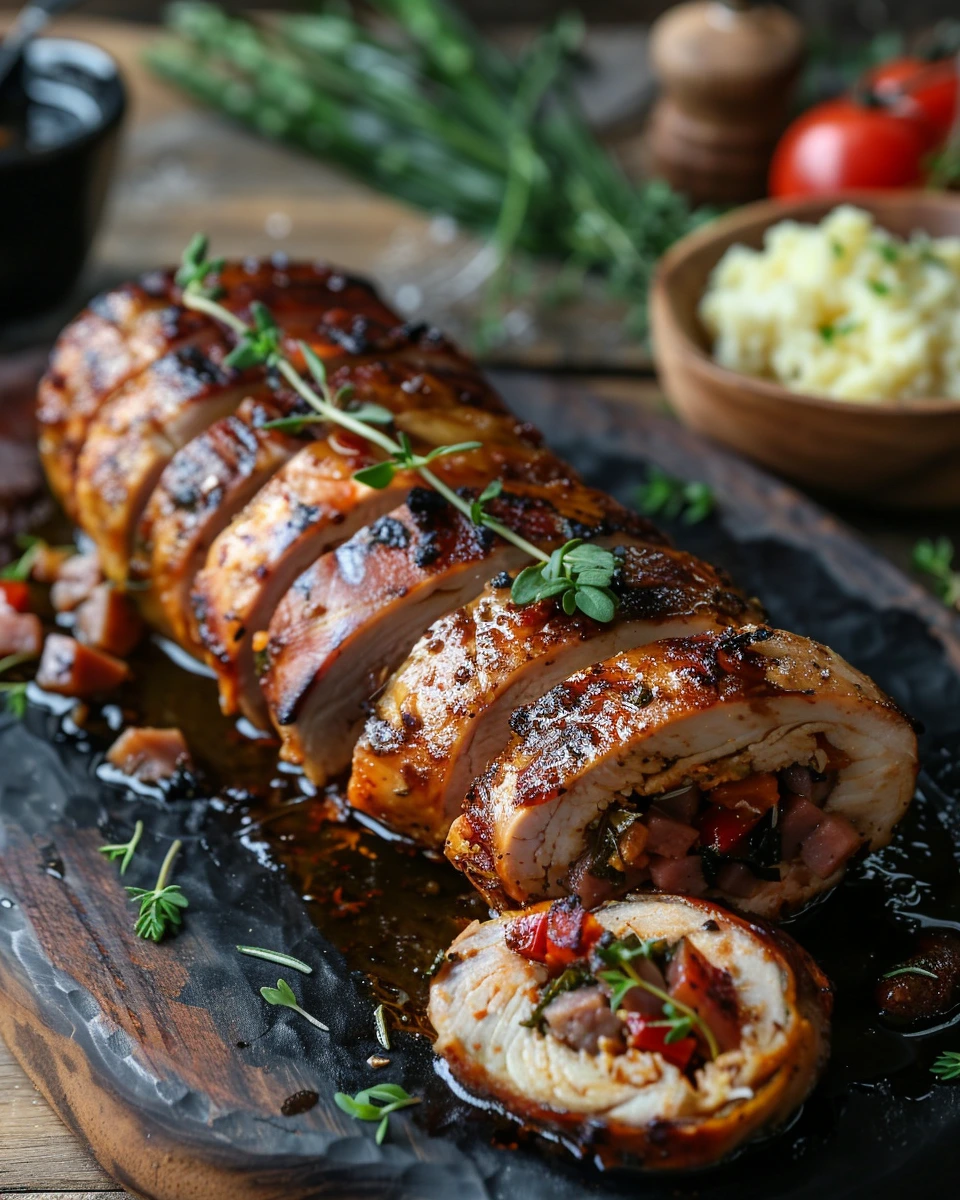
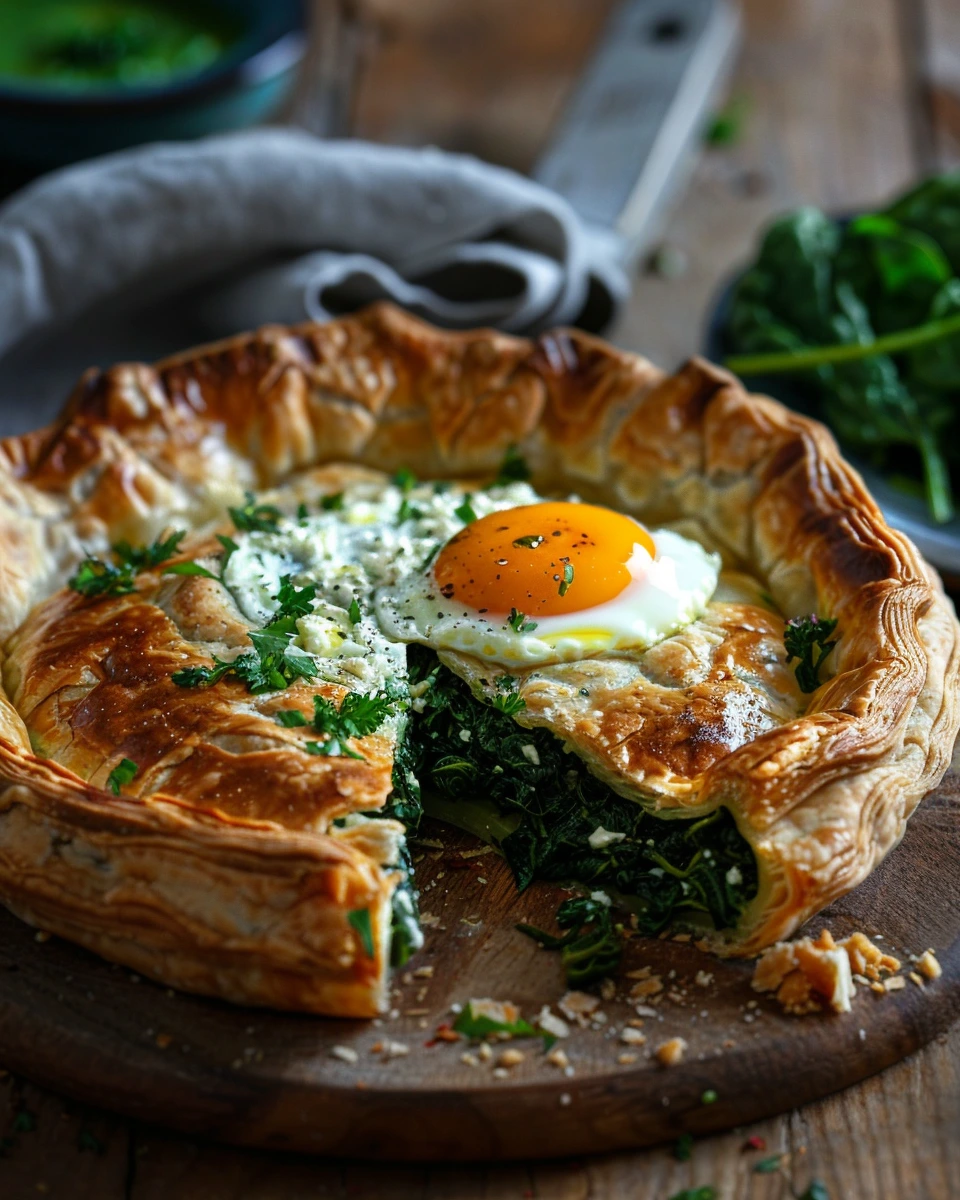
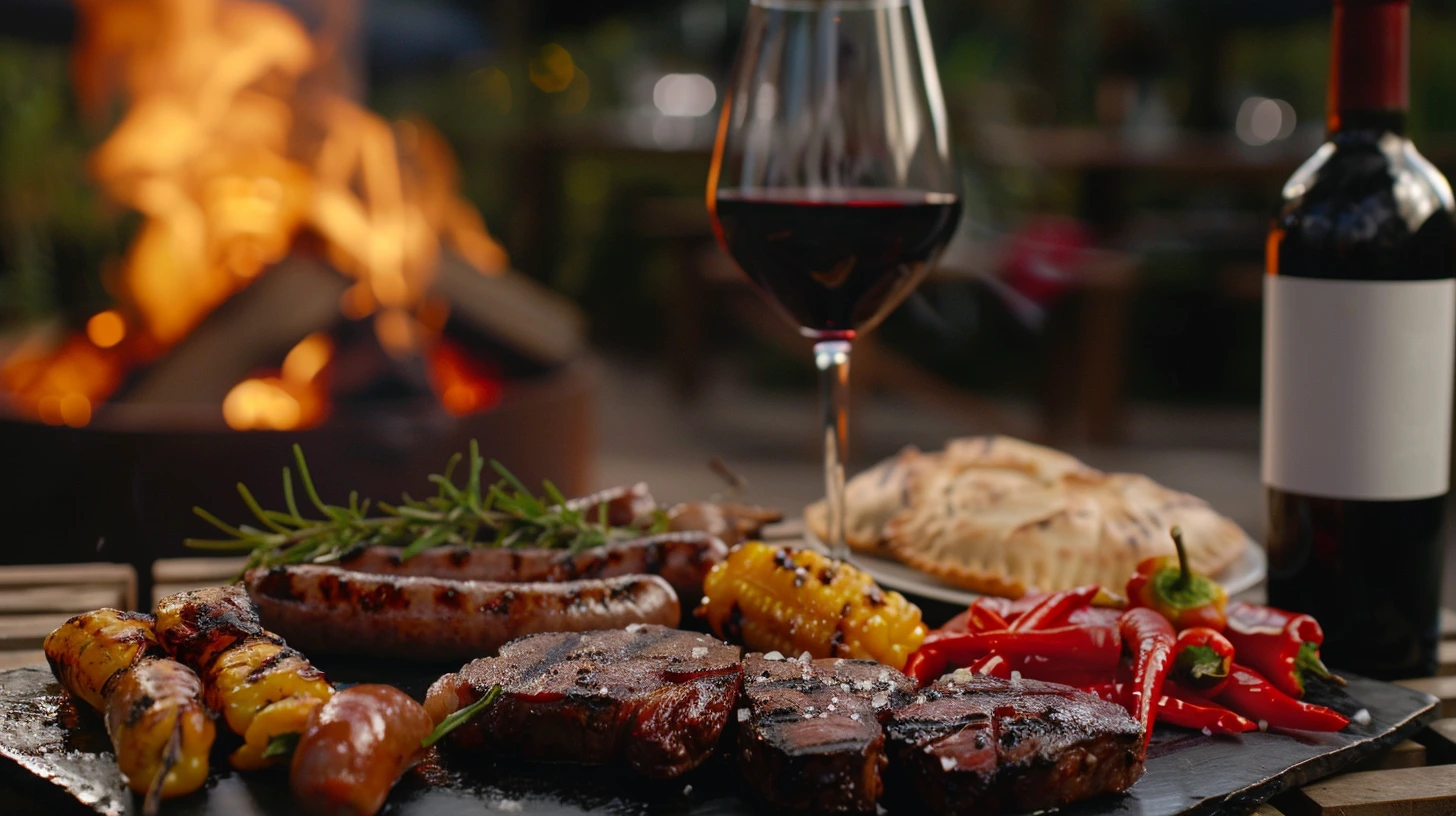
Uruguayan cuisine grew from cattle ranching, Spanish and Italian immigration and a strong Río de la Plata identity shared in part with neighbouring Argentina. Beef, bread, pasta and mate all became everyday institutions.
Why it is famous
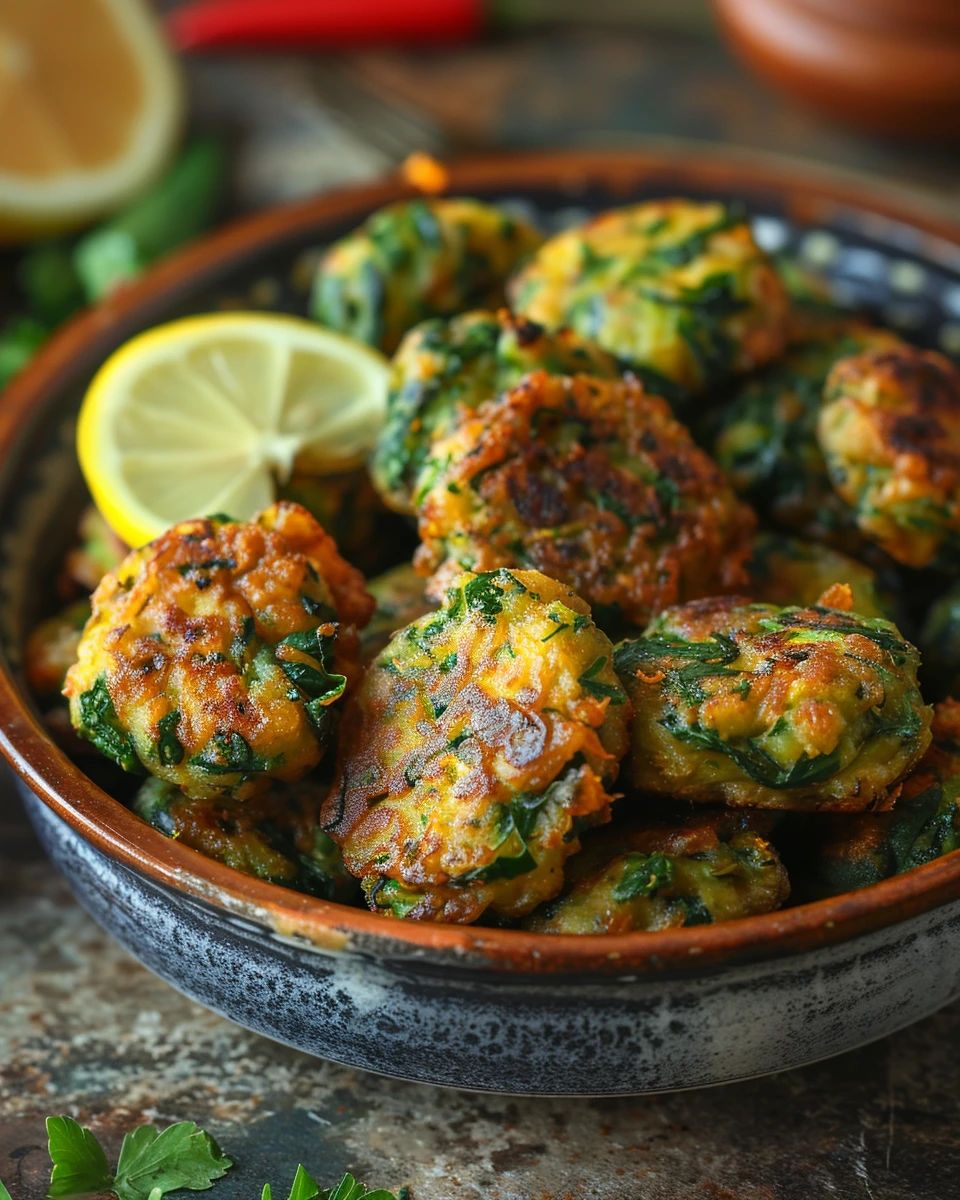
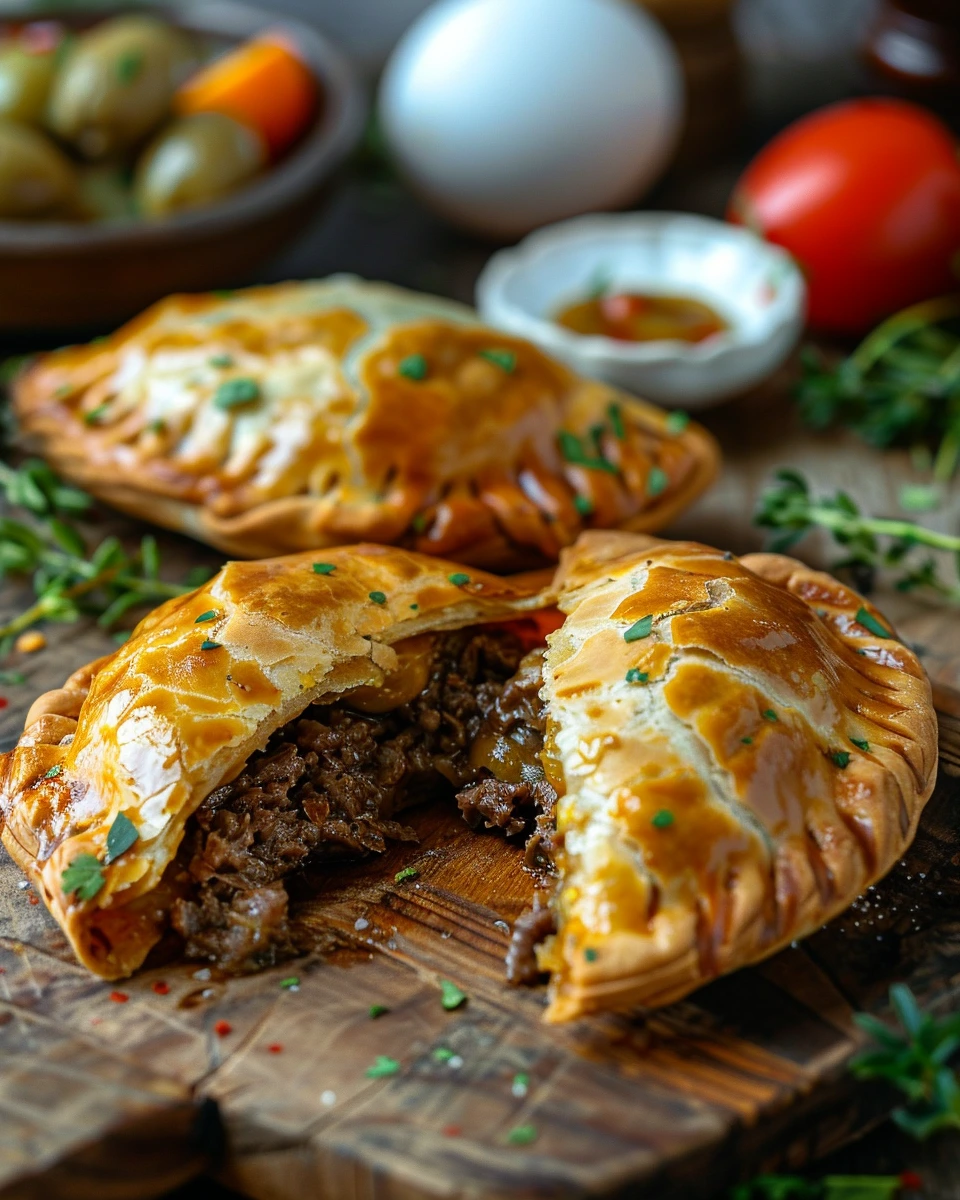
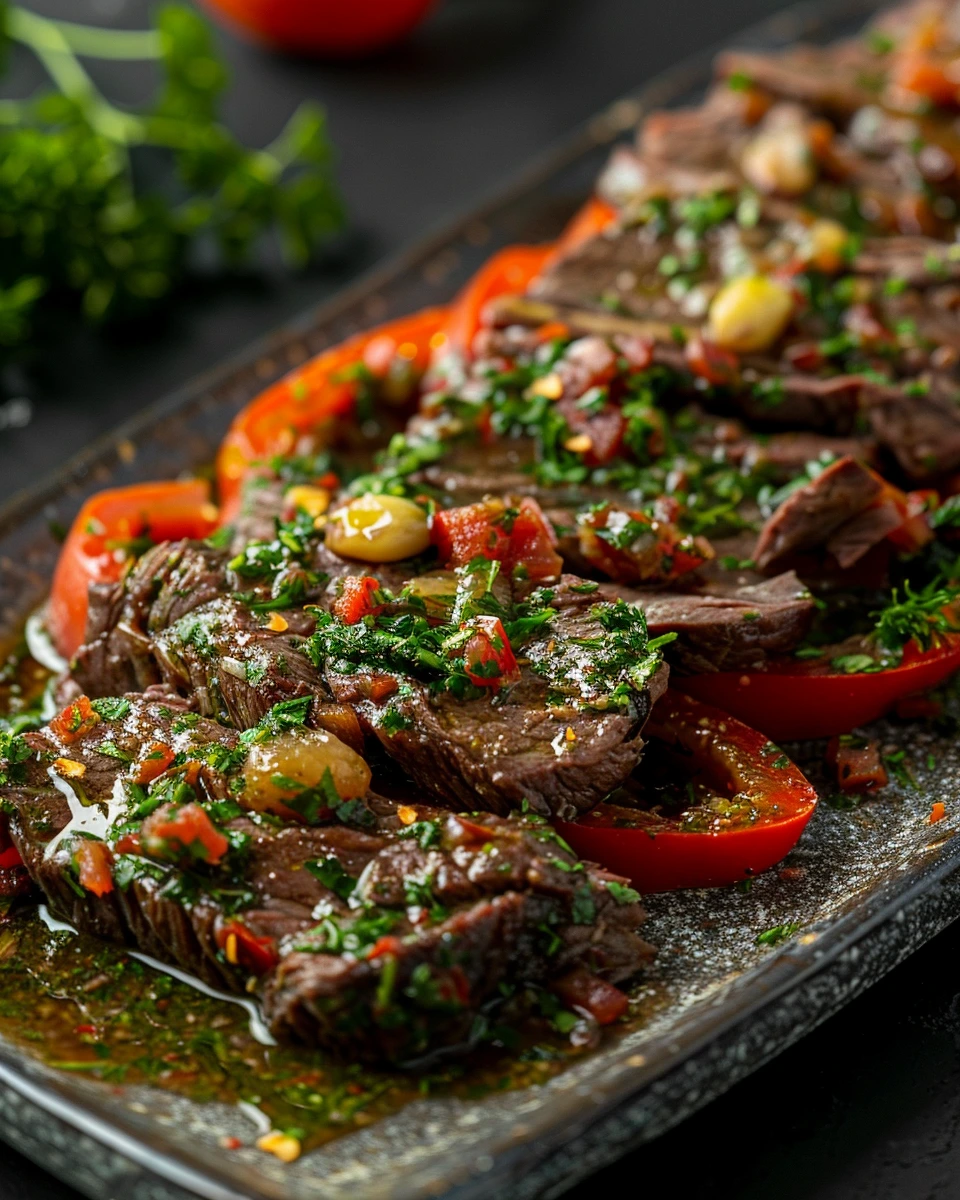
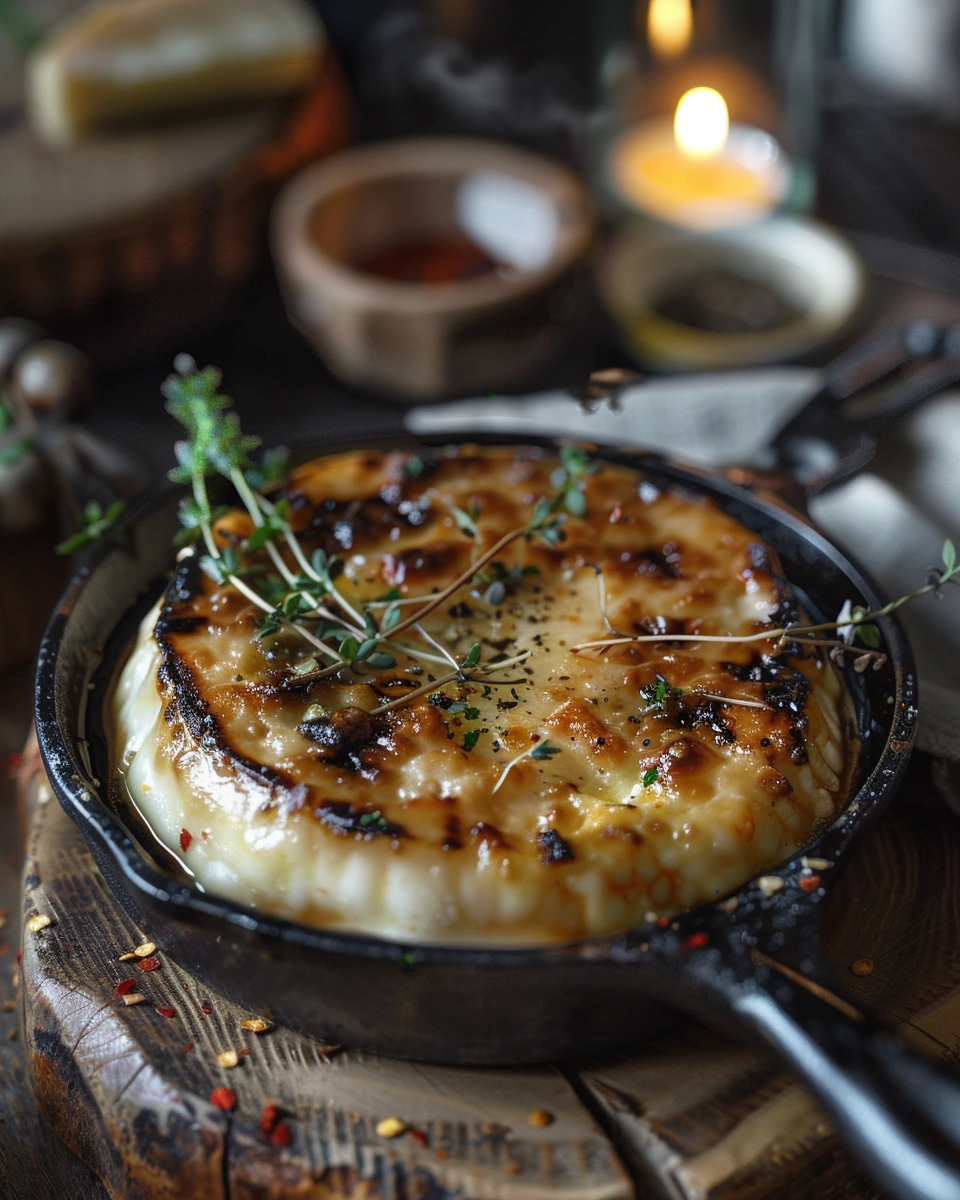
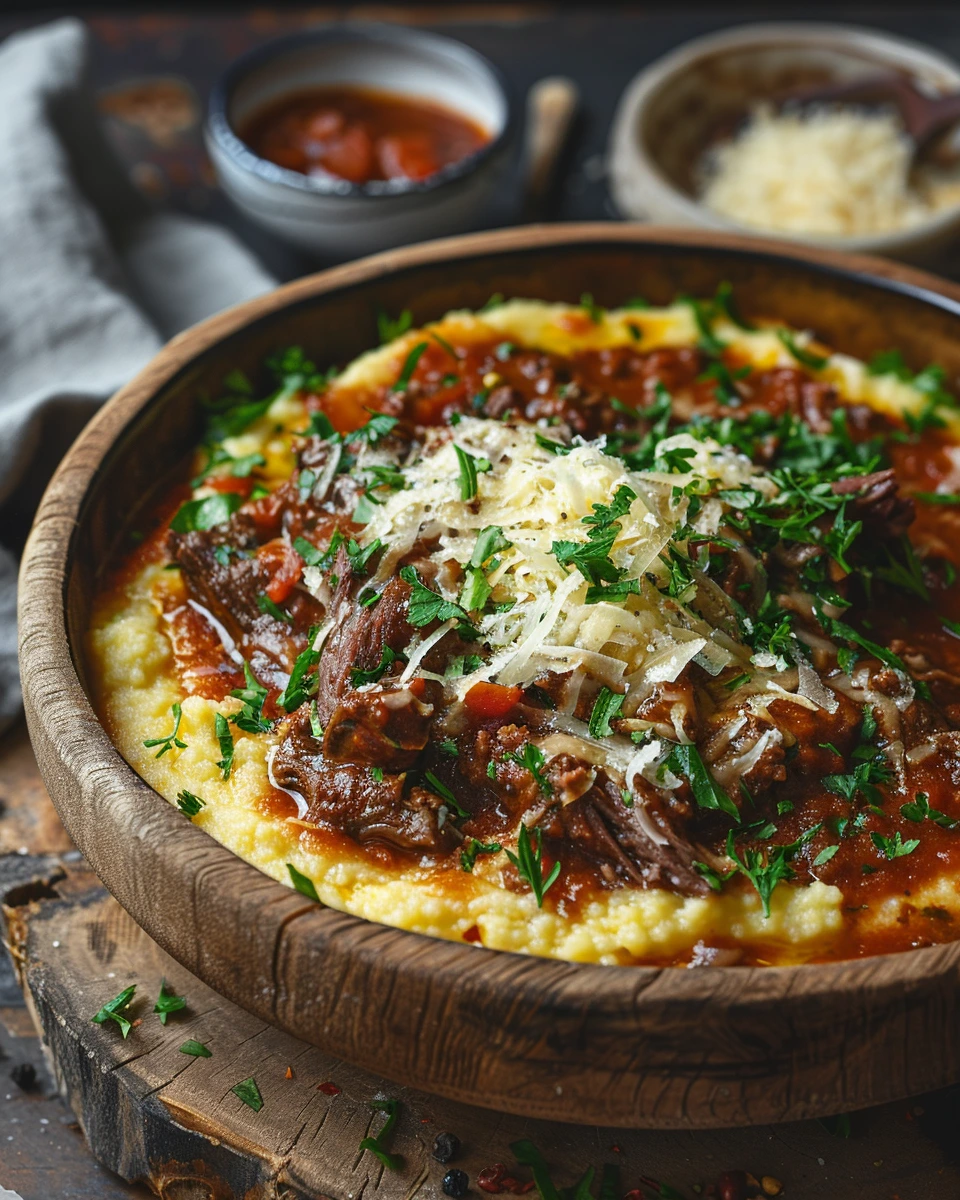
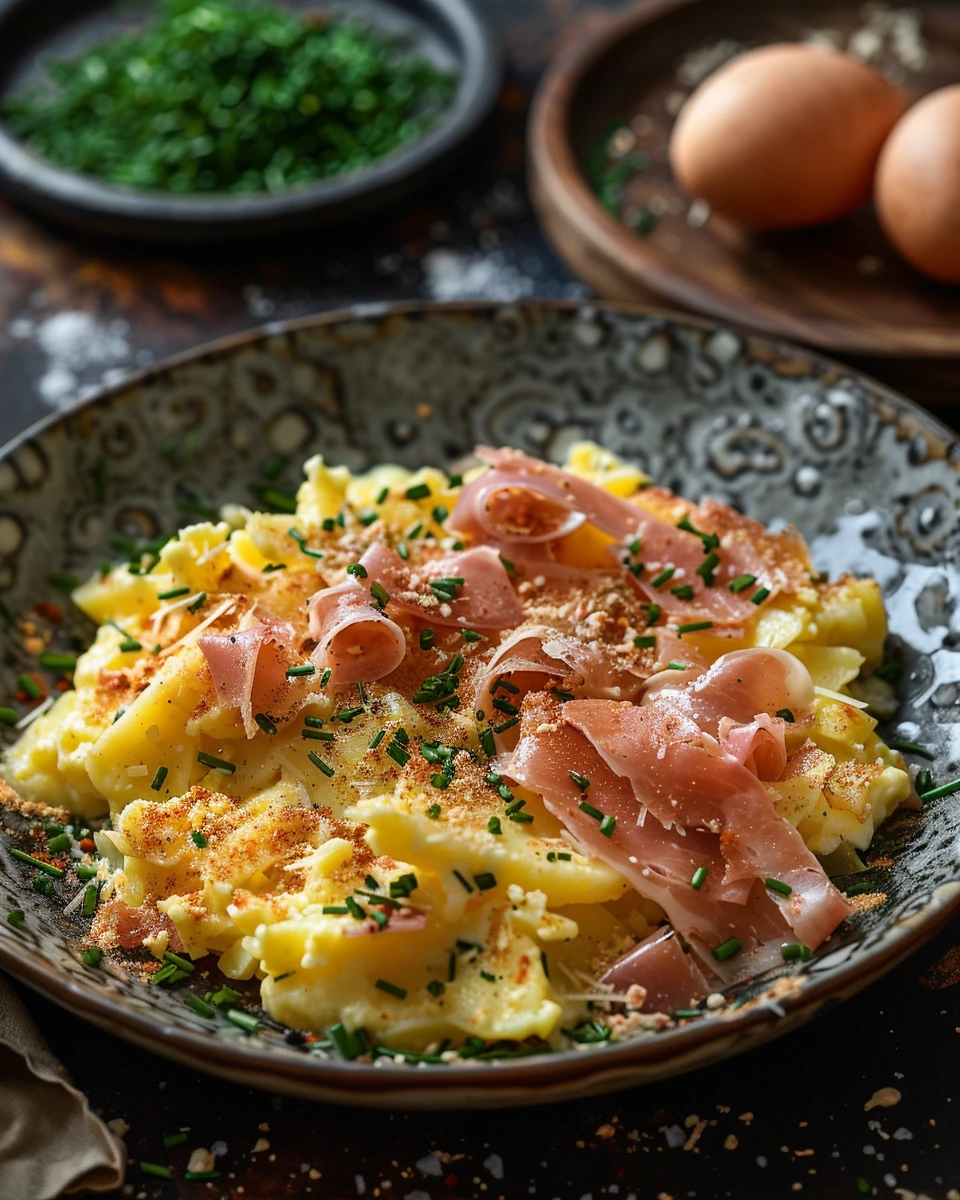
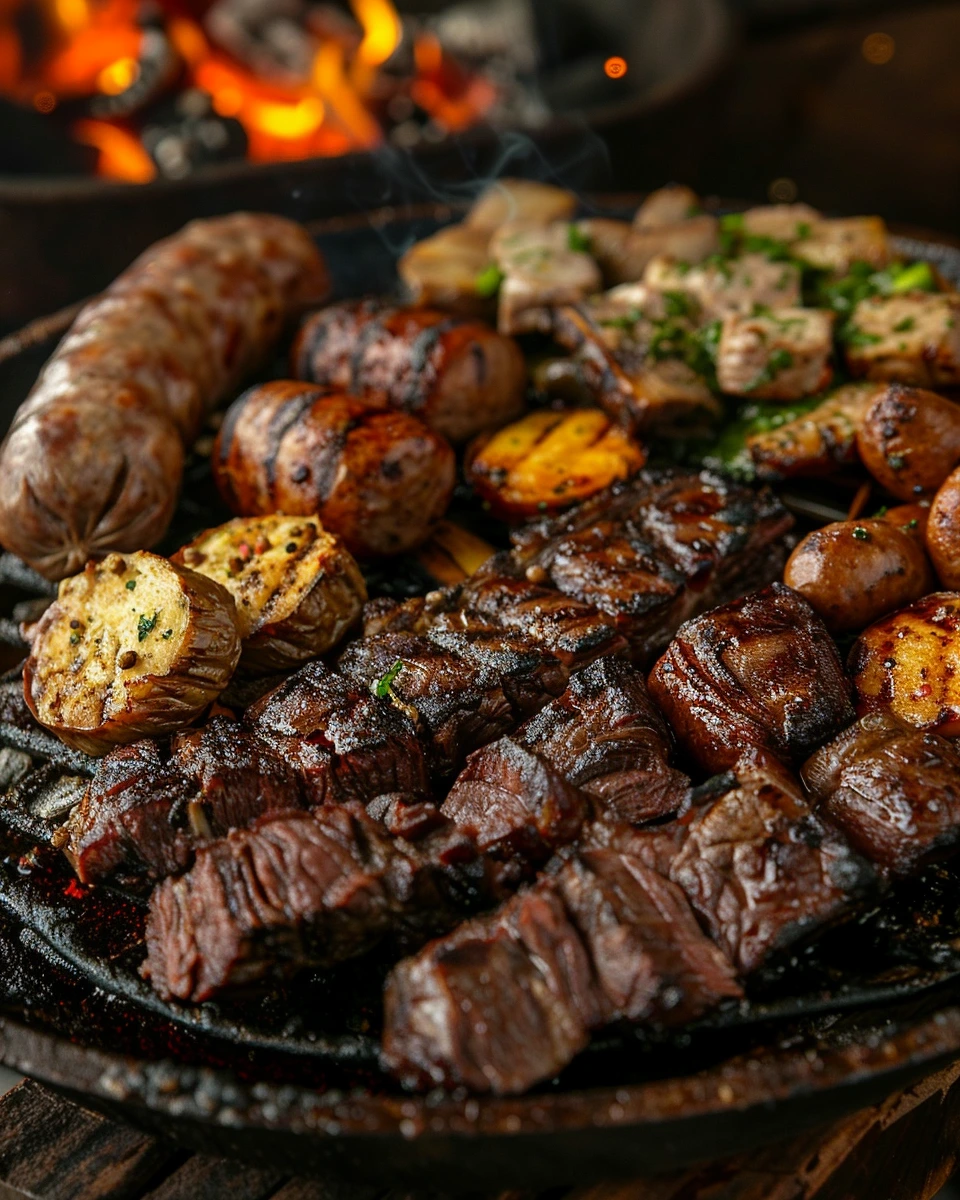
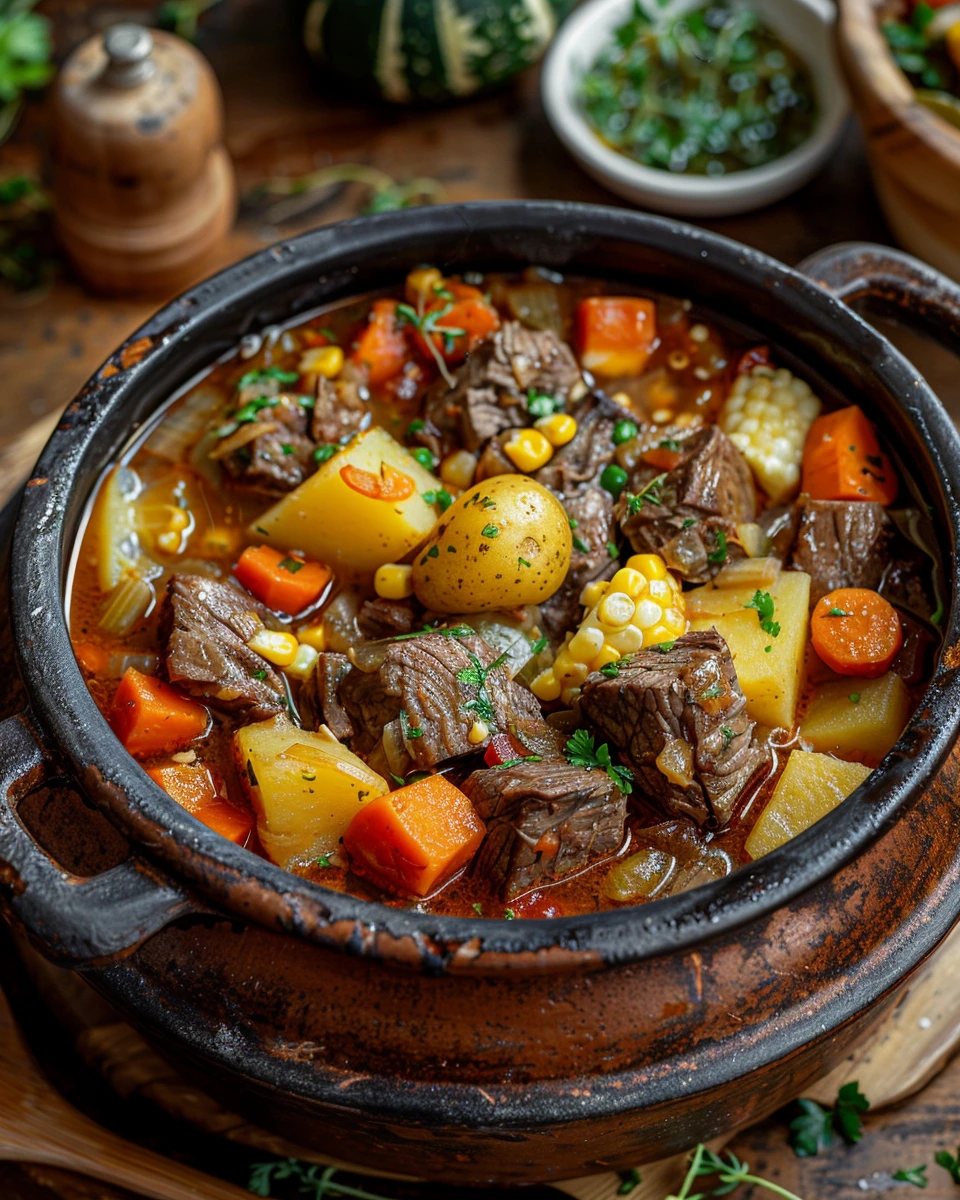
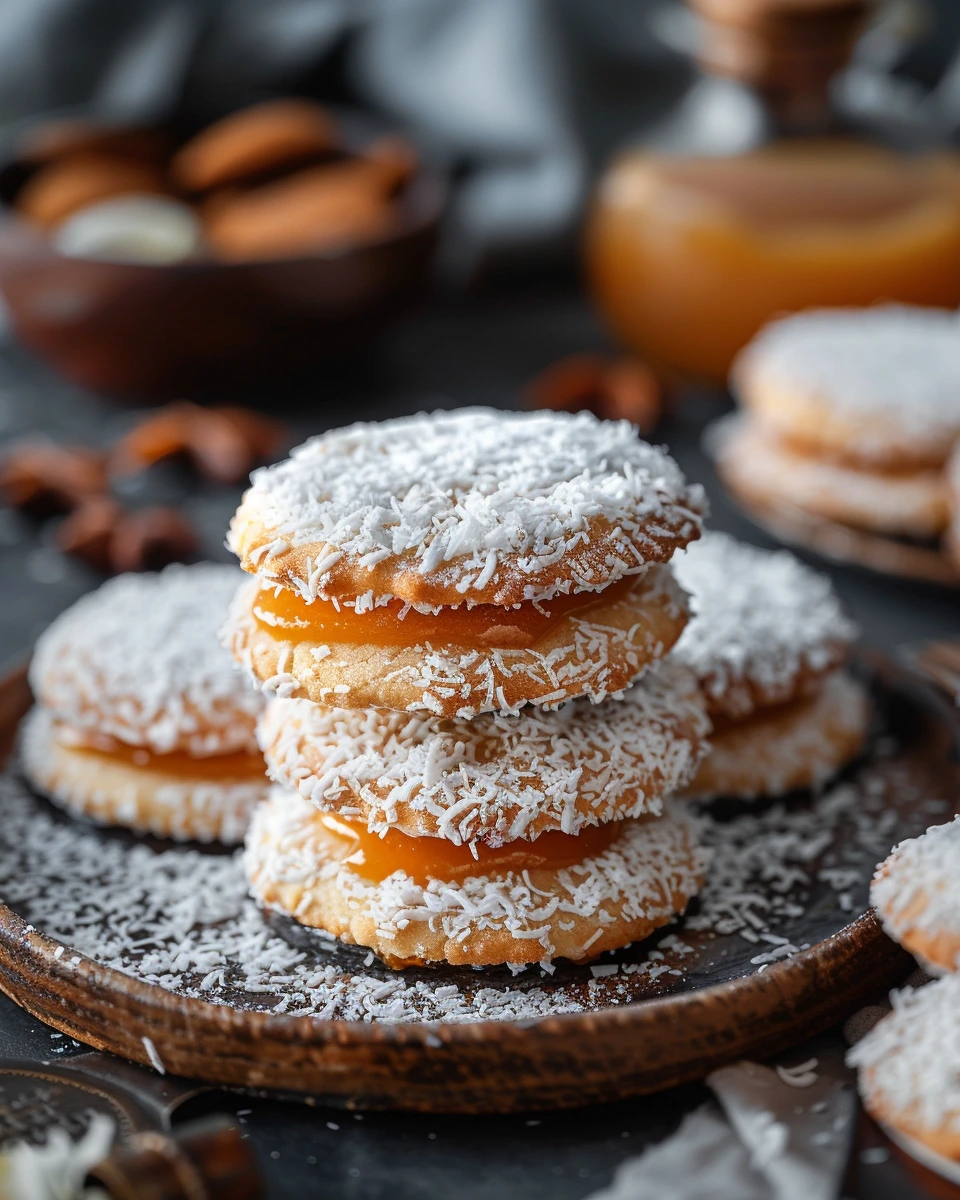
Ask what Uruguayan food is famous for and the conversation quickly reaches asado, chivito, milanesa, pasta, choripán, torta frita and dulce de leche. Those headline dishes are only the entry point: the more interesting story is how they connect to ordinary meals, local celebrations and regional cooking.
Regional food story
Montevideo has a strong café, sandwich and Italian immigrant legacy; the interior is closely tied to cattle and asado; coastal areas add fish and seafood; border regions share influences with Brazil.
Cook by course
Uruguayan recipes
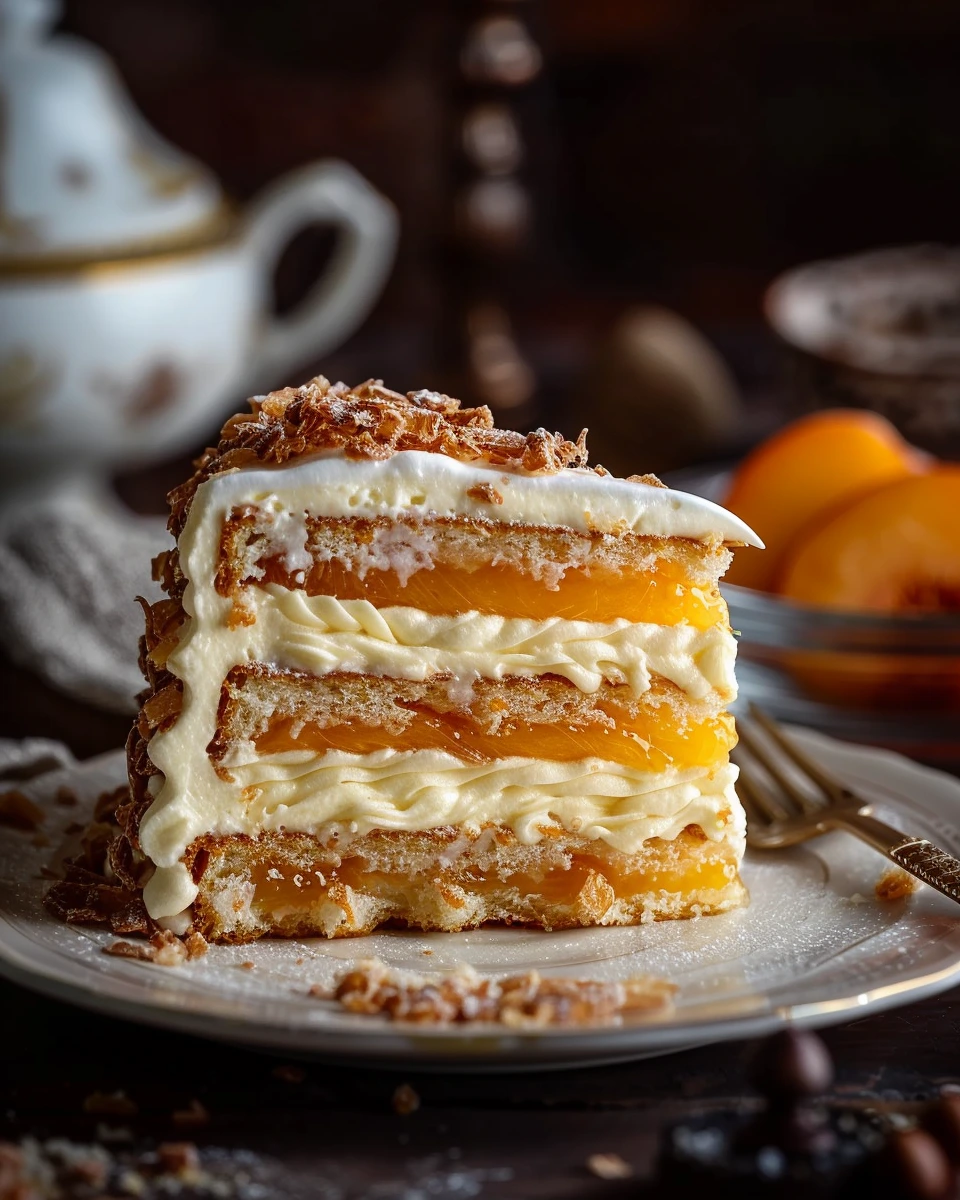
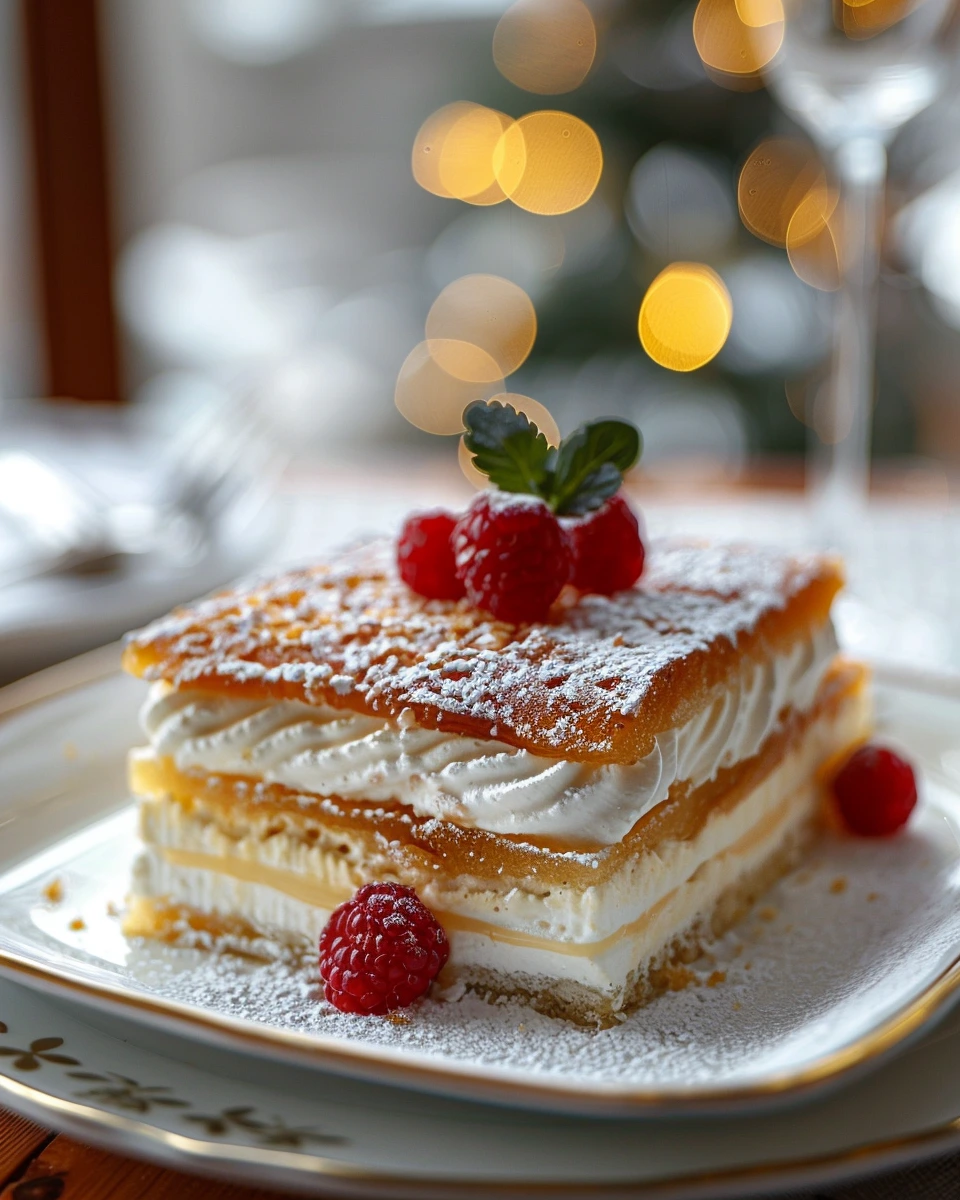
Start with a starter, choose a main, then finish with a dessert to build a complete country-inspired menu.
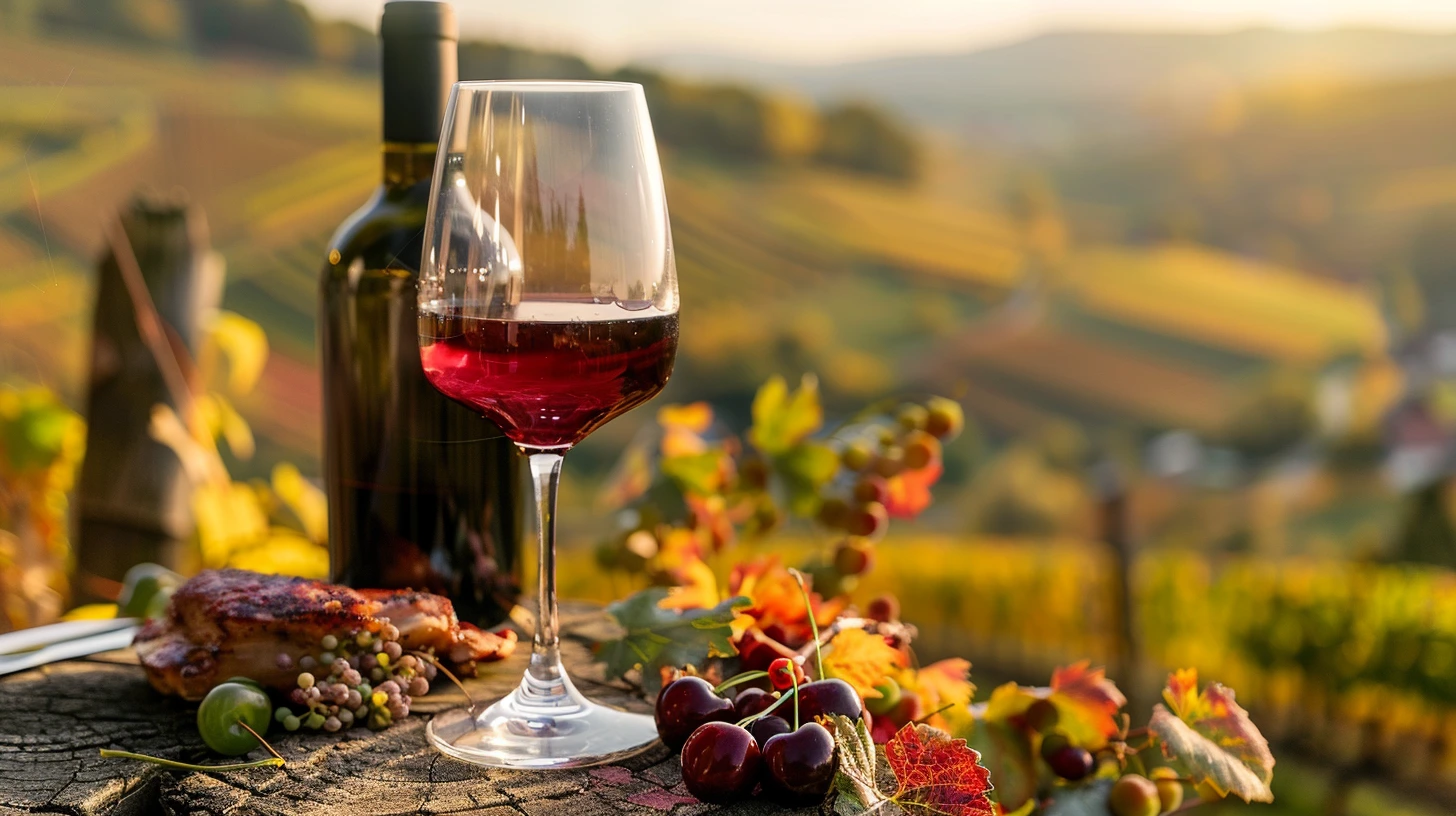
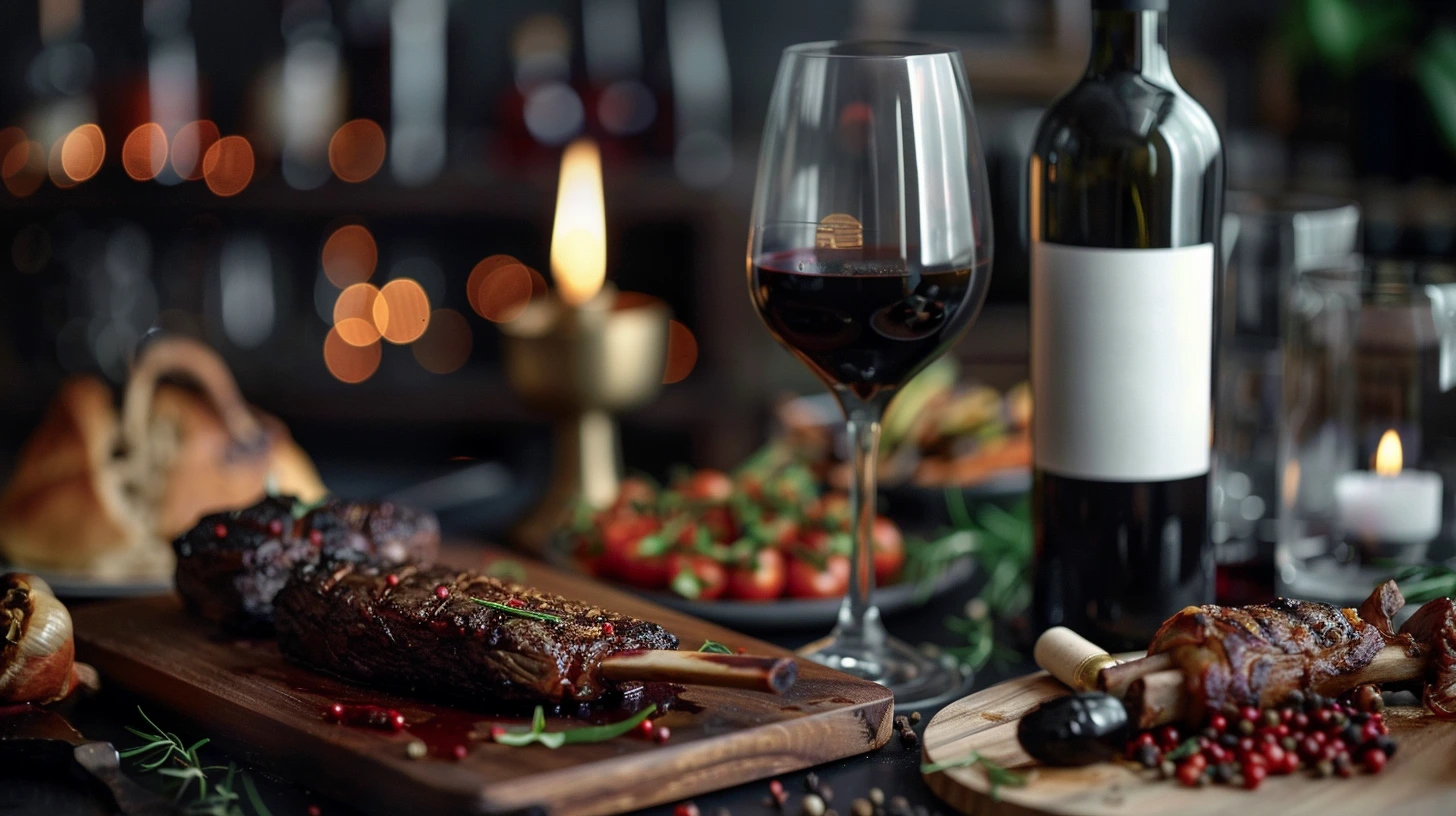
When pairing wine with Uruguayan food, match the structure of the dish first: fresh whites for seafood and herbs, medium reds for tomato, spice or roast meat, sparkling wines for fried or salty starters, and sweet or fortified wines for desserts.
Red
Cabernet Sauvignon / Bordeaux
Structured red with blackcurrant, cedar, graphite and firm tannins. Best with roast beef, lamb, steak, rich gravies and…
Creamy or lightly oaked white wine with citrus, stone fruit and enough body for seafood, poultry and rich sauces.
Grape: ChardonnayRegion: Australia, New Zealand, France, Italy, Spain, Germany
White
Chenin Blanc
Versatile white with apple, quince, honey and bright acidity. Works with pork, poultry, pastry, creamy dishes and sweet…
Grape: Chenin BlancRegion: Loire, Stellenbosch
Plan the full table
Build a Uruguayan menu
For Uruguayan recipes, start with the ingredients that carry the cuisine: staple grains or breads, fresh produce, herbs or spices, good-quality fats, regional dairy or proteins, and any preserved ingredients that give the food its identity.