Yuca con Mojo: the story on the plate
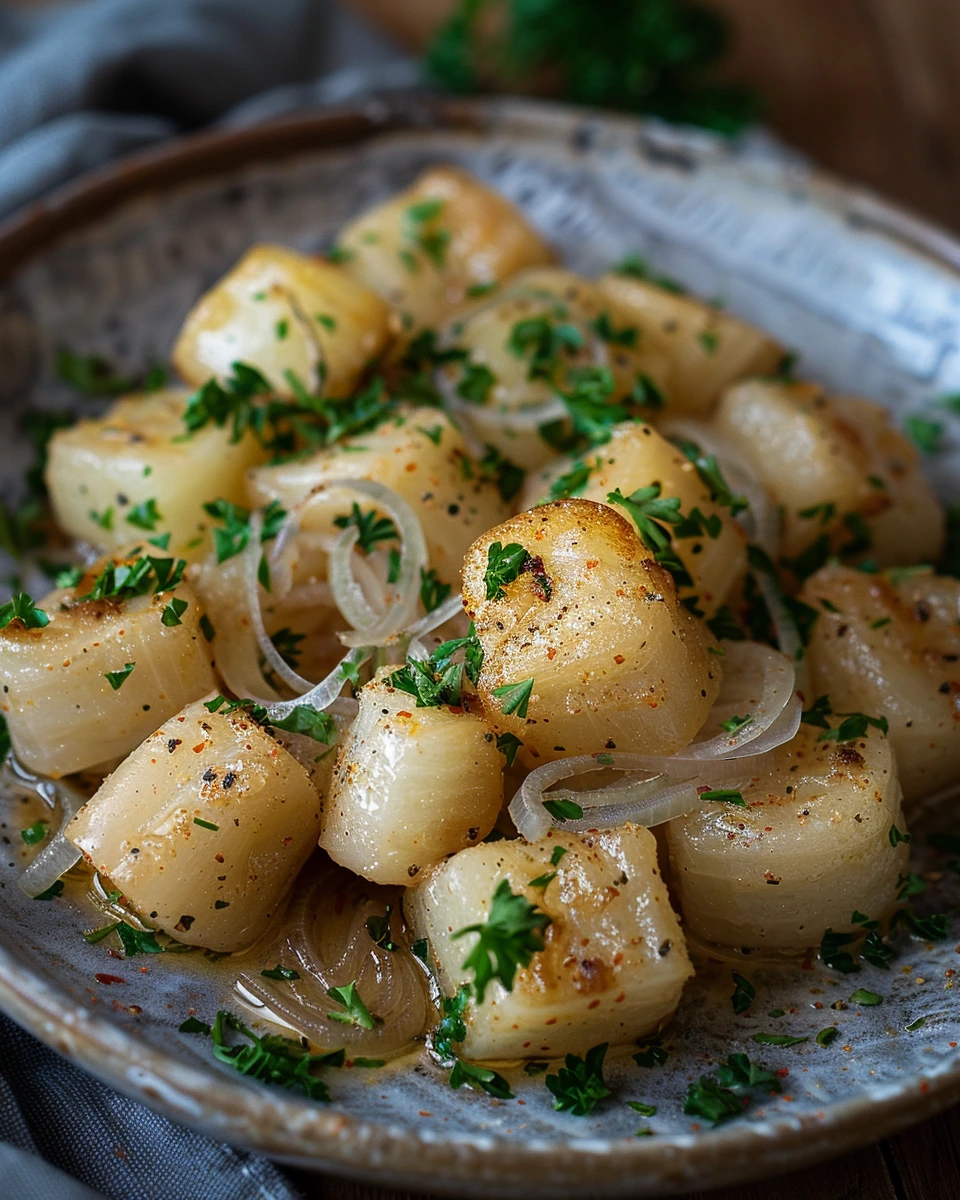
Cassava was cultivated in the Caribbean long before European colonisation and remained central after African and Spanish influences reshaped Cuban cooking. Yuca con mojo joins that Indigenous staple with the island's characteristic garlic-and-citrus dressing. The dish is memorable for the way floury cassava absorbs sharp mojo. Properly cooked yuca should split into soft fibres without becoming waterlogged, while the hot dressing carries garlic into every crevice. It is a traditional companion to roast pork, especially at Christmas Eve and other family feasts. Its plain, satisfying starch provides a counterpoint to rich meat, black beans and rice.
Historical background
Cassava was cultivated in the Caribbean long before European colonisation and remained central after African and Spanish influences reshaped Cuban cooking. Yuca con mojo joins that Indigenous staple with the island's characteristic garlic-and-citrus dressing.
Why it is famous
The dish is memorable for the way floury cassava absorbs sharp mojo. Properly cooked yuca should split into soft fibres without becoming waterlogged, while the hot dressing carries garlic into every crevice.
Cultural significance
It is a traditional companion to roast pork, especially at Christmas Eve and other family feasts. Its plain, satisfying starch provides a counterpoint to rich meat, black beans and rice.