Vaca Frita: the story on the plate
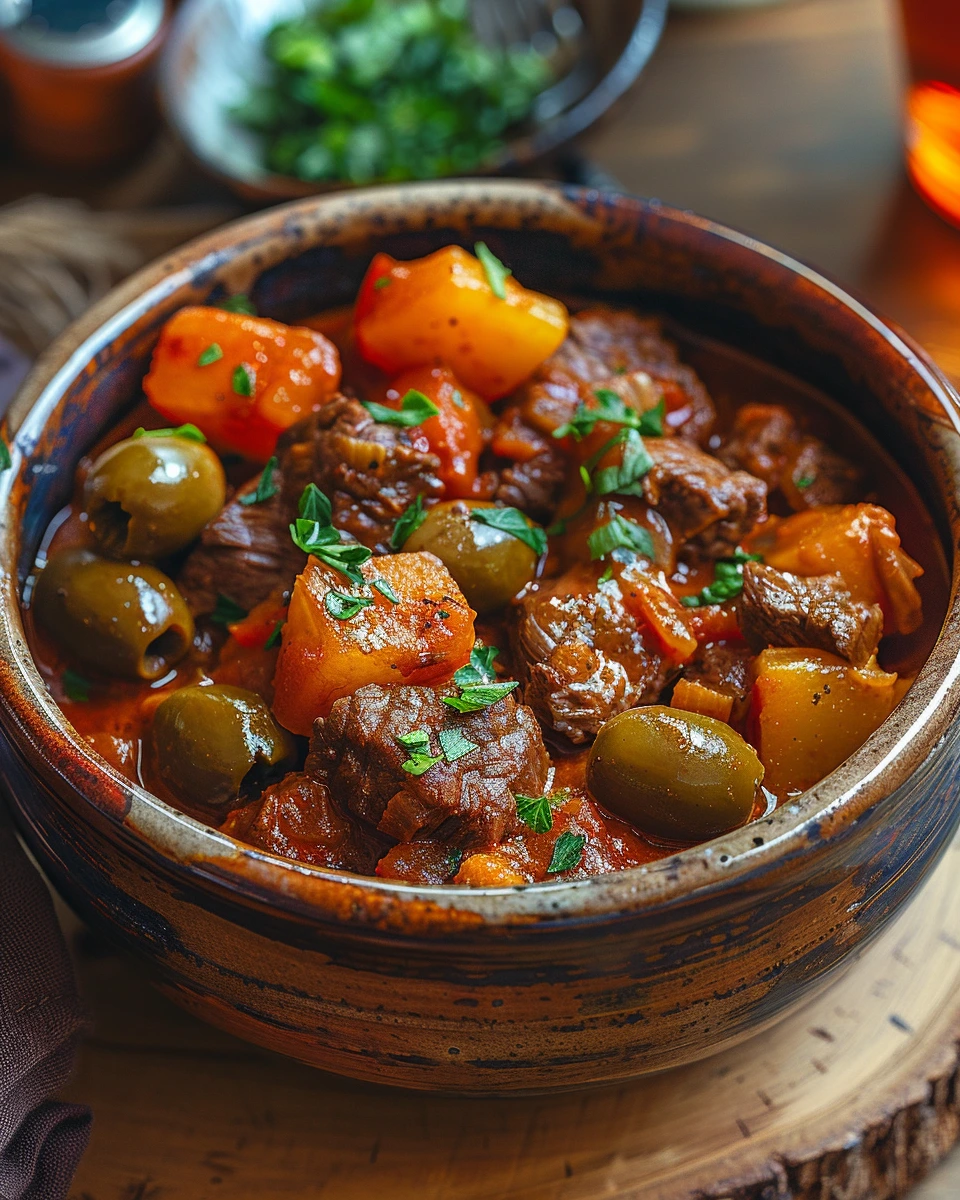
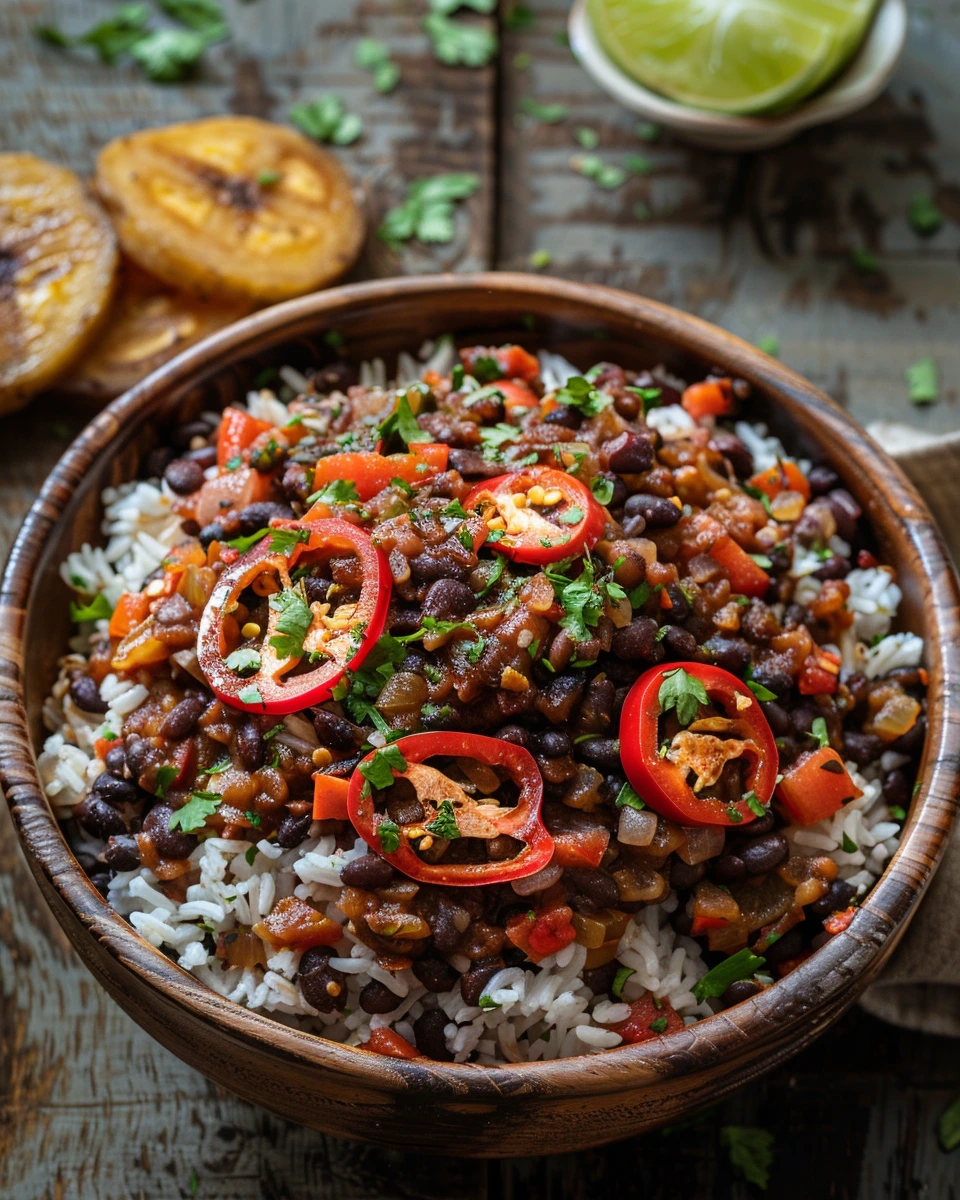
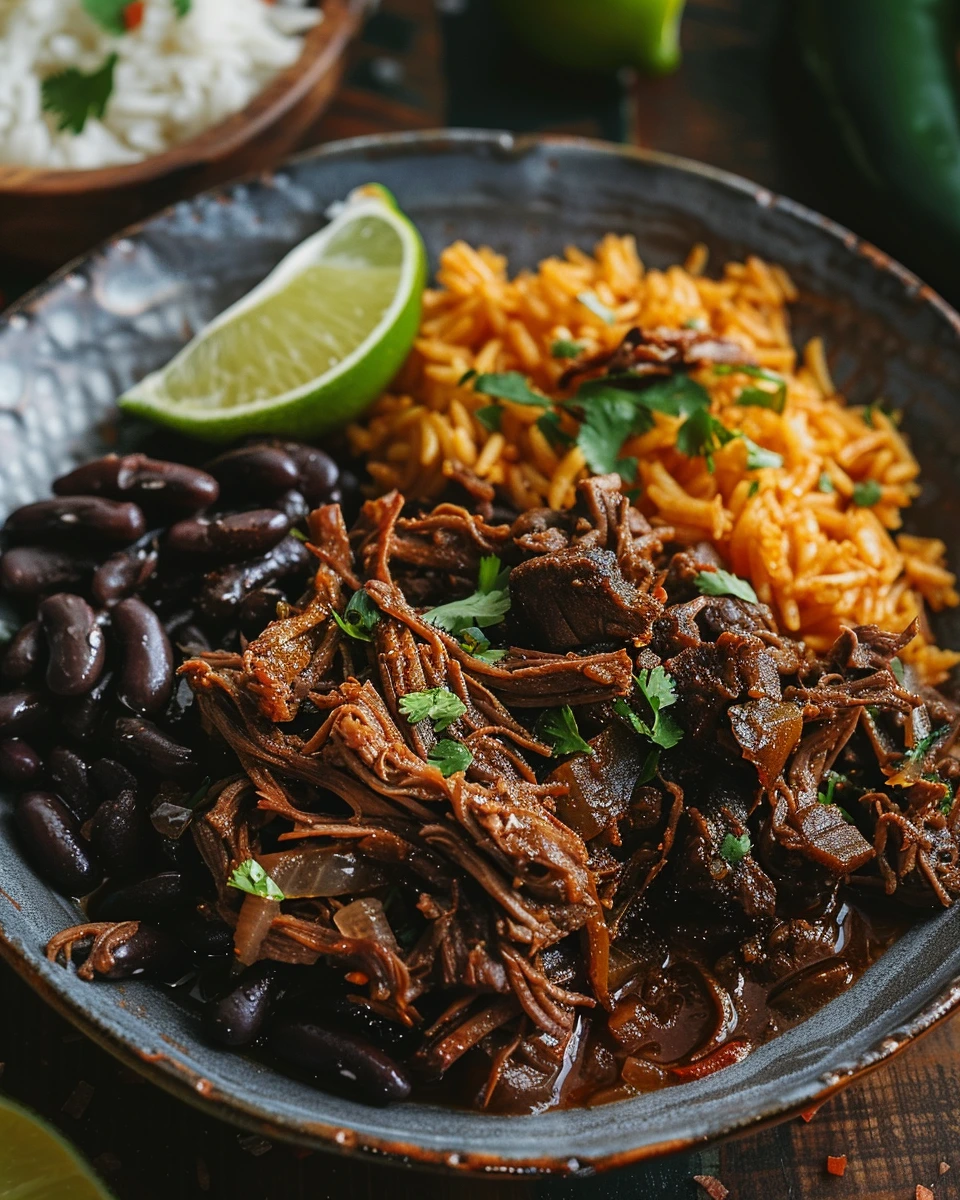
Vaca frita shares the slow-cooked beef foundation of ropa vieja but follows a different final technique. After simmering, the meat is shredded, seasoned and fried in a hot pan, a method that concentrates flavour and creates texture from an economical cut. Its defining feature is the contrast between tender fibres and browned, almost brittle edges. Lime and garlic cut through the beef, while onions soften and caramelise around it. The dish is a popular restaurant order and home-cooked main, usually paired with white rice, black beans and plantains. It demonstrates how Cuban cooks can turn one boiled piece of beef into a second dish with a completely different character.
Historical background
Vaca frita shares the slow-cooked beef foundation of ropa vieja but follows a different final technique. After simmering, the meat is shredded, seasoned and fried in a hot pan, a method that concentrates flavour and creates texture from an economical cut.
Why it is famous
Its defining feature is the contrast between tender fibres and browned, almost brittle edges. Lime and garlic cut through the beef, while onions soften and caramelise around it.
Cultural significance
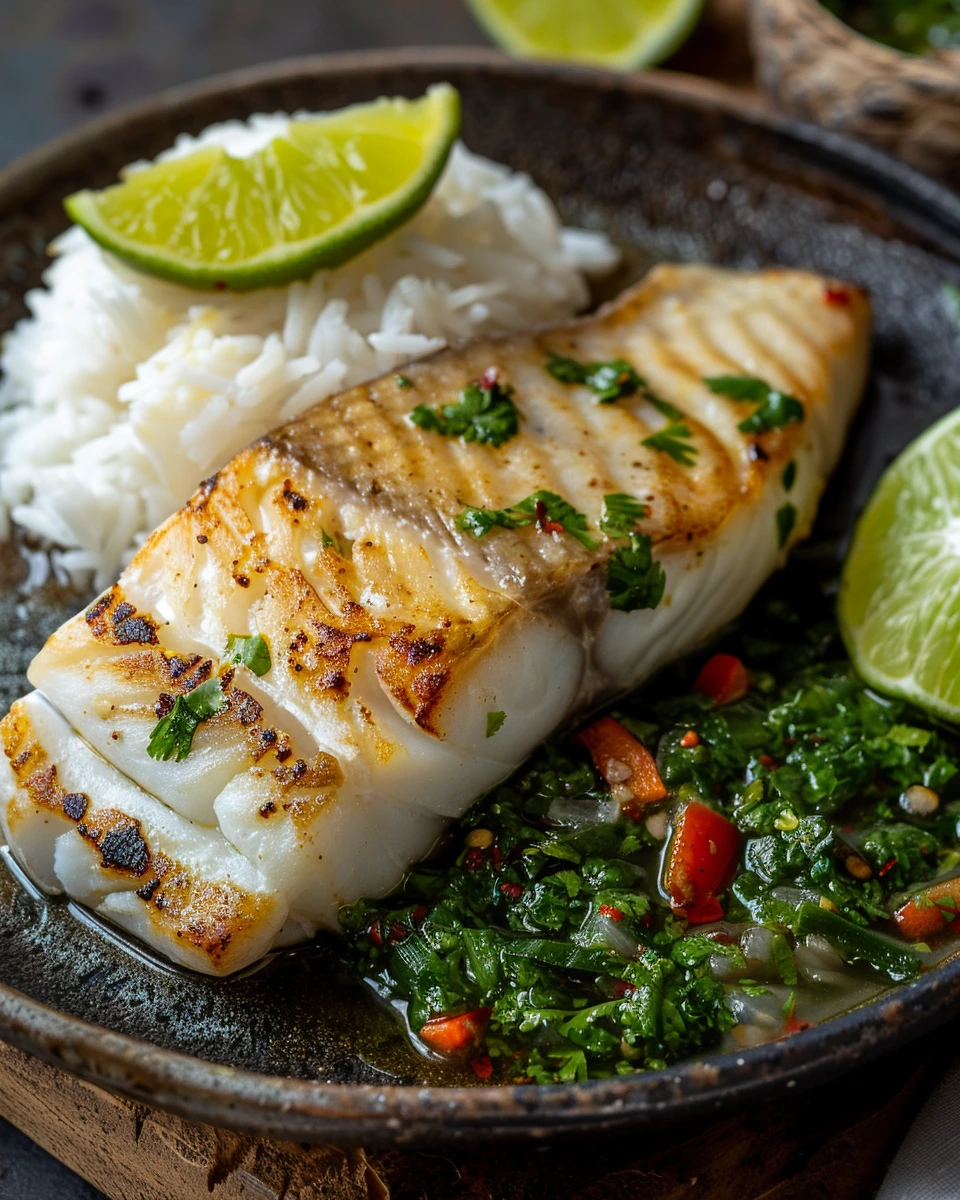
The dish is a popular restaurant order and home-cooked main, usually paired with white rice, black beans and plantains. It demonstrates how Cuban cooks can turn one boiled piece of beef into a second dish with a completely different character.