Thai Starter

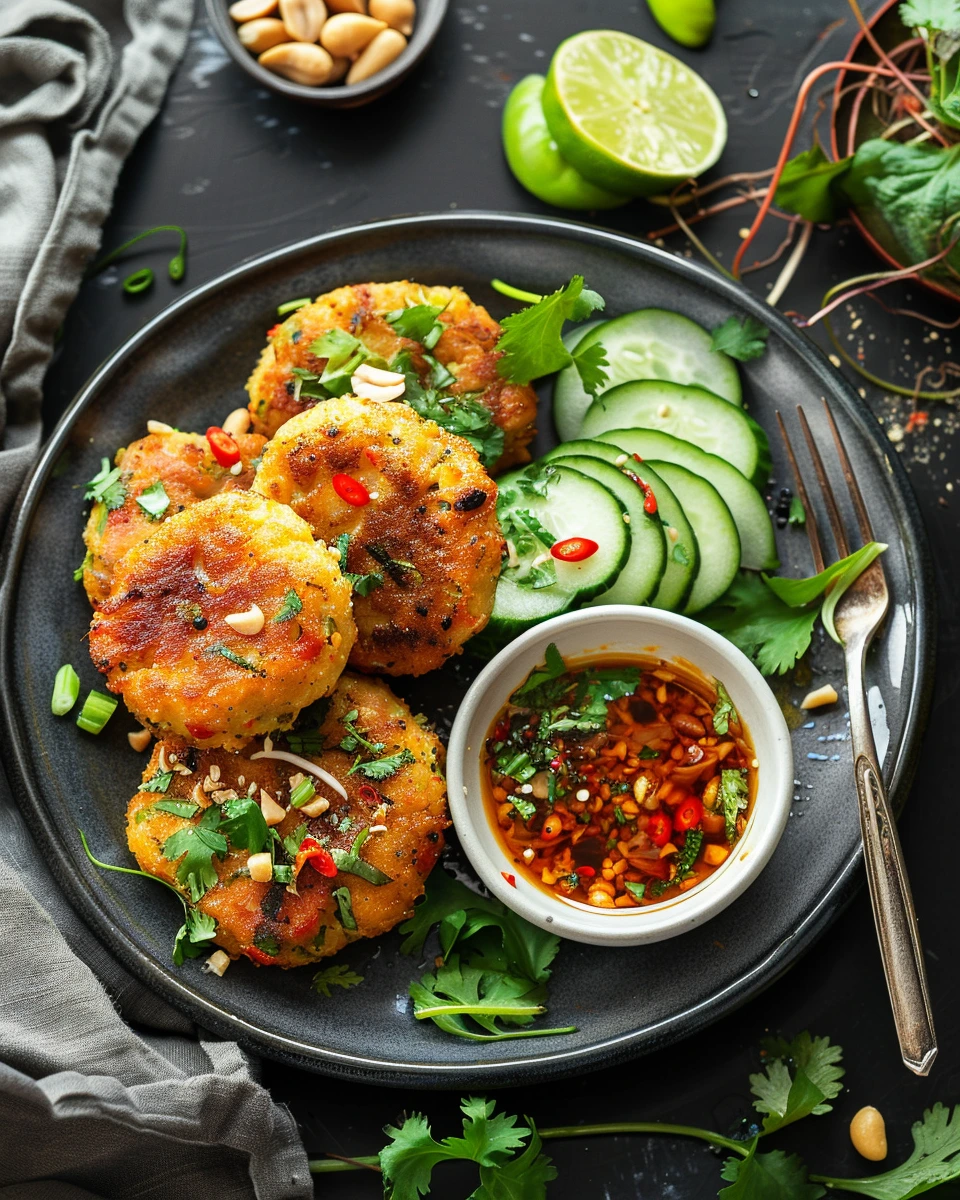
Tod Mun Pla

Tod Mun Pla is a thai starter built around balance: fresh aromatics, clear seasoning, contrasting texture and a finish that tastes lively rather than heavy.

30 minsPrep time
15 minsCook time
Serves 2Servings
MediumDifficulty
Tod Mun Pla
About this dish

Tod Mun Pla: the story on the plate

Tod Mun Pla is rebuilt as a practical Thai recipe with scalable ingredients, clear prep notes, specific cooking temperatures where useful, visual cues, common mistakes and serving ideas. The method focuses on the Thai balance of salty, sour, sweet, aromatic and warming flavours.

Historical background

Tod Mun Pla belongs to the wider story of Thai cooking, where market food, home kitchens, regional herbs and trade-route ingredients meet in practical dishes made for rice, sharing and heat-balanced eating.

Why it is famous

It is famous because it shows how Thai food can be bold without being clumsy: sourness, salt, sweetness, heat, aroma and texture are deliberately layered.

Cultural significance

In Thailand, dishes like Tod Mun Pla are usually eaten as part of a spread, not in isolation. The point is contrast: a rich dish beside a sharp salad, rice beside sauce, herbs beside heat.

Nutrition

Estimated nutrition per serving

Useful for meal planning and calorie-aware recipe browsing.

380Calories
34gProtein
16gCarbs
18gFat

Estimated from typical Thai recipe portions; verify against exact brands and serving sizes before publishing formal nutrition claims.

Ingredients

What you need

  • 500 firm white fish fillets
  • 2 red curry paste
  • 1 1 egg
  • 1 fish sauce
  • 1 palm sugar
  • 6 makrut lime leaves, finely shredded
  • 80 long beans, finely sliced
  • Oil for shallow frying
  • Cucumber relish to serve
Method

Step-by-step method

Follow the recipe in order, tasting and adjusting seasoning where needed.

  1. Prepare the filling or coating: Chop, slice or mince ingredients evenly so the mixture cooks through at the same speed. Squeeze out excess moisture from vegetables or fish mixtures before shaping.
  2. Shape evenly: Make pieces the same size: small rolls, flat cakes or scored fish portions. Keep edges sealed and surfaces lightly dry before frying.
  3. Heat the oil: Heat neutral oil to 175-180°C for deep or shallow frying. Use enough oil for the food to colour evenly without touching the base too harshly.
  4. Fry in batches: Cook in small batches until crisp and golden, turning once or twice. Keep the oil close to 175°C between batches.
  5. Check doneness: Fish cakes should feel springy; spring rolls should sound crisp; fried fish should flake easily at the thickest part.
  6. Serve with contrast: Serve immediately with cucumber relish, lime, herbs or chilli sauce so the hot crisp texture is balanced by freshness.
Cook smarter

Tips, storage and serving advice

Shopping tips

Buy fresh herbs on the day if possible. Choose fragrant lemongrass, firm galangal, glossy chillies, good fish sauce and coconut milk with coconut extract high on the label.

Ingredient quality

Thai food depends on fresh aromatics and balanced seasoning. If one ingredient is unavailable, adjust with lime, fish sauce, sugar and herbs rather than making the dish flat.

Common mistakes

The common mistake is treating Thai food as only spicy. Build sour, salty, sweet and aromatic notes first, then add heat gradually.

Chef’s tips

Taste at the end and adjust in small increments. Slice meat across the grain for tenderness, keep herbs for the final minute, and avoid boiling lime juice for long.

How to know it is cooked

Cooked proteins should be just done: prawns opaque, chicken 74°C in the thickest piece, pork tender and fish flaking cleanly. Sauces should taste slightly bold because rice softens them.

Plating advice

Serve in shallow bowls or warm plates with herbs high on the dish, sauce visible and rice or noodles arranged neatly rather than buried.

Make ahead

Prep aromatics, sauces and pastes ahead, but cook seafood, noodles, herbs and crunchy toppings close to serving.

Storage and reheating

Cool quickly and refrigerate in a sealed container for up to 2 days. Salads and fried foods are best eaten fresh. Reheat curries and soups gently to a simmer. Reheat fried foods in a 180°C oven or air fryer for 5-8 minutes. Avoid microwaving noodles for too long.

Wine pairing

What to drink with Tod Mun Pla

Pairings are chosen around the dish’s flavour, texture, richness, acidity and cooking style — not just the country it comes from.

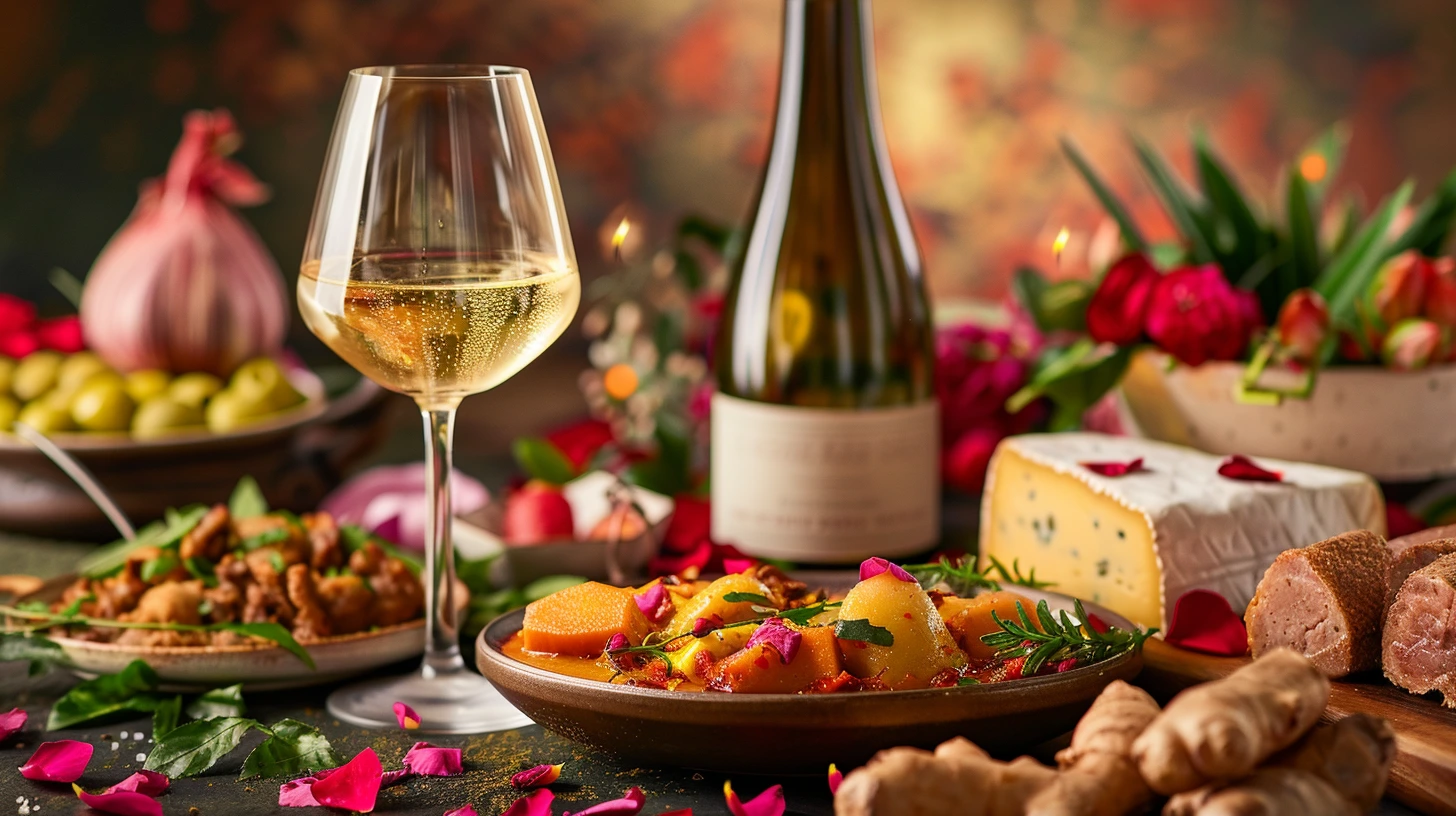
Pinot Grigio / Pinot Gris wine pairing
#1 Great match White

Pinot Grigio / Pinot Gris

Why it works: Pinot Grigio Pinot Gris suits Tod Mun Pla because the dish is balanced, savoury and approachable, with the main ingredient supported by herbs, acidity, fat and seasoning; the wine keeps the finish balanced rather than heavy.

Clean, easy-drinking white with pear, apple and citrus. Good for light starters, mild fish, salads and simple vegetable dishes.

GrapePinot Grigio, Pinot Gris
RegionVeneto, Friuli, Alsace, Oregon
Wine flavourpear, apple, lemon, white peach
Serve at7-10°C
  • Flavour bridge: The pairing links acidity, body and aroma to the main ingredients, giving freshness for rich dishes and enough weight for hearty ones.
  • Acidity: Use acidity to lift richness, salt, fried texture, cream, butter or slow-cooked depth.
  • Body: The wine body is chosen to avoid overpowering the dish while still standing up to the main ingredient.
  • Tannin: Low or moderate tannin is safest unless the recipe is built around red meat, roasting or deep savoury sauces.
  • Sweetness: Keep the wine dry for savoury recipes; use gentle sweetness for desserts or spicy dishes.
  • Best for: Starter pairing for testing and editorial menus.

These are wine-style pairings, so you can choose any bottle in that style rather than needing one exact producer. Look for the grape, region or style name on the label.