American Main

Sonoran Carne Asada Tacos

Grilled marinated steak served in warm flour tortillas with salsa, lime and onions.

30 minsPrep time
10 minsCook time
Serves 2Servings
EasyDifficulty
Sonoran Carne Asada Tacos
About this dish

Sonoran Carne Asada Tacos: the story on the plate

Northern Mexican and Arizona borderland cooking: fire, flour tortillas and bright garnishes.

Historical background

Sonoran Carne Asada Tacos belongs to American regional cooking, shaped by migration, local ingredients, practical home cooking and strong regional identity.

Why it is famous

Sonoran Carne Asada Tacos earns its place because it shows American food as regional and specific, not just generic fast food.

Cultural significance

This dish works for a country page because it connects food with place: coast, South, Southwest, Midwest, barbecue country, diners, holidays or family tables.

Ingredients

What you need

  • 4 flour tortillas
  • 0.5 oil
  • Pico de gallo
  • Onion and coriander
  • 350 skirt steak
  • 0.5 cumin
  • 1 limes
  • 1 garlic cloves
Method

Step-by-step method

Follow the recipe in order, tasting and adjusting seasoning where needed.

  1. 1. Mix lime juice, garlic, cumin, oil and salt. Coat skirt steak for 30-60 minutes.
  2. 2. Heat a grill or cast-iron pan until very hot, about 230-250 C surface heat.
  3. 3. Grill steak 3-4 minutes per side for medium-rare, then rest 5-8 minutes.
  4. 4. Slice thinly across the grain and serve in warm flour tortillas with salsa.
Cook smarter

Tips, storage and serving advice

Shopping tips

Buy the ingredient that defines the dish first: fresh seafood, good beef, ripe fruit, stone-ground cornmeal, real cheese, proper chillies or quality beans.

Ingredient quality

Avoid bland shortcuts. Use fresh aromatics, enough seasoning, proper stock, good butter or oil, and the right cut of meat or type of seafood.

Common mistakes

The most common mistake is rushing a slow dish, over-thickening a sauce, under-seasoning corn or beans, or adding so many extras that the regional identity disappears.

Chef’s tips

Cook with confidence but keep the dish honest: brown well, season in layers, rest meats properly and finish with acidity, herbs, pickles or sauce only where they belong.

How to know it is cooked

Look for the dish-specific cue: tender meat, crisp crust, bubbling filling, glossy sauce, cooked seafood, set custard or fruit juices thickened at the edge.

Plating advice

Serve generously and naturally. American regional food should look abundant, warm and inviting rather than over-styled.

Make ahead

Many sauces, stews, pies, custards, braises and barbecue components can be prepared ahead, then finished close to serving.

Storage and reheating

Store covered in the fridge for up to 2 days where suitable. Seafood, fried foods and dressed salads are best eaten fresh. Reheat gently until piping hot. Fried items re-crisp best in an oven, while stews, beans and braises improve slowly on the hob.

Wine pairing

What to drink with Sonoran Carne Asada Tacos

Pairings are chosen around the dish’s flavour, texture, richness, acidity and cooking style — not just the country it comes from.

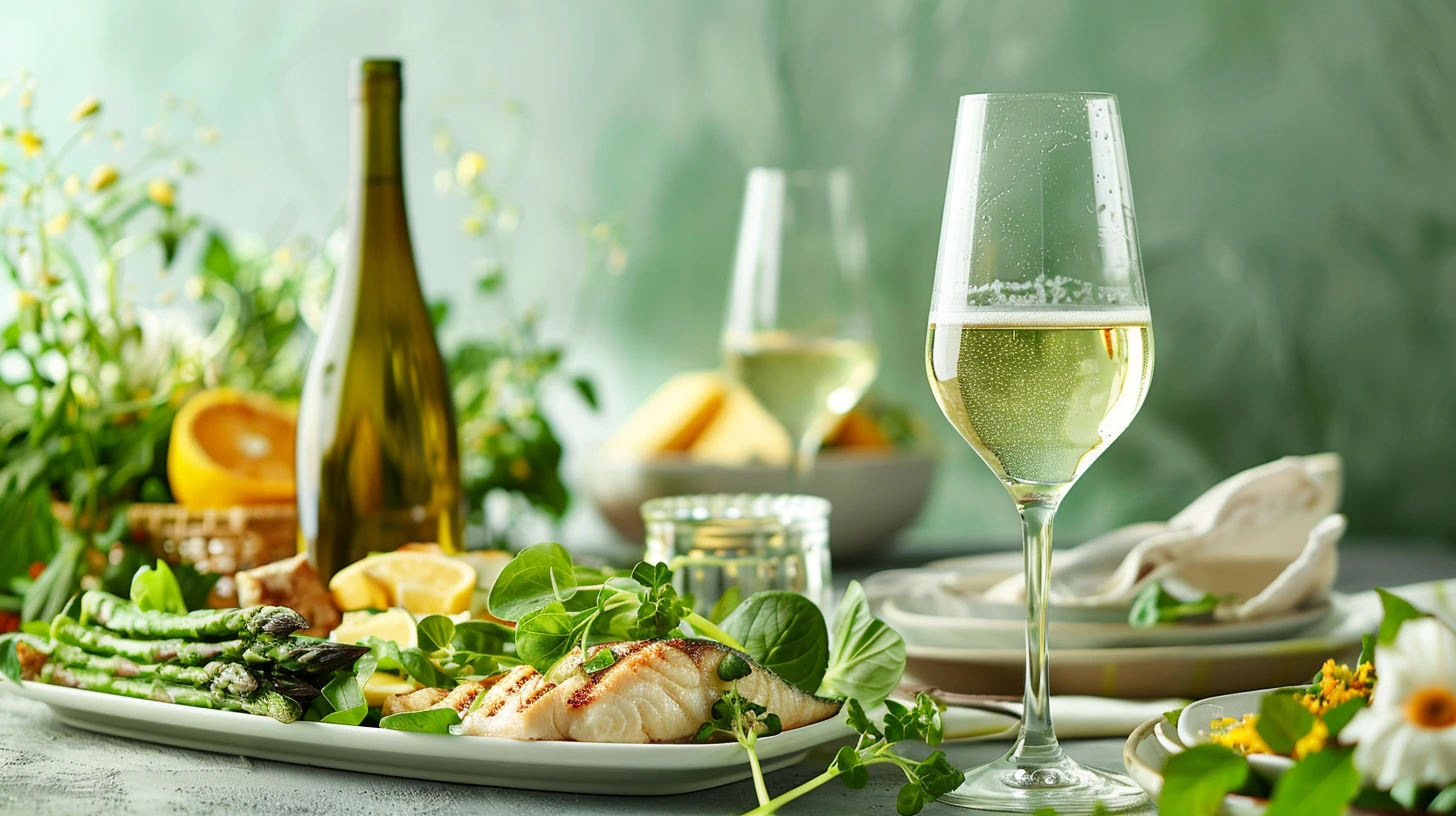
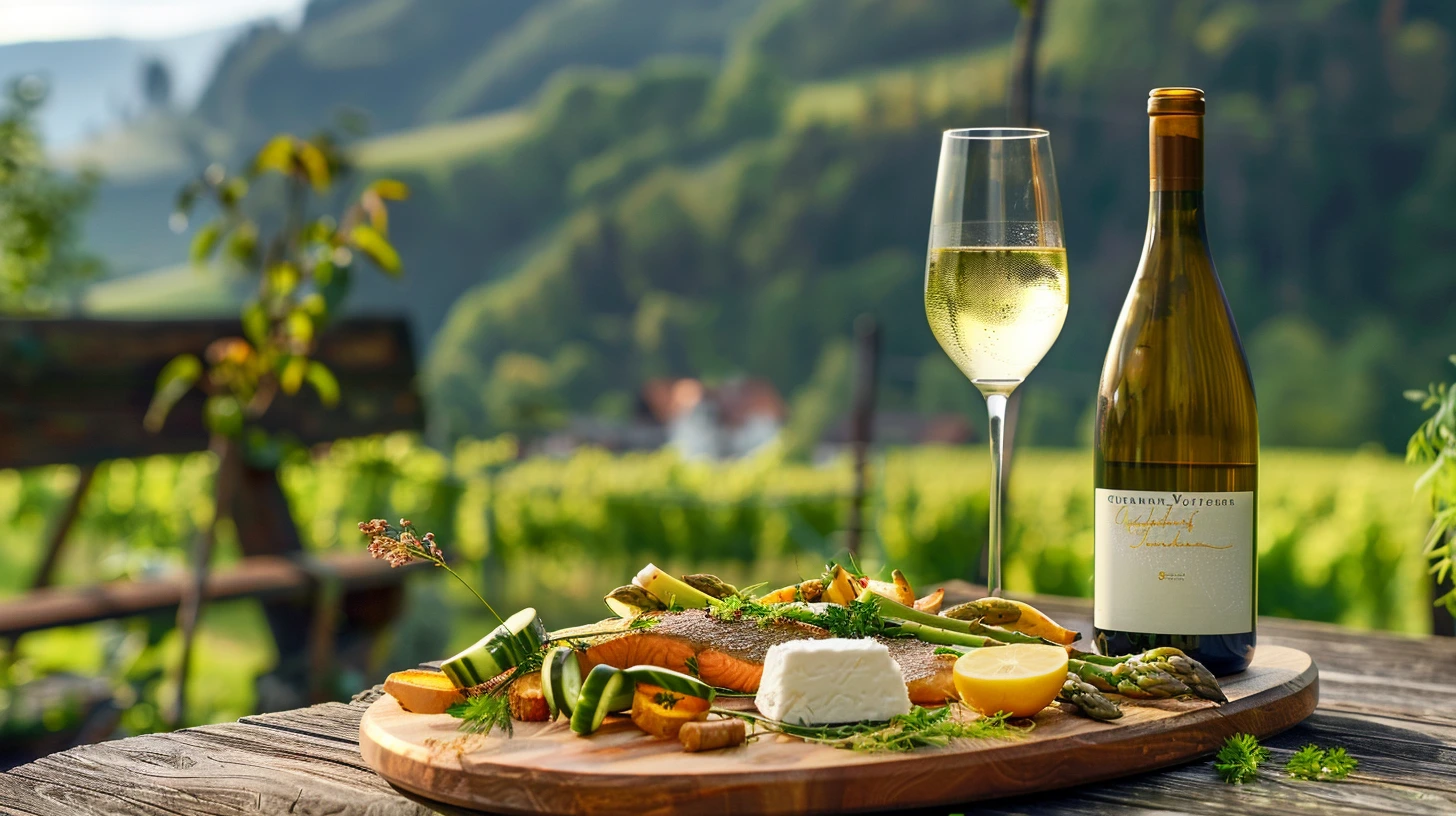
Sauvignon Blanc wine pairing
#1 Great match White

Sauvignon Blanc

Why it works: Sauvignon Blanc mirrors herbs and citrus while its acidity suits green vegetables, fresh cheese and shellfish.

Zesty white wine with lemon, gooseberry, grass and herb notes. It refreshes green vegetables, goat cheese, seafood and herb-led dishes.

GrapeSauvignon Blanc
RegionLoire, Marlborough, Bordeaux, Chile
Wine flavourlemon, gooseberry, grass, passion fruit, herbs
Serve at7-9°C
  • Flavour bridge: citrus and herbal notes echo the dish
  • Acidity: High acidity matches lemon and fresh herbs.
  • Body: Light body suits delicate ingredients.
  • Tannin: Low tannin is seafood-friendly.
  • Sweetness: Dry style preserves freshness.
  • Best for: A credible food-led pairing for this recipe.
Provence Rosé wine pairing
#1 Great match Rosé

Provence Rosé

Why it works: Dry rosé combines red-fruit flavour with white-wine freshness, working well with grilled food, tomatoes, peppers and robust seafood.

Pale, dry rosé with red berries, citrus and herbs. Flexible with Mediterranean dishes, grilled vegetables, seafood and summer food.

GrapeGrenache, Cinsault, Syrah, Mourvèdre
RegionProvence, Languedoc, Navarra
Wine flavourstrawberry, citrus, herbs, melon
Serve at8-10°C
  • Flavour bridge: red berries bridge tomato and char
  • Acidity: Bright acidity handles tomato and oil.
  • Body: Light-medium body suits grilled dishes.
  • Tannin: Low tannin.
  • Sweetness: Dry style remains refreshing.
  • Best for: A credible food-led pairing for this recipe.
Rioja / Tempranillo wine pairing
#1 Great match Red

Rioja / Tempranillo

Why it works: Rioja combines red fruit, savoury spice and controlled tannin, suiting lamb, pork, paprika, chorizo and slow-cooked meat.

Spanish red with red fruit, vanilla, leather and spice. Good with garlic chicken, lamb, roast meat, paprika and grilled dishes.

GrapeTempranillo, Garnacha, Graciano
RegionRioja, Ribera del Duero, Navarra
Wine flavourred cherry, plum, vanilla, leather, dill
Serve at15-17°C
  • Flavour bridge: red fruit, leather and spice echo roasted meat
  • Acidity: Fresh acidity balances fat.
  • Body: Medium-full body matches hearty dishes.
  • Tannin: Medium tannin is softened by meat.
  • Sweetness: Dry style.
  • Best for: A credible food-led pairing for this recipe.
Cabernet Sauvignon / Bordeaux wine pairing
#1 Great match Red

Cabernet Sauvignon / Bordeaux

Why it works: Cabernet or Bordeaux has the concentration, tannin and black-fruit depth for beef, venison and rich roast gravies.

Structured red with blackcurrant, cedar, graphite and firm tannins. Best with roast beef, lamb, steak, rich gravies and hard cheese.

GrapeCabernet Sauvignon, Merlot, Cabernet Franc
RegionBordeaux, Napa, Coonawarra, Maipo
Wine flavourblackcurrant, cedar, graphite, tobacco
Serve at16-18°C
  • Flavour bridge: blackcurrant, cedar and savoury meat flavours
  • Acidity: Acidity refreshes rich gravy.
  • Body: Full body matches dense red meat.
  • Tannin: Firm tannin binds with meat protein.
  • Sweetness: Dry style.
  • Best for: A credible food-led pairing for this recipe.

These are wine-style pairings, so you can choose any bottle in that style rather than needing one exact producer. Look for the grape, region or style name on the label.

Bottle suggestions

Specific wines to try

These are individual wines already linked to this recipe.